
B12 Deficiency Symptoms in Women Over 40

Written by Taylor B.
Published November 19, 2026

If you've been dragging through your days feeling inexplicably exhausted, foggy, or just off, you're not imagining it — and you're not lazy. One of the most overlooked causes of these frustrating changes is low vitamin B12, and the truth is that b12 deficiency symptoms in women over 40 are incredibly easy to miss because they mimic so many other things: stress, perimenopause, aging, or simply "being busy."
Here's the good news: B12 deficiency is both common and highly treatable once you know what to look for. In this guide, we'll walk through the sneaky signs, why women over 40 are especially vulnerable, and what you can do to get your energy — and yourself — back.

What Is Vitamin B12 and Why Does It Matter?
Vitamin B12 (also called cobalamin) is a water-soluble nutrient your body needs to make red blood cells, support healthy nerve function, and produce DNA. It's also essential for converting the food you eat into usable energy — which is exactly why a shortage leaves you feeling so wiped out.
Your body doesn't make B12 on its own. You get it from animal-based foods like meat, fish, eggs, and dairy — or through supplements and injections. Because it's involved in so many systems, even a mild deficiency can ripple across your whole body in ways that are tough to trace back to one cause.
B12 Deficiency Symptoms in Women Over 40
The tricky part about b12 deficiency symptoms in women over 40 is how gradual and nonspecific they can be. Many women chalk them up to hormones, menopause, or just "getting older." But if several of the following sound familiar, B12 is worth investigating.
Physical Symptoms
- Chronic fatigue and low energy that rest doesn't fix
- Tingling or numbness in the hands and feet (a classic nerve-related sign)
- Pale or slightly yellowish skin
- Shortness of breath or a racing heart with light activity
- Muscle weakness and unsteadiness
- A sore, swollen, or "smooth" red tongue
- Brittle nails and increased hair shedding
Cognitive and Emotional Symptoms
- Brain fog and trouble concentrating
- Memory lapses or forgetfulness
- Low mood, irritability, or symptoms of depression
- Feeling anxious or mentally "foggy" without clear reason
- Difficulty finding words
Because so many of these overlap with perimenopause and menopause, women over 40 are uniquely likely to have their B12 deficiency misattributed to hormonal shifts. It's entirely possible to have both happening at once — which makes testing so valuable.
“B12 deficiency is one of the most under-recognized causes of fatigue and neurological symptoms in women — partly because the signs creep in so slowly that people adapt to feeling unwell.”
Why Women Over 40 Are More at Risk
Age genuinely changes how your body absorbs B12. As you move through your 40s and beyond, your stomach produces less stomach acid and less of a protein called intrinsic factor — both of which are required to pull B12 from food. This means you can eat a B12-rich diet and still fall short.
Several other factors common among women over 40 raise the risk even further:
- Long-term use of acid reducers (PPIs or H2 blockers) for reflux
- Taking metformin for insulin resistance or diabetes
- Following a vegetarian or vegan diet without supplementation
- A history of weight-loss surgery or GI conditions like celiac or Crohn's
- Heavy alcohol use, which impairs absorption
- Autoimmune pernicious anemia, which blocks intrinsic factor
Feeling Run Down? It Might Be Your B12
A quick, convenient B12 boost could be the energy reset you've been looking for. Start your online visit with Good Girl Rx and connect with a licensed provider.
Explore B12 →How B12 Deficiency Is Diagnosed
Diagnosing low B12 usually starts with a simple blood test measuring your serum B12 level. But here's an important nuance: the standard reference range is wide, and many women experience symptoms while still technically "within normal limits."
That's why providers sometimes order additional markers like methylmalonic acid (MMA) and homocysteine, which rise when B12 is functionally low even if your serum level looks okay. If you've had symptoms despite normal labs, it's worth discussing these tests with your provider.
| Marker | What It Shows | When It's Used |
|---|---|---|
| Serum B12 | Total B12 in the blood | First-line screening test |
| Methylmalonic acid (MMA) | Elevated when B12 is functionally low | Confirms borderline cases |
| Homocysteine | Rises with B12 or folate deficiency | Supports diagnosis |
| Complete blood count (CBC) | Detects large red blood cells (macrocytosis) | Flags possible anemia |
How to Restore Healthy B12 Levels
The right treatment depends on why you're deficient. For mild, diet-related shortfalls, oral supplements may be enough. But if your body struggles to absorb B12 through the gut — which is common over 40 — B12 injections often work faster and more reliably because they bypass the digestive system entirely.
Common Approaches
- Dietary changes — adding more eggs, fish, lean meat, and dairy
- Oral or sublingual supplements for mild deficiencies
- **B12 injections** for faster absorption and sustained levels
- Combination options like Lipotropic MIC+B12 that pair B12 with fat-metabolism nutrients
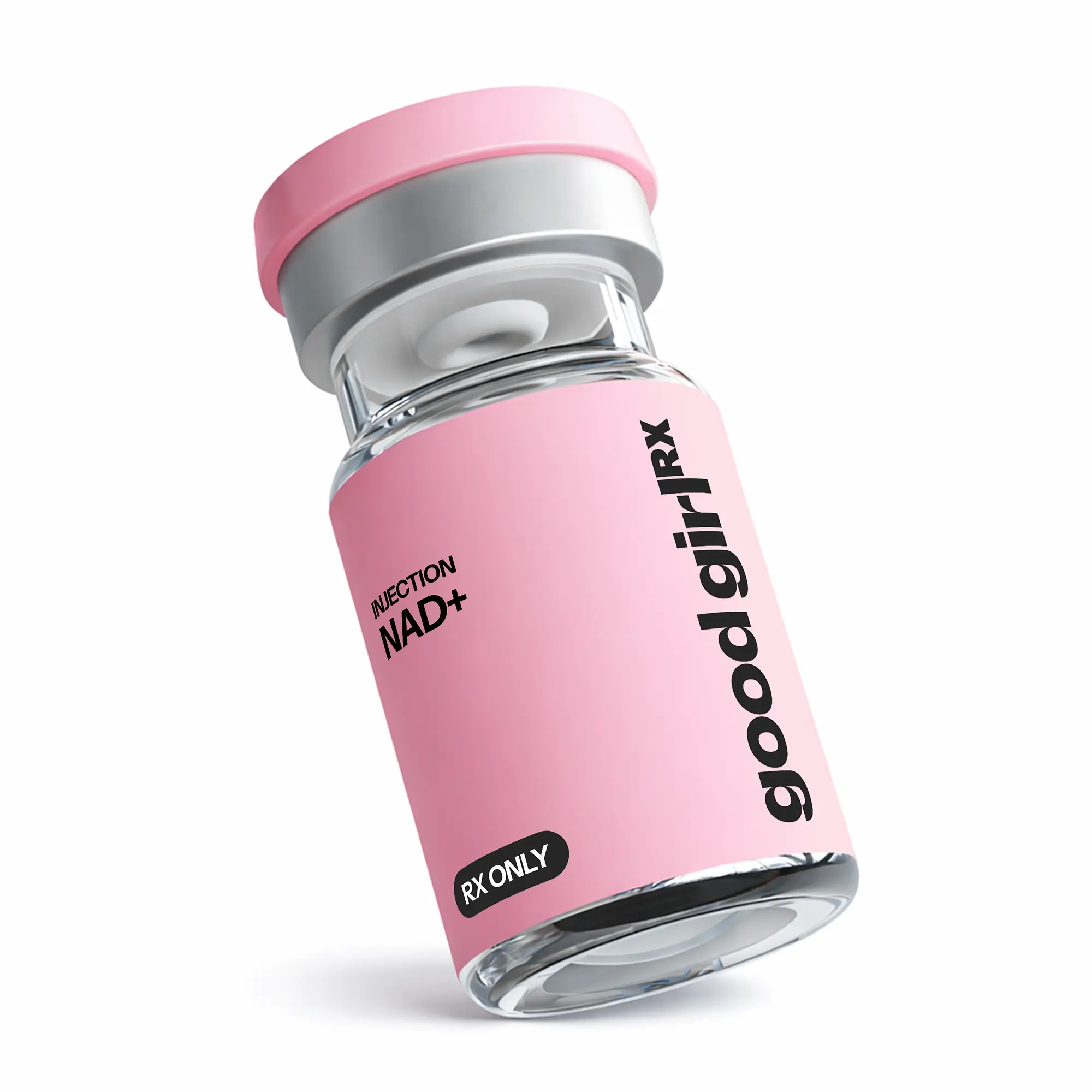
Many women notice improvements in energy, mental clarity, and mood within a few weeks of consistent treatment. Pairing B12 support with other wellness options — such as NAD+ for cellular energy — can be part of a broader plan your provider helps you build.
It's worth remembering that more isn't always better with supplements — but because B12 is water-soluble, your body simply excretes what it doesn't need, making it one of the safer nutrients to replenish under a provider's guidance. Results may vary, and the right dose and frequency should always be personalized.
“When women finally correct a long-standing B12 deficiency, the most common thing they say is, 'I didn't realize how bad I felt until I started feeling better.'”
When to Talk to Your Provider
If you've been quietly struggling with fatigue, brain fog, tingling, or mood changes, don't dismiss them as an unavoidable part of getting older. Recognizing b12 deficiency symptoms in women over 40 early can make all the difference — both for how you feel today and for protecting your long-term nerve and brain health.
A licensed provider can help you determine whether testing makes sense, interpret your results, and build a plan that fits your body and lifestyle. You deserve to feel energized, clear-headed, and fully yourself.
Ready to Reclaim Your Energy?
Connect with a licensed provider through Good Girl Rx to explore whether a B12 boost is right for you — all from the comfort of home.
Explore B12 →Share this article

Ready to start your journey?
Complete your free online visit and see if GLP-1 treatment is right for you.
Get Started