

Legal
Important Safety Information
Last modified: April 9, 2026
General Information
Good Girl Rx is a managed services organization that connects patients with independent, state-licensed pharmacies and licensed healthcare providers. Good Girl Rx is not a pharmacy, prescriber, or manufacturer. All prescriptions are written by independently licensed healthcare providers and filled by independently licensed pharmacies.
Compounded medications are not FDA-approved. They are prepared by state-licensed compounding pharmacies in accordance with applicable federal and state regulations. Compounded medications have not undergone the same rigorous FDA review process as commercially manufactured drugs. While the individual active ingredients used in compounding may be FDA-approved, the final compounded formulations themselves are not.
The safety information provided on this page is for educational purposes only and does not replace professional medical advice, diagnosis, or treatment. Always consult with your prescribing healthcare provider before starting, stopping, or changing any medication.
In case of a medical emergency, call 911 immediately.
If you experience a serious adverse event or side effect, report it to the FDA MedWatch program at 1-800-FDA-1088 or online at www.fda.gov/medwatch.
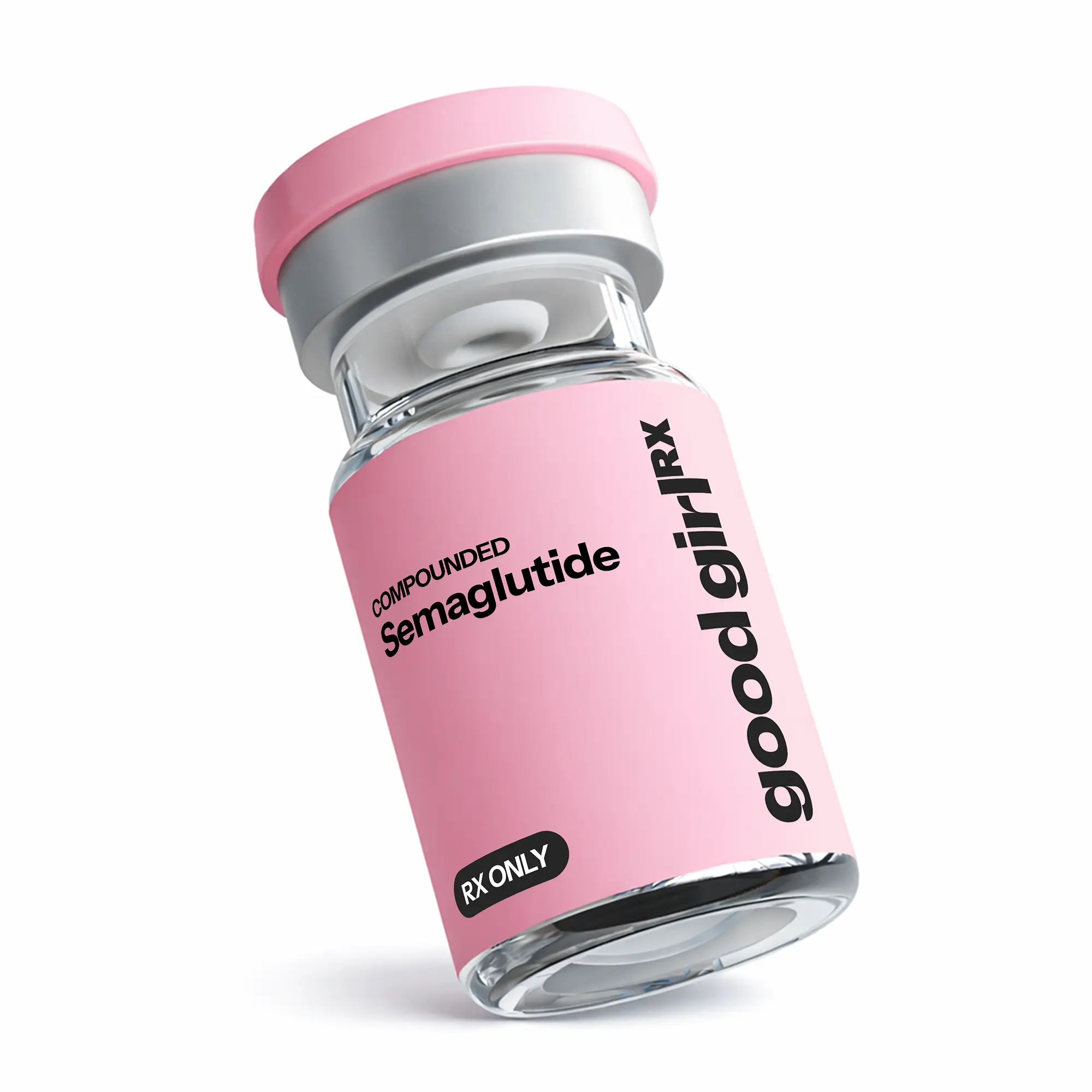
Compounded Semaglutide
Compounded semaglutide is a glucagon-like peptide-1 (GLP-1) receptor agonist prepared by state-licensed compounding pharmacies. It is used for chronic weight management in adults with obesity (BMI ≥ 30) or overweight (BMI ≥ 27) with at least one weight-related comorbidity, as prescribed by a licensed healthcare provider. Compounded semaglutide is not FDA-approved.
BLACK BOX WARNING: Risk of Thyroid C-Cell Tumors
BLACK BOX WARNING: In rodent studies, semaglutide caused dose-dependent and treatment-duration-dependent thyroid C-cell tumors (adenomas and carcinomas) at clinically relevant exposures. It is unknown whether semaglutide causes thyroid C-cell tumors, including medullary thyroid carcinoma (MTC), in humans, as the human relevance of semaglutide-induced rodent thyroid C-cell tumors has not been determined.
Semaglutide is contraindicated in patients with a personal or family history of MTC or in patients with Multiple Endocrine Neoplasia syndrome type 2 (MEN 2). Counsel patients regarding the potential risk for MTC with the use of semaglutide and inform them of symptoms of thyroid tumors (e.g., a mass in the neck, dysphagia, dyspnea, persistent hoarseness). Routine monitoring of serum calcitonin or using thyroid ultrasound is of uncertain value for early detection of MTC.
Critical Warnings
- Dehydration and Acute Kidney Injury: Semaglutide can cause nausea, vomiting, and diarrhea, which may lead to dehydration. Dehydration may cause acute kidney injury, which has been reported in patients treated with GLP-1 receptor agonists. Patients should be advised of the potential risk of dehydration and encouraged to take precautions to avoid fluid depletion. Use caution in patients with renal impairment and monitor renal function in patients reporting severe gastrointestinal reactions.
- Kidney Failure: Cases of acute kidney failure and worsening of chronic renal failure have been reported with GLP-1 receptor agonists. Monitor renal function when initiating or escalating doses, particularly in patients with renal impairment and in patients reporting severe gastrointestinal adverse reactions.
- Thyroid Tumors: See Black Box Warning above. If a patient presents with a thyroid nodule or elevated serum calcitonin, refer to an endocrinologist for further evaluation.
- Pancreatitis: Acute and chronic pancreatitis have been reported in clinical studies and post-marketing experience with GLP-1 receptor agonists. After initiation or dose escalation, observe patients carefully for signs and symptoms of pancreatitis (including persistent severe abdominal pain, sometimes radiating to the back, with or without vomiting). If pancreatitis is suspected, discontinue semaglutide promptly. If confirmed, do not restart. Use caution in patients with a history of pancreatitis.
- Gallbladder Disease: Cholelithiasis (gallstones) and cholecystitis (gallbladder inflammation) have been reported in clinical trials with semaglutide. Substantial or rapid weight loss can increase the risk of gallstone formation. If cholelithiasis is suspected, gallbladder studies and appropriate clinical follow-up are indicated.
- Hepatobiliary Disorders: Cases of hepatitis and elevated liver enzymes have been reported. Monitor for signs and symptoms of liver injury (fatigue, jaundice, dark urine, clay-colored stools, right upper abdominal pain). If hepatic injury is suspected, discontinue semaglutide and obtain liver function tests.
- Diabetic Retinopathy Complications and Vision Changes: In patients with type 2 diabetes and pre-existing diabetic retinopathy, rapid improvement in glucose control has been associated with temporary worsening of diabetic retinopathy. Patients with a history of diabetic retinopathy should be monitored. Report any changes in vision to your healthcare provider immediately.
- Hypoglycemia: When semaglutide is used with insulin or insulin secretagogues (e.g., sulfonylureas), the risk of hypoglycemia (low blood sugar) is increased. Patients may need a lower dose of insulin or sulfonylurea to reduce the risk of hypoglycemia. Signs and symptoms include dizziness, blurred vision, anxiety, irritability, sweating, slurred speech, hunger, confusion, shakiness, rapid heartbeat, and feeling jittery.
- Depression and Suicidal Ideation: Reports of suicidal behavior and ideation have been reported in patients using GLP-1 receptor agonists. Monitor patients for the emergence or worsening of depression, suicidal thoughts or behavior, and any unusual changes in mood or behavior. Discontinue semaglutide if patients experience suicidal thoughts or behaviors.
Common Side Effects
The most commonly reported side effects include:
- Nausea (affects up to 44% of patients, most common at treatment initiation and dose escalation)
- Constipation
- Vomiting
- Diarrhea
- Abdominal pain or discomfort
- Headache
- Fatigue
- Dyspepsia (indigestion)
- Dizziness
- Abdominal distension (bloating)
- Eructation (belching)
- Flatulence
- Gastroesophageal reflux disease
- Injection site reactions (pain, redness, swelling at the injection site)
Most gastrointestinal side effects are mild to moderate in severity and tend to diminish over time as the body adjusts to the medication. Gradual dose escalation as directed by your provider can help minimize these effects.
Drug Interactions
- Insulin and Sulfonylureas: Concomitant use increases the risk of hypoglycemia. Dose reduction of insulin or sulfonylurea may be necessary when initiating semaglutide.
- Oral Medications Affected by Gastric Emptying: Semaglutide delays gastric emptying, which may impact the absorption of concomitantly administered oral medications. Monitor patients receiving oral medications and adjust timing or dosing as clinically indicated. This is particularly relevant for medications with a narrow therapeutic index.
- Thyroid Medications (Levothyroxine): Delayed gastric emptying may affect absorption of oral thyroid medications. Monitor thyroid function after initiating semaglutide or adjusting doses, and adjust thyroid medication dosing as needed.
- Warfarin and Other Anticoagulants: Semaglutide may alter the absorption of warfarin. Monitor INR more frequently when initiating or changing semaglutide doses in patients taking warfarin or other oral anticoagulants.
Contraindications
- Personal or family history of medullary thyroid carcinoma (MTC)
- Multiple Endocrine Neoplasia syndrome type 2 (MEN 2)
- Known hypersensitivity to semaglutide or any of the excipients
- Pregnancy and Breastfeeding: Semaglutide is contraindicated during pregnancy. Based on animal reproduction studies, semaglutide may cause fetal harm. Discontinue semaglutide at least 2 months before a planned pregnancy due to the long washout period of the drug. If a patient becomes pregnant while using semaglutide, discontinue treatment immediately and contact your healthcare provider. It is not known whether semaglutide is excreted in human breast milk. Due to the potential for serious adverse reactions in breastfed infants, semaglutide should not be used during breastfeeding.
Pulmonary Aspiration Warning
WARNING: Semaglutide delays gastric emptying, which may increase the risk of pulmonary aspiration of gastric contents during procedures requiring sedation or general anesthesia. Patients scheduled for elective surgery should inform their surgeon and anesthesiologist that they are taking semaglutide. Current guidance from the American Society of Anesthesiologists suggests considering holding GLP-1 receptor agonists prior to elective procedures. Discuss the timing of your last dose with your surgical team well in advance of any planned procedure.
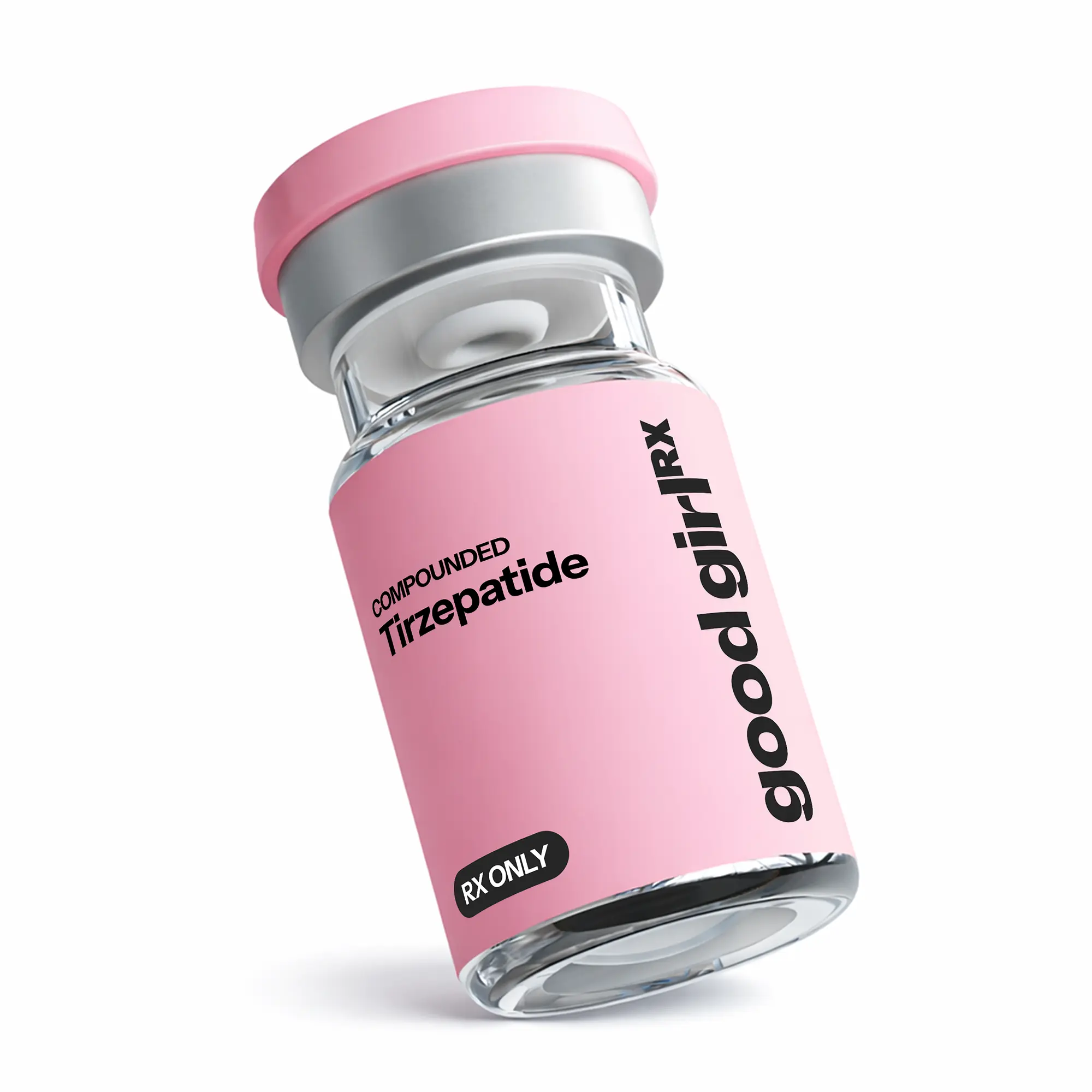
Compounded Tirzepatide
Compounded tirzepatide is a dual glucose-dependent insulinotropic polypeptide (GIP) and GLP-1 receptor agonist prepared by state-licensed compounding pharmacies. It is used for chronic weight management in adults with obesity (BMI ≥ 30) or overweight (BMI ≥ 27) with at least one weight-related comorbidity. Compounded tirzepatide is not FDA-approved.
BLACK BOX WARNING: Risk of Thyroid C-Cell Tumors
BLACK BOX WARNING: In rodent studies, tirzepatide caused thyroid C-cell tumors at clinically relevant exposures. It is unknown whether tirzepatide causes thyroid C-cell tumors, including medullary thyroid carcinoma (MTC), in humans, as the human relevance of tirzepatide-induced rodent thyroid C-cell tumors has not been determined.
Tirzepatide is contraindicated in patients with a personal or family history of MTC or in patients with MEN 2. Counsel patients regarding the potential risk for MTC and inform them of symptoms of thyroid tumors (e.g., a mass in the neck, dysphagia, dyspnea, persistent hoarseness).
Serious Side Effects
- Gastrointestinal Disease: Severe nausea, vomiting, and diarrhea leading to dehydration have been reported. Dehydration may cause acute kidney injury. Use caution in patients with renal impairment and monitor renal function in patients with severe gastrointestinal adverse reactions.
- Acute Kidney Injury: Has been reported in patients treated with GIP/GLP-1 receptor agonists, sometimes requiring hemodialysis. Monitor renal function when initiating or escalating doses, especially in patients with pre-existing renal impairment or those reporting severe gastrointestinal reactions.
- Gallbladder Disease: Cholelithiasis and cholecystitis have been reported. Substantial or rapid weight loss can increase the risk of cholelithiasis. If cholelithiasis is suspected, gallbladder studies and appropriate clinical follow-up are indicated.
- Pancreatitis: Acute pancreatitis, including fatal and non-fatal hemorrhagic or necrotizing pancreatitis, has been reported with GLP-1 receptor agonists. If pancreatitis is suspected, discontinue tirzepatide promptly. If confirmed, do not restart. Consider other antidiabetic therapies in patients with a history of pancreatitis.
- Serious Allergic Reactions: Anaphylaxis and angioedema have been reported with GIP/GLP-1 receptor agonists. If a hypersensitivity reaction occurs, discontinue tirzepatide and promptly seek medical advice. Use caution in patients with a history of angioedema or anaphylaxis with another GLP-1 receptor agonist.
- Hypoglycemia: When used with insulin or insulin secretagogues, the risk of hypoglycemia is increased. Patients may require a dose reduction of insulin or sulfonylurea.
- Diabetic Retinopathy Complications and Vision Changes: Rapid improvement in glucose control has been associated with a temporary worsening of diabetic retinopathy in patients with pre-existing disease. Monitor patients with a history of diabetic retinopathy and report any vision changes to your healthcare provider.
- Depression and Suicidal Ideation: Monitor for emergence or worsening of depression, suicidal thoughts or behavior, and any unusual changes in mood or behavior. Discontinue if patients experience suicidal thoughts or behaviors.
Common Side Effects
The most commonly reported side effects include:
- Nausea (up to 33% of patients)
- Diarrhea (up to 23% of patients)
- Vomiting
- Constipation
- Abdominal pain
- Injection site reactions (pain, erythema, pruritus at the injection site)
- Fatigue
- Hair loss (alopecia, reported in approximately 5-6% of patients in clinical trials)
- Heartburn (gastroesophageal reflux disease)
- Decreased appetite
- Dyspepsia
- Flatulence
- Eructation
Birth Control Interaction
WARNING: Tirzepatide may reduce the efficacy of oral hormonal contraceptives (birth control pills) due to delayed gastric emptying. This effect is most significant for 4 weeks after initiation of tirzepatide and for 4 weeks after each dose increase. Patients using oral contraceptives should use a non-oral backup method of contraception (such as condoms, an IUD, or other barrier methods) for 4 weeks after starting tirzepatide and for 4 weeks after each dose escalation. Alternatively, patients may switch to a non-oral contraceptive method. Discuss contraception options with your healthcare provider.
Drug Interactions
- Oral Hormonal Contraceptives: See Birth Control Interaction above.
- Insulin and Sulfonylureas: Concomitant use increases the risk of hypoglycemia. Dose reduction may be necessary.
- Oral Medications Affected by Gastric Emptying: Tirzepatide delays gastric emptying, which may impact the absorption of concomitantly administered oral medications. Use caution with medications that have a narrow therapeutic index and monitor efficacy and side effects.
- Warfarin: Monitor INR when initiating or adjusting tirzepatide in patients taking warfarin.
Contraindications
- Personal or family history of MTC
- Multiple Endocrine Neoplasia syndrome type 2 (MEN 2)
- Known serious hypersensitivity to tirzepatide or any of the excipients
- Pregnancy and Breastfeeding: Discontinue tirzepatide at least 2 months before a planned pregnancy. Based on animal studies, tirzepatide may cause fetal harm. It is not known whether tirzepatide is excreted in human breast milk. A decision should be made whether to discontinue breastfeeding or discontinue tirzepatide.
Ozempic (Semaglutide)
Ozempic (semaglutide) injection 0.5 mg, 1 mg, or 2 mg is an FDA-approved prescription medicine used along with diet and exercise to improve blood sugar (glucose) in adults with type 2 diabetes mellitus. Ozempic is manufactured by Novo Nordisk.
BLACK BOX WARNING: Risk of Thyroid C-Cell Tumors
BLACK BOX WARNING: In rodent studies, semaglutide caused dose-dependent and treatment-duration-dependent thyroid C-cell tumors (adenomas and carcinomas) at clinically relevant exposures. It is unknown whether semaglutide causes thyroid C-cell tumors, including medullary thyroid carcinoma (MTC), in humans, as the human relevance of semaglutide-induced rodent thyroid C-cell tumors has not been determined.
Ozempic is contraindicated in patients with a personal or family history of MTC or in patients with MEN 2.
Critical Warnings
- Pancreatitis: Acute and chronic pancreatitis have been observed in clinical studies and post-marketing surveillance. After initiation or dose escalation, observe patients carefully for signs and symptoms of pancreatitis. If pancreatitis is suspected, discontinue Ozempic promptly. If confirmed, do not restart.
- Diabetic Retinopathy Complications: In the SUSTAIN 6 trial, a significantly increased rate of diabetic retinopathy complications was observed in patients treated with Ozempic compared to placebo (3.0% vs 1.8%). Patients with a history of diabetic retinopathy should be monitored for progression.
- Hypoglycemia: Risk is increased when Ozempic is used with insulin or sulfonylureas. Consider reducing the dose of concomitant insulin secretagogue or insulin.
- Acute Kidney Injury: Has been reported, usually in association with nausea, vomiting, diarrhea, or dehydration. Monitor renal function in patients with renal impairment reporting severe gastrointestinal reactions.
- Hypersensitivity Reactions: Serious hypersensitivity reactions (e.g., anaphylaxis, angioedema) have been reported. If a hypersensitivity reaction occurs, discontinue Ozempic and treat promptly.
- Acute Gallbladder Disease: Cholelithiasis and cholecystitis have been reported in clinical trials. If cholelithiasis is suspected, gallbladder studies are indicated.
- Depression and Suicidal Ideation: Monitor for emergence or worsening of depression, suicidal thoughts or behavior, and unusual changes in mood or behavior.
Common Side Effects
- Nausea
- Vomiting
- Diarrhea
- Abdominal pain
- Constipation
- Decreased appetite
- Headache
- Fatigue
- Dyspepsia
- Dizziness
- Abdominal distension
- Eructation
- Flatulence
- Gastroenteritis
- Gastroesophageal reflux disease
- Injection site reactions
Drug Interactions
- Insulin and Sulfonylureas: Increased risk of hypoglycemia. Dose reduction of the concomitant medication may be necessary.
- Oral Medications: Ozempic delays gastric emptying and may impact absorption of oral medications. Monitor patients receiving oral medications, particularly those with a narrow therapeutic index.
- Warfarin: Monitor INR when initiating or changing the dose of Ozempic in patients taking warfarin.
Important Administration Information
Never share an Ozempic pen between patients, even if the needle is changed. Sharing poses a risk of transmission of blood-borne pathogens. The Ozempic pen is for single-patient use only.
Contact Information: For questions about Ozempic, call Novo Nordisk at 1-833-EAT-LESS (1-833-328-5377).
To report adverse events or product complaints, contact Novo Nordisk at 1-800-727-6500 or the FDA at 1-800-FDA-1088 or www.fda.gov/medwatch.
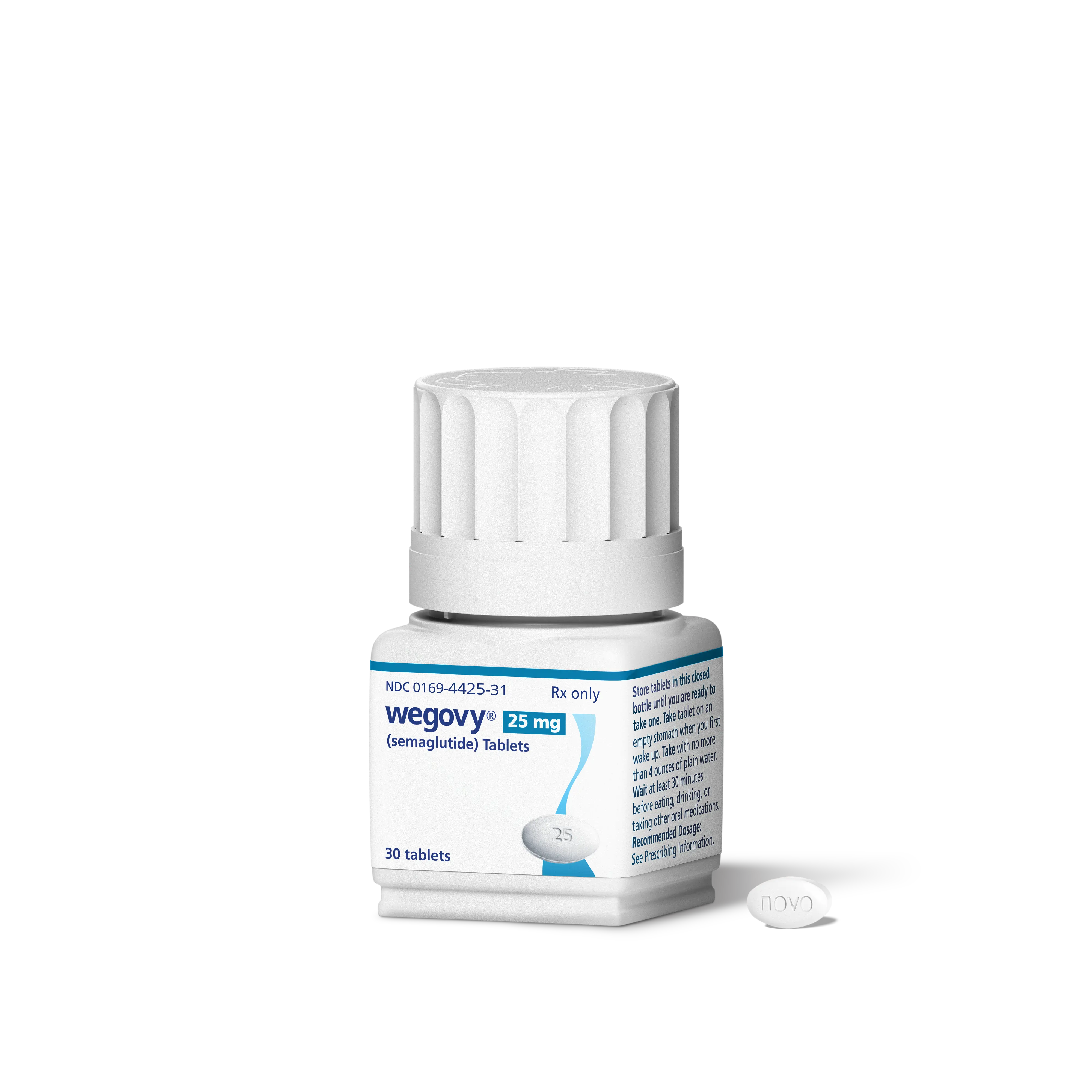
Wegovy (Semaglutide)
Wegovy (semaglutide) injection 2.4 mg is an FDA-approved prescription medicine used for chronic weight management in adults with obesity (BMI ≥ 30) or overweight (BMI ≥ 27) who have at least one weight-related condition such as high blood pressure, type 2 diabetes, or high cholesterol, used in addition to a reduced-calorie diet and increased physical activity. Wegovy is also indicated to reduce the risk of major adverse cardiovascular events (cardiovascular death, heart attack, and stroke) in adults with established cardiovascular disease and either obesity or overweight. Wegovy is manufactured by Novo Nordisk.
BLACK BOX WARNING: Risk of Thyroid C-Cell Tumors
BLACK BOX WARNING: In rodent studies, semaglutide caused dose-dependent and treatment-duration-dependent thyroid C-cell tumors (adenomas and carcinomas) at clinically relevant exposures. It is unknown whether semaglutide causes thyroid C-cell tumors, including medullary thyroid carcinoma (MTC), in humans.
Wegovy is contraindicated in patients with a personal or family history of MTC or in patients with MEN 2.
Critical Warnings
- Pancreatitis: Acute pancreatitis has been reported. If pancreatitis is suspected, discontinue Wegovy promptly. If confirmed, do not restart.
- Gallbladder Disease: Cholelithiasis and cholecystitis have been reported. Substantial or rapid weight loss can increase the risk of cholelithiasis.
- Acute Kidney Injury: Has been reported in association with gastrointestinal adverse reactions causing dehydration. Monitor renal function in patients with renal impairment reporting severe gastrointestinal reactions.
- Hypersensitivity Reactions: Serious hypersensitivity reactions including anaphylaxis and angioedema have been reported. Discontinue Wegovy if a hypersensitivity reaction occurs.
- Diabetic Retinopathy Complications: Rapid improvement in glucose control has been associated with a temporary worsening of diabetic retinopathy in patients with pre-existing disease. Monitor patients with diabetic retinopathy.
- Heart Rate Increase: Mean increases in resting heart rate of 1 to 4 beats per minute (bpm) were observed in clinical trials. Monitor heart rate at regular intervals and discontinue if patients experience a sustained increase in resting heart rate.
- Hypoglycemia: Risk is increased when used with insulin or sulfonylureas. Consider reducing the dose of concomitant insulin secretagogue or insulin.
- Depression and Suicidal Ideation: Monitor for emergence or worsening of depression, suicidal thoughts or behavior, and unusual changes in mood or behavior. Patients should report any changes to their healthcare provider immediately.
Common Side Effects
- Nausea (up to 44% in clinical trials)
- Diarrhea
- Vomiting
- Constipation
- Abdominal pain
- Headache
- Fatigue
- Dyspepsia
- Dizziness
- Abdominal distension
- Eructation
- Flatulence
- Gastroenteritis
- Gastroesophageal reflux disease
- Injection site reactions
- Hair loss (alopecia)
Drug Interactions
- Insulin and Sulfonylureas: Increased risk of hypoglycemia. Dose reduction may be necessary.
- Oral Medications: Wegovy delays gastric emptying and may impact absorption of oral medications. Monitor patients receiving oral medications, especially those with a narrow therapeutic index.
- Warfarin: Monitor INR when initiating or adjusting Wegovy in patients taking warfarin.
Important Administration Information
Never share a Wegovy pen between patients, even if the needle is changed. Sharing poses a risk of transmission of blood-borne pathogens.
Wegovy is not indicated for use in combination with any other semaglutide-containing products or any other GLP-1 receptor agonist.
To report adverse events, contact Novo Nordisk at 1-800-727-6500 or the FDA at 1-800-FDA-1088 or www.fda.gov/medwatch.
Mounjaro (Tirzepatide)
Mounjaro (tirzepatide) injection is an FDA-approved prescription medicine used along with diet and exercise to improve blood sugar (glucose) in adults with type 2 diabetes mellitus. Mounjaro is manufactured by Eli Lilly and Company.
Do Not Use Mounjaro If You:
- Have a personal or family history of medullary thyroid carcinoma (MTC)
- Have Multiple Endocrine Neoplasia syndrome type 2 (MEN 2)
- Are allergic to tirzepatide or any of the ingredients in Mounjaro
BLACK BOX WARNING: Risk of Thyroid C-Cell Tumors
BLACK BOX WARNING: In rodent studies, tirzepatide caused thyroid C-cell tumors. It is unknown whether tirzepatide causes thyroid C-cell tumors, including medullary thyroid carcinoma (MTC), in humans. Mounjaro is contraindicated in patients with a personal or family history of MTC and in patients with MEN 2.
Counsel patients regarding the potential risk of MTC and the symptoms of thyroid tumors. If a patient presents with a thyroid nodule, elevated serum calcitonin, or symptoms of thyroid cancer, refer to an endocrinologist.
Serious Side Effects
- Pancreatitis: Acute pancreatitis, including fatal and non-fatal hemorrhagic or necrotizing pancreatitis, has been observed. If pancreatitis is suspected, discontinue Mounjaro. If confirmed, do not restart.
- Hypoglycemia: Risk is increased when used with insulin or sulfonylureas. A lower dose of insulin or sulfonylurea may be needed to reduce the risk of hypoglycemia.
- Hypersensitivity Reactions: Serious hypersensitivity reactions have been reported, including anaphylaxis and angioedema. Discontinue Mounjaro if a reaction occurs and treat promptly.
- Acute Kidney Injury: Has been reported, usually in association with nausea, vomiting, diarrhea, or dehydration. Monitor renal function in patients with renal impairment.
- Severe Gastrointestinal Disease: Use of Mounjaro may be associated with gastrointestinal adverse reactions, sometimes severe. Mounjaro has not been studied in patients with severe gastrointestinal disease, including severe gastroparesis, and is therefore not recommended in these patients.
- Acute Gallbladder Disease: Cholelithiasis and cholecystitis have been reported. If cholelithiasis is suspected, gallbladder studies and appropriate clinical follow-up are indicated.
- Diabetic Retinopathy: Patients with a history of diabetic retinopathy should be monitored for worsening.
- Depression and Suicidal Ideation: Monitor for emergence or worsening of depression, suicidal thoughts, and unusual mood changes.
Common Side Effects
- Nausea
- Diarrhea
- Decreased appetite
- Vomiting
- Constipation
- Dyspepsia (indigestion)
- Abdominal pain
- Injection site reactions
- Fatigue
- Hypersensitivity reactions
- Eructation
- Hair loss
- Gastroesophageal reflux disease
- Flatulence
Birth Control Interaction
WARNING: Mounjaro may reduce the effectiveness of oral birth control pills. Use a backup non-oral method of contraception or switch to a non-oral contraceptive for 4 weeks after initiation and for 4 weeks after each dose increase.
Administration Instructions
- Inject subcutaneously in the abdomen, thigh, or upper arm.
- Rotate injection sites with each injection.
- Administer once weekly, on the same day each week, at any time of day, with or without meals.
- The day of weekly administration can be changed if necessary, as long as the time between two doses is at least 3 days (72 hours).
- Do not mix Mounjaro with other injectable medications.
- Inspect visually before use. Do not use if particulate matter or discoloration is observed.
- Each single-dose pen is for one-time use only. Dispose of used pens in an FDA-cleared sharps container.
Contact Information: For questions about Mounjaro, call Eli Lilly at 1-833-807-MJRO (1-833-807-6576).
To report adverse events, contact Eli Lilly at 1-800-545-5979 or the FDA at 1-800-FDA-1088 or www.fda.gov/medwatch.
Zepbound (Tirzepatide)
Zepbound (tirzepatide) injection is an FDA-approved prescription medicine used for chronic weight management in adults with obesity (BMI ≥ 30) or overweight (BMI ≥ 27) who have at least one weight-related condition such as high blood pressure, type 2 diabetes, high cholesterol, or obstructive sleep apnea. Zepbound is also approved for the treatment of moderate-to-severe obstructive sleep apnea in adults with obesity. Zepbound should be used in addition to a reduced-calorie diet and increased physical activity. Zepbound is manufactured by Eli Lilly and Company.
Do Not Use Zepbound If You:
- Have a personal or family history of medullary thyroid carcinoma (MTC)
- Have Multiple Endocrine Neoplasia syndrome type 2 (MEN 2)
- Are allergic to tirzepatide or any of the ingredients in Zepbound
WARNING: Risk of Thyroid C-Cell Tumors
WARNING: In rodent studies, tirzepatide caused thyroid C-cell tumors at clinically relevant exposures. It is unknown whether tirzepatide causes thyroid C-cell tumors, including medullary thyroid carcinoma (MTC), in humans. Zepbound is contraindicated in patients with a personal or family history of MTC and in patients with MEN 2. Counsel patients regarding the potential risk of MTC with the use of Zepbound and inform them of the symptoms of thyroid tumors.
Serious Side Effects
- Pancreatitis: Acute pancreatitis, including fatal and non-fatal hemorrhagic or necrotizing pancreatitis, has been reported. If pancreatitis is suspected, discontinue Zepbound promptly. If confirmed, do not restart.
- Gallbladder Disease: Cholelithiasis and cholecystitis have been reported. Substantial or rapid weight loss can increase the risk of gallstone formation. If cholelithiasis is suspected, gallbladder studies are indicated.
- Hypoglycemia: When used concomitantly with insulin or insulin secretagogues (e.g., sulfonylureas), the risk of hypoglycemia is increased. A dose reduction of the concomitant medication may be required.
- Acute Kidney Injury: Has been reported, usually in association with gastrointestinal adverse reactions causing dehydration. Monitor renal function in patients with renal impairment reporting severe GI reactions.
- Hypersensitivity Reactions: Serious hypersensitivity reactions including anaphylaxis and angioedema have been reported. Discontinue Zepbound if a reaction occurs.
- Severe Gastrointestinal Disease: Not recommended in patients with severe gastroparesis.
- Depression and Suicidal Ideation: Monitor for emergence or worsening of depression, suicidal thoughts or behavior, and unusual changes in mood or behavior.
- Diabetic Retinopathy: Patients with a history of diabetic retinopathy should be monitored for worsening.
Common Side Effects
- Nausea (up to 33% of patients)
- Diarrhea (up to 23% of patients)
- Vomiting
- Constipation
- Abdominal pain
- Injection site reactions
- Fatigue
- Dyspepsia
- Hair loss (alopecia, approximately 5-6% of patients)
- Gastroesophageal reflux disease
- Eructation
- Flatulence
- Decreased appetite
Important Use Information
Zepbound is not indicated for use in combination with any other tirzepatide-containing products, other GLP-1 receptor agonists, or other GIP/GLP-1 receptor agonists. The safety and efficacy of Zepbound in combination with other products for weight management, including prescription drugs, over-the-counter drugs, and herbal products, have not been established.
Birth Control Warning: Zepbound may reduce the effectiveness of oral hormonal contraceptives. Use a non-oral backup contraceptive method for 4 weeks after initiation and for 4 weeks after each dose increase.
To report adverse events, contact Eli Lilly at 1-800-545-5979 or the FDA at 1-800-FDA-1088 or www.fda.gov/medwatch.
NAD+ Injections
Nicotinamide adenine dinucleotide (NAD+) is a coenzyme found in all living cells that plays a critical role in cellular energy production, DNA repair, and metabolic regulation. NAD+ supplementation is available in several compounded formats including subcutaneous injections, nasal sprays, and topical face creams. NAD+ injections and other compounded NAD+ formulations are not FDA-approved.
Common Side Effects by Format
NAD+ Subcutaneous Injections:
- Injection site reactions (pain, redness, swelling, bruising)
- Nausea
- Flushing (warmth or redness of the skin)
- Headache
- Dizziness or lightheadedness
- Muscle cramping or discomfort
- Fatigue or tiredness immediately after injection
- Chest tightness (transient)
- Abdominal discomfort
- Heart palpitations
NAD+ Nasal Spray:
- Nasal irritation or burning sensation
- Sneezing
- Runny nose (rhinorrhea)
- Nosebleeds (epistaxis)
- Headache
- Unpleasant taste (dysgeusia)
NAD+ Face Cream:
- Skin irritation at the application site
- Redness (erythema)
- Dryness or peeling
- Mild burning or stinging sensation
- Allergic contact dermatitis (rare)
Serious Side Effects
- Cardiac Effects: Rapid intravenous administration of NAD+ may cause significant drops in blood pressure, heart palpitations, or cardiac arrhythmias. Subcutaneous administration has a lower but non-zero risk. Report any chest pain, irregular heartbeat, or shortness of breath immediately.
- Severe Allergic Reactions: Although rare, anaphylaxis has been reported. Seek emergency medical attention for symptoms including difficulty breathing, swelling of the face/throat, hives, or rapid heartbeat.
- Anxiety and Restlessness: High doses may cause anxiety, agitation, or insomnia.
- Liver Toxicity: High-dose NAD+ precursors have been associated with elevated liver enzymes in some studies. Patients with pre-existing liver conditions should use with caution and under medical supervision.
Contraindications
- Known hypersensitivity or allergy to NAD+, niacin, or niacinamide
- Active liver disease or significantly impaired hepatic function
- Uncontrolled hypertension or significant cardiac arrhythmias
- Active peptic ulcer disease (NAD+ precursors may exacerbate)
- Gout (NAD+ precursors may increase uric acid levels)
Drug Interactions
- Blood Pressure Medications: NAD+ may potentiate the hypotensive effects of antihypertensive medications, potentially causing low blood pressure. Monitor blood pressure closely.
- Diabetes Medications: NAD+ may affect blood sugar levels. Patients taking insulin or oral hypoglycemics should monitor blood glucose more frequently.
- Anticoagulants: NAD+ precursors may affect platelet function. Use caution in patients on blood thinners.
- Hepatotoxic Drugs: Use caution when combining with other medications known to affect liver function (e.g., statins, acetaminophen).
- Chemotherapy Agents: Some research suggests NAD+ may interfere with certain chemotherapy mechanisms. Patients undergoing cancer treatment should consult their oncologist before using NAD+ supplementation.
Pregnancy and Breastfeeding
WARNING: The safety of compounded NAD+ injections, nasal sprays, and topical formulations during pregnancy and breastfeeding has not been established. There is insufficient human data to assess the risk. Do not use NAD+ supplementation during pregnancy or while breastfeeding unless specifically directed by your healthcare provider after a thorough risk-benefit assessment.
Storage Instructions
- Store NAD+ injections refrigerated at 36°F to 46°F (2°C to 8°C).
- Protect from light. Store in original packaging until ready to use.
- Do not freeze.
- Do not use if the solution is discolored, cloudy, or contains particulate matter.
- Discard any unused portion after the beyond-use date (BUD) assigned by the compounding pharmacy.
- NAD+ nasal spray and face cream should be stored according to the specific instructions provided by the compounding pharmacy.
Not FDA-Approved: NAD+ injections and other compounded NAD+ formulations are not FDA-approved. The safety, efficacy, and quality of compounded NAD+ products may vary between pharmacies. Always obtain NAD+ products from a licensed compounding pharmacy and use under the supervision of a licensed healthcare provider.
Sermorelin
Sermorelin acetate is a synthetic analog of growth hormone-releasing hormone (GHRH) that stimulates the pituitary gland to produce and release growth hormone. It is used for diagnostic evaluation of pituitary function and as a therapeutic agent for growth hormone deficiency. When used in compounded formulations for anti-aging or wellness purposes, sermorelin is prescribed off-label by licensed healthcare providers. Compounded sermorelin formulations for wellness use are not FDA-approved for this indication.
Common Side Effects
- Injection site reactions (pain, redness, swelling at the injection site)
- Flushing or warmth of the face
- Headache
- Dizziness or lightheadedness
- Nausea
- Changes in taste perception (dysgeusia)
- Drowsiness or fatigue
- Tightness in the chest (transient)
- Increased appetite
- Water retention or mild swelling
Less Common Side Effects
- Joint pain or stiffness (arthralgia)
- Carpal tunnel syndrome symptoms (numbness, tingling in hands)
- Mild hyperglycemia (elevated blood sugar)
- Gynecomastia (breast tissue enlargement, rare)
- Itching (pruritus) at the injection site
- Urticaria (hives)
- Pallor (temporary paleness)
Contraindications
- Known hypersensitivity to sermorelin acetate or any excipients
- Active malignancy (cancer) — growth hormone stimulation may promote tumor growth
- Untreated adrenal insufficiency
- Patients with closed epiphyses (in pediatric use for growth stimulation)
- Intracranial lesions (active brain tumors)
- Patients currently receiving supraphysiological doses of glucocorticoids
Hypothyroidism Risk
WARNING: Growth hormone stimulation by sermorelin may unmask or worsen hypothyroidism. In clinical studies, hypothyroidism has been observed in approximately 6.5% of patients receiving sermorelin therapy. Growth hormone increases the peripheral conversion of T4 to T3, which may lower circulating T4 levels and unmask central hypothyroidism. Thyroid function should be monitored at baseline and periodically during treatment. Patients who develop hypothyroidism may require thyroid hormone replacement therapy for optimal response to sermorelin treatment.
Drug Interactions
- Glucocorticoids (Prednisone, Dexamethasone): May inhibit the growth hormone-releasing effect of sermorelin. Concurrent use of supraphysiological doses may blunt the therapeutic response.
- Thyroid Hormones: Sermorelin may alter thyroid hormone levels, requiring dose adjustments of thyroid medication. See Hypothyroidism Risk above.
- Insulin and Diabetes Medications: Growth hormone stimulation may cause insulin resistance, potentially requiring adjustment of diabetes medications. Monitor blood glucose levels closely.
- Cyclooxygenase Inhibitors (Aspirin, Indomethacin): May affect the growth hormone response to sermorelin.
- Somatostatin and Its Analogs (Octreotide): Directly counteract the mechanism of sermorelin and should not be used concomitantly.
- Muscarinic Antagonists (Atropine): May diminish the growth hormone response to sermorelin.
Pregnancy and Breastfeeding
WARNING: The safety of sermorelin during pregnancy has not been established. Animal reproduction studies have not been conducted. It is not known whether sermorelin can cause fetal harm when administered to a pregnant woman. Sermorelin should not be used during pregnancy. It is not known whether sermorelin is excreted in human breast milk. Caution should be exercised when administering to a nursing woman.
Storage Instructions
- Store unreconstituted vials refrigerated at 36°F to 46°F (2°C to 8°C).
- After reconstitution, store refrigerated and use within the timeframe specified by the compounding pharmacy (typically 14-30 days).
- Protect from light.
- Do not freeze.
- Discard any unused portion after the beyond-use date.
B12 Injections
Vitamin B12 (cyanocobalamin or methylcobalamin) injections are used to treat and prevent vitamin B12 deficiency and its associated conditions, including pernicious anemia, megaloblastic anemia, and neurological symptoms related to B12 deficiency. Compounded B12 injections may also be used for general wellness, energy support, and metabolic health.
Common Side Effects
- Injection site reactions (pain, redness, swelling, induration)
- Mild diarrhea
- Nausea
- Headache
- Dizziness
- Joint pain (arthralgia)
- Itching or rash at the injection site
- Feeling of swelling of the entire body
- Mild transient discomfort at the injection site
Serious Warnings
- Anaphylaxis and Severe Allergic Reactions: Severe and sometimes fatal anaphylactic reactions have been reported after parenteral (injected) administration of vitamin B12. Anaphylaxis can occur after the initial dose or subsequent doses. Patients should be observed for at least 30 minutes after their first injection. Administer with caution to patients with a history of allergies or sensitivities. Emergency resuscitation equipment and trained personnel should be available during administration.
- Leber's Hereditary Optic Neuropathy: Cyanocobalamin is contraindicated in patients with Leber's hereditary optic neuropathy. Treatment with cyanocobalamin may cause severe and swift optic atrophy in these patients due to the cyanide component of cyanocobalamin. Methylcobalamin may be considered as an alternative under medical supervision.
- Hypokalemia: Severe hypokalemia (dangerously low potassium levels) has been reported, sometimes fatal, when treating severe megaloblastic anemia with B12, as the correction of anemia leads to increased potassium uptake by newly forming red blood cells. Monitor potassium levels during the initial treatment of severe B12 deficiency and supplement as needed.
- Polycythemia Vera: Vitamin B12 is contraindicated in patients with suspected polycythemia vera. B12 administration may mask the condition and allow progression.
- Masking of Folate Deficiency: Vitamin B12 may partially correct the hematologic manifestations of folic acid deficiency without correcting the underlying folate deficiency, potentially allowing irreversible neurologic damage to progress. Ensure adequate folate levels before initiating B12 therapy.
Contraindications
- Known hypersensitivity to cyanocobalamin, cobalt, or any component of the formulation
- Leber's hereditary optic neuropathy (for cyanocobalamin formulations)
- Suspected polycythemia vera
Cautions
- Renal Impairment: Use with caution in patients with renal dysfunction. Dose adjustments may be necessary.
- Aluminum Toxicity: Some formulations may contain aluminum. Patients with renal impairment are at increased risk of aluminum toxicity.
- Drug Interactions: Certain medications may decrease B12 absorption or levels, including metformin, proton pump inhibitors (PPIs), H2 blockers, colchicine, aminosalicylic acid, and certain antibiotics (chloramphenicol, neomycin). Patients on these medications should have their B12 levels monitored regularly.
- Pregnancy and Breastfeeding: Vitamin B12 is generally considered safe during pregnancy and breastfeeding at recommended doses. High-dose injectable B12 should only be used if clearly needed and under medical supervision. B12 is excreted in breast milk.
Glutathione Injections
Glutathione is an endogenous antioxidant (a tripeptide of glutamate, cysteine, and glycine) produced naturally by the body. Compounded glutathione injections are used to support antioxidant defense, detoxification, immune function, and skin health. Compounded glutathione injections are not FDA-approved.
Common Side Effects
- Injection site reactions (pain, redness, swelling)
- Bloating or abdominal discomfort
- Nausea
- Loose stools or diarrhea
- Flushing
- Headache
- Skin rash (mild)
- A temporary sulfur-like taste or body odor
Serious Side Effects
- Allergic Reactions: Serious allergic reactions including anaphylaxis have been rarely reported. Symptoms include difficulty breathing, swelling of the face, lips, tongue, or throat, hives, rapid heartbeat, and dizziness. Seek emergency medical attention immediately.
- Asthma Exacerbation: Inhaled glutathione has been associated with bronchoconstriction in patients with asthma. While injectable forms have a different route, patients with asthma should use glutathione with caution and under medical supervision.
- Kidney and Liver Effects: Extremely high doses of glutathione may theoretically affect kidney or liver function. Long-term safety data for high-dose injectable glutathione are limited.
- Zinc Depletion: Chronic use of high-dose glutathione may deplete zinc levels. Monitor zinc status in patients using glutathione injections long-term.
- Stevens-Johnson Syndrome (SJS) and Toxic Epidermal Necrolysis (TEN): Extremely rare cases of severe skin reactions have been reported in association with intravenous glutathione. Discontinue immediately if severe skin reactions, blistering, or mucosal involvement occur.
FDA Endotoxin Concerns
WARNING: The FDA has issued alerts regarding compounded injectable glutathione products. Some compounded glutathione formulations have been found to contain unacceptable levels of bacterial endotoxins, which can cause fever, chills, hypotension, organ damage, and potentially fatal sepsis-like reactions. It is critical to obtain glutathione injections only from reputable, licensed compounding pharmacies that perform endotoxin testing (Limulus Amebocyte Lysate / LAL testing) on their injectable formulations and comply with USP <797> sterile compounding standards.
Contraindications
- Known hypersensitivity to glutathione or any component of the formulation
- Active organ transplant recipients (glutathione may theoretically modulate immune function; consult transplant team)
- Patients with known sulfite sensitivity (some formulations may contain sulfite-related compounds)
Storage Instructions
- Store refrigerated at 36°F to 46°F (2°C to 8°C).
- Protect from light. Glutathione is susceptible to oxidation and light degradation.
- Do not freeze.
- Do not use if the solution is discolored (should be clear and colorless) or contains particulate matter.
- Use within the beyond-use date assigned by the compounding pharmacy.
- Glutathione has a relatively short stability once compounded. Follow pharmacy-specific storage and expiration instructions carefully.
Estradiol & Hormone Replacement Therapy (HRT)
Estradiol is a bioidentical estrogen used in hormone replacement therapy (HRT) to manage symptoms of perimenopause and menopause, including hot flashes, night sweats, sleep disturbances, mood changes, and genitourinary symptoms (vaginal dryness, painful intercourse, and recurrent urinary tract infections). HRT is a prescription therapy. A licensed healthcare provider determines whether HRT is appropriate after a medical intake.
Good Girl Rx's HRT formats include the estradiol patch, oral estradiol tablet, transdermal estradiol gel, vaginal estradiol cream, and a custom-compounded Bi-est (estradiol + estriol) cream paired with oral micronized progesterone. The first four are dispensed by a U.S. state-licensed pharmacy; the Bi-est regimen is custom-compounded by a U.S. state-licensed compounding pharmacy. Compounded medications are not FDA-approved and have not been reviewed by the FDA for safety, effectiveness, or quality.
Boxed Warnings (Class-Level Estrogen Risks)
- Pregnancy. Estrogens are not for use in pregnancy. Discontinue use and contact your provider immediately if you become pregnant or suspect pregnancy.
- Endometrial Cancer. Estrogen-only therapy may increase the risk of endometrial (uterine lining) cancer in women with a uterus. The addition of a progestogen (such as oral micronized progesterone) is generally indicated to reduce this risk in women with an intact uterus. Your provider will determine whether progesterone is appropriate based on your medical history.
- Cardiovascular and Thromboembolic Disorders. Estrogens may increase the risk of blood clots, including deep vein thrombosis (DVT) and pulmonary embolism (PE), as well as stroke. The risk is higher with oral estrogen than with transdermal forms (patch, gel, cream). Tell your provider about any personal or family history of clotting disorders, heart attack, stroke, or known cardiovascular risk factors before starting therapy.
- Dementia. Estrogens may increase the risk of probable dementia in postmenopausal women age 65 and older. The Women's Health Initiative Memory Study (WHIMS) reported an increased incidence of probable dementia in older women receiving estrogen plus progestogen and estrogen alone.
- Estrogen-plus-Progestogen Risks. Estrogens combined with progestogens may increase the risk of breast cancer, heart attack, and gallbladder disease. The Women's Health Initiative (WHI) trials reported these risks for one combined estrogen-plus-progestogen formulation; risks may differ for other dosages, routes, and combinations.
- Estrogens are not approved for the prevention of cardiovascular disease or dementia. Do not use estrogens to prevent heart disease, heart attack, stroke, or dementia.
Contraindications — Do Not Use If
- You have or have had breast cancer or estrogen-sensitive cancer.
- You have a history of blood clots (DVT or PE), stroke, or heart attack.
- You have unexplained vaginal bleeding.
- You have active liver disease or impaired liver function.
- You are pregnant, planning pregnancy, or breastfeeding.
- You have a known hypersensitivity to estradiol or any inactive ingredient in the formulation.
- You have a known or suspected protein C, protein S, or antithrombin deficiency, or other thrombophilic disorder.
Common Side Effects
The most commonly reported side effects of estradiol therapy include:
- Headache
- Breast tenderness or enlargement
- Nausea
- Bloating, fluid retention, or weight changes
- Mood changes
- Spotting or breakthrough bleeding (especially in the first few months)
- Skin irritation at the application site (patch, gel, or cream)
- Vaginal discharge
Stop Use and Contact a Provider Immediately For
- Chest pain, pressure, or tightness
- Sudden shortness of breath
- Severe headache, especially with vision changes, weakness, or numbness on one side of the body
- Sudden vision loss, blurred vision, or other vision changes
- Pain, swelling, redness, or warmth in a leg (possible DVT)
- Signs of allergic reaction: hives, rash, difficulty breathing, swelling of the face, lips, tongue, or throat
- Yellowing of the skin or eyes (jaundice)
- Unusual or unexpected vaginal bleeding
- Breast lumps or nipple discharge
Format-Specific Considerations
- Estradiol Patch: Apply to clean, dry skin on the lower abdomen or upper buttock. Rotate sites between applications. Do not apply to the breasts or to irritated skin. Skin reactions at the application site may occur.
- Oral Estradiol Tablet: Oral estrogen is associated with a higher risk of blood clots and stroke than transdermal forms because oral administration involves first-pass hepatic metabolism. Your provider will weigh this against your individual risk profile.
- Estradiol Gel: Apply to clean, dry skin on the inner forearm or thigh. Allow the gel to dry completely before dressing. Wash hands after applying. Avoid skin-to-skin contact with the application site for at least one hour after application to reduce the risk of transferring estradiol to children, partners, or pets.
- Bi-est 50/50 with Progesterone (Compounded): Bi-est is a custom-compounded formulation containing both estradiol and estriol. Compounded medications are not FDA-approved and have not been reviewed by the FDA for safety, efficacy, or quality. Bi-est is dispensed by a state-licensed compounding pharmacy under the prescriber's authority for an individual patient. The included oral micronized progesterone is FDA-approved.
- Vaginal Estradiol Cream: Low-dose vaginal estradiol primarily addresses local genitourinary symptoms with minimal systemic absorption. Even at low doses, class-level estrogen warnings still apply. Most clinical evidence suggests systemic risk is substantially lower than with oral or transdermal systemic estradiol, but the risk is not zero. Avoid vaginal contact with a partner for the time period your provider specifies after each dose.
Drug Interactions
Tell your provider about all medications, supplements, and herbal products you take. Estradiol may interact with:
- Inducers of cytochrome P450 enzymes (e.g., rifampin, phenobarbital, phenytoin, carbamazepine, St. John's wort), which may decrease estradiol levels.
- Inhibitors of cytochrome P450 enzymes (e.g., ketoconazole, erythromycin, grapefruit juice), which may increase estradiol levels.
- Thyroid hormone replacement (levothyroxine), as estrogen can increase thyroid-binding globulin and may affect dosing.
- Insulin and oral diabetes medications.
- Anticoagulants (such as warfarin).
Disclaimer
Prescription required. Estradiol is a hormone medication. Treatment is determined by a licensed provider after a medical intake. Estrogen-only therapy increases the risk of endometrial cancer in women with a uterus — your provider will discuss whether progesterone is appropriate for your case. Individual results may vary.
This page is educational and is not medical advice. HRT is a prescription therapy with serious risks and benefits. A licensed provider determines whether you are a candidate after a medical intake. Always discuss your full medical history, including family history, with your provider before starting, stopping, or changing any hormone therapy.
Compounding Safety Notice
Compounded medications are custom-prepared by licensed compounding pharmacies to meet individual patient needs. While compounding is a longstanding and essential practice in pharmacy, it is important to understand how compounded medications differ from commercially manufactured, FDA-approved products.
Key Differences from FDA-Approved Medications
- Compounded medications are not FDA-approved. They have not undergone the same rigorous FDA review process for safety, efficacy, and quality that commercially manufactured drugs have. The FDA does not verify the safety or efficacy of compounded drugs before they reach patients.
- Quality may vary. While licensed compounding pharmacies must comply with state and federal regulations, including current good manufacturing practices and USP standards, the quality, potency, and sterility of compounded formulations may vary between pharmacies and between individual batches.
- Bioequivalence is not established. Compounded versions of commercially available medications have not been tested for bioequivalence to the brand-name products. This means that absorption, distribution, and clinical effect may differ.
Semaglutide Salt Forms in Compounding
Compounding pharmacies may use different salt forms of semaglutide than those used in FDA-approved products. Commercially manufactured semaglutide products (Ozempic, Wegovy, Rybelsus) use semaglutide base. Compounding pharmacies typically use semaglutide sodium or semaglutide acetate salt forms, which are chemically distinct from the base form.
- The molecular weight of salt forms differs from the base form, which means that a milligram-for-milligram comparison between compounded and brand-name products may not be equivalent in terms of active drug content.
- The pharmacokinetics (absorption, distribution, metabolism, and elimination) of different salt forms have not been independently studied and may differ from the FDA-approved formulations.
- The clinical significance of these differences is not fully understood, as no head-to-head clinical trials have been conducted comparing compounded semaglutide salt forms to FDA-approved semaglutide base products.
Dosing Inconsistency Risks
WARNING: Compounded injectable medications carry inherent risks of dosing inconsistency. Factors that may contribute to dosing variability include:
- Variability in active pharmaceutical ingredient (API) purity and potency between suppliers
- Differences in compounding techniques, equipment, and quality controls between pharmacies
- Stability of the compounded formulation over time (degradation of the active ingredient)
- Volume measurement errors during compounding or patient administration
- Variations in excipients, preservatives, and pH that may affect drug stability and absorption
Patients should follow their prescribed dosing schedule exactly as directed and report any unexpected changes in efficacy or side effects to their healthcare provider promptly.
Licensed Pharmacy Standards: 503A and 503B
Compounding pharmacies in the United States are regulated under two primary designations:
- Section 503A Pharmacies: These are traditional compounding pharmacies that prepare medications in response to individual patient prescriptions. They are primarily regulated by state boards of pharmacy and must comply with USP <795> (non-sterile compounding) and USP <797> (sterile compounding) standards. 503A pharmacies dispense directly to patients or practitioners for office use.
- Section 503B Outsourcing Facilities: These are larger-scale compounding operations registered with the FDA and subject to FDA inspection. They must comply with current good manufacturing practices (cGMP) and can prepare medications without individual patient prescriptions. 503B facilities produce larger batches and are subject to more rigorous quality testing, including potency, sterility, and endotoxin testing.
It is critical to obtain compounded medications only from licensed 503A pharmacies or registered 503B outsourcing facilities. Unlicensed or unregistered operations may not follow appropriate safety, sterility, or quality standards, putting patients at serious risk.
FDA Enforcement Actions
The FDA has taken enforcement actions against compounding pharmacies and outsourcing facilities that have violated federal law, including those that have distributed products with contamination, incorrect potency, or without proper sterility assurance. The FDA maintains a list of compounding facilities that have received warning letters, injunctions, or other enforcement actions.
Patients and providers can verify the registration status of 503B outsourcing facilities on the FDA's website. For 503A pharmacies, verify licensure through the respective state board of pharmacy.
Good Girl Rx works exclusively with independently licensed, state-regulated pharmacies and registered outsourcing facilities. We do not compound, manufacture, or dispense any medications directly.
Reporting & Emergencies
How to Report Adverse Events
If you experience a serious adverse event, side effect, or product quality problem related to any medication obtained through Good Girl Rx, you should report it through the following channels:
- Your Healthcare Provider: Contact your prescribing healthcare provider immediately to discuss any concerning symptoms or adverse events. Your provider can assess your condition, adjust your treatment plan, and help file necessary reports.
- FDA MedWatch: Report serious adverse events directly to the FDA MedWatch Safety Information and Adverse Event Reporting Program:
- Online: www.fda.gov/medwatch
- Phone: 1-800-FDA-1088
- Fax: 1-800-FDA-0178
- Mail: MedWatch, 5600 Fishers Lane, Rockville, MD 20852-9787
- Your State Board of Pharmacy: You may also report concerns about a compounding pharmacy to your state board of pharmacy, which oversees the licensure and regulation of pharmacies in your state.
- Good Girl Rx: Notify us at legal@goodgirlrx.com so we can assist with documentation and follow-up with the compounding pharmacy.
FDA MedWatch Reporting
The FDA MedWatch program is the FDA's system for reporting serious problems with human medical products, including prescription and over-the-counter drugs, biologics, medical devices, and special nutritional products. You do not need to be certain that a product caused a problem to file a report. Reporting suspected adverse events helps the FDA identify potential safety signals and protect public health.
A “serious adverse event” is defined as any event that results in:
- Death
- A life-threatening condition
- Hospitalization (initial or prolonged)
- Disability or permanent damage
- Congenital anomaly or birth defect
- Any event requiring medical or surgical intervention to prevent one of the outcomes above
Emergency Instructions
If you are experiencing a medical emergency, call 911 immediately. Do not delay seeking emergency care.
- Severe Allergic Reaction (Anaphylaxis): If you experience difficulty breathing, swelling of the face, lips, tongue, or throat, rapid heartbeat, severe dizziness, or loss of consciousness after taking any medication, call 911 immediately. If an epinephrine auto-injector (EpiPen) is available, administer it while waiting for emergency services.
- Signs of Pancreatitis: Seek immediate medical attention for severe, persistent abdominal pain (especially in the upper abdomen radiating to the back), nausea, and vomiting.
- Signs of Kidney Failure: Seek medical attention for significantly decreased urination, swelling in the legs/ankles/feet, confusion, shortness of breath, or persistent nausea and vomiting.
- Suicidal Thoughts: If you or someone you know is experiencing suicidal thoughts, call or text the 988 Suicide & Crisis Lifeline at 988. You can also chat online at 988lifeline.org.
- Poison Control: If you suspect an overdose, contact Poison Control at 1-800-222-1222 or use the online tool at www.poison.org.
Legal Contact
For legal inquiries, adverse event documentation requests, or to report a safety concern directly to Good Girl Rx, please contact:
Email: legal@goodgirlrx.com
Good Girl Rx takes all safety reports seriously and will coordinate with the compounding pharmacy and relevant regulatory authorities as appropriate. Please include as much detail as possible in your report, including the medication name, dosage, lot number (if available), date of administration, and a description of the adverse event.