

Beat the Summer Weight Loss Plateau: Women 35+ Guide

Written by Aria C.
Published June 23, 2026

You've been doing everything right—eating clean, walking your steps, skipping the second glass of rosé—and yet the scale won't budge. If this sounds familiar, you're not imagining it. A weight loss plateau in summer is one of the most frustrating things a woman over 35 can experience, and it's also one of the most common. The good news? Your stall isn't a sign of failure. It's a sign your body's metabolism has adapted, and there are real, science-backed ways to push past it.
For women in their late 30s and 40s, hormonal shifts, muscle loss, and a naturally slowing metabolism all conspire to make a weight loss plateau feel inevitable. But understanding why it happens is the first step to breaking through—and modern tools like GLP-1 medications are changing the game entirely.

Why Women 35+ Hit a Weight Loss Plateau in Summer
Once you cross 35, your body begins a gradual but very real metabolic shift. Lean muscle mass declines by roughly 3–8% per decade, and since muscle burns more calories at rest than fat, losing it slows your resting metabolic rate. The result? The calorie deficit that once melted pounds away simply stops working.
Add in fluctuating estrogen and progesterone levels—especially during perimenopause—and your body becomes more inclined to store fat, particularly around the midsection. Cortisol, your stress hormone, often rises too, encouraging stubborn belly fat that resists even the most disciplined diet.
Summer brings its own complications. Hotter days can reduce appetite for some women but trigger more grazing and frozen-cocktail calories for others. Dehydration, salty vacation meals, and disrupted sleep schedules all contribute to the dreaded summer stall.
The Science Behind the Stall
A plateau isn't a personality flaw—it's biology. When you reduce calories, your body responds by lowering the amount of energy it burns. Researchers call this adaptive thermogenesis, and studies show it can persist for years after weight loss.
At the same time, hunger hormones like ghrelin increase, while fullness hormones like leptin and GLP-1 decrease. Translation: you feel hungrier and less satisfied, making it harder to maintain the deficit that was working a month ago. For women 35+, these hormonal swings are amplified by the changes of perimenopause.
“Plateaus are your body's way of fighting to keep the weight it thinks it needs. The key isn't willpower—it's working with your biology, not against it.”
Common Plateau Triggers for Women Over 35
- Muscle loss that lowers your resting metabolic rate
- Hormonal fluctuations from perimenopause and menopause
- Elevated cortisol from stress and poor sleep
- Underestimating calories—summer drinks and snacks add up fast
- Overtraining without adequate recovery, which spikes stress hormones
- Water retention from heat, salt, and hormonal cycles masking real fat loss
How GLP-1 Medications Help You Break Through
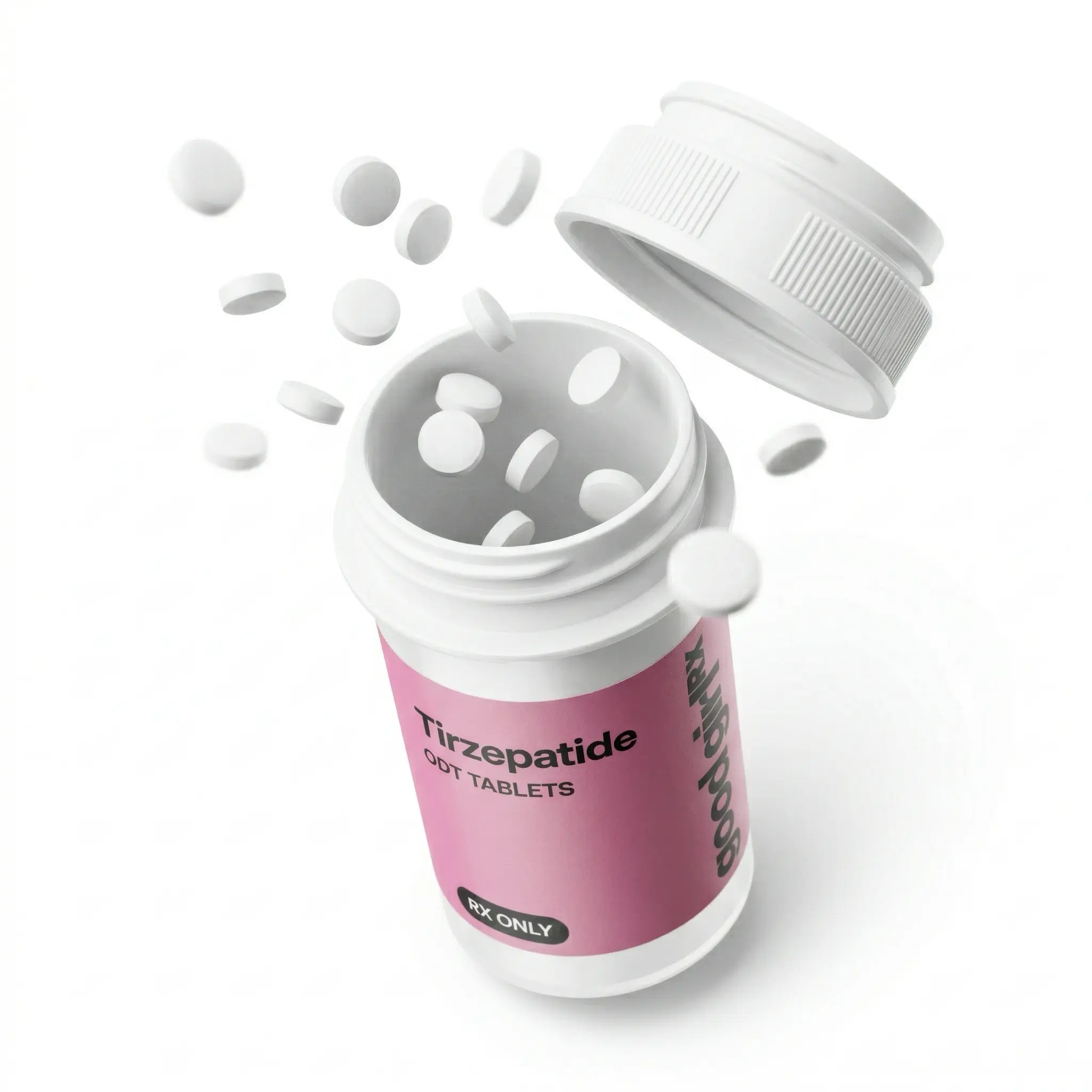
This is where modern medicine offers a genuine breakthrough. GLP-1 medications—and the newer dual-action GIP/GLP-1 agonists like tirzepatide—mimic the very hormones your body stops producing efficiently after weight loss. They work with your biology to quiet the hunger signals that sabotage your progress.
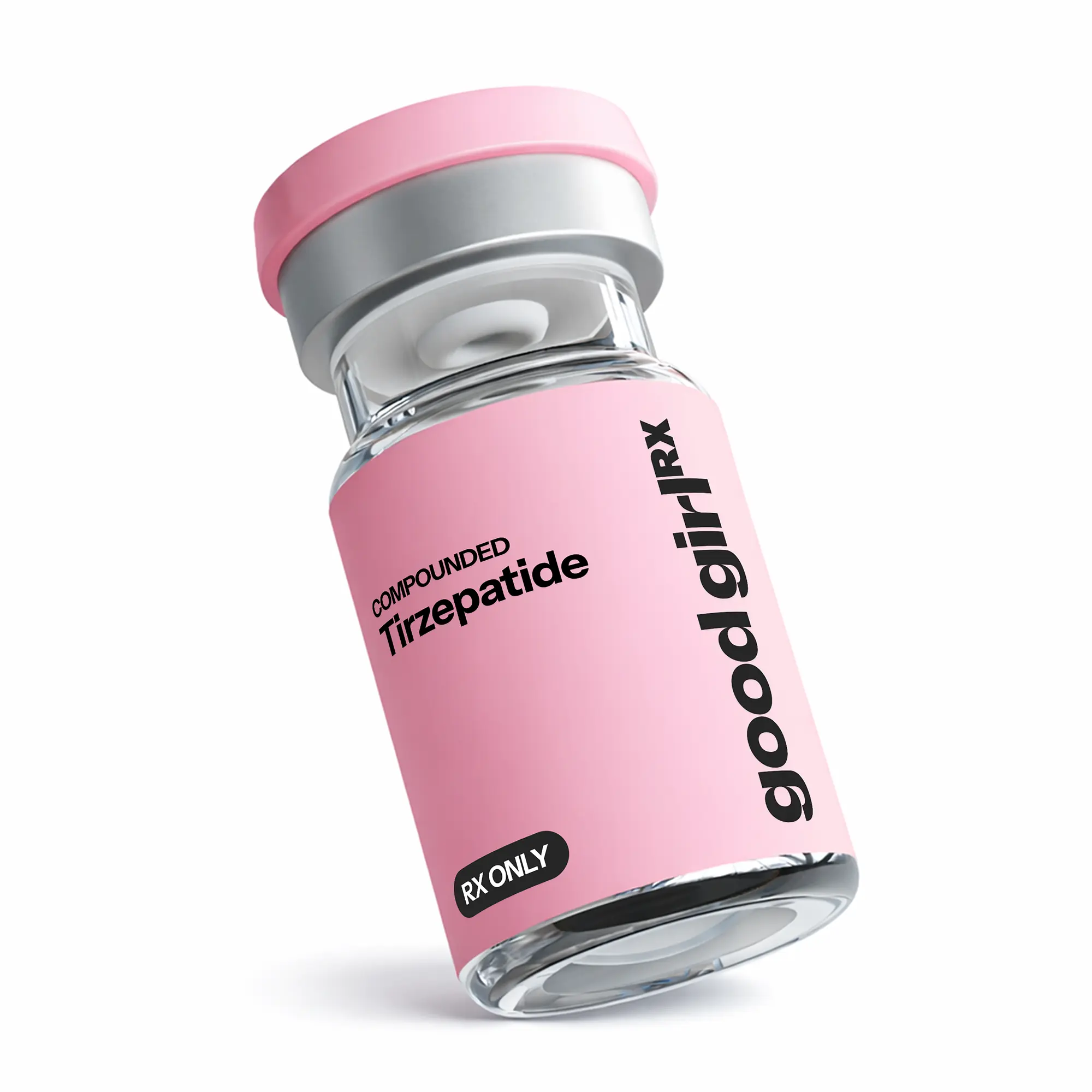
Tirzepatide targets two hormone receptors (GLP-1 and GIP), which is why clinical trials have shown it to be especially effective. It slows gastric emptying so you feel full longer, reduces food noise, and improves how your body manages blood sugar—all of which directly counteract the mechanisms driving your plateau.
For women who've stalled despite doing everything right, these medications can restore the hormonal balance that made weight loss possible in the first place. They're not a shortcut—they're a tool that levels the playing field against an adapting metabolism.
| Medication | How It Works | Best For |
|---|---|---|
| Tirzepatide (Mounjaro, Zepbound) | Dual GIP + GLP-1 receptor agonist | Women seeking maximum appetite control and plateau-breaking power |
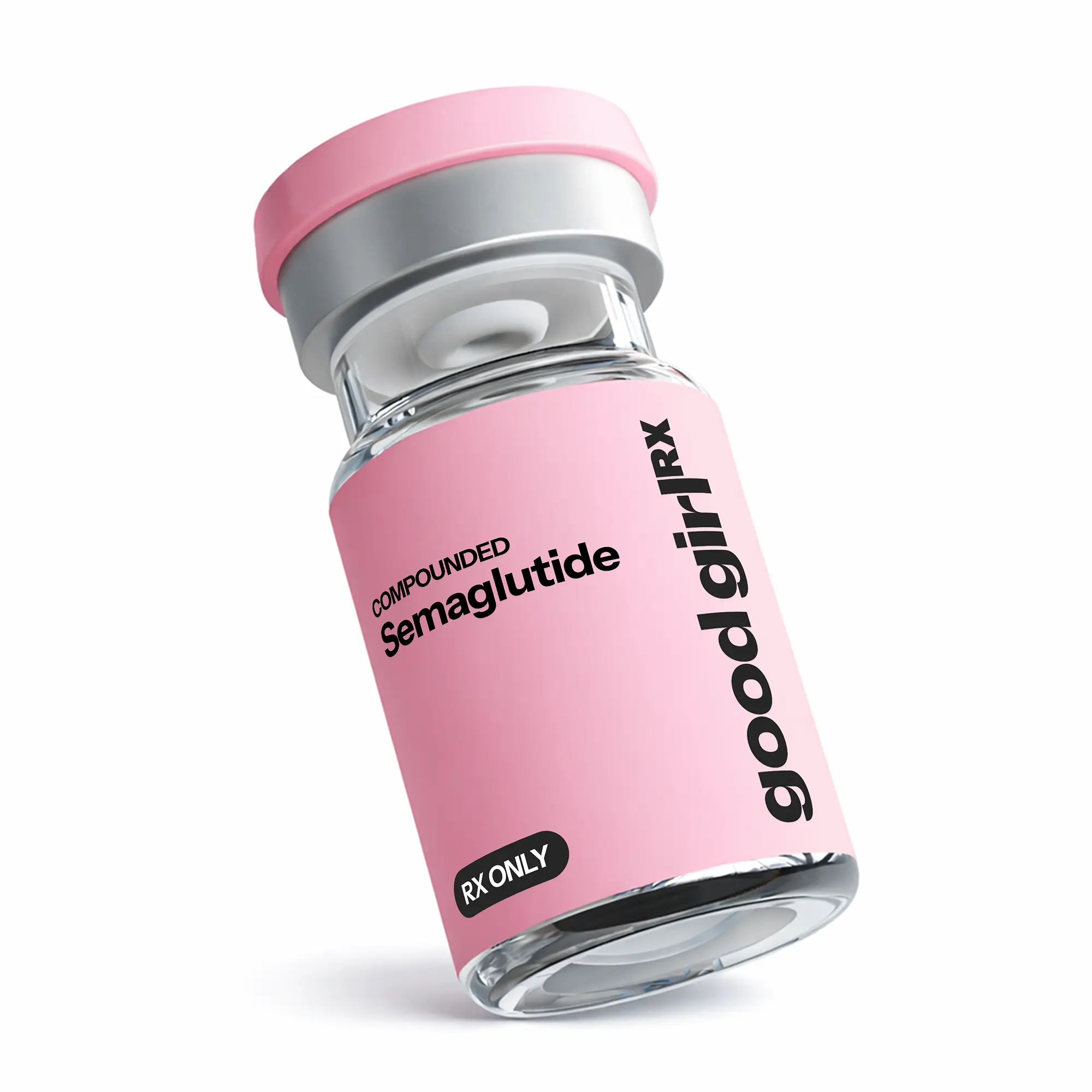
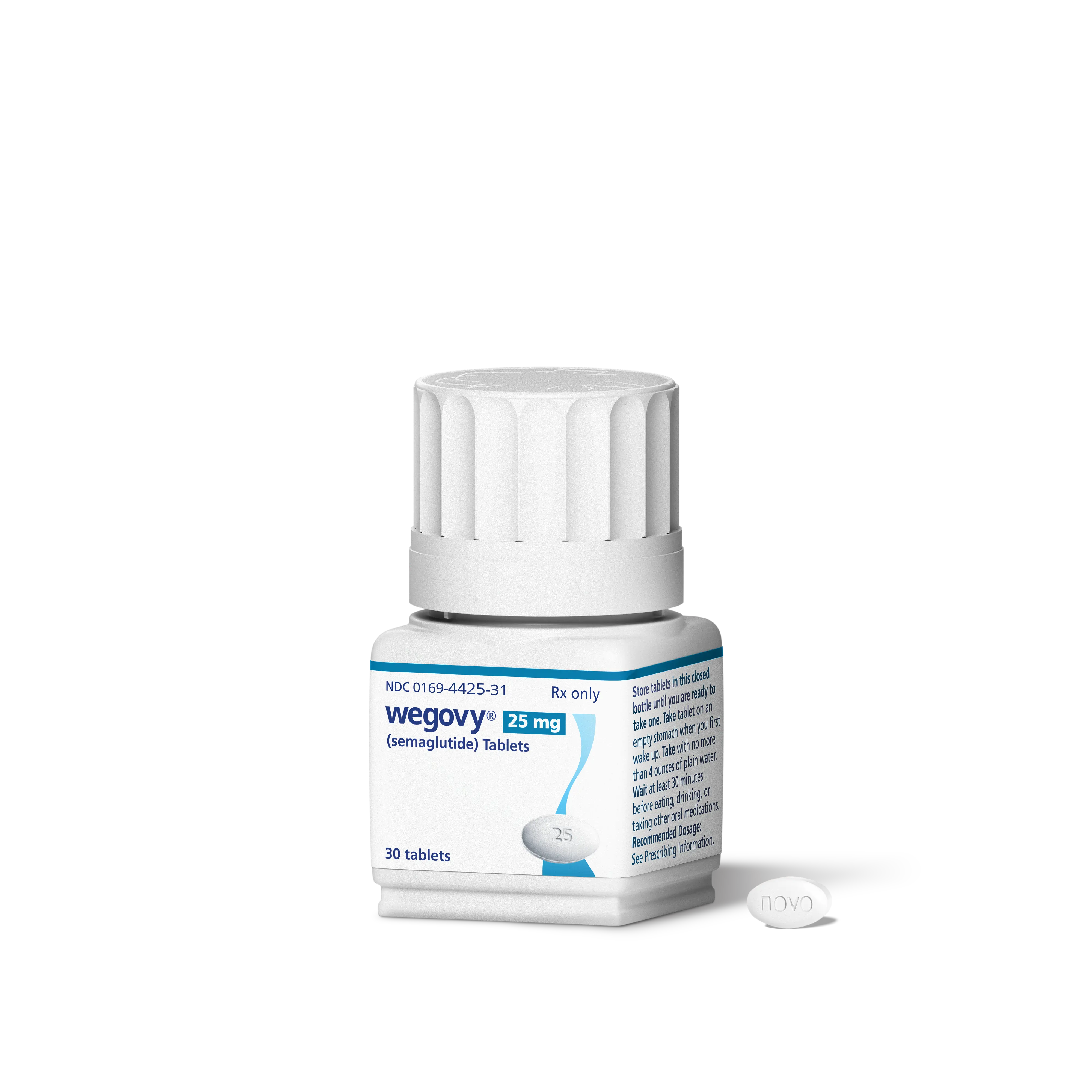
| Semaglutide (Ozempic, Wegovy) | GLP-1 receptor agonist | Women new to GLP-1 therapy or with milder appetite challenges |
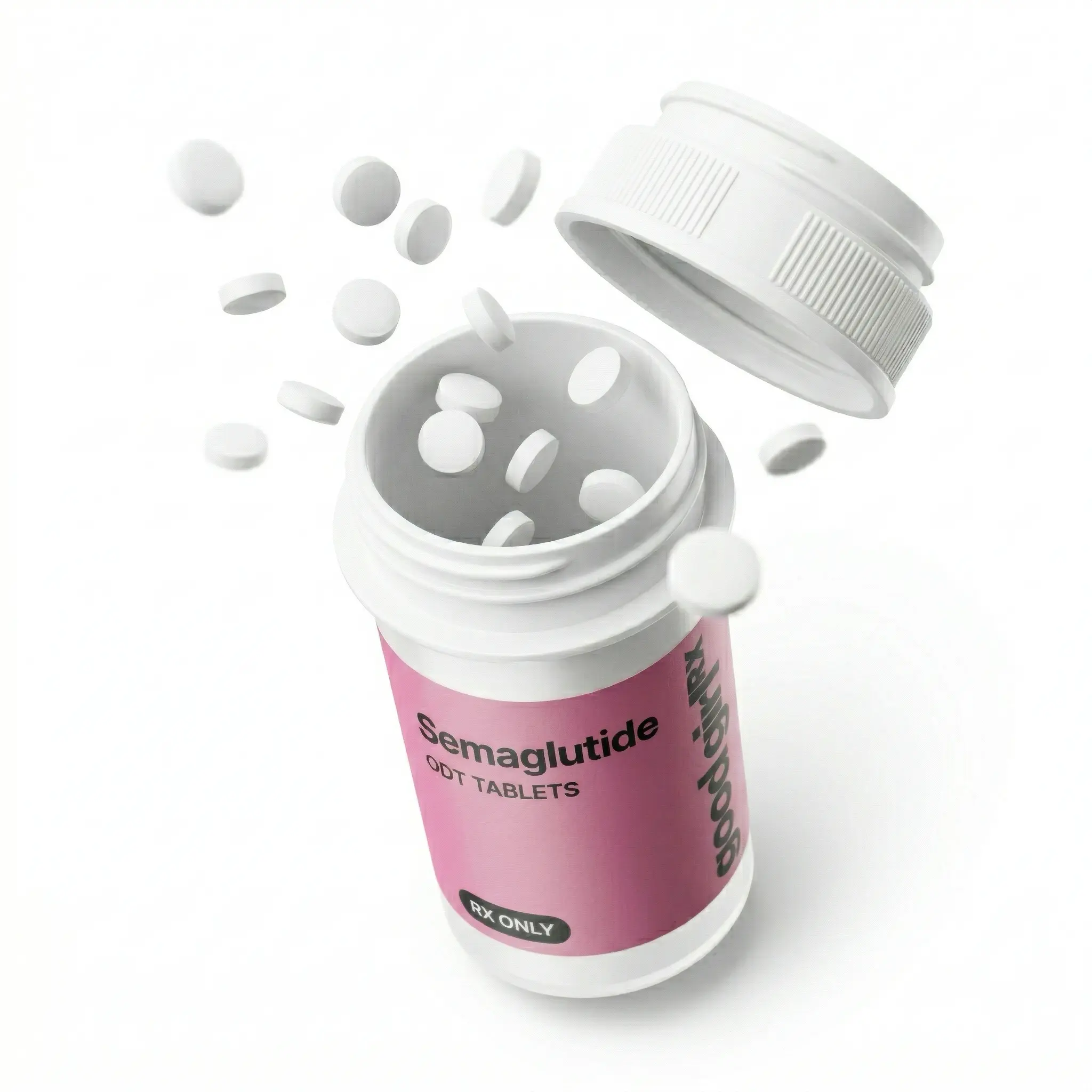
| Oral options | Daily pill formulations | Those who prefer to avoid injections |
Ready to Break Through Your Summer Plateau?
Tirzepatide's dual-action formula may be the reset your metabolism needs. Start your online visit today.
Try tirzepatide →Beyond Medication: Habits That Reignite Fat Loss
GLP-1 medications work best when paired with smart lifestyle strategies. The goal for women 35+ is to preserve muscle, manage stress, and stay consistent—even when the scale plays games.
Prioritize Protein and Strength Training
Aim for 0.7–1 gram of protein per pound of goal body weight daily. Protein preserves muscle, boosts satiety, and increases the calories you burn during digestion. Pair it with two to three strength-training sessions per week to protect the lean mass that keeps your metabolism humming.
Don't Skimp on Sleep and Recovery
Poor sleep raises cortisol and ghrelin while lowering leptin—a triple threat for plateaus. Aim for seven to nine hours, and treat rest days as seriously as workout days. Your metabolism recovers when you do.
- Recalculate your needs—your calorie target from 15 pounds ago is too high now
- Add resistance training to rebuild metabolism-boosting muscle
- Hydrate aggressively in the heat to reduce false plateaus from water retention
- Track liquid calories—summer drinks are sneaky deficit-killers
- Manage stress with walks, breathwork, or simply more downtime
Your Summer Plateau Isn't Permanent
A weight loss plateau in summer can feel discouraging, especially when you're working hard. But remember: your body adapting is proof that your earlier efforts worked. The challenge now is simply giving your metabolism a new reason to keep going.
For many women over 35, combining proven lifestyle habits with a GLP-1 medication like tirzepatide is the missing piece. It addresses the hormonal reality of your stall—something diet and exercise alone often can't fix once your body has adapted.
You don't have to white-knuckle your way through another stalled summer. With the right support, breaking through is absolutely within reach.
Let's Get You Moving Again
Take the first step toward breaking your plateau with a personalized online visit. Your provider will help find the right approach for you.
Get Started →Share this article

Ready to start your journey?
Complete your free online visit and see if GLP-1 treatment is right for you.
Get Started