

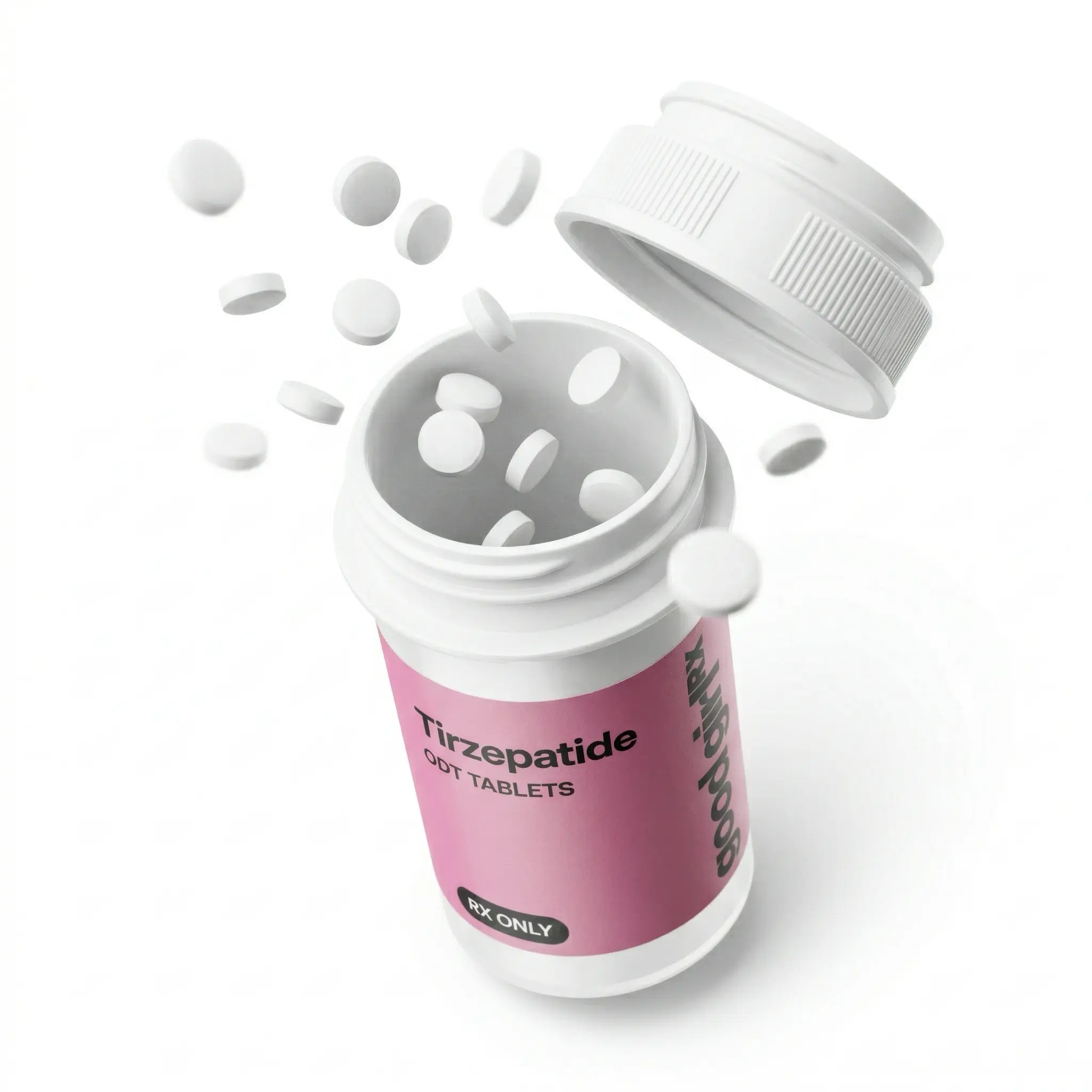
Does Semaglutide Cause Hair Loss? What Women Should Know

Written by James T.
Published August 17, 2026

If you've started a weight loss journey and noticed more strands than usual on your hairbrush, you're not imagining it. Semaglutide hair loss in women is one of the most searched — and most worried-about — side effects of GLP-1 medications. The good news? The connection is more nuanced (and far less scary) than most headlines suggest. In most cases, any shedding is temporary, tied to rapid weight change rather than the medication itself.
Whether you're on semaglutide, Ozempic, or Wegovy, understanding why hair loss happens helps you get ahead of it. Let's break down the real science, what women are actually experiencing, and the simple steps that protect your hair while you reach your goals.

Does Semaglutide Directly Cause Hair Loss?
Here's the reassuring truth: semaglutide does not directly attack your hair follicles. There's no ingredient in the medication that targets hair growth. Instead, hair loss reported by women on semaglutide is almost always a form of telogen effluvium — a temporary shedding triggered by a significant physical stressor on the body.
In clinical trials for Wegovy (semaglutide 2.4 mg), hair loss was reported in about 3% of participants, compared to roughly 1% in the placebo group. That's a small difference — and notably, the people who reported it tended to be those losing weight the fastest. In other words, the rapid weight loss, not the drug, was the likely culprit.
The key phrase here is reversible. Telogen effluvium doesn't cause permanent baldness. Once your body adjusts and the underlying stressor eases, your follicles wake back up and resume normal growth — typically within 3 to 6 months.
Why Rapid Weight Loss Triggers Shedding
Any time the body loses weight quickly — through semaglutide, tirzepatide, bariatric surgery, or aggressive dieting — it can experience a metabolic shock. Hair is considered a non-essential tissue by the body, so it's one of the first things to be deprioritized when resources feel scarce.
Because GLP-1 medications significantly reduce appetite, some women unintentionally eat too little or miss out on key nutrients that hair depends on. Protein, iron, zinc, biotin, and vitamin D are all essential for a healthy hair cycle — and they're easy to fall short on when you're simply eating less overall.
“Hair loss during weight loss is rarely about the medication itself — it's the body's response to rapid change and shifting nutrition. Support the body, and the hair follows.”
Nutrients Your Hair Needs Most
- Protein — hair is made of keratin, a protein. Aim for a source at every meal.
- Iron — low iron (ferritin) is one of the most common causes of hair shedding in women.
- Zinc — supports follicle repair and the hair growth cycle.
- Biotin & B vitamins — help metabolize nutrients your follicles rely on.
- Vitamin D — plays a role in creating new hair follicles.
- Omega-3 fatty acids — nourish the scalp and support shine and strength.
Start Your Semaglutide Journey the Right Way
With provider-guided care and nutrition support, you can lose weight and protect your hair. Begin your online visit today.
Try semaglutide →How Common Is Hair Loss on Semaglutide, Really?
It's easy to feel alarmed reading online forums, but data helps put it in perspective. Reported rates are relatively low, and shedding is typically temporary. Here's how semaglutide hair loss in women compares across common GLP-1 medications based on clinical trial reporting.
| Medication | Reported Hair Loss | Placebo Comparison | Typical Duration |
|---|---|---|---|
| Semaglutide (Wegovy) | ~3% | ~1% | Temporary (3-6 mo) |
| Tirzepatide (Zepbound) | ~5% | ~1% | Temporary (3-6 mo) |
| Diet-only weight loss | Common with rapid loss | N/A | Temporary (3-6 mo) |
Notice that even with diet-only rapid weight loss, hair shedding is a well-documented phenomenon. This strongly supports the idea that the pace and magnitude of weight change — not the specific medication — is what drives most shedding.

How to Prevent and Reverse Hair Loss on Semaglutide
The best strategy is prevention — supporting your body before shedding starts. But even if you're already noticing extra strands, there's a lot you can do to help your hair bounce back. Most women see regrowth once their nutrition stabilizes and their weight loss settles into a sustainable rhythm.
Practical Steps That Help
- Don't rush the dose. Follow your provider's titration schedule so weight loss is gradual, not shocking to the system.
- Eat enough — and eat well. Even with reduced appetite, prioritize protein and nutrient-dense foods over empty calories.
- Get your labs checked. Ask your provider about ferritin, vitamin D, B12, and thyroid levels if shedding is significant.
- Consider targeted supplements like B12 or a well-formulated multivitamin, if recommended by your provider.
- Be gentle with your hair. Avoid tight styles, excessive heat, and harsh treatments while your follicles recover.
- Stay patient. Regrowth takes time — new hairs often appear within a few months once the trigger resolves.
Some women also find that vitamin and nutrient support helps them feel their best during their weight loss journey. Options like B12 injections or glutathione support overall wellness — and a well-nourished body is a body that grows healthier hair.
The Bottom Line for Women on Semaglutide
So, does semaglutide cause hair loss? Not directly — and when shedding does happen, it's almost always temporary and reversible. The real driver is rapid weight change and the nutritional shifts that come with eating less. That means you have a lot of control over the outcome.
By losing weight at a steady pace, prioritizing protein and micronutrients, and working closely with your provider, most women protect their hair while still reaching their goals. If you're considering semaglutide or another GLP-1 option, going in with a smart, supported plan makes all the difference.
“You shouldn't have to choose between reaching your goals and feeling like yourself. With the right support, you can do both.”
Ready to Reach Your Goals — With Support Every Step
Get provider-guided weight loss care designed for women. Start your confidential online visit today.
Get Started →Share this article

Ready to start your journey?
Complete your free online visit and see if GLP-1 treatment is right for you.
Get Started