

Emotional Eating & Weight Loss for Women: Late Summer Guide

Written by Taylor B.
Published August 12, 2026

The last golden weeks of summer come with their own kind of pressure. School schedules loom, work ramps back up, and the calm of vacation season starts to unravel. For many of us, that rising tension shows up in the pantry at 9 p.m. If you've ever reached for a snack you weren't hungry for, you already understand that emotional eating and weight loss for women are deeply connected. The good news? Late summer is the perfect window to build habits before fall stress hits its stride.

Emotional eating isn't a willpower failure. It's a learned coping mechanism — your brain reaching for the fastest source of comfort it knows. Understanding the biology behind cravings is the first step to loosening their grip, and it's far more empowering than another round of self-blame.
Why Emotional Eating Spikes Before Fall
When stress rises, your body releases cortisol, a hormone that increases appetite and specifically drives cravings for high-fat, high-sugar foods. Late summer is a notorious trigger point: routines shift, kids head back to school, and the mental load of a busy autumn starts building weeks in advance.
Research shows women are especially vulnerable to stress-driven eating due to hormonal fluctuations throughout the menstrual cycle and beyond. Add shorter daylight hours on the horizon, and your serotonin levels may dip too — nudging you toward carbohydrate-rich comfort foods that temporarily boost mood.
This is why the transition into fall can quietly derail progress. The cravings feel urgent and physical because, biochemically, they are. But knowing your triggers means you can build a plan that works with your body instead of against it.
How to Tell Physical Hunger From Emotional Hunger
One of the most powerful skills for emotional eating weight loss in women is learning to pause and ask a simple question: Am I actually hungry, or am I feeling something? Physical and emotional hunger feel different once you know what to look for.
| Signal | Physical Hunger | Emotional Hunger |
|---|---|---|
| Onset | Gradual, builds over time | Sudden and urgent |
| Cravings | Open to many foods | Specific comfort foods |
| Location | Felt in the stomach | Felt in the head or mood |
| Satisfaction | Stops when full | Rarely feels satisfied |
| Aftermath | No guilt | Often followed by guilt |
When you notice emotional hunger, try the 20-minute pause. Set a timer, drink water, and do something with your hands. Often the urge passes — because it was never about food to begin with.
“You are not failing when you crave comfort. You are a human being with a nervous system doing exactly what it was designed to do. The goal isn't perfection — it's awareness.”
Practical Strategies to Manage Cravings This Season
You don't need to overhaul your entire life to get ahead of fall stress. Small, consistent shifts create the biggest impact when it comes to emotional eating and weight loss. Start with the strategies that feel most doable right now.
- Front-load protein and fiber. A breakfast rich in protein stabilizes blood sugar and reduces afternoon cravings dramatically.
- Name the emotion. Before you eat, label what you're feeling — bored, anxious, lonely, tired. Naming it reduces its intensity.
- Build a non-food comfort menu. A warm shower, a walk, calling a friend, or five minutes of stretching can meet the underlying need.
- Protect your sleep. Fatigue increases the hunger hormone ghrelin and lowers your resistance to cravings.
- Keep trigger foods out of arm's reach. You don't have to ban them — just add friction so a craving requires a conscious choice.
Ready to Quiet the Food Noise?
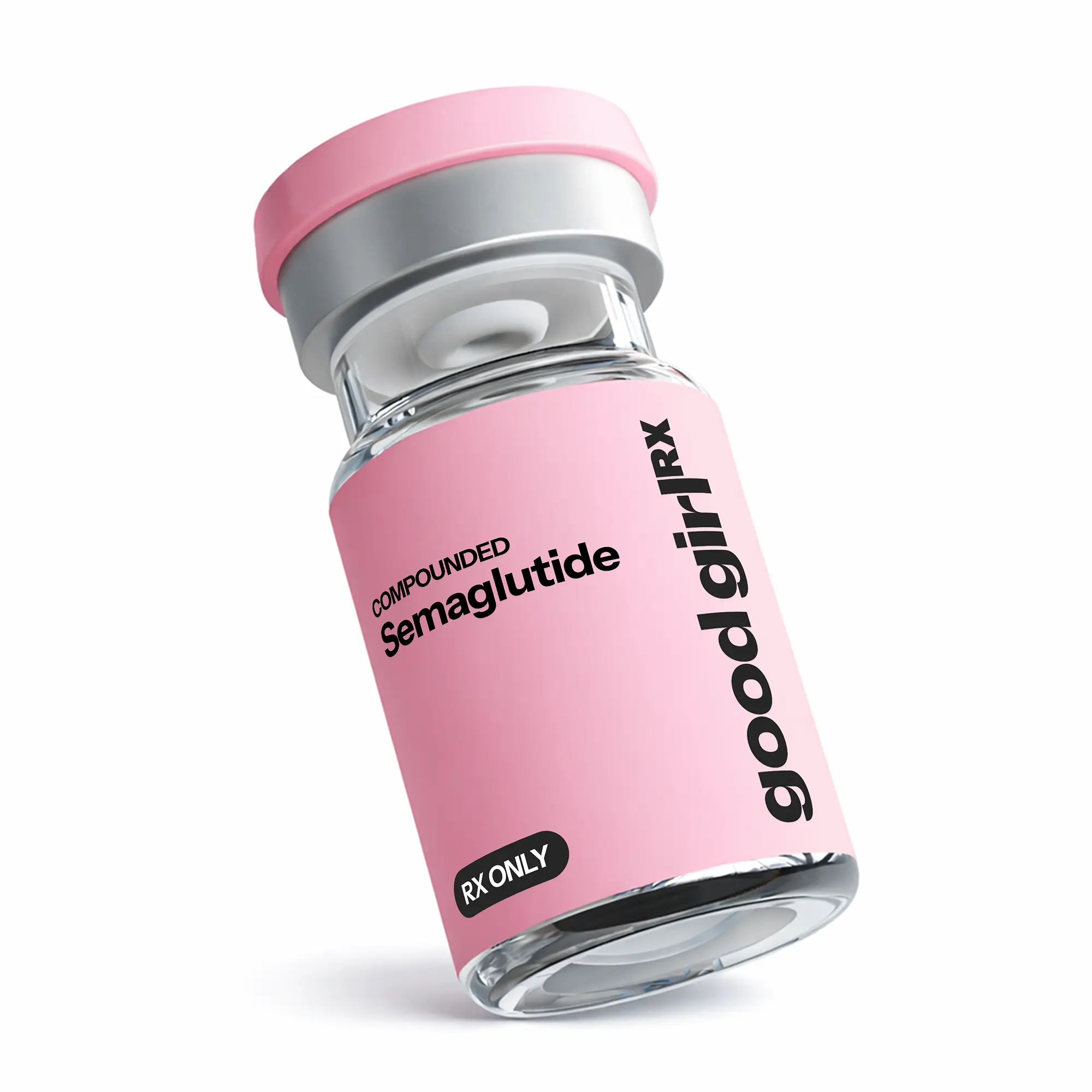
Medications like semaglutide can help reduce cravings and appetite signals so you can focus on building healthy habits. Start your online visit today.
Try semaglutide →How Semaglutide Supports Appetite and Craving Control
For some women, behavioral strategies alone aren't enough to quiet persistent food noise — that constant background hum of thinking about food. This is where medical support can make a meaningful difference. Semaglutide is a GLP-1 receptor agonist, a class of medications originally developed for type 2 diabetes and now widely studied for weight management.
GLP-1 medications work by mimicking a hormone your gut naturally produces after eating. They slow digestion, help you feel full longer, and — importantly for emotional eaters — appear to reduce the reward-driven cravings that lead to eating when you're not physically hungry.
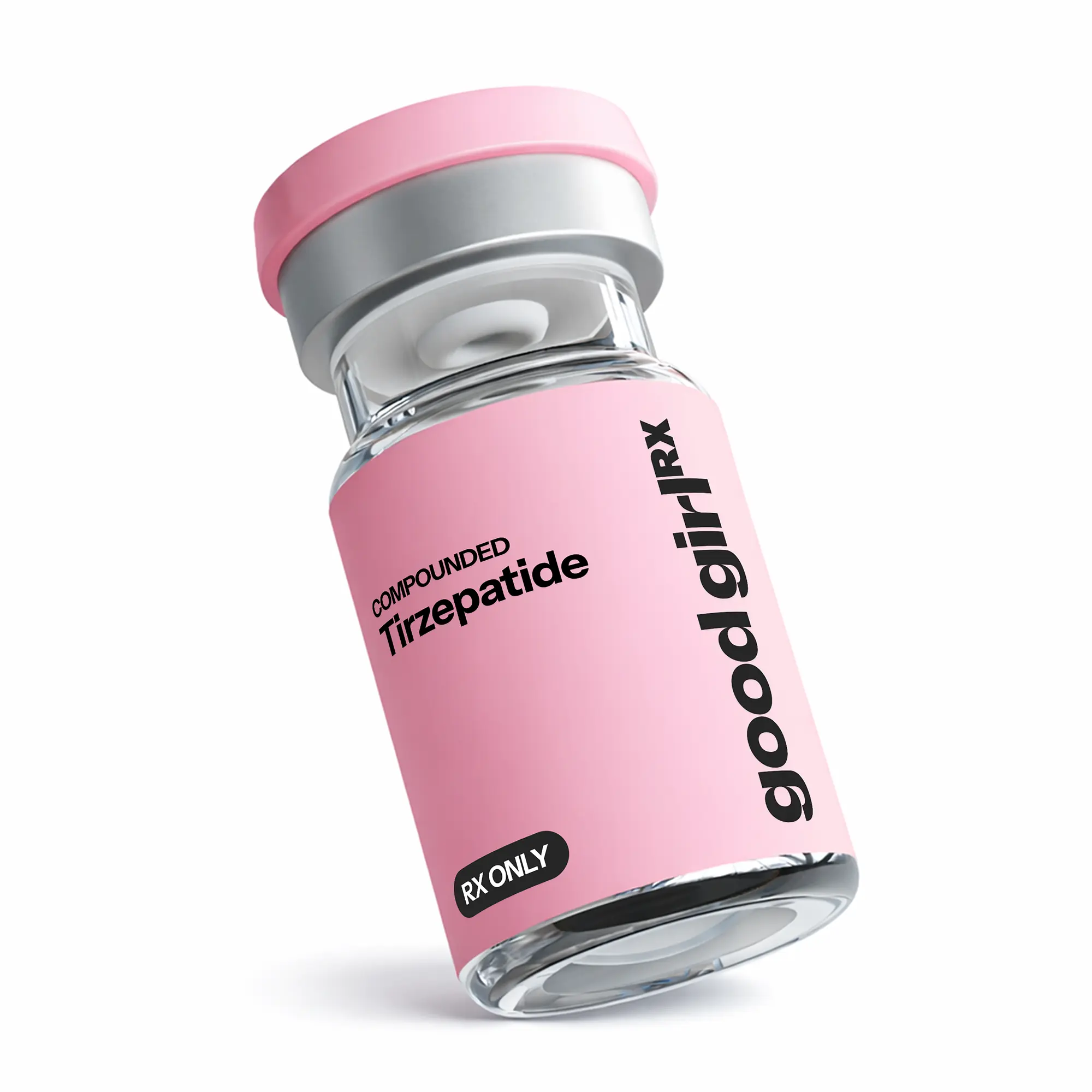
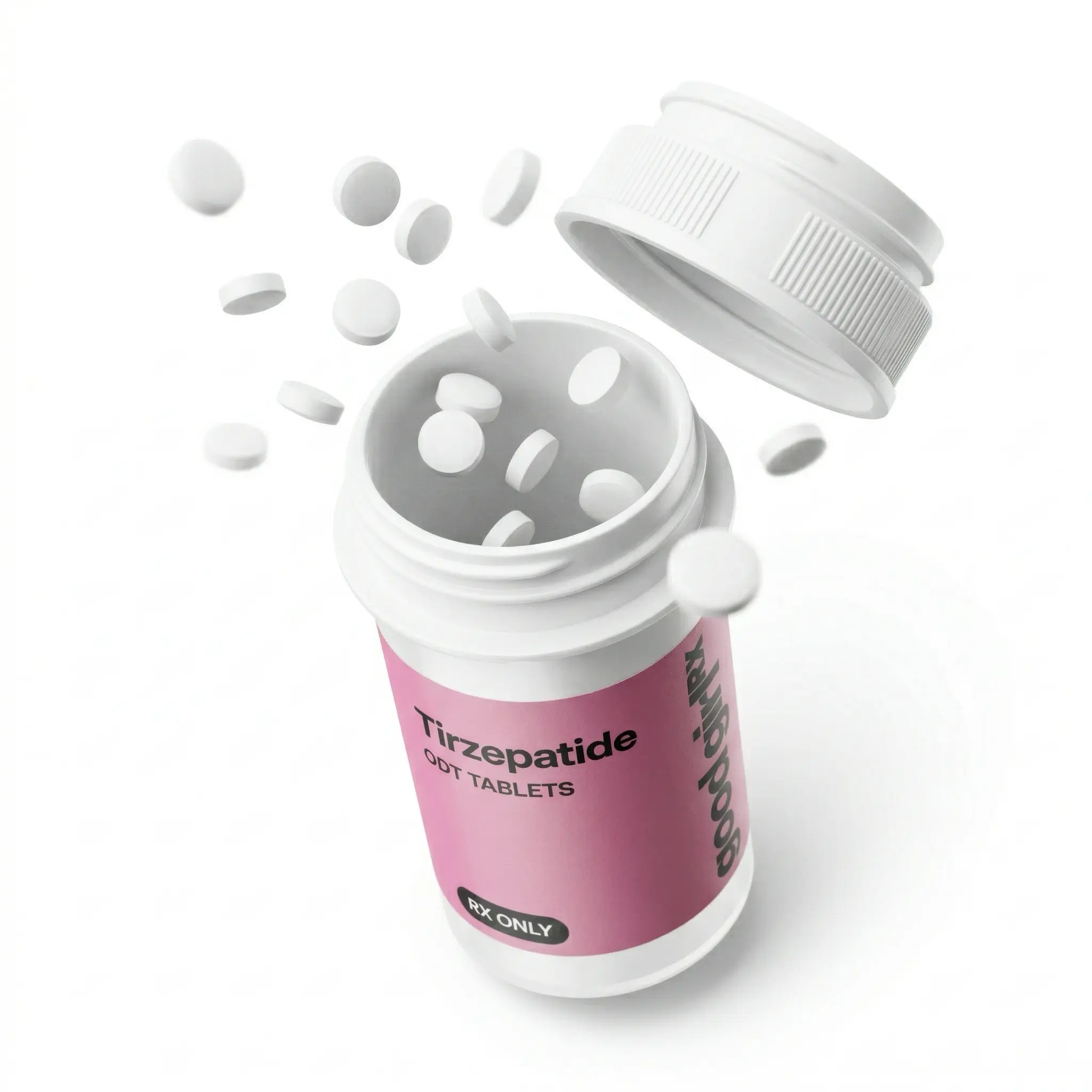
Many women describe the experience as finally having quiet around food. The relentless mental chatter softens, making it easier to apply the mindfulness strategies that felt impossible before. When combined with behavioral tools, medications like semaglutide or tirzepatide can be part of a comprehensive plan for weight loss — always under the guidance of your provider.
| Medication | How It's Taken | Primary Mechanism |
|---|---|---|
| Semaglutide | Weekly injection | GLP-1 receptor agonist |
| Tirzepatide | Weekly injection | Dual GIP/GLP-1 agonist |
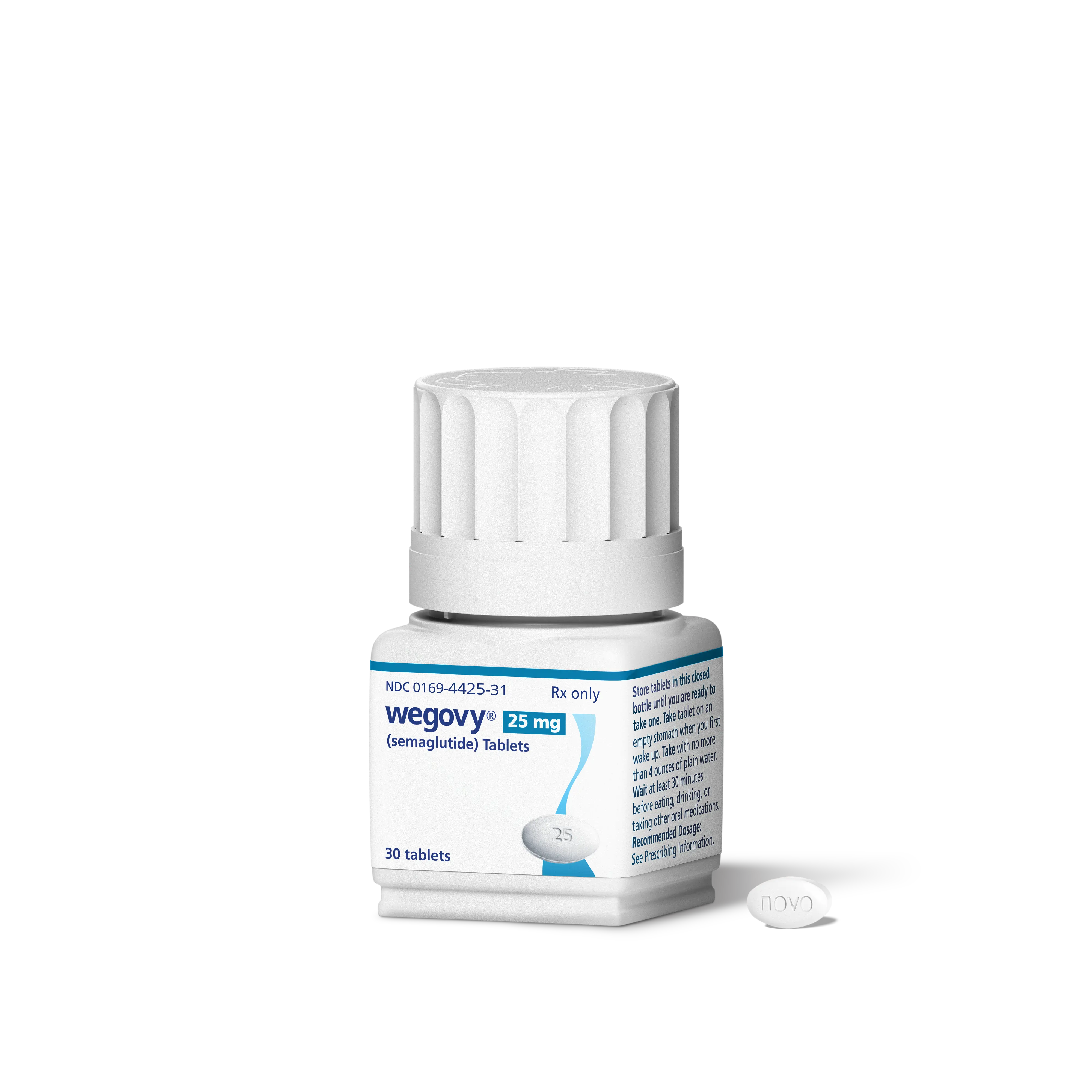
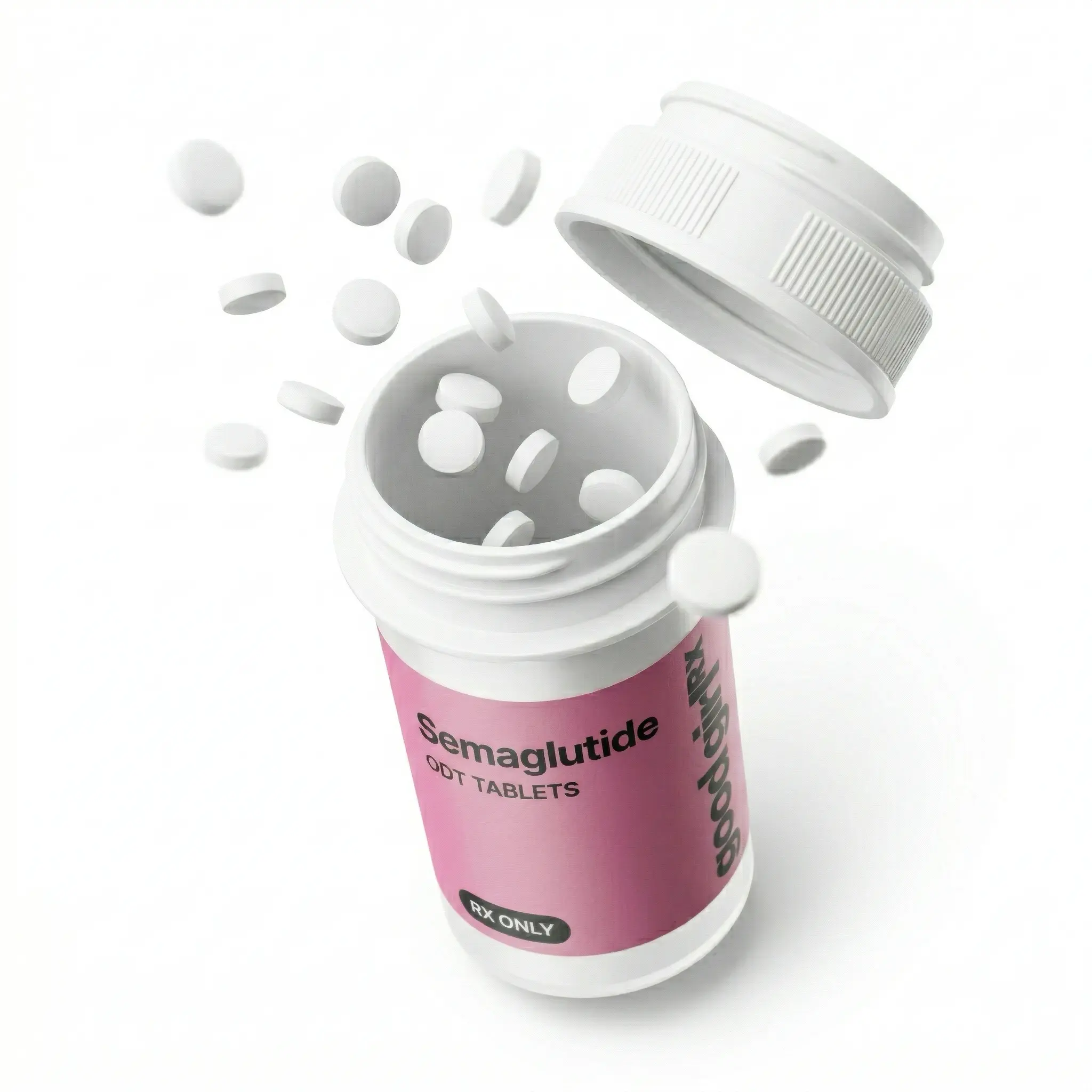
| Oral options | Daily pill | GLP-1 pathway support |
Building a Sustainable Routine for Fall
The women who navigate seasonal stress most successfully aren't the ones with the most discipline — they're the ones with the best systems. As you move from late summer into autumn, focus on structure that runs on autopilot when your energy is low.
Anchor your day with a few non-negotiables: a consistent wake time, a protein-rich breakfast, a daily walk, and a wind-down routine that protects your sleep. These anchors stabilize your mood and blood sugar, which directly reduces the intensity of emotional cravings.
And give yourself grace. Progress with emotional eating and weight loss for women isn't linear. One hard evening doesn't erase your effort. What matters is the direction you're heading — and the fact that you're building these skills now, before fall demands your full attention.
Your Fall Reset Starts Today
Take a few minutes to complete an online visit and see whether a personalized weight management plan is right for you. Empowered, confidential, and built around your goals.
Get Started →Late summer is a gift — a quieter moment to prepare before the season turns. By understanding your triggers, practicing mindful pauses, and considering medical support when needed, you can walk into fall feeling steady, capable, and in control of your relationship with food.
Share this article

Ready to start your journey?
Complete your free online visit and see if GLP-1 treatment is right for you.
Get Started