

GLP-1 Side Effects in Women: What's Normal vs Concerning

Written by Nicole S.
Published February 28, 2026

Key Takeaways
Starting a GLP-1 medication for weight loss can feel like stepping into uncharted territory, especially when you're not sure what side effects are normal versus concerning. You're not alone in wondering whether that nausea or fatigue you're experiencing is just part of the process or something that needs attention. Understanding GLP-1 side effects in women can help you feel more confident and prepared as you begin this transformative journey.
GLP-1 medications work by mimicking hormones that naturally regulate blood sugar and slow digestion, which is why many side effects center around your digestive system. The good news? Most side effects are temporary and tend to improve as your body adjusts to the medication.
Common GLP-1 Side Effects Women Experience
The most frequently reported side effects include nausea, which affects up to 20% of women starting GLP-1 therapy. You might also experience vomiting, diarrhea, constipation, or stomach pain during the first few weeks of treatment.
Fatigue and headaches are also common, particularly as your eating patterns change and your body adapts to processing food differently. Some women report feeling dizzy or having difficulty concentrating initially, which often improves as you establish new eating routines.
These digestive and energy-related symptoms typically peak during the first 2-4 weeks of treatment and gradually subside as your body adjusts to the medication.
Are GLP-1 Side Effects Different for Women?
Women may experience some unique considerations when it comes to GLP-1 side effects. Hormonal fluctuations throughout your menstrual cycle can influence how you respond to the medication, with some women reporting that symptoms feel more intense during certain times of the month.
Pregnancy and breastfeeding are important considerations, as GLP-1 medications are not recommended during these times. If you're planning to become pregnant, it's crucial to discuss timing with your healthcare provider, as you'll need to stop the medication before trying to conceive.
Women with a history of eating disorders should also work closely with their healthcare team, as the appetite suppression effects of GLP-1 medications require careful monitoring to ensure healthy eating patterns are maintained.
When Should You Be Concerned About Side Effects?
While most GLP-1 side effects in women are manageable, certain symptoms warrant immediate medical attention. Severe abdominal pain that doesn't improve could indicate pancreatitis, a rare but serious condition.
Signs of severe dehydration from persistent vomiting or diarrhea, such as dizziness when standing, dark urine, or extreme fatigue, require prompt medical care. Any symptoms of allergic reactions, including difficulty breathing, swelling, or severe rash, need emergency treatment.
If you have a personal or family history of thyroid cancer or multiple endocrine neoplasia syndrome, discuss any neck swelling or difficulty swallowing with your provider immediately.
How Good Girl Rx Supports You Through Side Effects
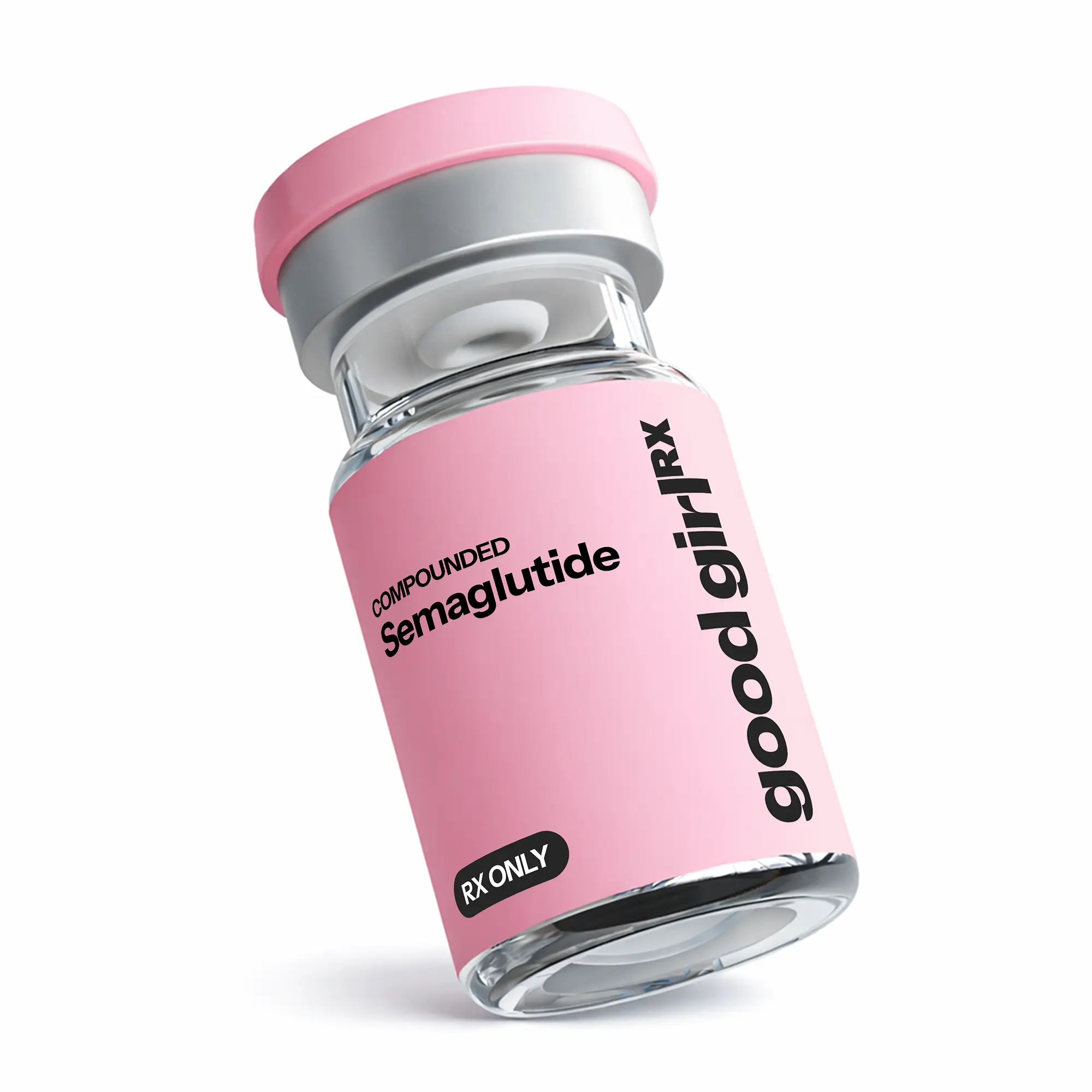
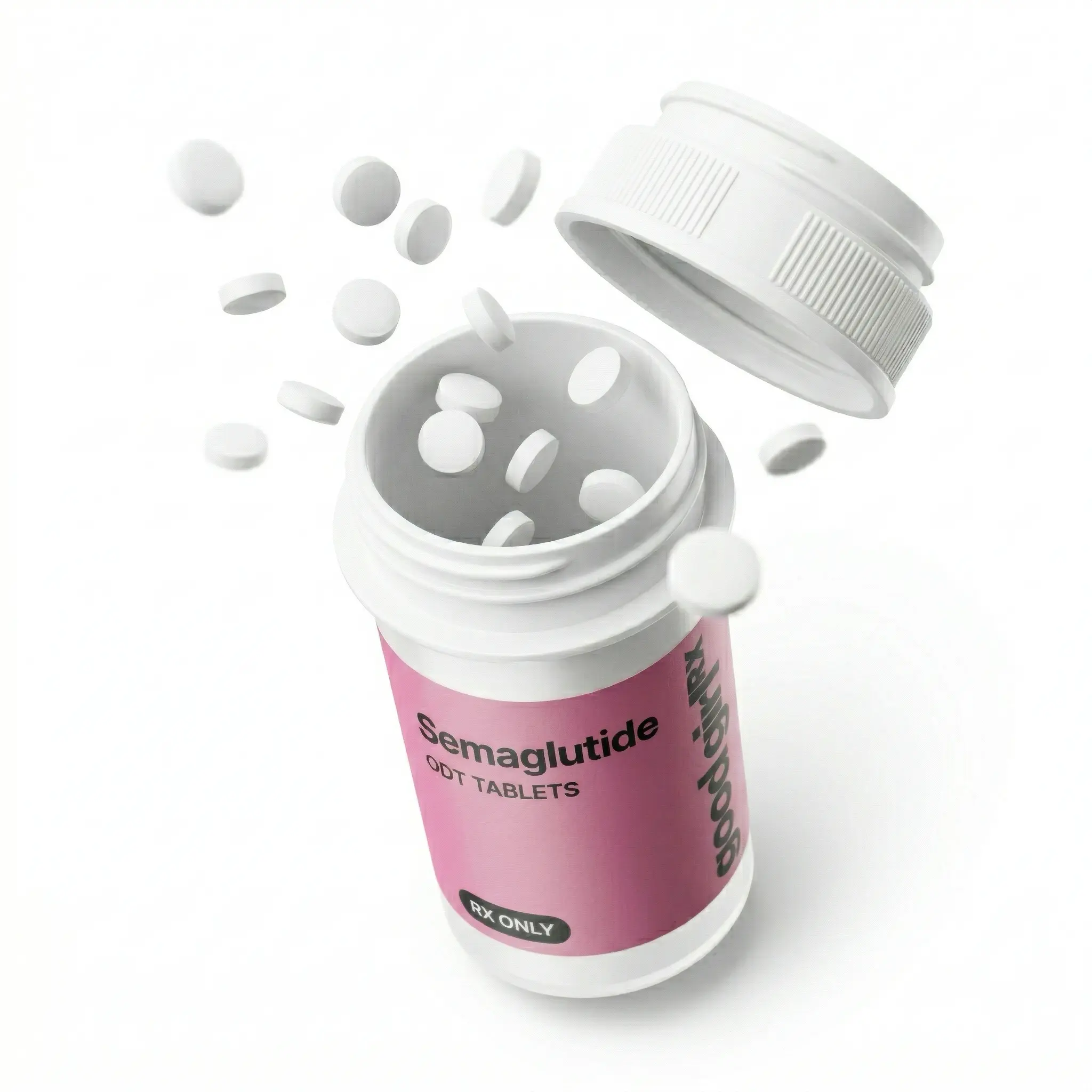
At Good Girl Rx, we understand that navigating side effects can feel overwhelming, which is why our approach focuses on comprehensive support throughout your journey. Our semaglutide program includes detailed guidance on managing common side effects and when to seek additional support.
Our healthcare providers work with state-licensed pharmacies to prepare personalized compounded medications in accordance with FDA regulations, allowing for dosage adjustments that can minimize side effects while maintaining effectiveness. We also provide ongoing monitoring through our patient portal, where you can report symptoms and receive guidance from licensed medical professionals.
The combination of medical expertise and personalized care means you're never navigating side effects alone – our team is always available to help you distinguish between normal adjustment periods and symptoms that need attention.
Practical Tips for Managing GLP-1 Side Effects
Start by eating smaller, more frequent meals to help reduce nausea and digestive discomfort. Focus on bland, easily digestible foods during the first few weeks, and avoid high-fat or spicy foods that might trigger symptoms.
Stay well-hydrated, especially if you're experiencing any digestive side effects. Ginger tea or supplements can help with nausea, while gentle movement like short walks can aid digestion and reduce fatigue.
Keep a symptom diary to track patterns and identify triggers. This information is invaluable for your healthcare provider in adjusting your treatment plan if needed. Remember, results may vary from person to person, and what works for one woman may not work for another.
Don't hesitate to reach out to your healthcare team with questions or concerns – managing side effects effectively is a crucial part of your success with GLP-1 therapy.
Understanding what's normal versus concerning when it comes to GLP-1 side effects empowers you to make informed decisions about your health and weight loss journey. Most side effects are temporary and manageable with the right support and strategies. Ready to see if treatment is right for you? Start your free online visit at Good Girl Rx today.
Share this article

Ready to start your journey?
Complete your free online visit and see if GLP-1 treatment is right for you.
Get Started