

Glutathione Skin Brightening for Women Over 40

Written by Aria C.
Published August 28, 2026
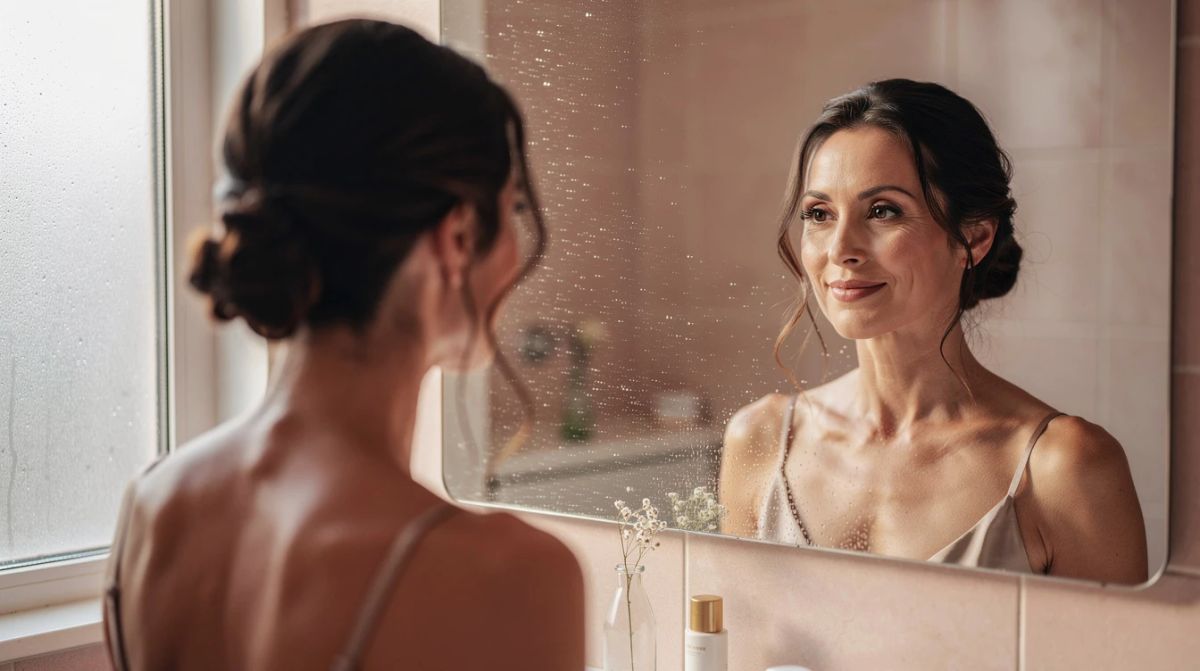
If you've noticed your skin looking a little duller, blotchier, or more uneven lately, you're not imagining it. As we age, our natural antioxidant reserves decline — and that's exactly why glutathione skin brightening for women over 40 has become one of the most talked-about topics in anti-aging. This powerful master antioxidant plays a starring role in how radiant, even, and youthful your skin looks over time.
But between the glowing testimonials and the skeptical dermatologists, it can be hard to know what's real. Let's cut through the noise and look at what the science actually says — no hype, just honest, girlfriend-to-girlfriend clarity.
What Is Glutathione, Really?
Glutathione is a naturally occurring molecule made of three amino acids — cysteine, glutamine, and glycine. Your body produces it in nearly every cell, where it works as a master antioxidant, neutralizing free radicals and supporting detoxification pathways in the liver.
Here's the catch: your natural glutathione levels peak in your twenties and steadily decline with age. Oxidative stress, sun exposure, poor sleep, and hormonal shifts around perimenopause all accelerate that drop. That decline is one reason skin can start to look tired and less luminous after 40.
How Glutathione Affects Skin Tone and Brightness
The brightening reputation of glutathione comes down to how it interacts with melanin — the pigment responsible for your skin's color. Glutathione is thought to influence the enzyme tyrosinase, which is essential for melanin production.
In simple terms, glutathione may shift melanin production toward pheomelanin (a lighter, red-yellow pigment) rather than eumelanin (a darker brown-black pigment). The result many women report is a more even, luminous, and radiant complexion — not a dramatically lighter skin color, but a healthier-looking glow with fewer dark patches.
What the Research Shows
Several clinical trials have explored glutathione and skin appearance. A frequently cited randomized study found that participants taking oral glutathione showed measurable reductions in melanin index at certain body sites over several weeks. Other research on topical and intravenous forms has shown similar trends toward improved skin lightness and reduced hyperpigmentation.
That said, researchers are honest about the limits: many studies are small, short-term, and vary widely in dosage and delivery method. The most consistent finding is that glutathione appears most beneficial for uneven tone, dullness, and sun-related pigmentation rather than acting as a magic eraser.
“Glutathione's role in skin appearance is best understood as supporting a healthier, more even complexion from the inside out — not as an overnight transformation.”
| Method | How It Works | Considerations |
|---|---|---|
| Oral capsules | Absorbed through the digestive tract | Convenient; absorption can vary between individuals |
| Injectable (subcutaneous) | Delivered directly for higher bioavailability | Prescribed and guided by a licensed provider |
| Topical creams | Applied to skin surface | Best for targeted areas; limited deep penetration |
| IV infusions | Delivered into the bloodstream | Requires clinical setting; higher cost |
Bioavailability — how much of the antioxidant your body actually absorbs and uses — is a key reason many providers favor injectable glutathione over some oral formulations. Working with a licensed provider ensures you get the delivery method and dose that fits your goals.
Ready for a Brighter, More Even Glow?
Start an online visit and let a licensed provider help you decide if glutathione therapy is right for your skin goals over 40.
Explore glutathione →Why Women Over 40 May Benefit Most
The decade after 40 brings a perfect storm for skin: declining estrogen, slower cell turnover, accumulated sun damage, and — you guessed it — falling glutathione levels. This combination often shows up as age spots, sallowness, and uneven texture.
Replenishing glutathione may support your skin's antioxidant defenses during exactly the years it needs the most help. Beyond brightening, women often appreciate the broader antioxidant support for overall cellular health and that lit-from-within look.
- Uneven tone and dark spots from years of sun exposure
- Dullness and sallowness as cell turnover slows
- Oxidative stress from stress, poor sleep, and environmental factors
- Declining natural glutathione production with age
- Desire for antioxidant support that works from the inside out
How to Use Glutathione Safely and Effectively
Glutathione is generally considered well-tolerated, but more is not always better. The right dose, form, and duration depend on your individual health history — which is why this is a conversation to have with your provider rather than a self-guided experiment.
Consistency matters more than intensity. Many women notice the most meaningful changes in tone and radiance after several weeks of steady use, combined with sun protection, hydration, and healthy lifestyle habits. If you're also focused on energy and vitality, some women layer in complementary therapies like NAD+ or a glutathione protocol under provider guidance.
Who Should Talk to a Provider First
- Anyone who is pregnant or breastfeeding
- Women with existing liver or kidney conditions
- Those taking multiple medications or supplements
- Anyone with a history of allergic reactions to injectables
A licensed provider can review your health, discuss realistic expectations, and recommend whether glutathione — or a different anti-aging approach — makes the most sense for you. Remember, results may vary from woman to woman.
“The most beautiful skin comes from a plan that fits you — not a one-size-fits-all promise.”
The Bottom Line on Glutathione Skin Brightening
So, does glutathione skin brightening for women over 40 live up to the buzz? The honest answer: it shows genuine promise for supporting a more even, radiant complexion, particularly for age-related dullness and pigmentation. It's not a bleaching agent or a miracle cure — it's an antioxidant that helps your skin do what it does best, with a little reinforcement.
For women navigating the skin changes of their 40s and beyond, glutathione can be a thoughtful addition to a well-rounded routine that includes sun protection, hydration, and healthy habits. The key is working with a provider who can personalize the approach to you.
Your Glow-Up Starts Here
Take the first step toward brighter, more even skin. Complete a quick online visit and connect with a licensed provider about glutathione therapy.
Explore glutathione →Share this article

Ready to start your journey?
Complete your free online visit and see if GLP-1 treatment is right for you.
Get Started