

How Compounded Pharmacies Work: Your Complete Guide

Written by Taylor B.
Published March 15, 2026

Key Takeaways
You've probably picked up prescriptions from your local pharmacy countless times, but what happens when the standard medication doesn't quite fit your needs? Maybe you're allergic to a common ingredient, need a different dosage, or require a combination that isn't commercially available. This is where a compounded pharmacy becomes your healthcare game-changer.
Unlike traditional pharmacies that dispense pre-made medications, compounded pharmacies create customized formulations tailored specifically for you. Think of it as the difference between buying a dress off the rack versus having one custom-tailored to fit your body perfectly.
What Is a Compounded Pharmacy?
A compounded pharmacy is a specialized facility where licensed pharmacists prepare personalized medications by combining, mixing, or altering ingredients to meet individual patient needs. These pharmacies operate under strict state licensing requirements and follow FDA regulations for compounding practices, though the final compounded medications themselves are not FDA-approved in the traditional sense.
Compounded pharmacies fill the gap when commercial medications fall short. They can adjust dosages, remove allergens, change delivery methods, or combine multiple medications into a single dose. This personalized approach makes treatment more effective and convenient for patients with unique medical requirements.
How Does the Compounding Process Work?
When you receive a prescription for a compounded medication, the process begins with your healthcare provider's specific instructions. The compounding pharmacist reviews your prescription, medical history, and any special requirements or allergies you might have.
Next, the pharmacist sources high-quality raw ingredients from FDA-registered suppliers. Using specialized equipment and techniques, they carefully measure, mix, and prepare your medication according to the exact specifications. Every step follows strict quality control protocols to ensure safety, potency, and sterility.
The final product is then packaged with clear labeling and instructions. Many compounded pharmacies also provide counseling to help you understand how to properly use and store your customized medication.
Why Would You Need Compounded Medications?
Several situations make compounded medications the better choice for your health journey. You might need a compounded pharmacy when commercial medications contain ingredients you're allergic to, such as dyes, preservatives, or gluten. Some patients require dosage strengths that aren't commercially available, especially children who need smaller doses or adults who need strengths between standard options.
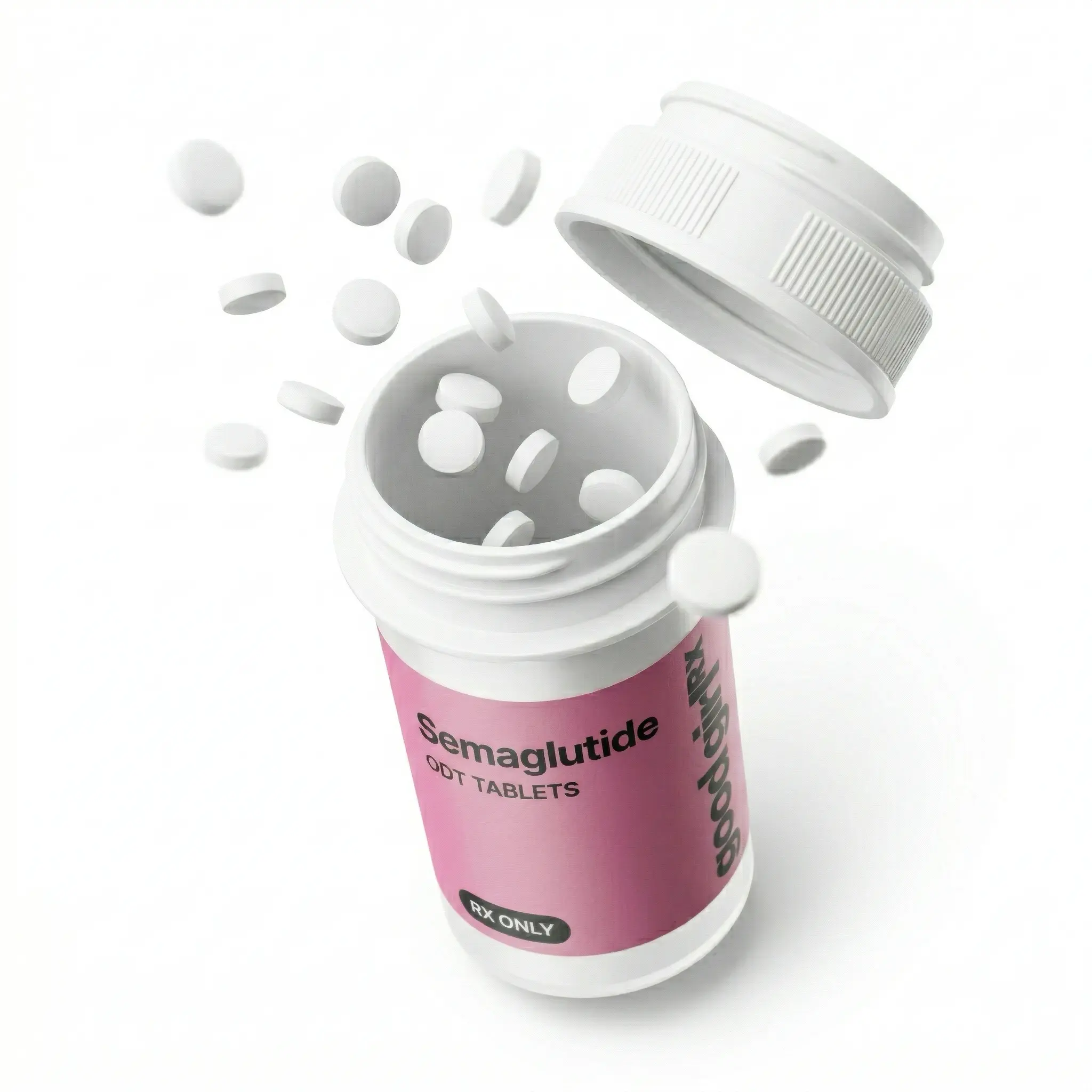
Compounding also helps when you have difficulty swallowing pills. Pharmacists can create liquid formulations, topical creams, or even flavored preparations that make taking medication easier. For hormone replacement therapy or weight management treatments, compounding allows for precise customization that matches your body's specific needs.
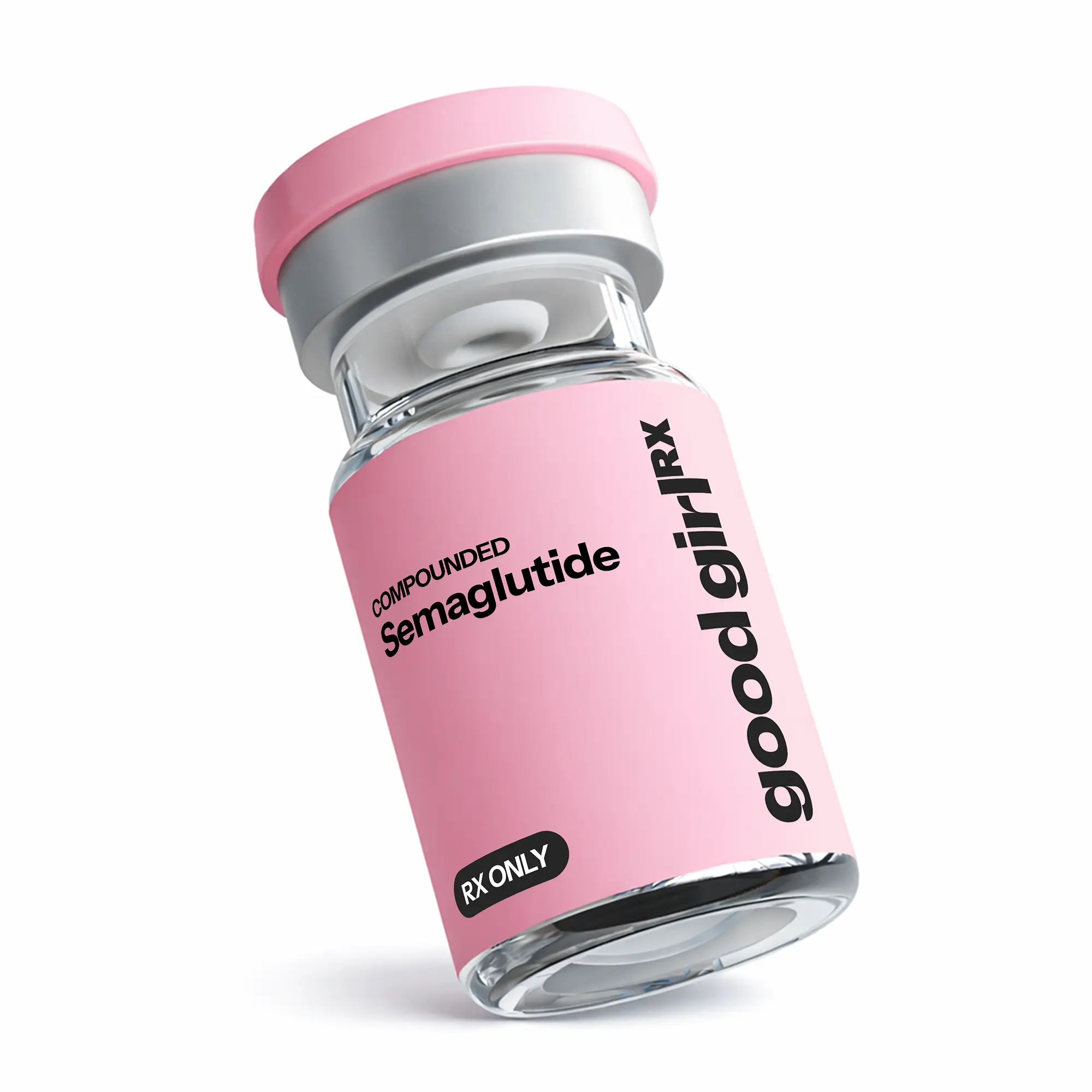
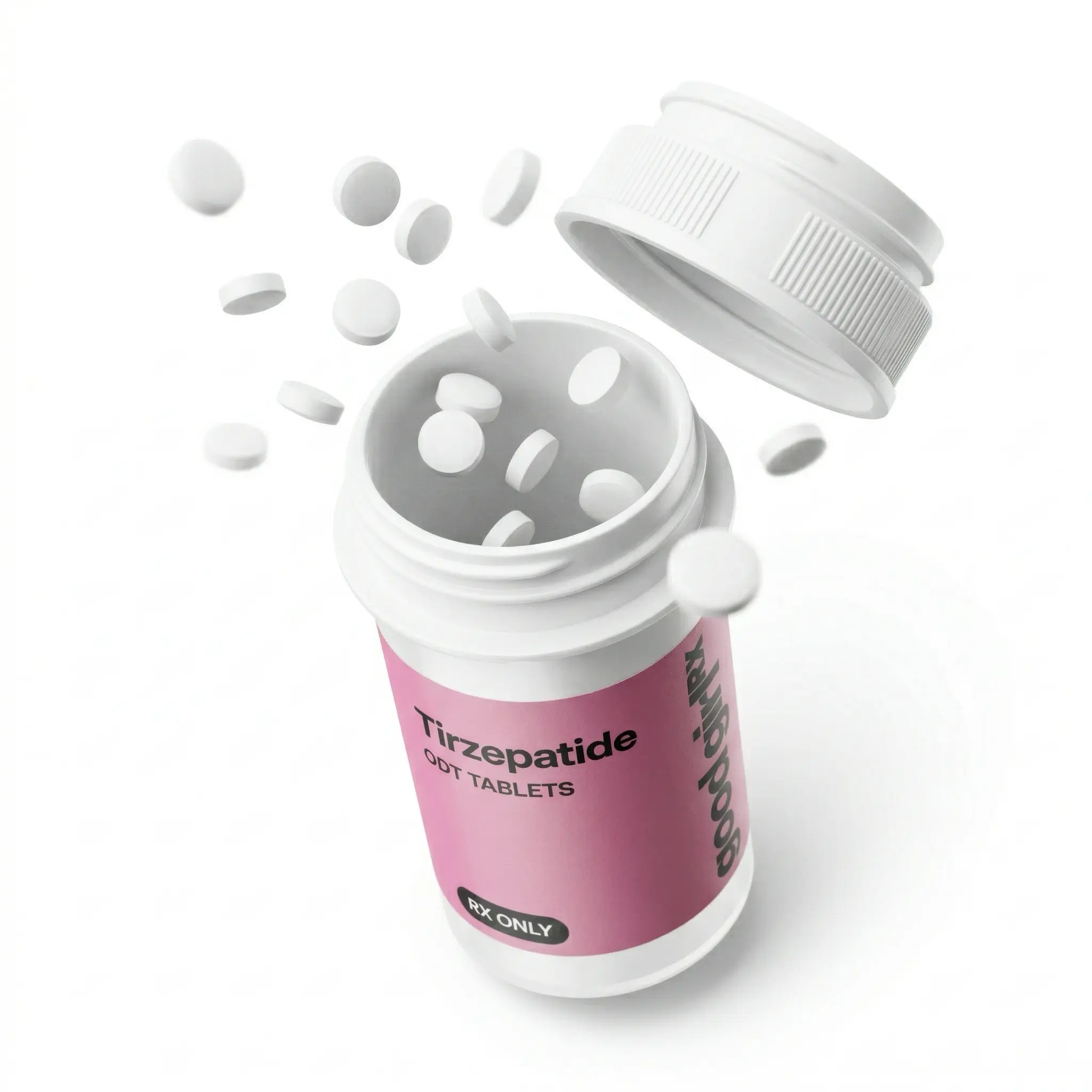
At Good Girl Rx, we work with state-licensed compounding pharmacies to provide personalized weight loss medications like semaglutide that are prepared according to your individual prescription requirements.
Are Compounded Medications Safe?
Safety in compounding comes down to proper oversight and quality standards. Reputable compounded pharmacies operate under state pharmacy board regulations and follow USP (United States Pharmacopeia) guidelines for compounding practices. They maintain clean room environments, use sterile techniques, and implement rigorous testing procedures.
However, it's important to understand that compounded medications are prepared by state-licensed pharmacies in accordance with FDA regulations, but they're not FDA-approved like mass-produced drugs. This means the responsibility for safety and efficacy lies with the compounding pharmacy and your prescribing healthcare provider.
Always ensure your compounded pharmacy is properly licensed and accredited. Ask about their quality control processes, ingredient sourcing, and testing procedures. A trustworthy compounding pharmacy will be transparent about their practices and happy to answer your questions.
Practical Tips for Working with Compounded Pharmacies
When getting compounded medications, communication is key. Provide your pharmacist with complete information about your allergies, other medications, and any previous reactions you've experienced. Be specific about your preferences for taste, texture, or application method.
Store your compounded medications exactly as directed, as they may have different storage requirements than commercial drugs. Pay attention to expiration dates, which might be shorter than mass-produced medications due to the absence of certain preservatives.
Keep detailed records of how the medication works for you. Since compounded medications can be adjusted, your feedback helps your healthcare provider and pharmacist fine-tune your treatment for optimal results. Remember that results may vary, and it may take some adjustments to find your perfect formulation.
For any medical questions about your compounded medications, always consult with your licensed healthcare provider through your Patient Portal rather than trying to make changes on your own.
Ready to see if treatment is right for you? Start your free online visit at Good Girl Rx today.
Share this article

Ready to start your journey?
Complete your free online visit and see if GLP-1 treatment is right for you.
Get Started