

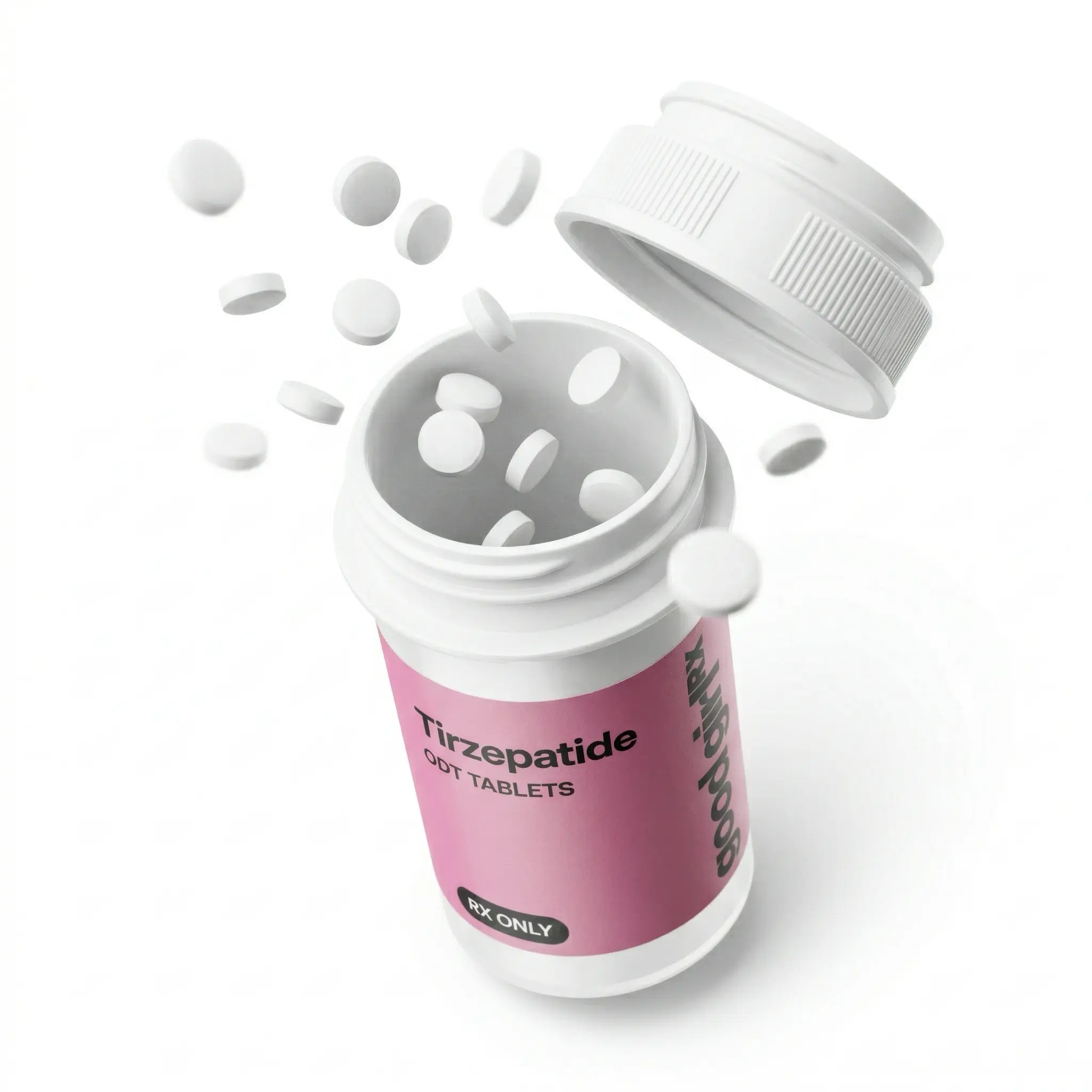
How Tirzepatide Works for Women's Appetite Hormones

Written by Nicole S.
Published September 17, 2026

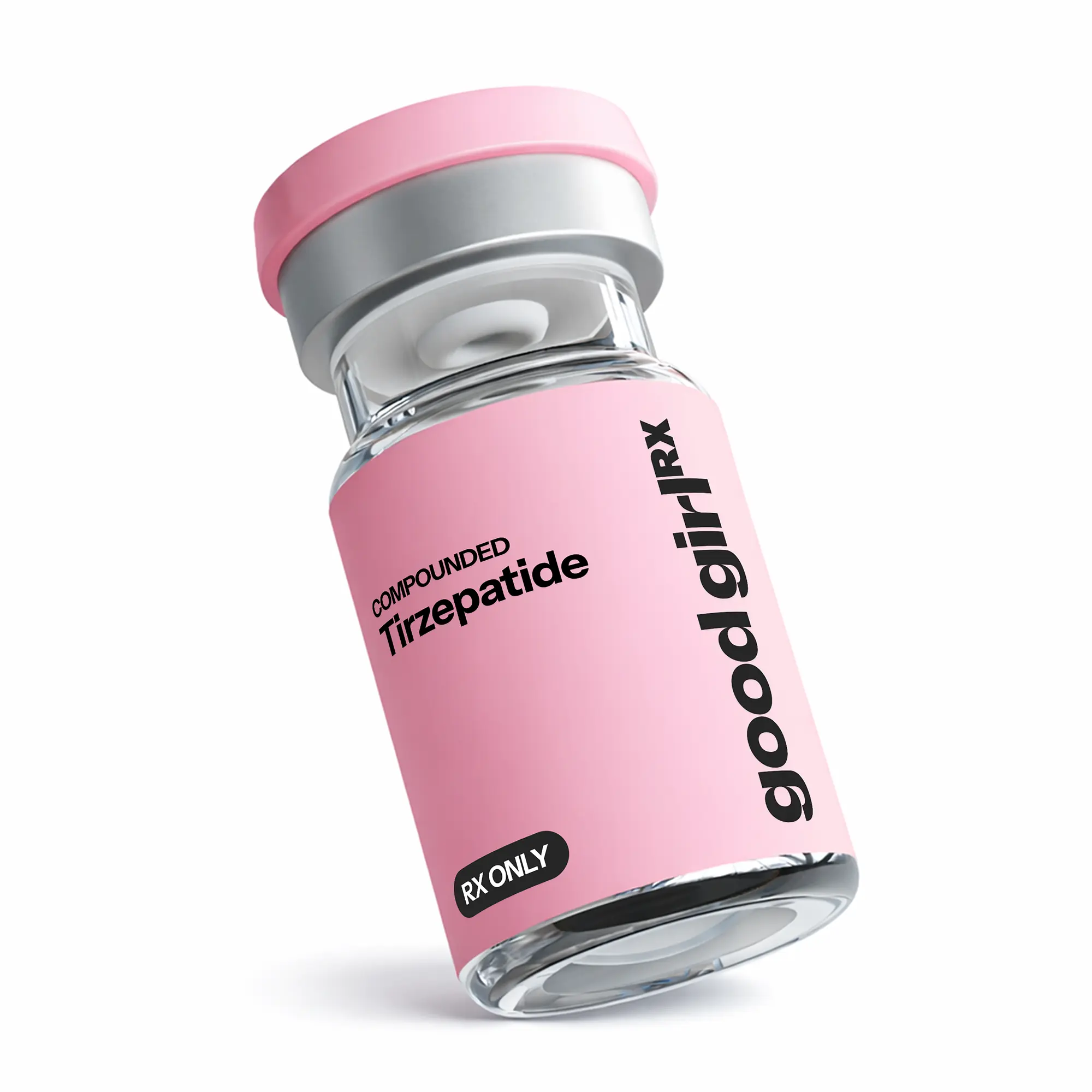
If you've ever felt like your hunger has a mind of its own—loud in the afternoon, relentless before your period, impossible to ignore at night—you're not imagining it. Understanding how tirzepatide works for women's appetite hormones starts with a simple truth: appetite isn't about willpower. It's a symphony of hormones signaling between your gut and your brain. Tirzepatide steps into that conversation and gently changes the tune.
As a dual-action medication, tirzepatide targets two powerful gut hormones at once. That's part of why so many women feel a quieting of food noise within the first few weeks. Let's break down exactly what's happening inside your body, in language that actually makes sense.

Meet Your Appetite Hormones: The Cast of Characters
Before we get to the medication, you need to know the players. Your appetite is governed largely by a handful of hormones that tell your brain when to eat and when to stop. When these signals are balanced, hunger feels manageable. When they're not—thanks to genetics, hormonal shifts, dieting history, or insulin resistance—hunger can feel overwhelming.
- GLP-1 (glucagon-like peptide-1): Released after eating, it signals fullness, slows stomach emptying, and helps regulate blood sugar.
- GIP (glucose-dependent insulinotropic polypeptide): Works alongside GLP-1 to manage insulin and how your body stores and uses energy.
- Ghrelin: The 'hunger hormone,' produced mostly in your stomach—it rises before meals and drives that gnawing, feed-me feeling.
- Leptin: Made by fat cells, it tells your brain you have enough energy stored. Many women develop leptin resistance, muting this off-switch.
Here's the important part: tirzepatide is unique because it mimics both GLP-1 and GIP. Most earlier medications only targeted GLP-1. That dual action is why researchers and patients alike describe its effect on appetite as especially profound.
How Tirzepatide Works for Women's Appetite Hormones
So what actually happens when tirzepatide enters your system? It essentially amplifies the natural satiety signals your body already makes—but often makes too weakly or too briefly. By activating GLP-1 receptors, tirzepatide slows how quickly food leaves your stomach. That means you feel full longer after a meal and satisfied with smaller portions.
At the same time, tirzepatide acts on receptors in the hypothalamus—the appetite control center of your brain. This is where the famous reduction in food noise comes from. Many women describe it as suddenly being able to walk past the office donuts without a second thought.
“For the first time in years, I wasn't thinking about my next meal five minutes after finishing one. It felt like someone finally turned down the volume.”
The GIP component adds another layer. Research suggests GIP receptor activation may enhance the appetite-suppressing effects of GLP-1 while also improving how your body handles fat and insulin. For women dealing with insulin resistance—common in PCOS, perimenopause, and midlife weight gain—this combined effect can be especially meaningful.
What About Ghrelin and Leptin?
While tirzepatide primarily works through GLP-1 and GIP pathways, its downstream effects ripple across your entire appetite system. By stabilizing blood sugar and slowing digestion, it can help blunt the dramatic ghrelin spikes that trigger sudden, urgent hunger. Over time, as body composition improves, leptin signaling may become more efficient too—though this is an area still being studied.
Ready to Quiet the Food Noise?
See if tirzepatide is right for you with a simple online visit reviewed by a licensed provider.
Try tirzepatide →Why Women's Hormones Add a Layer of Complexity
A woman's appetite doesn't operate in a vacuum. It's deeply intertwined with estrogen and progesterone, which fluctuate across your menstrual cycle, pregnancy, postpartum, and menopause. Ever notice ravenous cravings the week before your period? That's the luteal phase, when progesterone rises and your body's energy needs and hunger signals shift.
Estrogen actually plays a protective role in appetite regulation—it tends to enhance the sensitivity of your natural GLP-1 and leptin signals. So when estrogen declines during perimenopause and menopause, many women notice increased hunger, more belly fat storage, and stubborn weight that wasn't there before. This isn't a personal failing; it's biology.
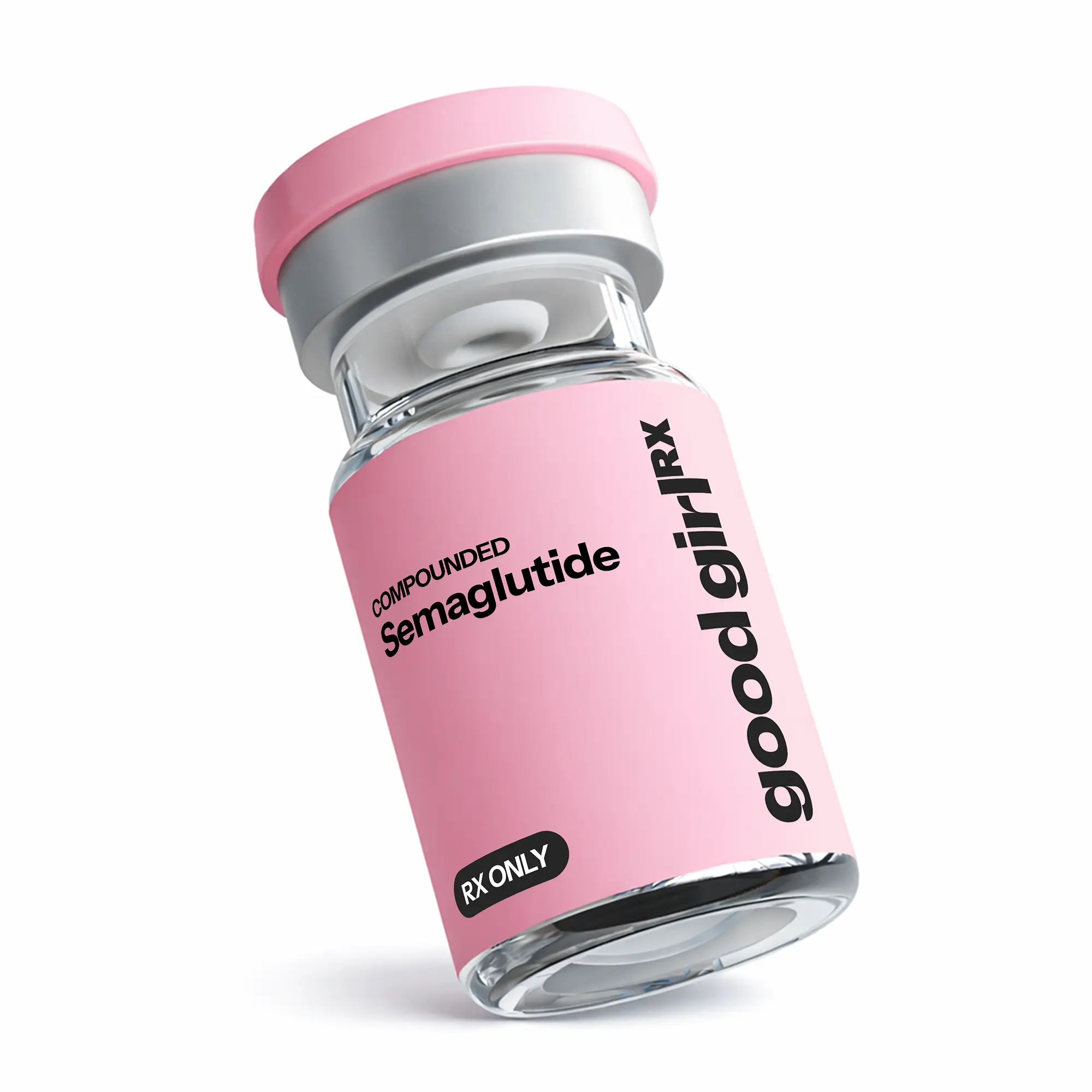
This is where the dual-hormone approach of tirzepatide can be particularly supportive for women. By reinforcing satiety pathways that may weaken with hormonal change, it helps restore a sense of control that shifting estrogen levels can steal. If you're navigating tirzepatide or comparing it to a semaglutide option, understanding these hormonal nuances helps you make an informed choice with your provider.
Tirzepatide vs. GLP-1-Only Medications
You've probably heard of both single-target GLP-1 medications and the newer dual-action options. Here's a simple comparison of how they interact with your appetite hormones.
| Feature | GLP-1 Only | Tirzepatide (Dual GLP-1 + GIP) |
|---|---|---|
| Slows stomach emptying | Yes | Yes |
| Acts on brain satiety center | Yes | Yes |
| Activates GIP receptor | No | Yes |
| May enhance insulin handling | Moderate | Enhanced |
| Dual-hormone action | No | Yes |
It's worth noting that 'more mechanisms' doesn't automatically mean it's the right fit for every woman. The best medication is the one that matches your body, health history, and goals. Some women thrive on semaglutide; others respond better to tirzepatide's dual approach. That decision belongs to you and your provider.
What You Might Feel Week by Week
Because tirzepatide works with your hormones rather than around them, effects tend to build gradually. Doses are typically titrated slowly to help your body adjust and to minimize side effects like nausea. Many women report the most noticeable change in food noise within the first several weeks.
- Weeks 1–4: Appetite begins to soften; you may feel full faster.
- Weeks 4–8: Cravings and food noise often become noticeably quieter.
- Weeks 8–12: Portion sizes naturally shrink as satiety signals strengthen.
- Beyond 12 weeks: Many women settle into a sustainable rhythm with their provider's guidance.
“Weight regulation is a biological process, not a test of character. Medications that support appetite hormones are tools—not shortcuts.”
Supporting Your Hormones Beyond Medication
Tirzepatide can turn down the volume on hunger, but pairing it with supportive habits helps your appetite hormones stay balanced. Protein-forward meals blunt ghrelin. Quality sleep keeps leptin and ghrelin in check. Strength training improves insulin sensitivity, which reduces the blood-sugar swings that spike hunger.
Some women also explore complementary wellness support like B12 injections for energy or a lipotropic MIC+B12 blend as part of a broader plan. Always discuss any combination with your provider to make sure it fits your unique needs.
Understanding how tirzepatide works for women's appetite hormones empowers you to see food noise for what it really is: a biological signal, not a moral one. With the right support, you can finally work with your body instead of fighting it.
Start Your Journey With Confidence
Take a quick online visit to see if tirzepatide fits your appetite hormones and your goals—reviewed by licensed providers who understand women's health.
Try tirzepatide →Share this article

Ready to start your journey?
Complete your free online visit and see if GLP-1 treatment is right for you.
Get Started