How to Stop Sugar Cravings: Women Over 40 Guide

Written by Nicole S.
Published October 21, 2026

The bowl of fun-size candy bars is on the counter, the pumpkin spice everything is calling your name, and somehow it's already Halloween again. If you've ever wondered how to stop sugar cravings as a woman over 40, you're not alone—and you're definitely not lacking willpower. Between shifting hormones, a slower metabolism, and a season practically designed around sugar, cravings can feel louder than ever after 40.
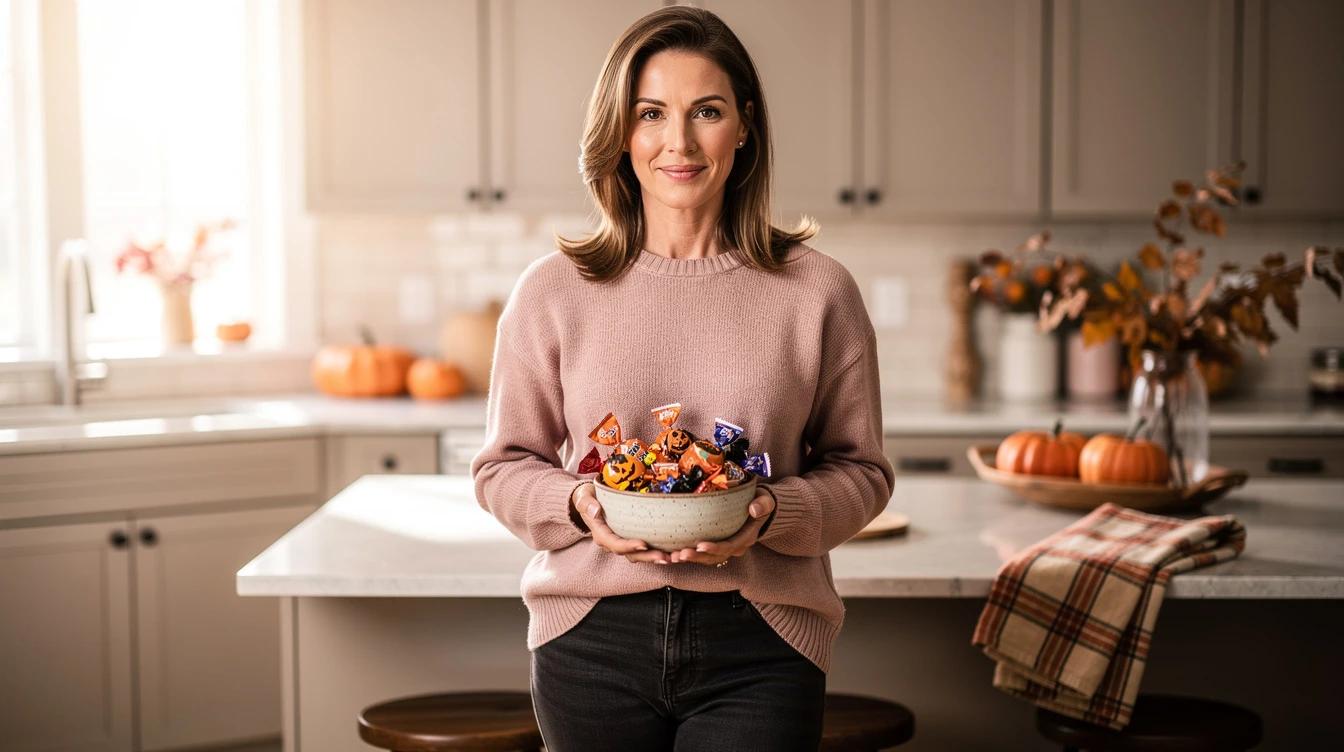
Here's the good news: you don't have to white-knuckle your way through the holidays or swear off every treat. Understanding why your cravings intensify after 40—and having real, science-backed tools in your corner—changes everything. This guide walks you through the hormonal science, practical strategies, and medical support options that help you enjoy the season on your terms, guilt-free.
Why Sugar Cravings Get Stronger After 40
If your sweet tooth feels more demanding than it did in your 30s, blame biology—not a lack of discipline. As women approach perimenopause and menopause, declining estrogen and progesterone directly affect the brain chemicals that regulate appetite, mood, and reward.
Estrogen influences serotonin, your feel-good neurotransmitter. When estrogen dips, serotonin can dip too—and your brain often seeks the fastest route back to feeling good: sugar. A candy bar delivers a quick serotonin and dopamine hit, which is exactly why cravings spike during hormonal shifts and high-stress seasons like the holidays.
Add in insulin resistance, which becomes more common after 40, and your body processes sugar less efficiently. Blood sugar spikes and crashes harder, leaving you reaching for another treat an hour later. It's a cycle rooted in physiology, not failure.
The Hormone-Craving-Stress Triangle
Holiday season doesn't just add candy—it adds cortisol. Elevated stress hormones increase appetite and drive us toward comfort foods loaded with sugar and fat. For women over 40 already navigating hormonal changes, this creates a perfect storm.
Poor sleep (common in perimenopause) makes it worse. When you're tired, your hunger hormone ghrelin rises and your fullness hormone leptin falls—so you feel hungrier and less satisfied, craving quick energy from sugar.
“Cravings aren't a character flaw. They're your body communicating a need—often for stability, rest, or nourishment it isn't getting elsewhere.”
How to Stop Sugar Cravings: 8 Strategies That Actually Work
Learning how to stop sugar cravings as a woman over 40 isn't about deprivation—it's about giving your body what it truly needs so the cravings quiet down naturally. Here are strategies grounded in nutrition science and behavior change.
- Front-load protein and fiber. Starting your day with 25-30g of protein stabilizes blood sugar and reduces afternoon sugar cravings dramatically.
- Don't skip meals. Going too long without eating sends blood sugar crashing—and makes candy irresistible by 3 p.m.
- Pair your treat. Eat candy with a meal or alongside protein and healthy fat to blunt the blood sugar spike.
- Prioritize sleep. Even one night of poor sleep increases cravings the next day. Aim for 7-9 hours.
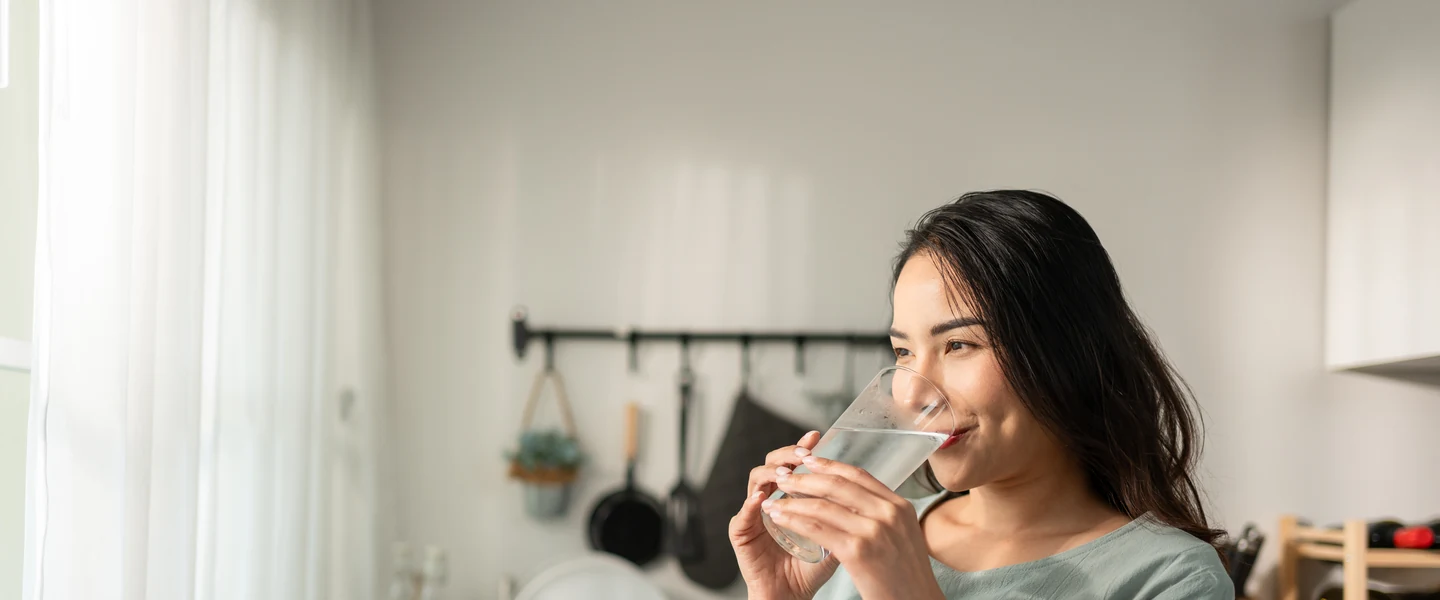
- Hydrate first. Thirst often masquerades as a sugar craving. Drink a glass of water and wait 10 minutes.
- Move your body. A short walk reduces cortisol and curbs the stress-driven urge to snack.
- Keep candy out of sight. Convenience drives mindless eating—store treats where you have to make a choice to grab them.
- Allow yourself the treat. Full restriction backfires. Choosing one piece you love beats sneaking ten you barely taste.
Cravings That Won't Quit?
If sugar cravings feel impossible to control no matter what you try, you may have more going on hormonally and metabolically. Medical support can help—start your confidential online visit today.
Try semaglutide →
When Lifestyle Isn't Enough: Medical Support for Cravings
Sometimes you do everything right and the cravings still win. That's often a sign your body's appetite-regulation system needs more support—and it's where medications like semaglutide have changed the conversation for women over 40.
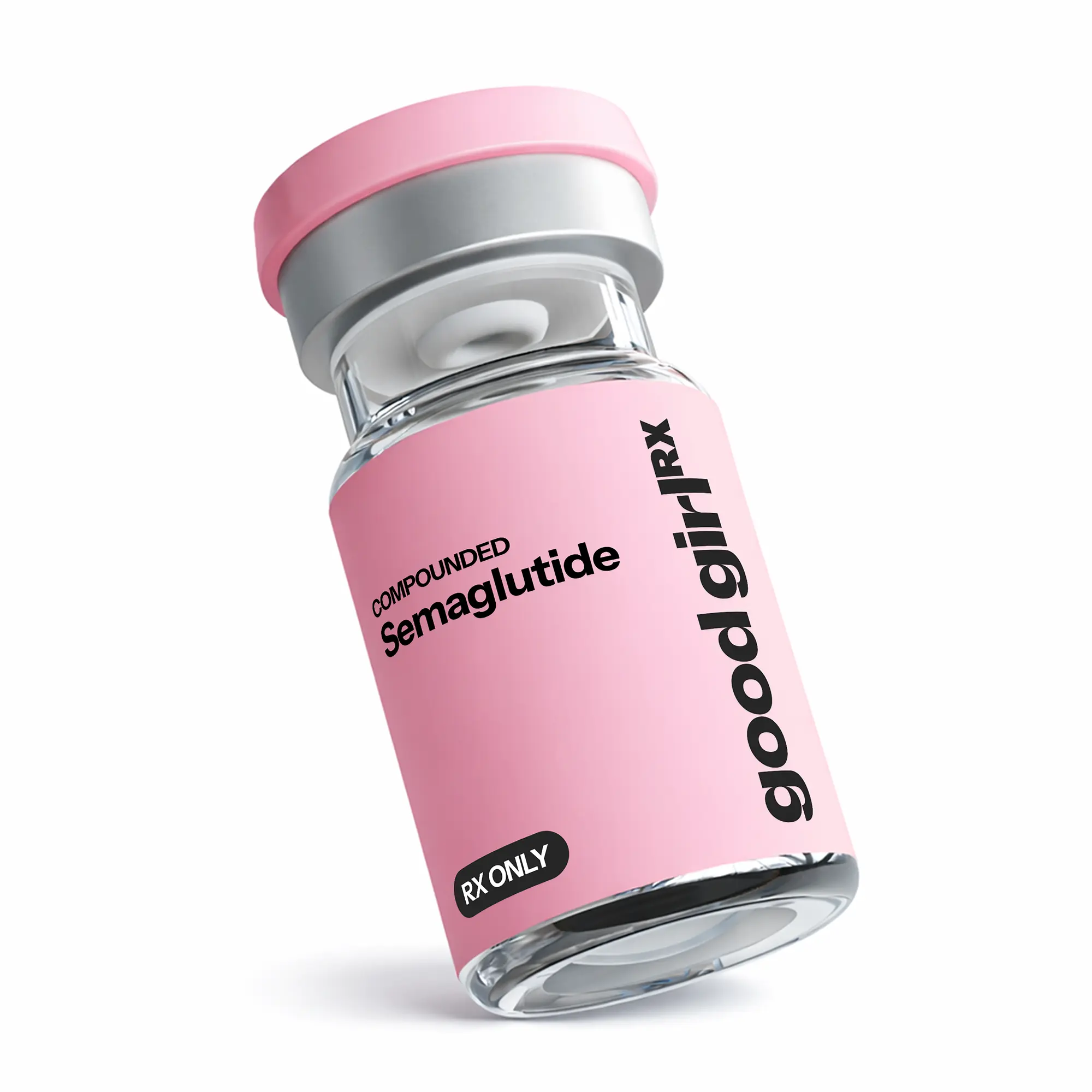
Semaglutide is a GLP-1 receptor agonist, a medication that mimics a natural hormone your gut releases after eating. GLP-1 slows digestion, signals fullness to your brain, and—importantly for candy season—significantly reduces the food noise and cravings that can dominate your thoughts.
For many women navigating perimenopause-related metabolic changes, GLP-1 medications help restore the appetite signals that hormones have disrupted. Instead of constantly fighting the candy bowl, many patients describe simply not thinking about it the way they used to.
| Medication | How It Works | Craving Impact | |
|---|---|---|---|
| Semaglutide | GLP-1 receptor agonist | Reduces appetite and food noise | once-weekly |
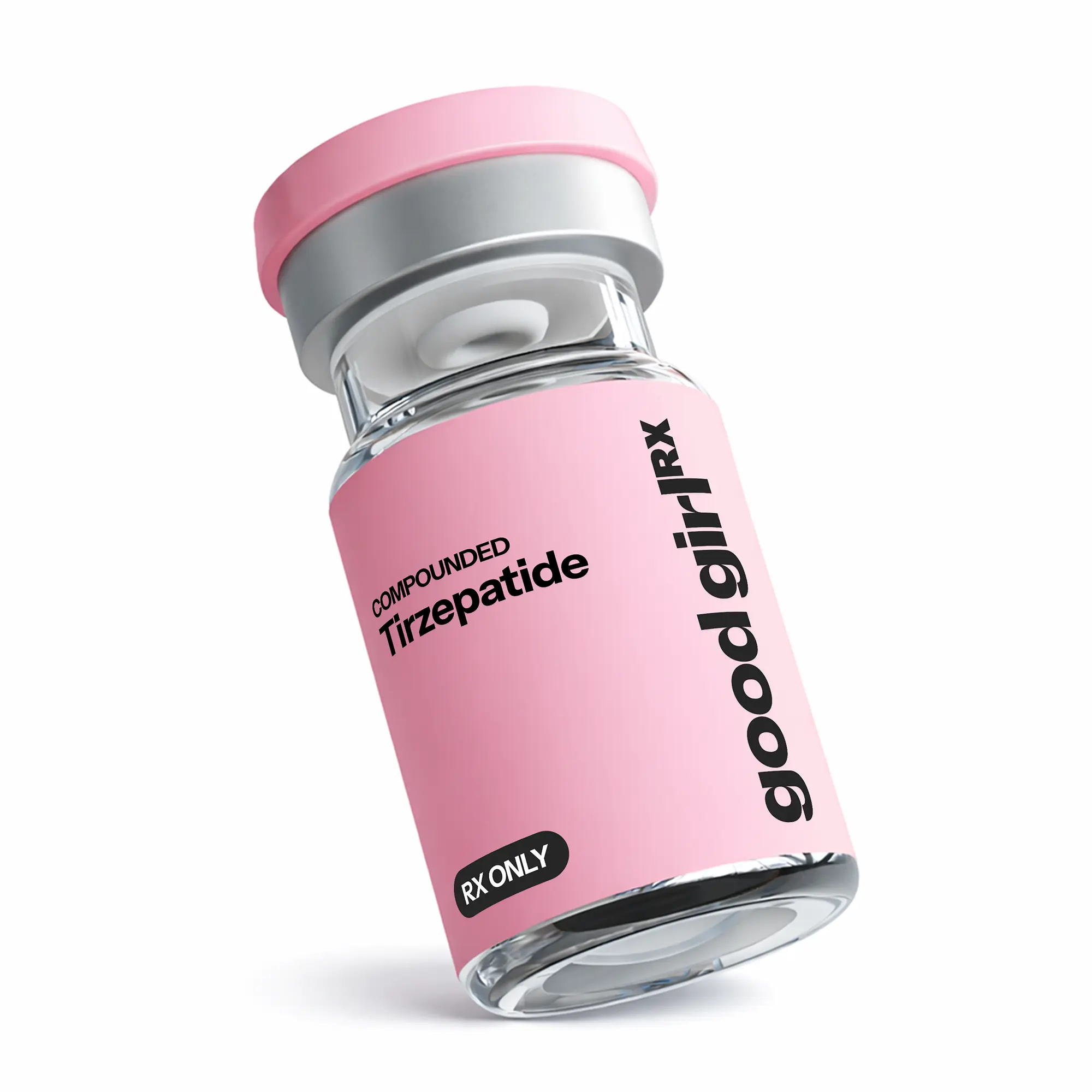
| Tirzepatide | Dual GLP-1 / GIP agonist | Targets appetite and metabolism | once-weekly |
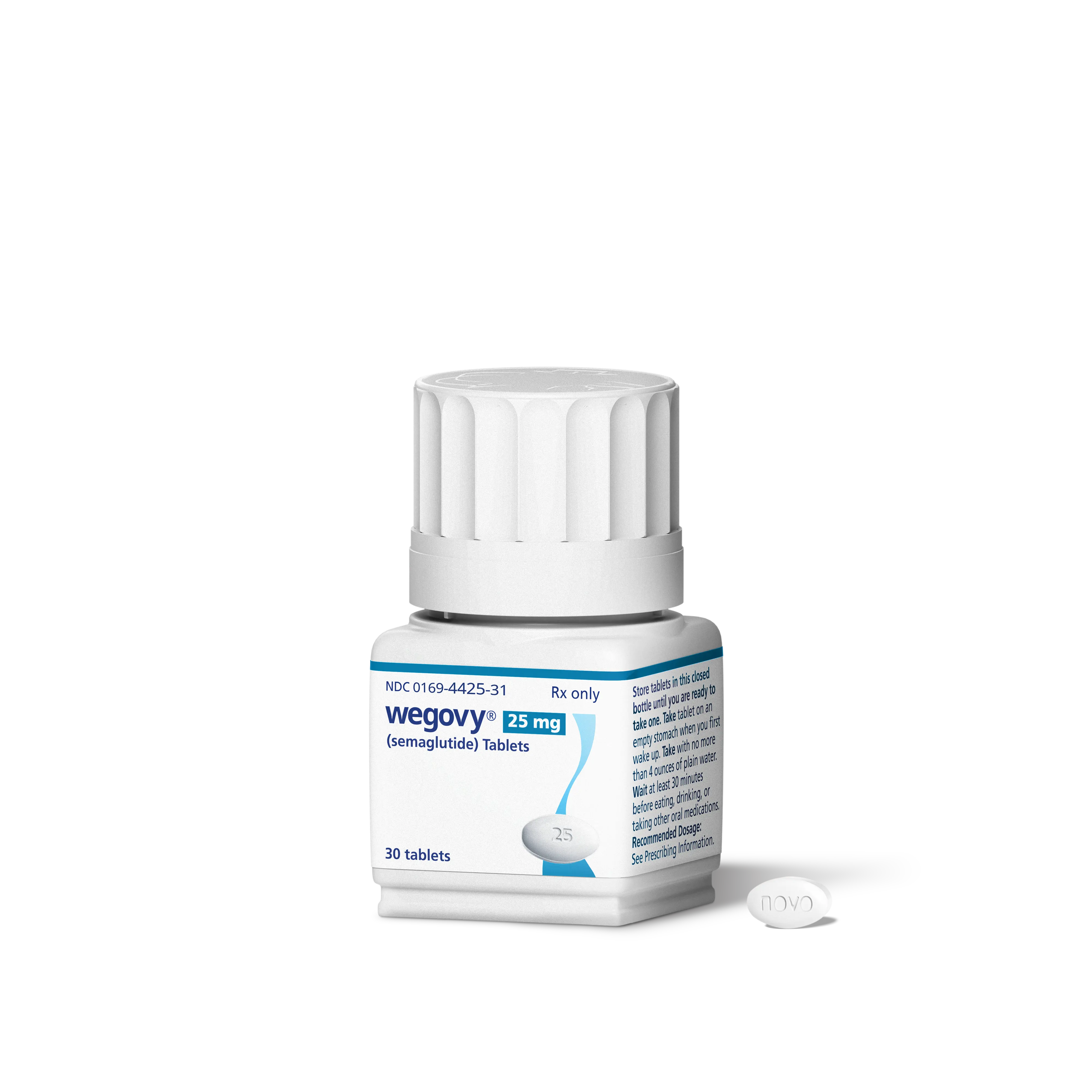
| Oral semaglutide pills | GLP-1 receptor agonist | Appetite support, no injection | daily |
These are prescription medications that require evaluation by a licensed provider. They aren't right for everyone, and they work best alongside the nutrition and lifestyle strategies above—not instead of them. Your provider can help determine whether a GLP-1 option fits your health history and goals.
Reframing Guilt: You're Allowed to Enjoy the Season
Here's the shift that matters most: guilt is not a nutrition strategy. Beating yourself up over a handful of candy corn doesn't change your metabolism—it just adds stress, which (remember) raises cortisol and drives more cravings.
Food is woven into holiday connection, memory, and joy. The goal isn't to resist every bite—it's to build a steady foundation so a few indulgences are just that: enjoyable moments, not spirals. Learning how to stop sugar cravings doesn't mean never eating sugar. It means sugar no longer runs the show.
“You can honor your health and still eat the Halloween candy. One doesn't cancel the other.”
Give yourself the same grace you'd give a friend. One imperfect day—or week—doesn't undo your progress. What matters is the pattern you return to, not the occasional treat you enjoy.
Ready to Feel in Control This Season?
Whether you need a nutrition reset or medical support for stubborn cravings, Good Girl Rx connects you with licensed providers who understand women's health after 40. Start your online visit today.
Get Started →This Halloween and holiday season, you don't have to choose between your health and the celebrations you love. With the right understanding of your hormones, a few smart strategies, and support when you need it, you can navigate candy season feeling confident, nourished, and completely guilt-free.
Share this article

Ready to start your journey?
Complete your free online visit and see if GLP-1 treatment is right for you.
Get Started