Hydration on GLP-1 Medications for Women in Summer

Written by Marcus W.
Published July 28, 2026
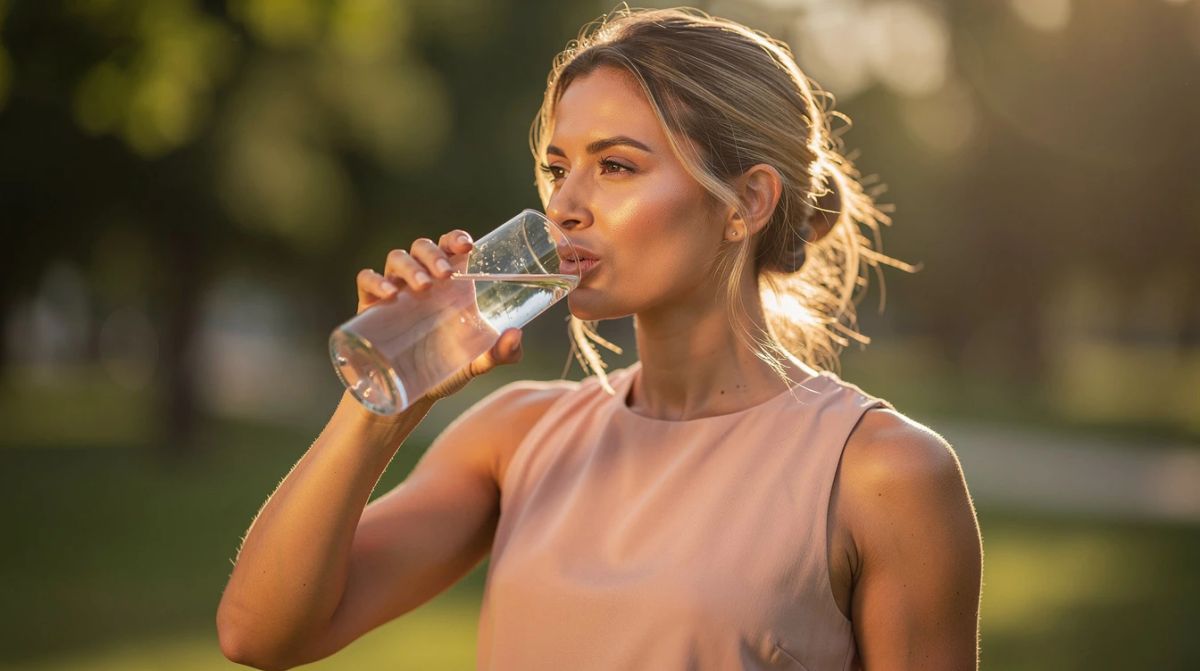
If you're navigating the heat of summer while on semaglutide or tirzepatide, staying properly hydrated is more important than you might realize. Hydration on GLP-1 medications for women takes on special significance when temperatures rise, because these medications naturally reduce your appetite—and your thirst signals can quietly slip along with it. Add sweaty summer days to the mix, and you have a recipe for dehydration if you're not paying attention.
The good news? A little planning goes a long way. Understanding how GLP-1 medications affect your body's fluid balance—and adjusting your water intake accordingly—can help you feel your best all season long. Let's break down exactly how much water you need and why it matters.
Why Hydration Matters More on GLP-1 Medications
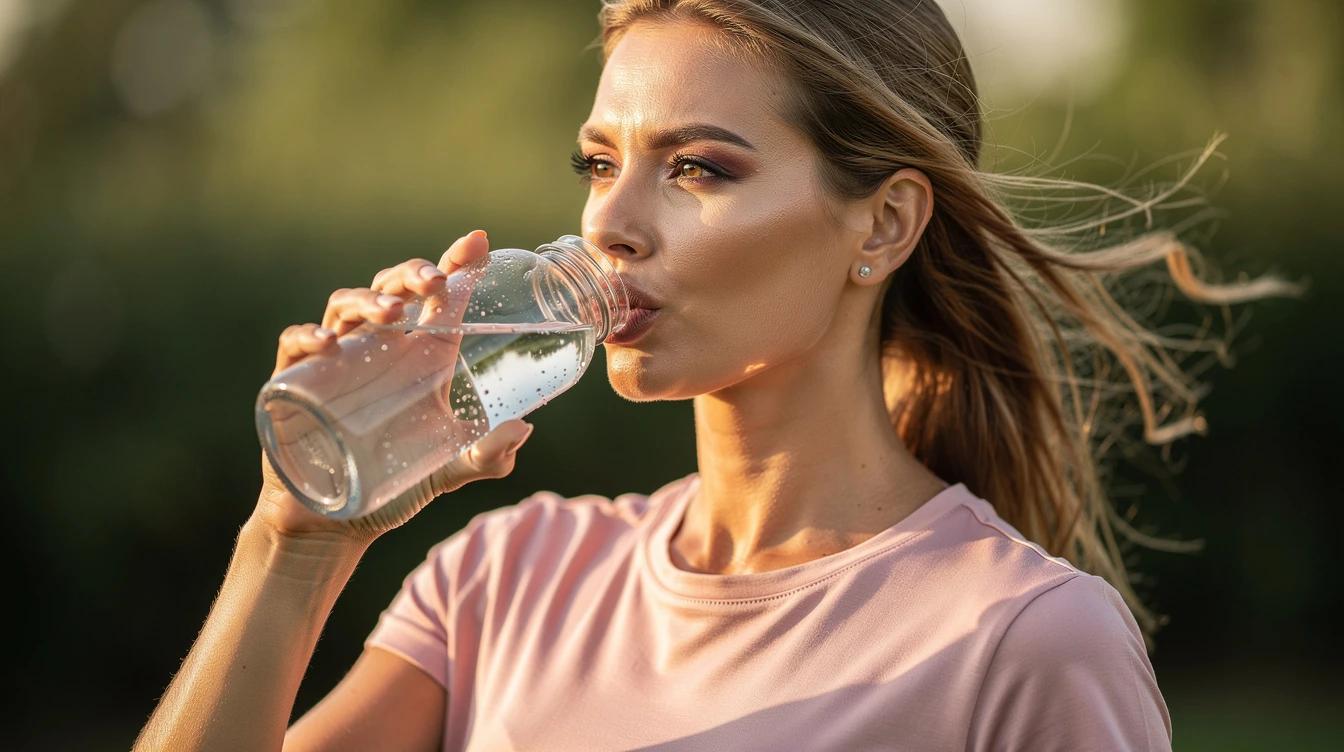
Medications like semaglutide and tirzepatide belong to a class called GLP-1 receptor agonists. They work by slowing gastric emptying, calming appetite signals, and helping regulate blood sugar. One side effect of this appetite suppression is that many women simply feel less thirsty—which means you may not naturally drink as much as your body needs.
On top of that, common early side effects like nausea, vomiting, or diarrhea can cause fluid loss. When you combine reduced thirst cues with potential GI symptoms and hot summer weather, dehydration becomes a real concern. Mild dehydration can worsen fatigue, headaches, dizziness, and constipation—symptoms already common in the first weeks of treatment.
Proper hydration also supports your kidneys, which work harder to process metabolic changes during weight loss. Adequate fluid intake helps flush waste, supports digestion, and keeps your energy steady—all crucial when you're active in the summer sun.
How Much Water Should Women Drink in Summer?
General guidance from the National Academies of Sciences suggests women aim for about 2.7 liters (91 ounces) of total daily fluids, including water from food and beverages. But if you're on a GLP-1 medication in summer heat, your needs are likely higher.
A practical starting target for many women on semaglutide or tirzepatide during hot weather is roughly half your body weight in ounces, plus extra to account for sweat and reduced thirst. For example, a 160-pound woman would aim for at least 80 ounces—then add 16 to 32 ounces on especially hot or active days.
| Body Weight | Baseline Water (oz) | Hot/Active Day Target (oz) |
|---|---|---|
| 130 lbs | 65 oz | 80-95 oz |
| 160 lbs | 80 oz | 95-110 oz |
| 190 lbs | 95 oz | 110-125 oz |
| 220 lbs | 110 oz | 125-140 oz |
These are general estimates, not prescriptions. Your ideal intake depends on your activity level, climate, medications, and health conditions. Always confirm specific targets with your provider, especially if you have heart or kidney concerns.
Ready to Start Your GLP-1 Journey?
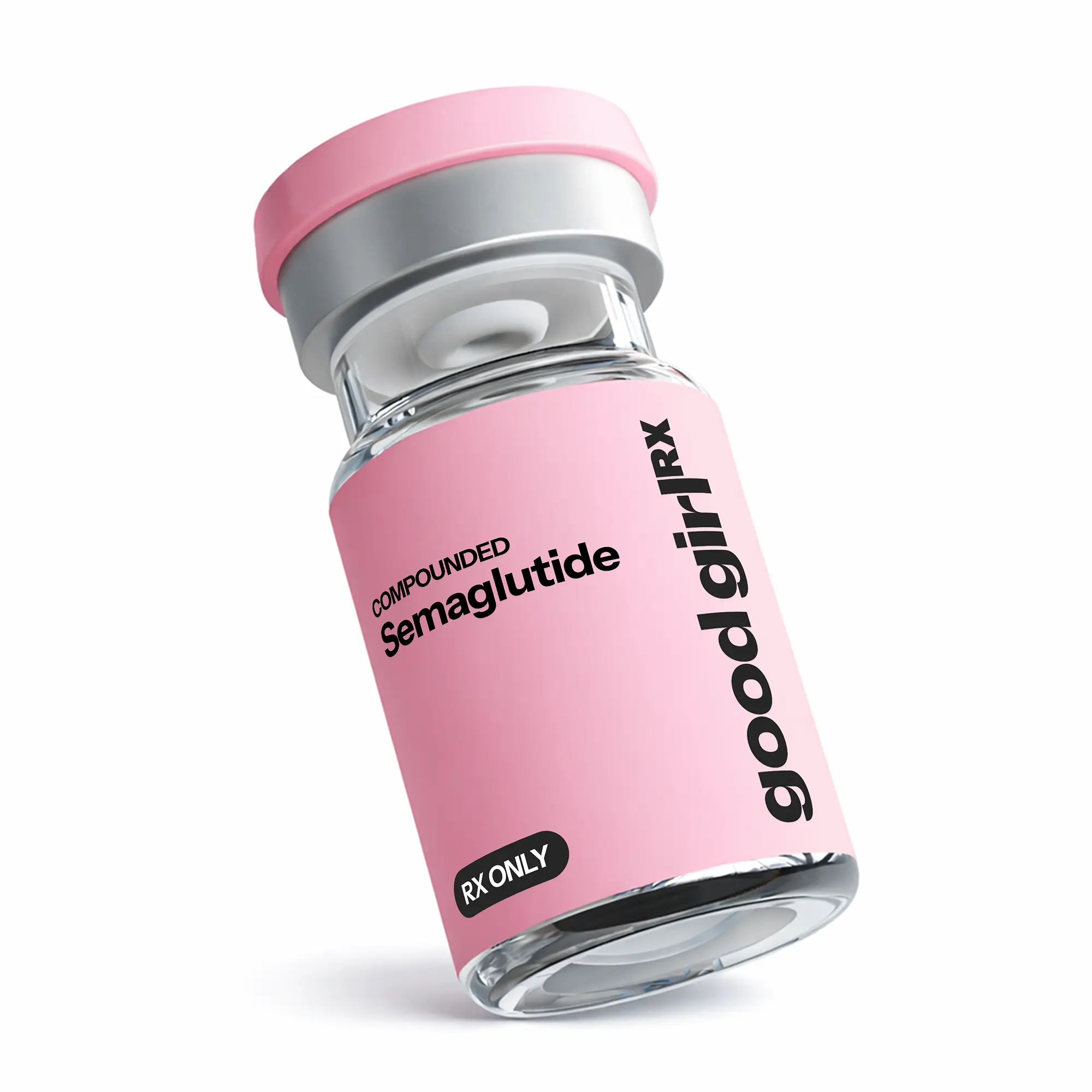
Explore whether semaglutide is right for you with a personalized online visit from Good Girl Rx.
Try semaglutide →Signs You Might Be Dehydrated
Because thirst can be an unreliable signal on these medications, it helps to know the other warning signs. Catching dehydration early lets you course-correct before it affects how you feel.
- Dark yellow urine (pale straw-colored is the goal)
- Headaches or difficulty concentrating
- Dizziness or lightheadedness, especially when standing
- Dry mouth, lips, or skin
- Fatigue beyond what you'd expect
- Constipation or reduced bathroom trips
- Muscle cramps during summer activity
If you experience persistent vomiting, severe dizziness, rapid heartbeat, or you can't keep fluids down, contact your provider right away. These may signal significant dehydration that needs prompt attention.
“Hydration isn't just about drinking more water—it's about listening to your body even when it whispers instead of shouts.”
Smart Hydration Strategies for Summer
Meeting your water goals doesn't have to feel like a chore. Small, consistent habits add up—and can make your entire GLP-1 experience smoother. Here are strategies that work especially well in the heat.
Front-Load Your Fluids
Drink a full glass of water first thing in the morning before appetite suppression fully kicks in. Sipping steadily before noon helps you reach your goal without feeling overwhelmed by fluids at dinner—which can worsen nausea for some women.
Eat Your Water
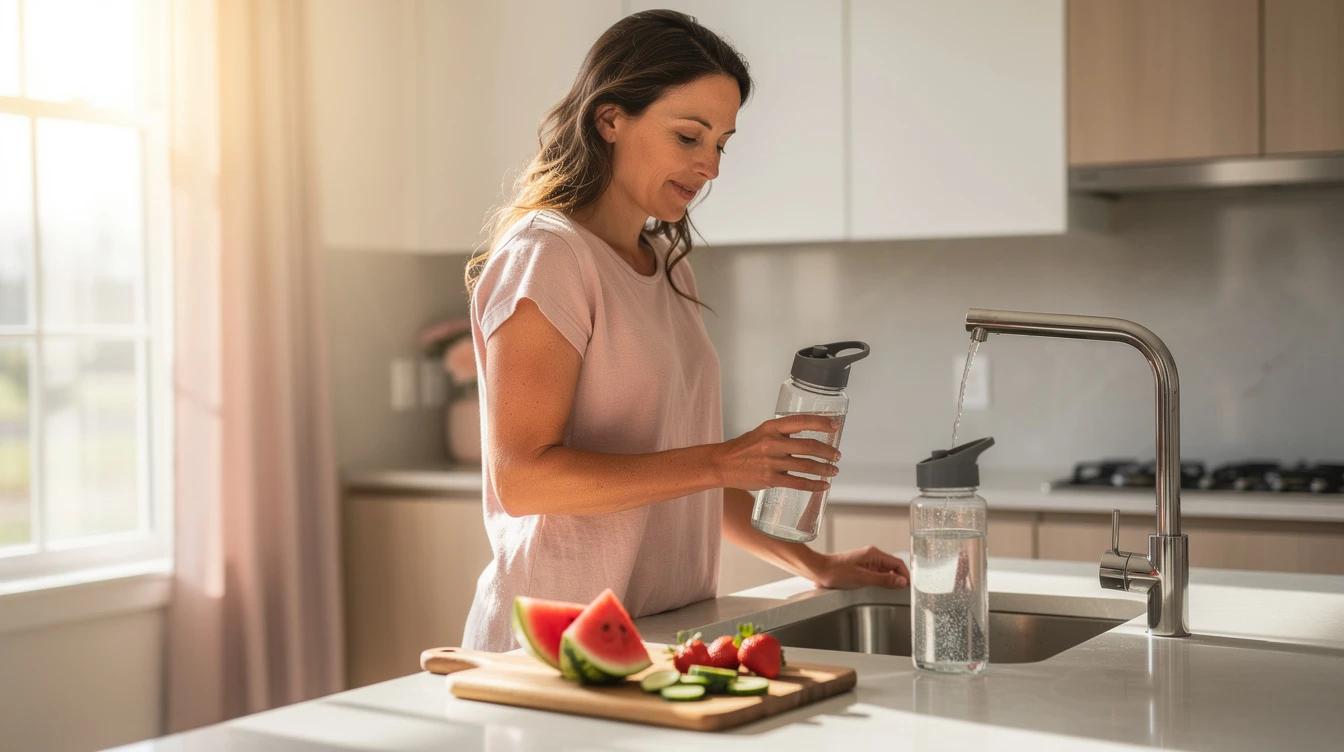
Hydrating foods count toward your total. Watermelon, cucumber, strawberries, oranges, and leafy greens are packed with water and electrolytes. These are gentle on the stomach and a smart choice when your reduced appetite makes big meals unappealing.
Balance Your Electrolytes
When you're sweating heavily or experiencing GI symptoms, plain water alone may not be enough. A sugar-free electrolyte packet or a pinch of salt with lemon can help replace lost sodium, potassium, and magnesium—supporting energy and preventing cramps.
Some women also benefit from targeted wellness support to feel their best. If low energy is dragging you down, therapies like B12 injections or NAD+ therapy may complement your routine—just talk with your provider about what fits your needs.
Hydration and Common GLP-1 Side Effects
One of the most empowering things to know is that good hydration can actually soften some of the most common side effects of semaglutide and tirzepatide.
| Symptom | How Water Helps | Extra Tip |
|---|---|---|
| Constipation | Softens stool, aids digestion | Add fiber-rich hydrating foods |
| Nausea | Prevents dehydration that worsens queasiness | Sip cold water slowly; try ginger |
| Fatigue | Supports circulation and energy | Front-load morning fluids |
| Headaches | Reduces dehydration triggers | Keep water at your desk |
Remember, these medications are prescribed and monitored for a reason. Your provider can adjust your dose and offer personalized guidance if side effects persist. Never stop or change your medication without professional input.
“The women who thrive on GLP-1 therapy are the ones who treat hydration as part of the treatment, not an afterthought.”
Your Summer Hydration Game Plan
Building a simple daily rhythm takes the guesswork out of staying hydrated. Consistency beats perfection—aim to make hydration automatic rather than something you scramble to remember at night.
- Start with 8-16 oz of water upon waking
- Carry a marked bottle and refill it at set times
- Pair water with meals and snacks to build the habit
- Add electrolytes on hot or active days
- Check your urine color as a quick hydration gauge
- Increase intake during exercise or heat exposure
- Check in with your provider if symptoms persist
Hydration on GLP-1 medications for women doesn't need to be complicated—it just needs to be intentional. With a little structure, you can enjoy summer fully while supporting your health goals and feeling energized.
Take the Next Step with Good Girl Rx
Start your personalized online visit today and discover a treatment plan designed around you.
Get Started →Share this article

Ready to start your journey?
Complete your free online visit and see if GLP-1 treatment is right for you.
Get Started