

Metabolism After 40: Why Winter Weight Gain Hits Hard

Written by Maya P.
Published October 15, 2026

If you've noticed the scale creeping up despite doing exactly what worked in your thirties, you're not imagining it. Metabolism after 40 and weight gain in women is a real, well-documented shift—and when the days get short and cold, it can feel like your body is working against you. The truth is more empowering than frustrating: your metabolism isn't broken, it's just changed. And once you understand why, you can finally stop fighting it and start working with it.

Let's get one myth out of the way first. Your metabolism doesn't fall off a cliff the moment you turn 40. But subtle, compounding changes—hormonal, muscular, and even seasonal—do add up. Together, they explain why the strategies that once kept you lean suddenly stop pulling their weight.
What Actually Happens to Metabolism After 40
Your resting metabolic rate (RMR)—the calories you burn simply existing—is largely determined by how much lean muscle mass you carry. Starting around age 30, women begin losing muscle through a process called sarcopenia, and this accelerates in the years surrounding menopause.
Less muscle means fewer calories burned at rest. A landmark 2021 study published in Science found that metabolism stays remarkably stable from age 20 to 60—so the bigger driver of weight gain isn't a crashing metabolic rate, but rather shrinking muscle, shifting hormones, and changes in how and where your body stores fat.
The hormonal piece matters enormously. As estrogen declines in perimenopause and menopause, fat storage shifts from the hips and thighs toward the abdomen. This visceral fat is more metabolically active—and more stubborn—than the fat you carried in your twenties.
Why Winter Weight Gain Hits Different
Now layer the cold months on top of these changes, and you understand why winter feels uniquely challenging. Several seasonal forces converge to make weight gain after 40 worse between November and March.
Less Light, More Cravings
Shorter days reduce sunlight exposure, which lowers serotonin—the mood-regulating neurotransmitter closely tied to appetite. Low serotonin drives cravings for carbohydrates and comfort foods, because carbs temporarily boost serotonin. This is the same mechanism behind seasonal affective disorder (SAD), which affects women roughly four times more often than men.
Disrupted Sleep and Hunger Hormones
Winter disrupts circadian rhythms, and poor sleep throws off ghrelin (the hunger hormone) and leptin (the fullness hormone). Research consistently links short sleep to increased appetite and higher calorie intake the next day—a brutal combination when your metabolism is already slowing.
Less Movement, Lower NEAT
When it's dark and freezing, we move less. Your NEAT—non-exercise activity thermogenesis, or the calories you burn fidgeting, walking, and doing daily tasks—can drop dramatically in winter. For women over 40, whose baseline burn is already lower, this reduction adds up fast.
- Reduced sunlight lowers serotonin and increases carb cravings
- Colder temperatures keep you indoors and sedentary, cutting NEAT
- Holiday eating piles on calorie-dense, high-sugar foods
- Disrupted sleep shifts hunger hormones toward overeating
- Comfort-food culture normalizes heavier, richer meals for months
“Metabolism after 40 isn't about willpower failing you—it's about your biology changing. The women who thrive are the ones who update their strategy instead of blaming themselves.”
The Compounding Effect: Age + Season
Here's the real reason winter weight gain hits different after 40: the seasonal challenges stack directly on top of the age-related ones. Younger women often absorb a few winter pounds and burn them off by spring. But when your muscle mass is lower and estrogen is declining, those pounds settle in—often as stubborn belly fat—and they don't leave as easily.
| Factor | After 40 | Added in Winter |
|---|---|---|
| Muscle mass | Declining (sarcopenia) | Less activity accelerates loss |
| Hormones | Estrogen drop, insulin resistance | Serotonin dip, hunger hormone shifts |
| Appetite | Harder to regulate fullness | Strong carb and comfort cravings |
| Activity | Lower baseline NEAT | Even less movement, more sitting |
| Fat storage | Shifts to abdomen | Easier to gain, harder to lose |
This is why so many women tell us the same approach that melted off winter weight at 32 does nothing at 44. It's not you. It's a genuinely different physiological environment—and it calls for a genuinely different plan.
Ready to Work With Your Metabolism, Not Against It?
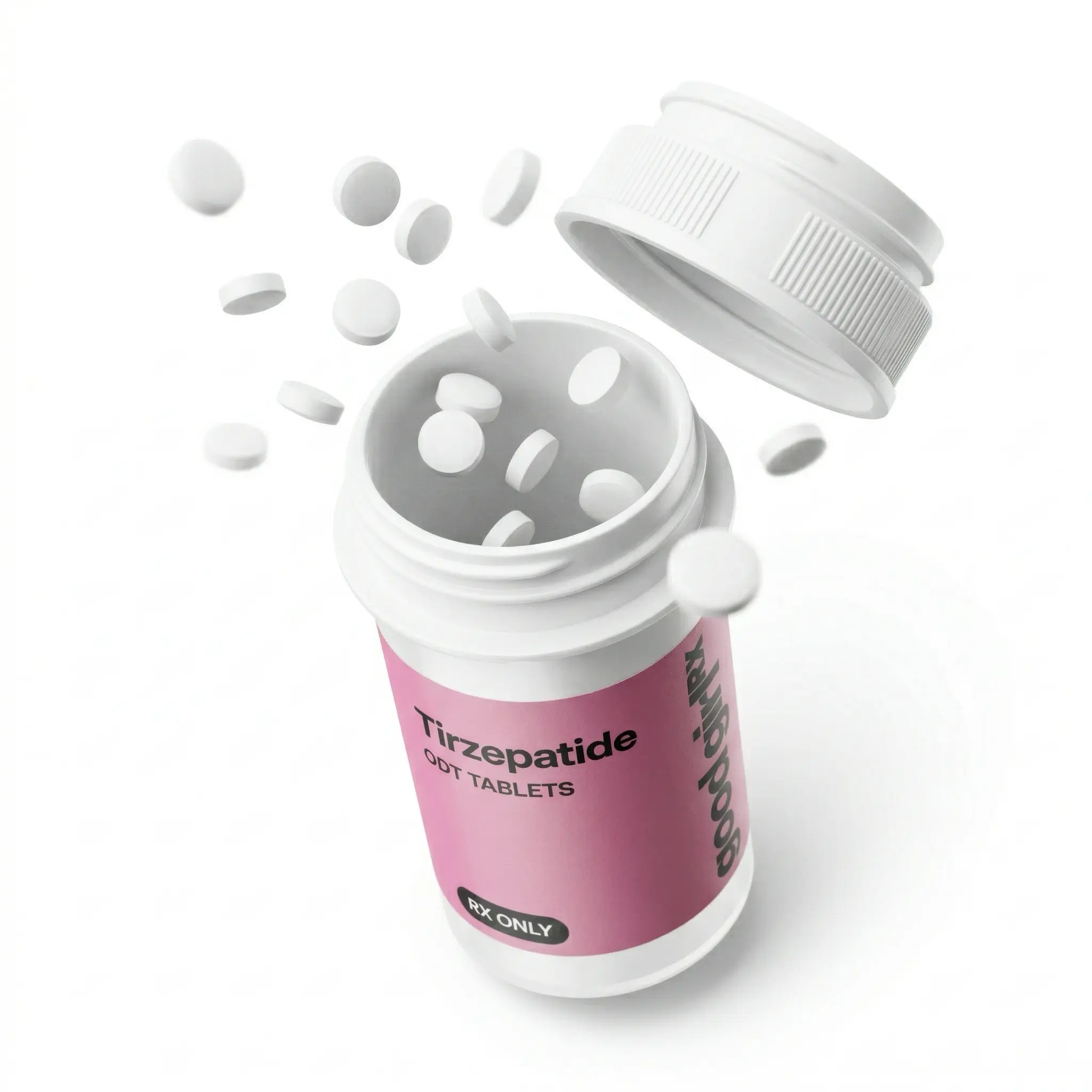
Tirzepatide targets the hormonal appetite pathways that shift after 40. See if it's right for you with a quick online visit.
Try tirzepatide →Science-Backed Strategies That Actually Work After 40
The good news: you have real leverage. The most effective approach combines protecting muscle, stabilizing appetite hormones, and—when appropriate—using modern medical tools designed to address the exact pathways that change with age.
1. Prioritize Protein and Strength Training
Because muscle drives your resting metabolism, the single most impactful habit is protecting and rebuilding it. Aim for protein at every meal (roughly 25–30 grams) and incorporate resistance training 2–3 times per week. Strength training doesn't just burn calories—it preserves the metabolically active tissue that keeps your burn higher around the clock.
2. Guard Your Sleep and Light Exposure
Get morning light within an hour of waking (even on gray days), keep a consistent sleep schedule, and consider a light therapy lamp if winter darkness drags you down. Protecting sleep directly protects your hunger hormones—and your willpower.
3. Consider GLP-1/GIP Medication Support
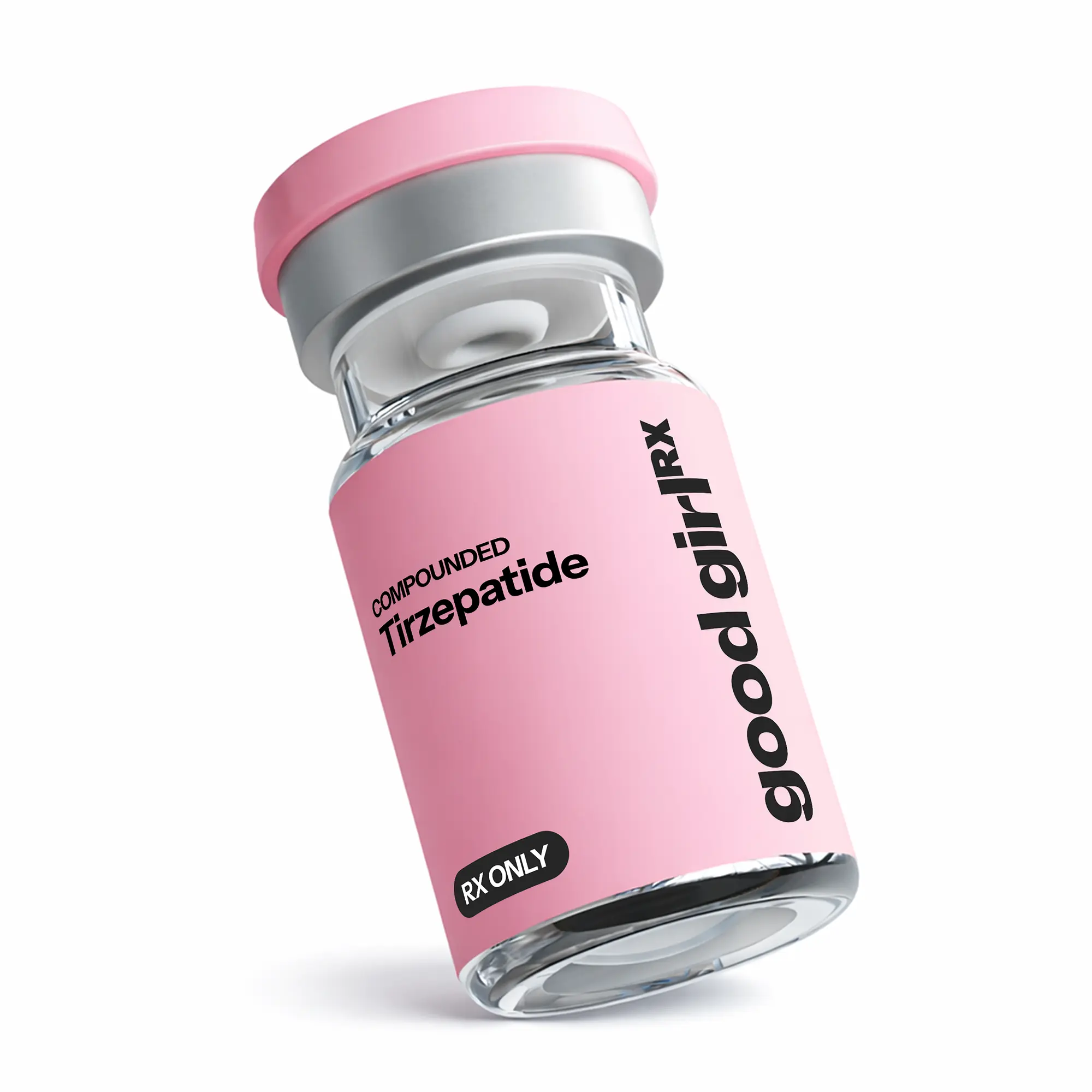
For many women, lifestyle changes alone aren't enough to overcome the hormonal shifts of midlife—and that's not a personal failing. GLP-1 and GIP receptor agonist medications like tirzepatide work by targeting the exact appetite-regulation pathways that become harder to control after 40.
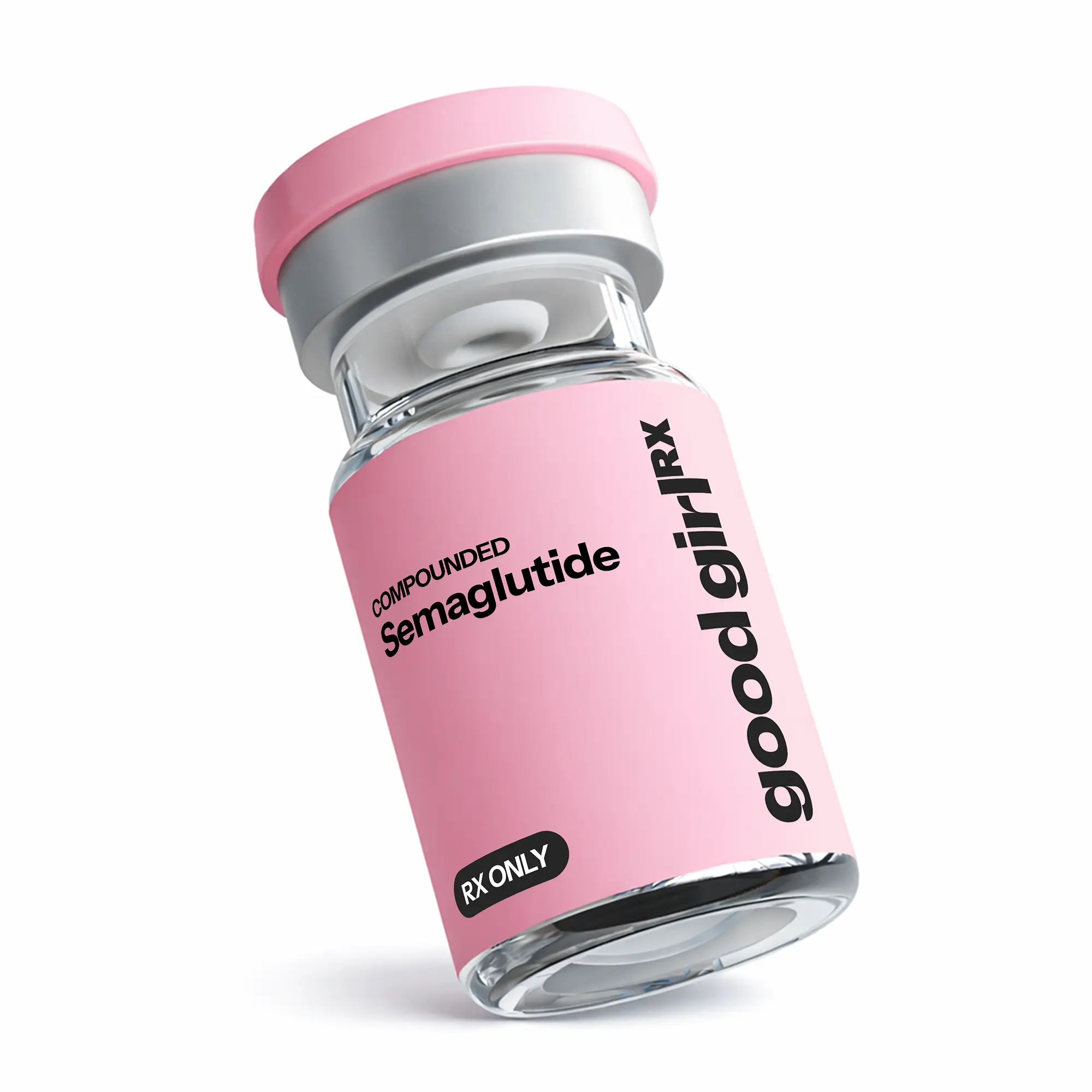
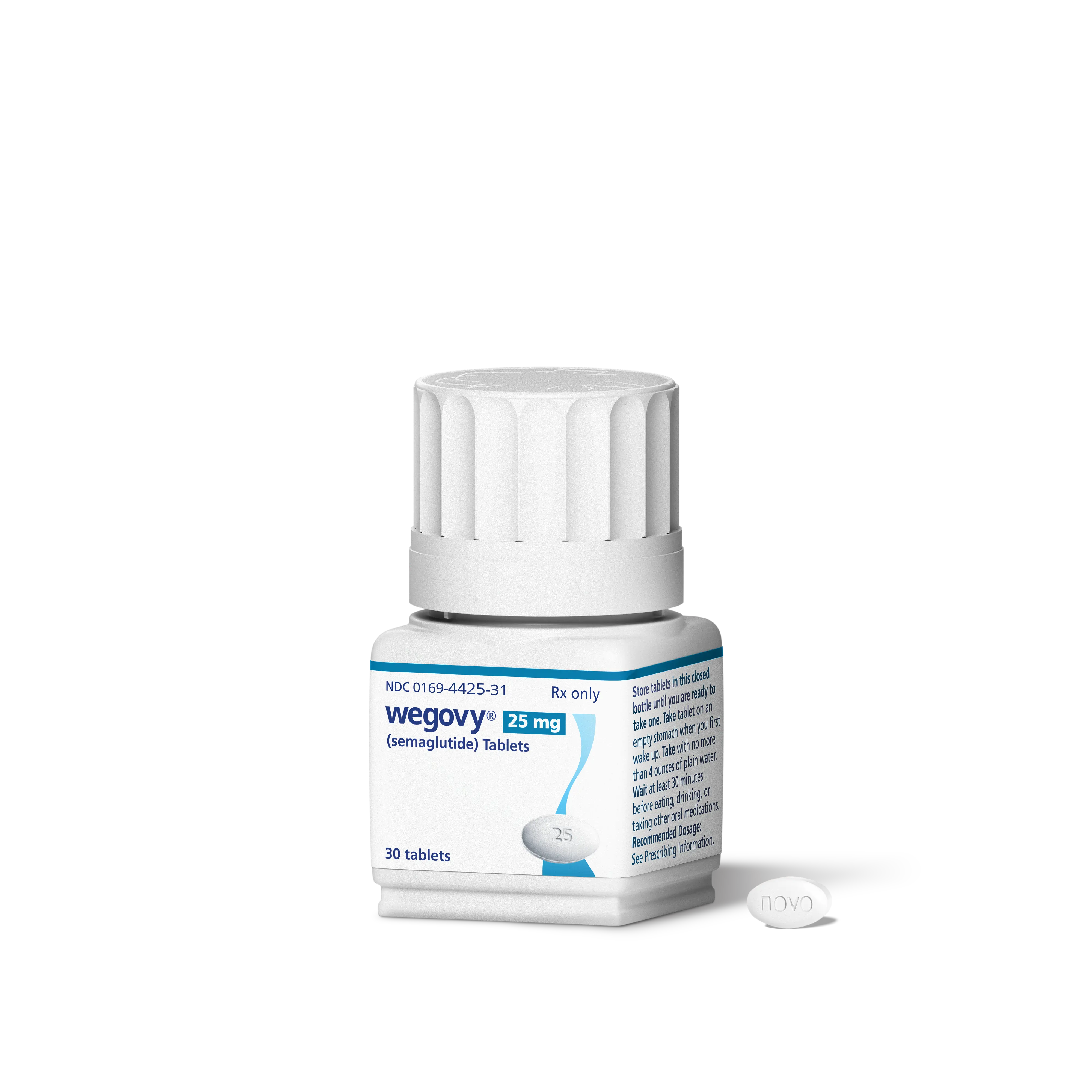
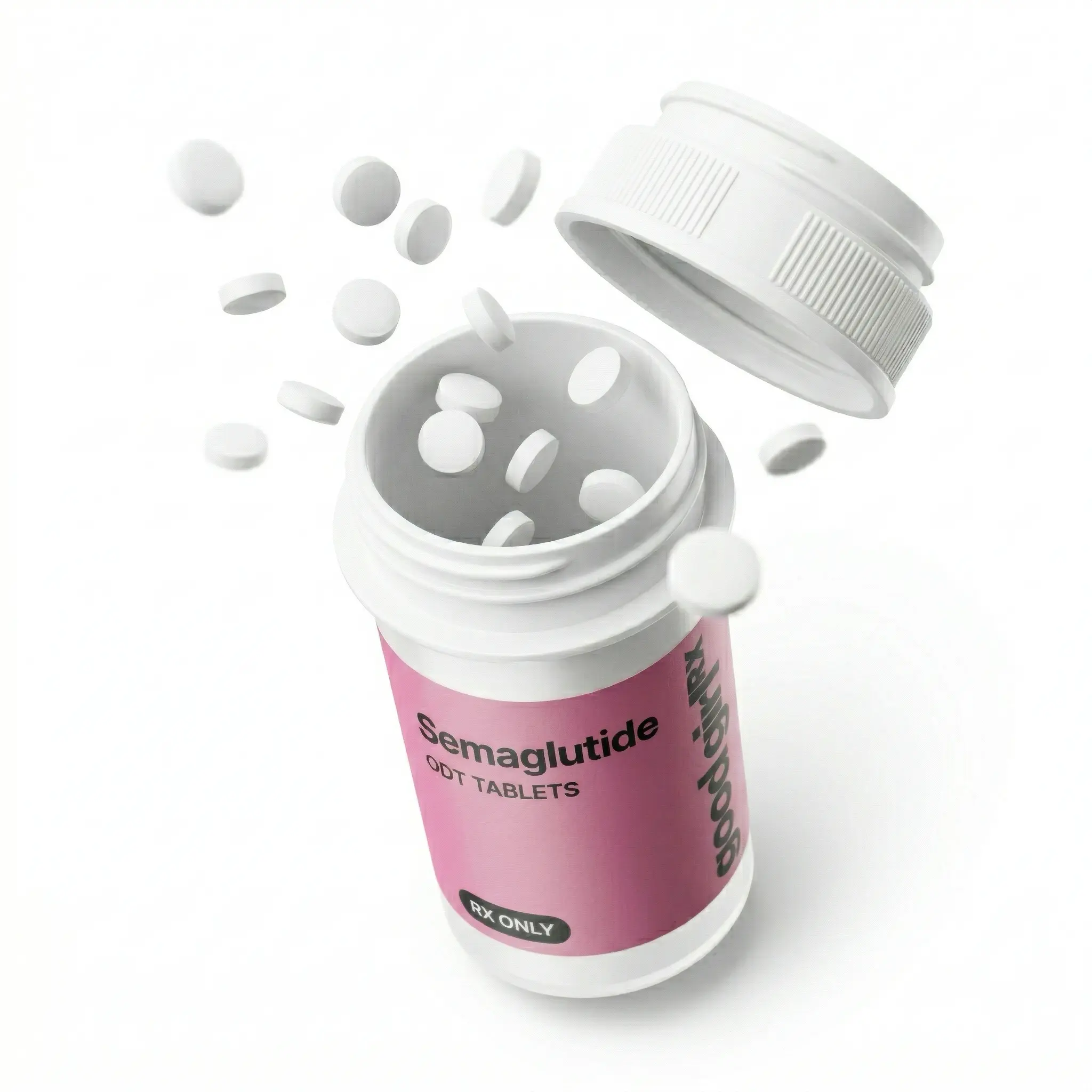
Tirzepatide (the compound in Zepbound and Mounjaro) acts on two hormone receptors—GLP-1 and GIP—to reduce appetite, slow stomach emptying, and improve the body's response to insulin. For women whose weight gain is driven partly by midlife insulin resistance, this dual action can be especially helpful. Some women prefer semaglutide, a single-receptor option, depending on their health history and preferences.
| Feature | Tirzepatide | Semaglutide |
|---|---|---|
| Receptors targeted | GLP-1 and GIP (dual) | GLP-1 (single) |
| Brand names | Zepbound, Mounjaro | Ozempic, Wegovy |
| Dosing | Weekly injection | Weekly injection or daily pill |
| Appetite effect | Strong dual-hormone action | Strong single-hormone action |
The Bottom Line on Metabolism After 40
Your metabolism after 40 isn't the enemy—it's simply operating under new rules. Declining muscle, shifting hormones, and the seasonal squeeze of winter combine to make weight gain feel harder to control than ever before. But understanding the why turns frustration into a plan.
Protect your muscle, defend your sleep, chase the winter light, and—if it's right for you—consider medical support designed for exactly these midlife changes. You don't have to white-knuckle your way through another winter. You just need a strategy built for the body you have now.
Your Metabolism Changed. Your Approach Can Too.
Start a confidential online visit to see if tirzepatide fits your goals this season.
Try tirzepatide →Share this article

Ready to start your journey?
Complete your free online visit and see if GLP-1 treatment is right for you.
Get Started