
NAD+ Anti-Aging for Women Over 40: What Science Says

Written by Taylor B.
Published November 2, 2026

If you've noticed that your energy dips faster, your recovery takes longer, and your metabolism feels like it shifted into a lower gear after your 40th birthday, you're not imagining it. One of the biggest conversations in longevity science right now centers on a tiny molecule called NAD+ — and NAD+ anti-aging for women over 40 has become one of the most searched wellness topics for good reason. Research shows that NAD+ levels naturally decline with age, and that drop may be quietly influencing how you feel every single day.
In this guide, we'll break down what NAD+ actually does inside your cells, what the real science says about its role in healthy aging, and how women in their 40s and beyond are using it to support energy, metabolism, and resilience. No hype — just the facts, explained like a smart friend who happens to know medicine.

What Is NAD+ and Why Does It Matter After 40?
NAD+ (nicotinamide adenine dinucleotide) is a coenzyme found in every living cell in your body. Think of it as the spark plug for your cellular engine. It helps convert the food you eat into usable energy, powers mitochondrial function, and supports critical repair processes that keep your cells healthy as they age.
Here's the catch: NAD+ levels decline steadily as we get older. Studies suggest that by middle age, your NAD+ levels may be roughly half of what they were in your twenties. For women navigating the hormonal shifts of perimenopause and beyond, this decline can overlap with changes in energy, metabolism, sleep, and recovery.
This is exactly why NAD+ has become a focal point in longevity research. Scientists aren't claiming it's a fountain of youth — but they are studying how maintaining healthier NAD+ levels may support the biological processes that influence how we age.
The Science: What NAD+ Does Inside Your Cells
To understand why NAD+ anti-aging for women over 40 is generating so much excitement, it helps to look at the three main ways this molecule works at the cellular level.
1. Fueling Mitochondrial Energy
Your mitochondria are the power plants of your cells, and NAD+ is essential to the chemical reactions that turn nutrients into ATP (your body's energy currency). As NAD+ declines, mitochondrial efficiency can suffer — which may contribute to that persistent middle-aged fatigue so many women describe.
2. Activating Sirtuins (Your Longevity Genes)
NAD+ activates a family of proteins called sirtuins, sometimes nicknamed the body's "longevity genes." Sirtuins help regulate inflammation, metabolism, and cellular stress responses. They literally cannot function without NAD+ as fuel — which is one of the most compelling links between NAD+ and healthy aging in the research.
3. Supporting DNA Repair
Every day, your DNA takes damage from normal metabolism, UV exposure, and environmental stressors. NAD+ powers enzymes called PARPs that help repair this damage. With adequate NAD+, your cells are better equipped to maintain their integrity over time.
“NAD+ sits at the crossroads of energy metabolism and cellular repair. Maintaining its levels is one of the most studied strategies in the entire field of healthy aging.”
Signs Your NAD+ Levels May Be Declining
There's no quick home test to measure NAD+, but many women over 40 report a cluster of symptoms that align with age-related NAD+ decline. If several of these sound familiar, it may be worth a conversation with your provider about cellular health support.
- Persistent fatigue that doesn't improve with rest
- Slower physical recovery after exercise or stress
- A metabolism that feels noticeably sluggish
- Brain fog or difficulty with mental sharpness
- Reduced resilience to everyday stress
- Changes in sleep quality and daytime energy
Ready to Support Your Cellular Energy?
Explore whether NAD+ therapy is right for you with a licensed provider through Good Girl Rx.
Explore NAD+ →How Women Over 40 Are Boosting NAD+
The good news is that NAD+ levels aren't fixed. There are several evidence-informed strategies women use to support healthier levels — from lifestyle habits to targeted therapies like NAD+ supplementation.
Lifestyle Habits That Support NAD+
- Regular exercise — especially resistance training and interval work, which research links to increased NAD+ biosynthesis
- Time-restricted eating or mild caloric moderation, which may activate NAD+-dependent pathways
- Quality sleep, since your circadian rhythm regulates NAD+ production
- Limiting alcohol, which consumes NAD+ during metabolism
- Sun protection, to reduce the DNA repair burden that depletes NAD+
NAD+ Therapy and Precursor Supplementation
For women who want more direct support, NAD+ therapy and its precursors (like NMN and NR) have become increasingly popular. These approaches aim to replenish the raw materials your body uses to make NAD+, supporting cellular energy and the repair processes discussed above.
Many women pair NAD+ with other wellness therapies as part of a broader longevity routine. Some explore peptide therapy like sermorelin for recovery and vitality, while others add glutathione for antioxidant support. The right combination is always best decided with your provider.
NAD+ Delivery Methods Compared
There's no single "best" way to support NAD+ — it depends on your goals, lifestyle, and how your body responds. Here's a simple comparison of the most common approaches.
| Method | How It Works | Best For |
|---|---|---|
| NAD+ injection | Delivers NAD+ precursors to support cellular levels | Consistent, convenient at-home support |
| Oral NMN/NR | Precursors the body converts into NAD+ | Daily maintenance routines |
| Lifestyle (exercise, fasting) | Stimulates natural NAD+ production | Foundational, no-cost support |
| IV NAD+ | High-dose infusion in a clinical setting | Periodic intensive support |
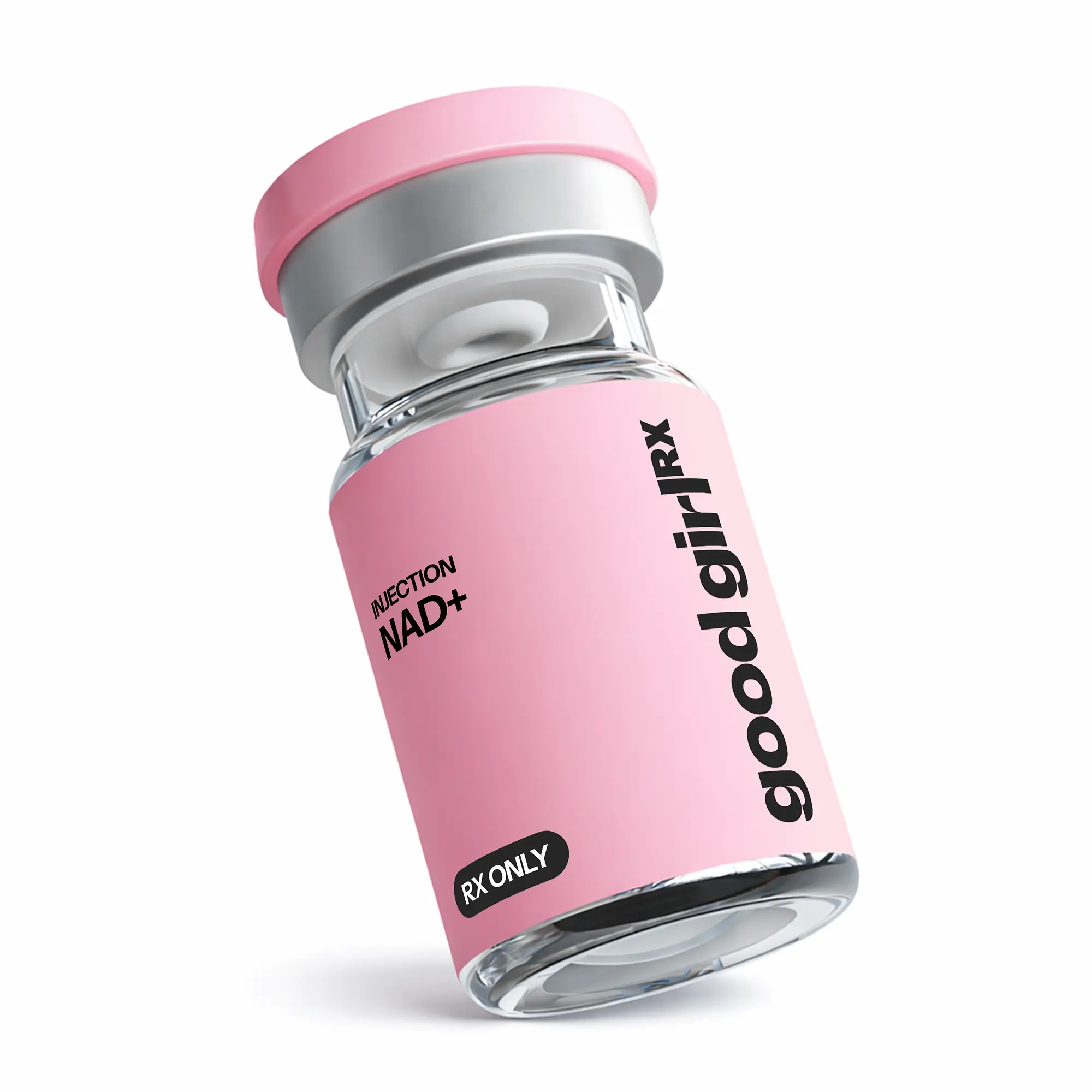
At-home options like NAD+ injections have made this longevity tool far more accessible for busy women who can't commit to lengthy in-office infusions. As always, your provider can help you decide which method fits your health profile.
What to Realistically Expect
Let's keep it honest: NAD+ is not a magic anti-aging button, and no legitimate provider will promise you'll turn back the clock. The science on NAD+ anti-aging for women over 40 is promising but still evolving, and individual results vary widely.
That said, many women report feeling more energized, recovering faster, and experiencing improved mental clarity when they support their NAD+ levels alongside healthy habits. The goal isn't to stop aging — it's to age with more energy, resilience, and vitality.
“You can't rewind biology, but you can give your cells what they need to function at their best. That's what modern longevity is really about.”
If you're curious whether NAD+ therapy could be part of your longevity routine, the next step is a conversation with a licensed provider who can review your health history and goals. Supporting your cellular health in your 40s may be one of the most forward-thinking investments you make.
Age Smarter, Not Harder
Start your online visit with Good Girl Rx to explore NAD+ therapy tailored to women over 40.
Explore NAD+ →Share this article

Ready to start your journey?
Complete your free online visit and see if GLP-1 treatment is right for you.
Get Started