

Semaglutide and Alcohol: What Women Should Know

Written by Taylor B.
Published September 9, 2026

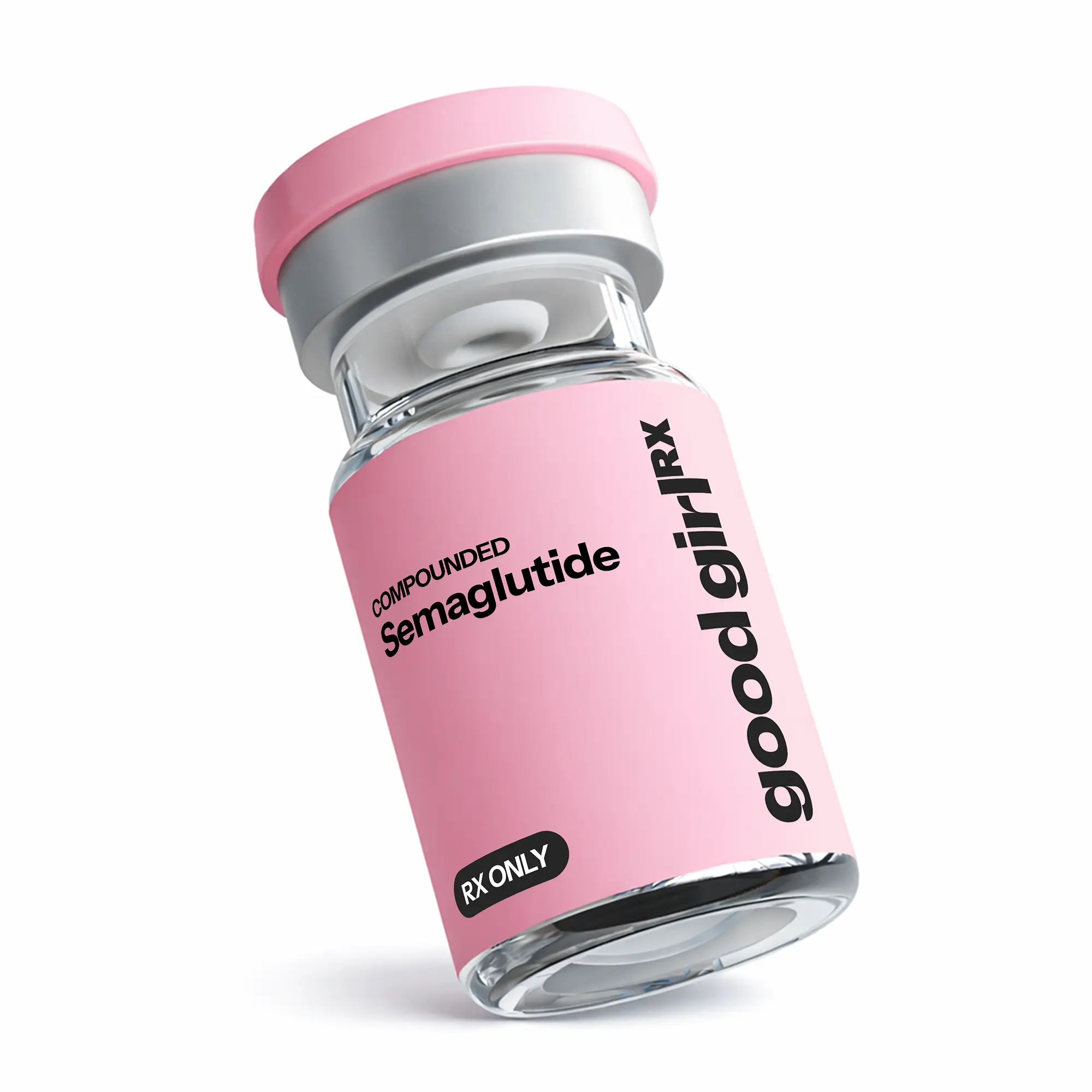
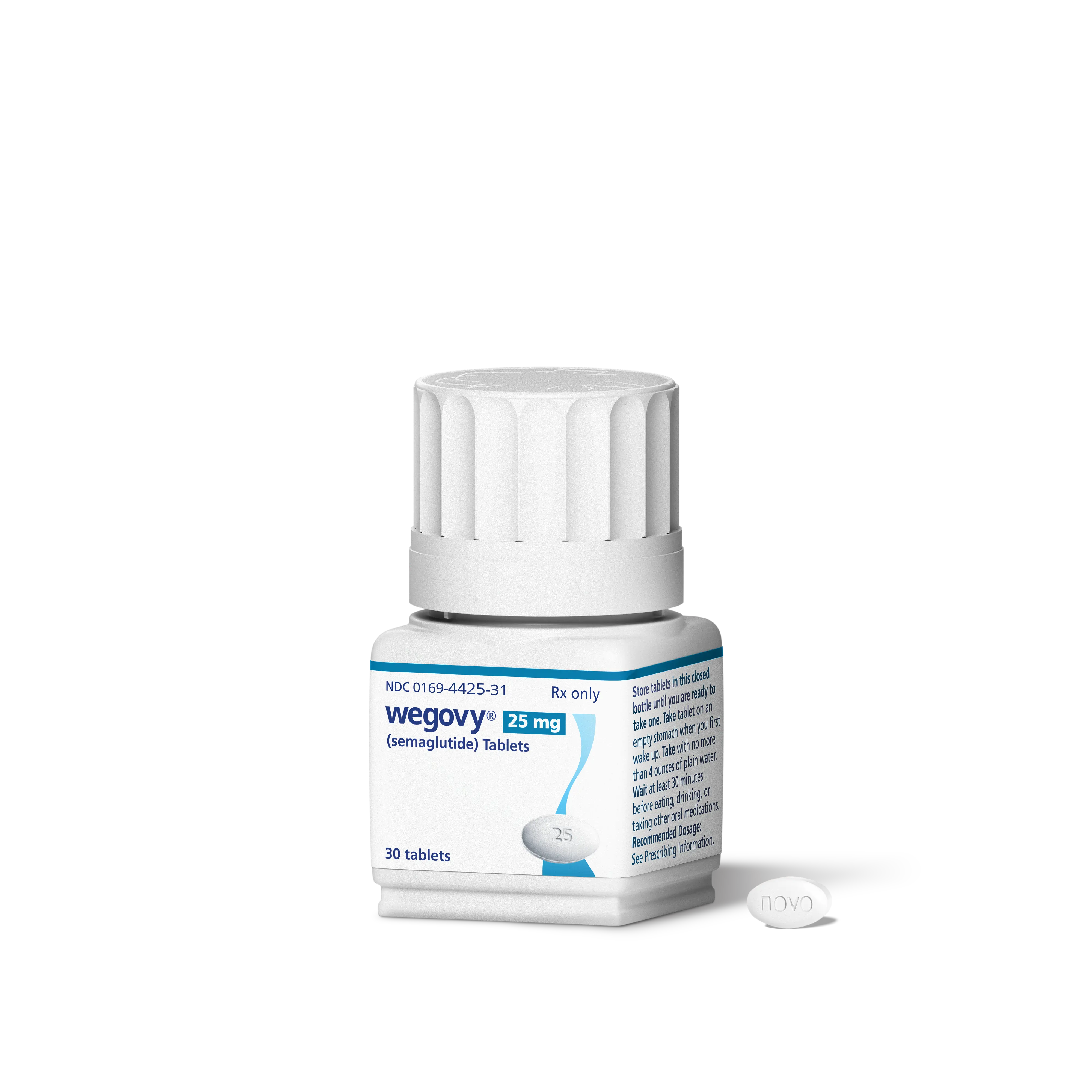
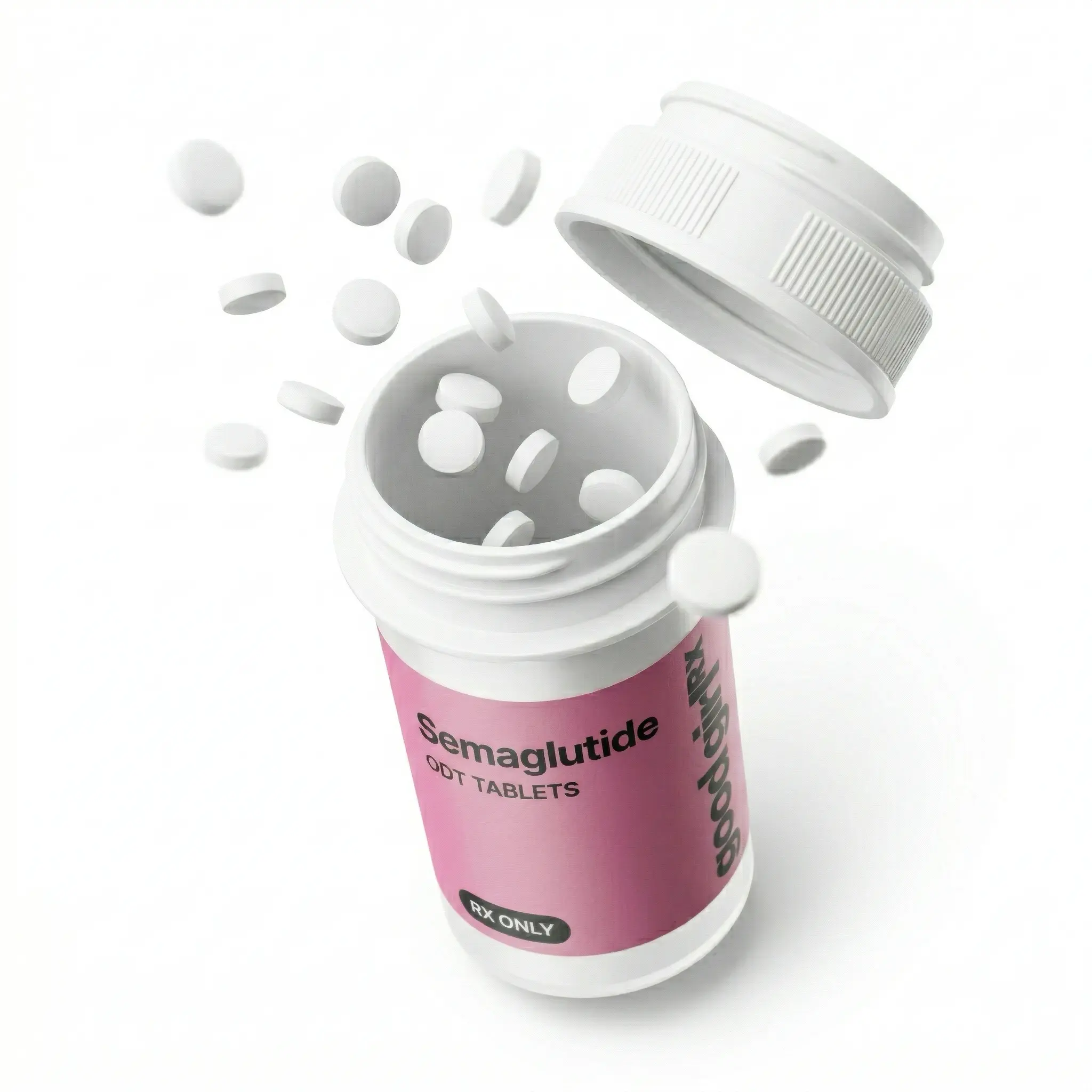
As sweater weather rolls in and you reach for that first cozy glass of pinot, you might be wondering how semaglutide and alcohol actually interact. For women navigating a weight-loss journey this fall, it's a smart question to ask. Semaglutide, the active ingredient in medications like Ozempic and Wegovy, is a GLP-1 receptor agonist that changes how your body handles hunger, blood sugar, and even how you feel about that after-dinner cocktail.

The short answer? There's no formal rule saying you must give up alcohol entirely on semaglutide. But there are real reasons to sip mindfully — from blood sugar swings to an amplified queasy feeling. This guide breaks down what every woman should know before pouring that seasonal glass, so you can enjoy the season without derailing your progress.
How Semaglutide Works in Your Body
Semaglutide mimics a natural hormone called GLP-1 (glucagon-like peptide-1) that your gut releases after eating. It slows down how quickly food leaves your stomach, signals fullness to your brain, and helps regulate insulin and blood sugar. That's why so many women feel satisfied with smaller portions and experience fewer cravings on semaglutide.
Because it slows gastric emptying, everything you consume — including alcohol — lingers longer in your digestive system. This is the key to understanding why your relationship with wine, cocktails, and beer may feel noticeably different once you start treatment.
Semaglutide and Alcohol: What Women Should Expect
When it comes to semaglutide and alcohol women should be aware of a few realities. First, alcohol on a slower-emptying stomach can hit differently — sometimes you'll feel effects faster, sometimes you'll feel more nauseous. Second, both semaglutide and alcohol can independently affect blood sugar, and combining them requires attention.
1. Nausea May Be Amplified
Nausea is one of the most common side effects of semaglutide, especially in the early weeks or after a dose increase. Alcohol is a known stomach irritant, so pairing the two can turn a light buzz into an uncomfortable evening. If you're still adjusting to your dose, this is the biggest reason to hold off or go slow.
2. Blood Sugar Swings
Alcohol can cause your blood sugar to drop, particularly if you drink on an empty stomach. Since semaglutide also lowers blood glucose, the combination can increase the risk of hypoglycemia (low blood sugar) — with symptoms like shakiness, dizziness, sweating, and confusion. Women who also take insulin or sulfonylureas should be especially cautious and talk to their provider.
3. Sweet, Sugary Drinks Feel Off
That pumpkin spice espresso martini or sugary hard seltzer might not sit as well as it used to. Many women notice that rich, sweet, or high-fat foods and drinks trigger more discomfort on semaglutide — another reason the season's dessert cocktails may lose their appeal.
“The most common thing I hear from patients isn't that they can't drink — it's that they simply don't want to as much anymore. Their brains and bodies are recalibrating.”
Ready to Start Your Semaglutide Journey?
Connect with a licensed provider online to see if semaglutide is right for you — no waiting rooms required.
Try semaglutide →Smart Sipping: A Practical Guide for Fall
You don't have to swear off every glass of rosé to succeed on semaglutide. The goal is to be intentional. Here's how to enjoy autumn gatherings while protecting your progress and your comfort.
- Never drink on an empty stomach — pair alcohol with a balanced snack containing protein to stabilize blood sugar.
- Hydrate generously — alternate each alcoholic drink with a full glass of water to reduce nausea and dehydration.
- Start with one drink — especially after a dose increase, see how your body responds before pouring a second.
- Skip the sugary cocktails — opt for a dry wine or a spirit with soda water instead of syrupy seasonal mixers.
- Watch for low blood sugar signs — carry a small snack and know the symptoms of hypoglycemia.
- Time it wisely — many women feel best drinking a few days after their weekly injection rather than the day of.
Alcohol, Weight Loss, and Your Goals
Beyond the immediate side effects, it's worth remembering that alcohol carries empty calories and can quietly stall weight-loss progress. A single glass of wine runs about 120-150 calories, and cocktails can climb far higher. Alcohol can also lower inhibitions around late-night snacking — a common reason the scale doesn't budge.
| Drink | Serving | Approx. Calories |
|---|---|---|
| Dry red wine | 5 oz | 125 |
| Pumpkin spice martini | 5 oz | 300+ |
| Hard apple cider | 12 oz | 200 |
| Spirit + soda water | 1.5 oz | 100 |
| Craft pumpkin ale | 12 oz | 220 |
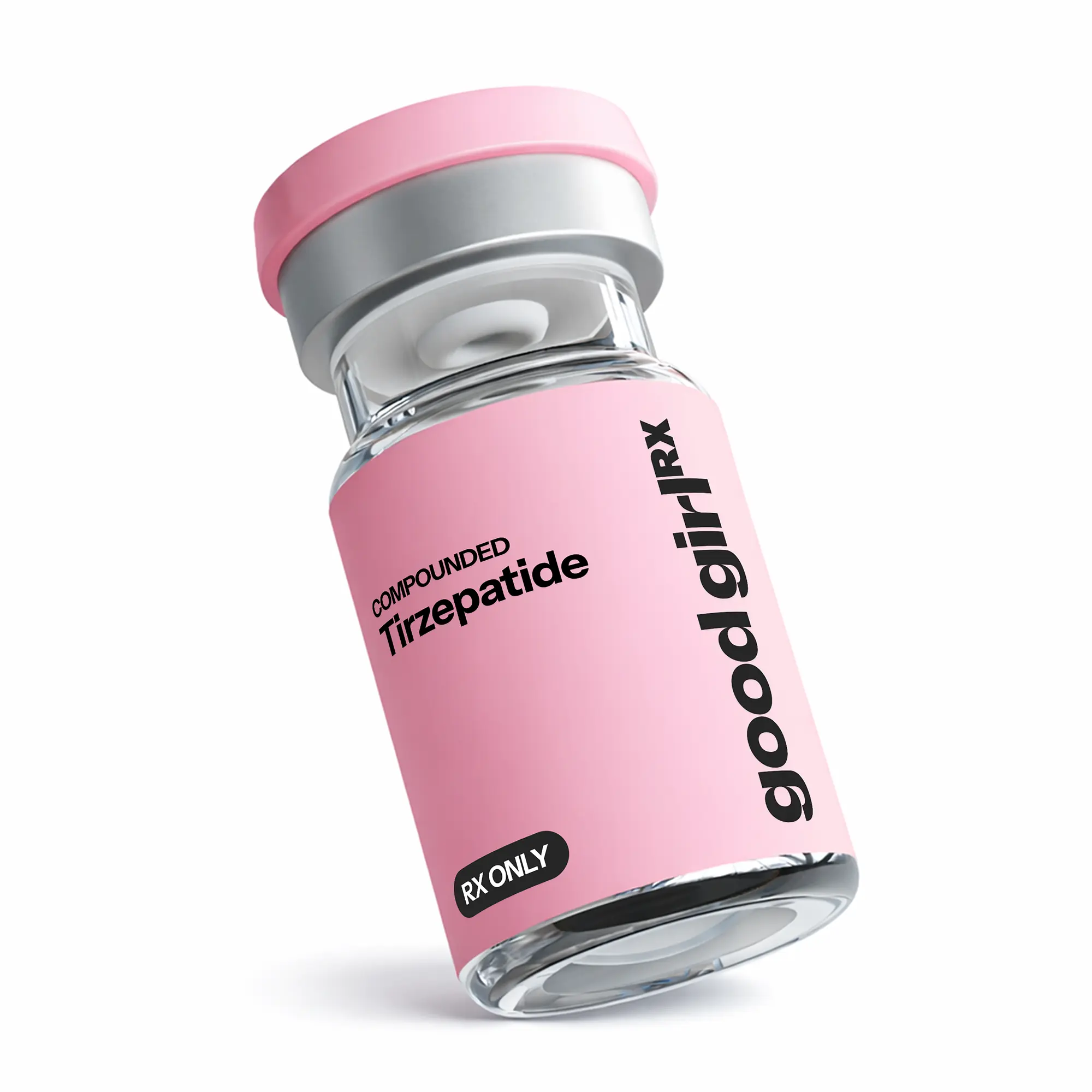
The good news is that many women find their alcohol intake naturally decreases on semaglutide — which can be an unexpected bonus for both your waistline and your sleep quality. If you're comparing options, some women also explore tirzepatide, a dual-action GLP-1/GIP medication, with their provider.
Frequently Asked Questions
Can I drink wine while on semaglutide?
Generally, moderate alcohol is not strictly prohibited on semaglutide, but you should drink cautiously — with food, water, and awareness of nausea and blood sugar. Always confirm with your provider based on your personal health history.
Does alcohol reduce the effectiveness of semaglutide?
Alcohol doesn't chemically block semaglutide, but heavy drinking can add calories, disrupt sleep, and trigger cravings that work against your goals. Occasional, mindful drinking is different from regular heavy consumption.
Why do I feel more drunk on semaglutide?
Because semaglutide slows stomach emptying and many women eat less, alcohol may be absorbed differently and feel stronger. Pace yourself and treat your first few social occasions as experiments in how your body responds.
“Progress isn't about perfection — it's about knowing your body a little better every day.”
Feel Confident This Fall
Start your online visit today and get personalized guidance from a licensed provider who understands women's health goals.
Get Started →Whether you toast the season with a small glass of cabernet or opt for a sparkling water with lime, the choice is yours. Understanding how semaglutide and alcohol interact simply gives you the power to make it a good one — and to keep moving toward the healthier, more confident version of you.
Share this article

Ready to start your journey?
Complete your free online visit and see if GLP-1 treatment is right for you.
Get Started