

Semaglutide & Bone Density: What Women Over 40 Should Know

Written by James T.
Published September 8, 2026

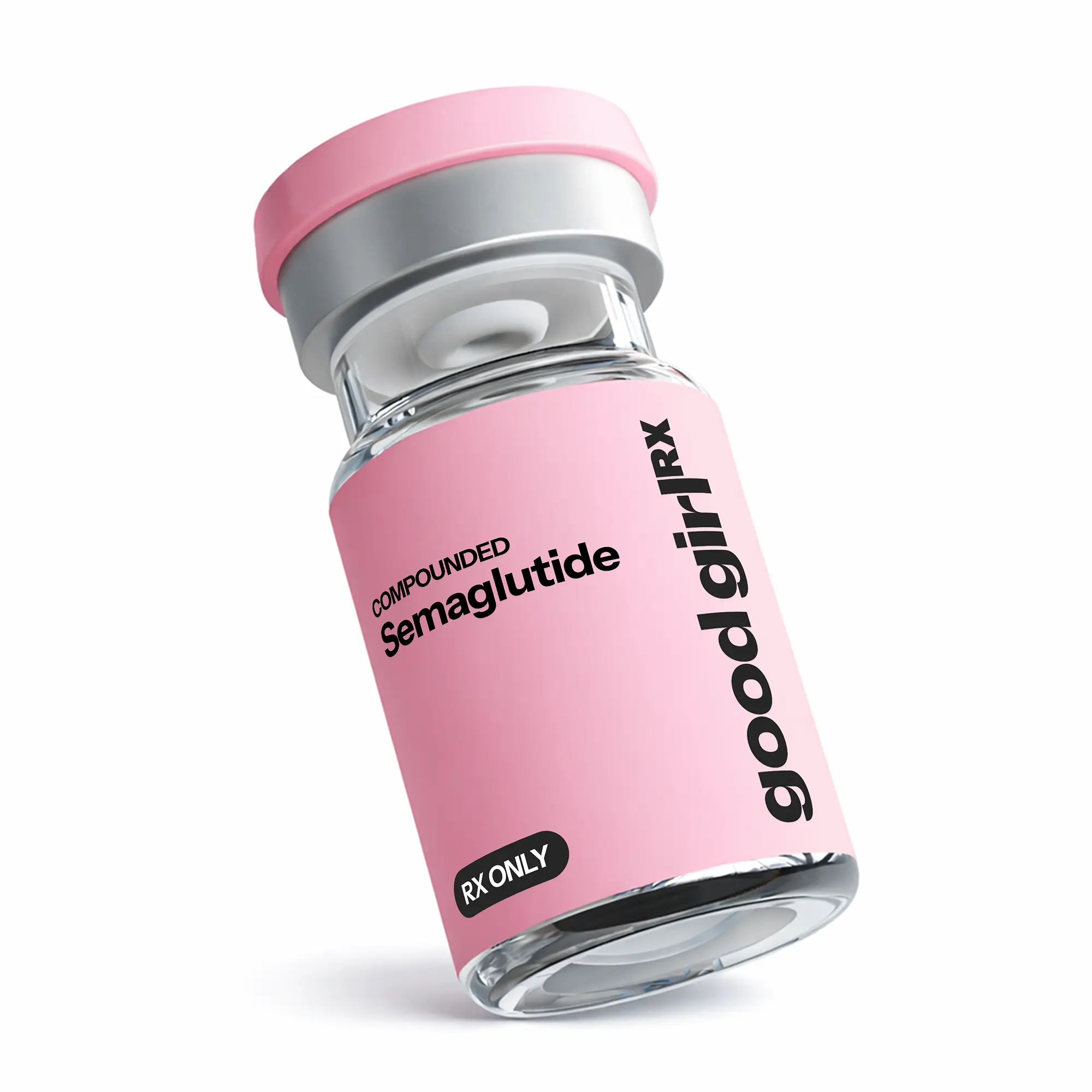
If you're a woman over 40 exploring semaglutide for weight management, you may have heard whispers about a potential downside: bone loss. The question of semaglutide bone density women should be asking about is a smart one—because midlife is exactly when your bones deserve extra attention. As estrogen naturally declines around perimenopause, your skeleton becomes more vulnerable to thinning.
The good news? Understanding the science empowers you to pursue the body you want and protect the bones that carry you through it. Let's separate the real research from the fear-mongering headlines.

Why Bone Density Matters More After 40
Bone is living tissue that constantly rebuilds itself. Until your mid-30s, your body builds more bone than it loses. After that, the balance quietly shifts—and once women approach menopause, the drop in estrogen accelerates bone loss significantly.
According to the National Osteoporosis Foundation, women can lose up to 20% of their bone density in the five to seven years following menopause. That's why any factor affecting bone—including rapid weight loss—deserves thoughtful consideration for women in this stage of life.
Does Semaglutide Affect Bone Density?
Here's the nuance: semaglutide itself doesn't appear to directly weaken bones. Instead, researchers are studying whether the rapid weight loss it can produce may reduce bone mineral density—the same way any significant, fast weight loss can.
When you lose weight quickly, your body sheds not only fat but sometimes muscle and, potentially, a small amount of bone mass. Less body weight also means less mechanical load on your skeleton, which can signal your bones to become less dense over time if you're not actively counteracting it.
Interestingly, some laboratory research suggests GLP-1 receptors (the pathway semaglutide acts on) may actually play a protective role in bone metabolism. The picture is genuinely mixed—which is exactly why individualized care matters. If you're considering semaglutide, your provider can help you weigh the benefits against your personal bone health profile.
“The concern isn't the medication—it's how quickly and carefully weight is lost. With the right strategy, you can protect your bones while transforming your health.”
| Factor | Potential Bone Impact | Protective Strategy |
|---|---|---|
| Rapid weight loss | May lower bone mineral density | Aim for gradual, steady loss |
| Reduced mechanical load | Less stimulus for bone building | Add weight-bearing exercise |
| Low protein intake | Impairs bone matrix repair | Prioritize adequate protein |
| Low calcium/vitamin D | Weakens bone mineralization | Supplement as advised by provider |
Personalized Weight Loss With Your Health in Mind
Explore whether medically-guided semaglutide is right for you—with a provider who considers your whole health picture, including bone density.
Try semaglutide →How to Protect Your Bones While Taking Semaglutide
The most reassuring part of this research? The strategies that protect bone density during weight loss are practical, evidence-based, and completely within your control. You don't have to choose between reaching your goals and safeguarding your skeleton.
Prioritize Protein and Strength Training
Resistance training is arguably the single best thing you can do for your bones during weight loss. Loading your bones through strength work signals them to stay dense and strong—while also preserving the lean muscle that GLP-1 weight loss can otherwise reduce.
- Strength train 2–3 times per week, focusing on major muscle groups
- Aim for adequate protein (many experts suggest 1.0–1.2g per kg of body weight)
- Add weight-bearing cardio like walking, hiking, or dancing
- Ensure enough calcium (about 1,200mg daily for women over 50)
- Optimize vitamin D levels—get tested and supplement as needed
Go Slow and Steady
Rapid weight loss is where most bone-related concerns arise. A gradual, sustainable pace—guided by your provider—gives your body time to adapt and helps preserve both muscle and bone. This is one reason medically supervised programs matter so much for women over 40.
Consider Supportive Therapies
Some women complement their weight loss journey with targeted nutritional support. B12 injections can support energy for staying active, while adequate micronutrient intake supports overall metabolic health. Always discuss supplements and add-on therapies with your provider to build a plan tailored to you.
Should Women Over 40 Still Consider Semaglutide?
For many women, absolutely. Carrying excess weight itself carries significant health risks—including for your joints, heart, and metabolic health. The benefits of achieving a healthy weight are well-documented and often outweigh a manageable bone consideration.
The key is thoughtful, personalized care. When semaglutide bone density women conversations happen with a knowledgeable provider, you can build a plan that includes strength training, proper nutrition, and appropriate monitoring—so you lose fat, not bone.
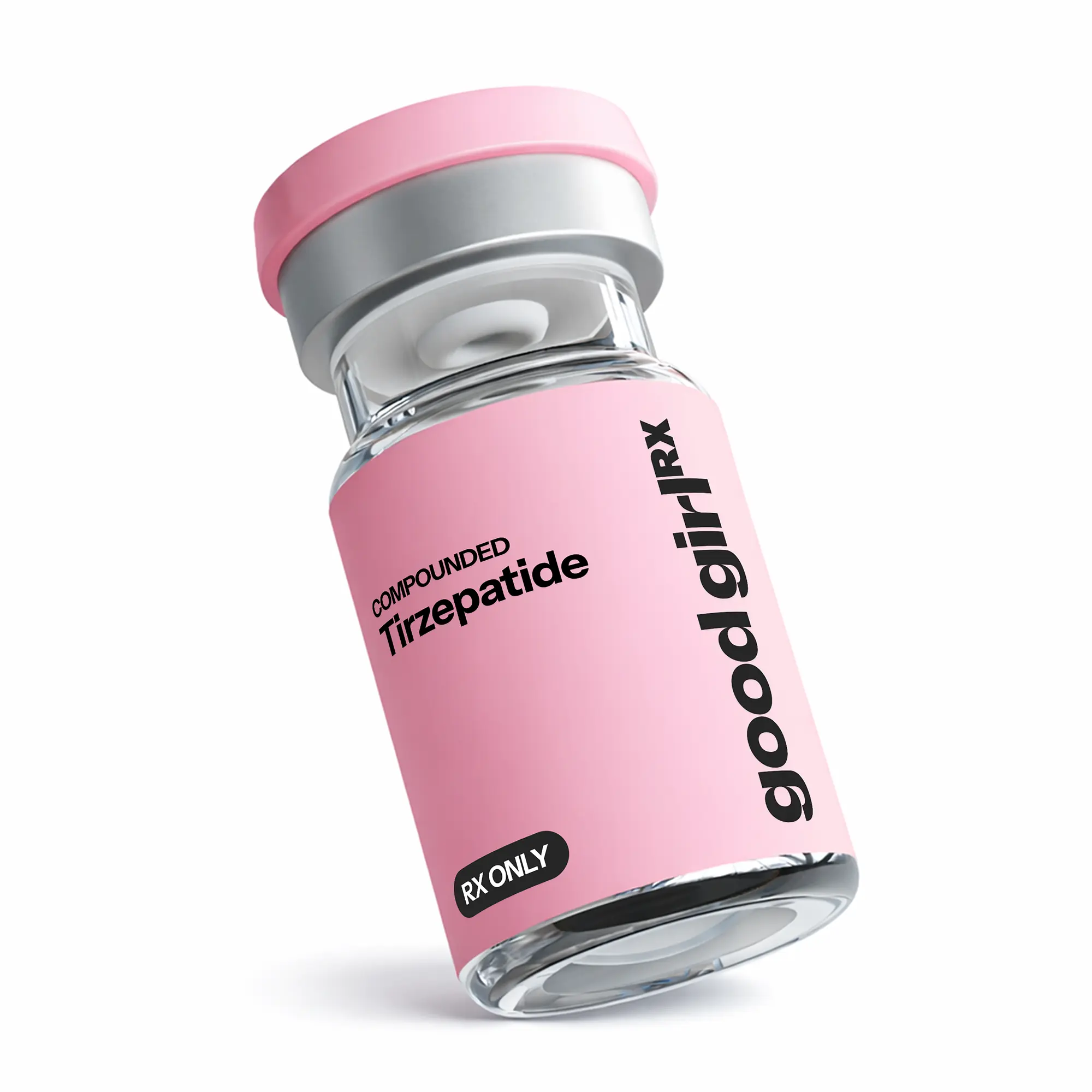
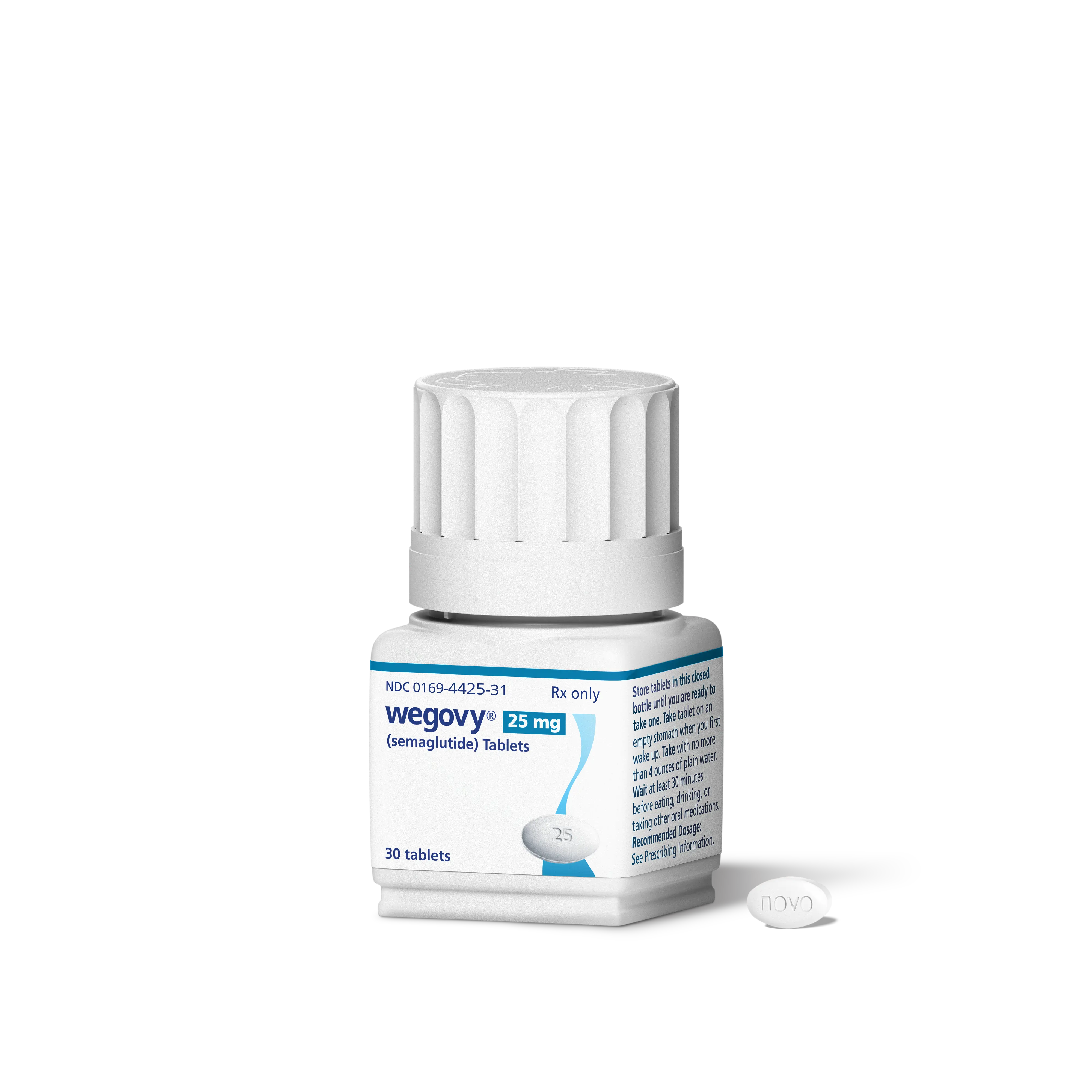
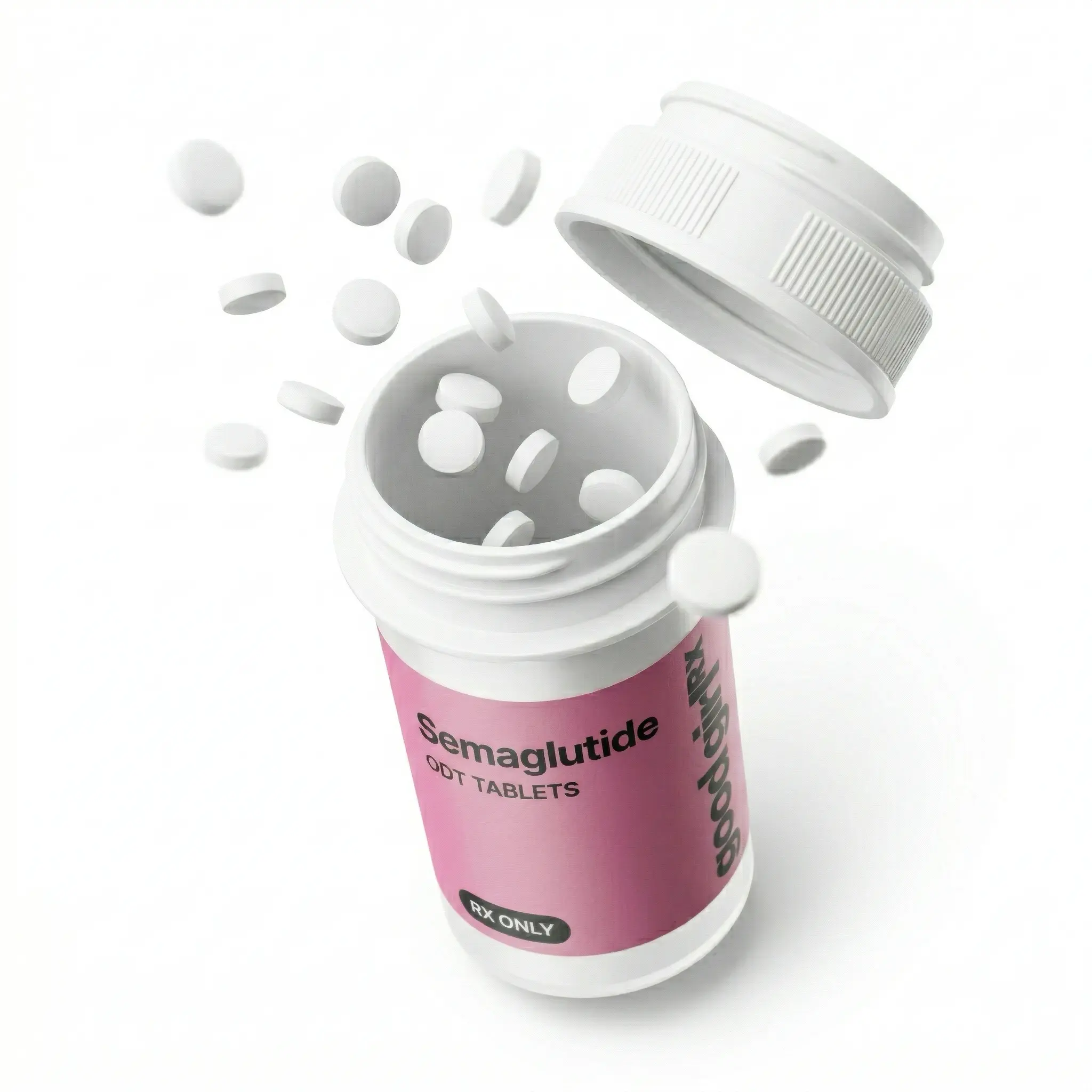
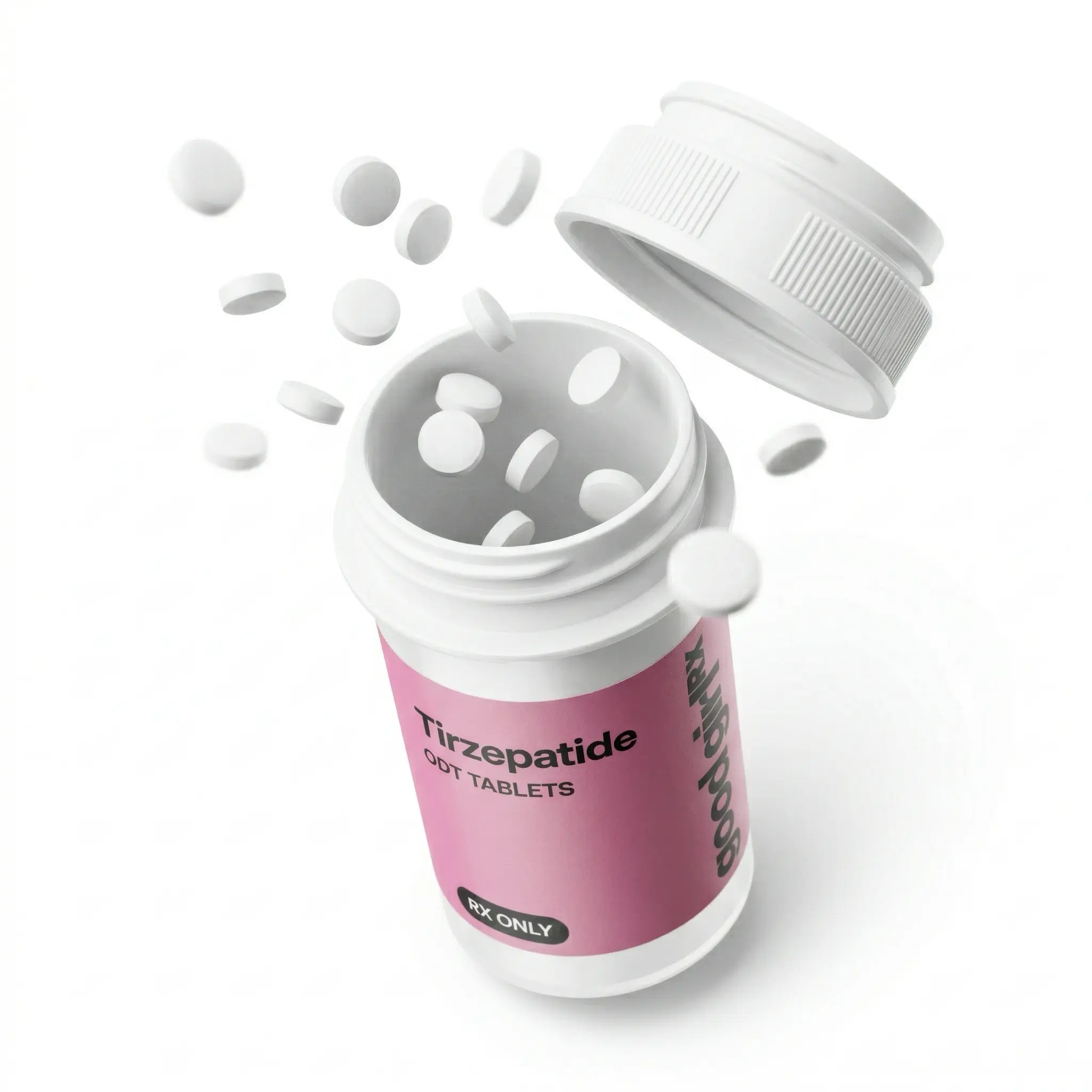
If injections aren't your preference, some women explore oral weight loss options or tirzepatide with their provider. The right choice depends on your goals, health history, and lifestyle.
“You deserve to feel strong, confident, and vibrant at every age—and that includes bones that support the life you love.”
Ready to Start Your Journey?
Connect with a licensed provider who understands women's health after 40 and will build a weight loss plan that protects your whole body.
Get Started →Weight loss and bone health don't have to be at odds. With the right pace, the right movement, the right nutrition, and the right medical guidance, you can pursue your goals confidently—and keep your foundation strong for decades to come.
Share this article

Ready to start your journey?
Complete your free online visit and see if GLP-1 treatment is right for you.
Get Started