

Semaglutide for Menopause Weight Gain: A 40+ Guide

Written by Marcus W.
Published September 10, 2026

If you've noticed the scale creeping up despite eating the same way you always have, you're not imagining things. Menopause weight gain is one of the most frustrating changes women over 40 face, and it often shows up right around this time of year when routines shift and the days get shorter. The good news? Semaglutide for menopause weight gain has become one of the most talked-about, evidence-backed tools for women navigating this transition — and understanding how it works can help you feel back in control.

As estrogen levels decline, your body's metabolism, fat storage, and appetite signals all shift. Fat that once settled on your hips and thighs starts to gather around your midsection, and stubborn belly weight becomes harder to lose. This isn't a willpower problem — it's biology. And that's exactly why so many women are turning to modern medical solutions this fall.
Why Menopause Changes Everything About Weight
During perimenopause and menopause, estrogen — a hormone that helps regulate metabolism and where your body stores fat — drops significantly. This hormonal shift slows your resting metabolic rate, meaning you burn fewer calories at rest than you did in your 30s.
At the same time, muscle mass naturally declines with age, a process called sarcopenia. Since muscle burns more calories than fat, losing it further slows your metabolism. Add in disrupted sleep, higher stress, and shifting hunger hormones, and you have the perfect storm for weight gain.
- Declining estrogen shifts fat storage toward the abdomen
- Slower metabolism means fewer calories burned at rest
- Muscle loss reduces your overall calorie needs
- Insulin resistance increases, making fat easier to store
- Poor sleep and higher cortisol amplify cravings and appetite
How Semaglutide Works for Menopause Weight Gain
Semaglutide is a GLP-1 receptor agonist, a class of medication that mimics a hormone your gut naturally produces after eating. This hormone tells your brain you're full, slows how quickly your stomach empties, and helps regulate blood sugar. For women dealing with menopause-related appetite changes and insulin resistance, this can be a game-changer.
By reducing hunger and quieting the "food noise" that so many women describe, semaglutide makes it easier to eat in a way that supports fat loss — without the constant white-knuckle willpower. It also improves insulin sensitivity, which directly targets one of the biggest metabolic hurdles of menopause.
“For many women in midlife, semaglutide addresses the exact hormonal and metabolic barriers that make menopause weight gain feel impossible to overcome.”
Clinical research on semaglutide has shown meaningful weight reduction across broad populations, and many midlife women report that it finally gives them traction after years of feeling stuck. Individual results vary, but the mechanism is uniquely suited to the challenges women over 40 face.
Ready to Feel Like Yourself Again?
Start your online visit and see if semaglutide is right for your menopause journey this fall.
Try semaglutide →Semaglutide vs. Other Options for Women Over 40
Semaglutide isn't the only GLP-1 medication on the market, and it helps to understand how the options compare. Here's a simple breakdown of what women often consider when discussing weight loss with their provider.
| Option | How It's Taken | Primary Benefit |
|---|---|---|
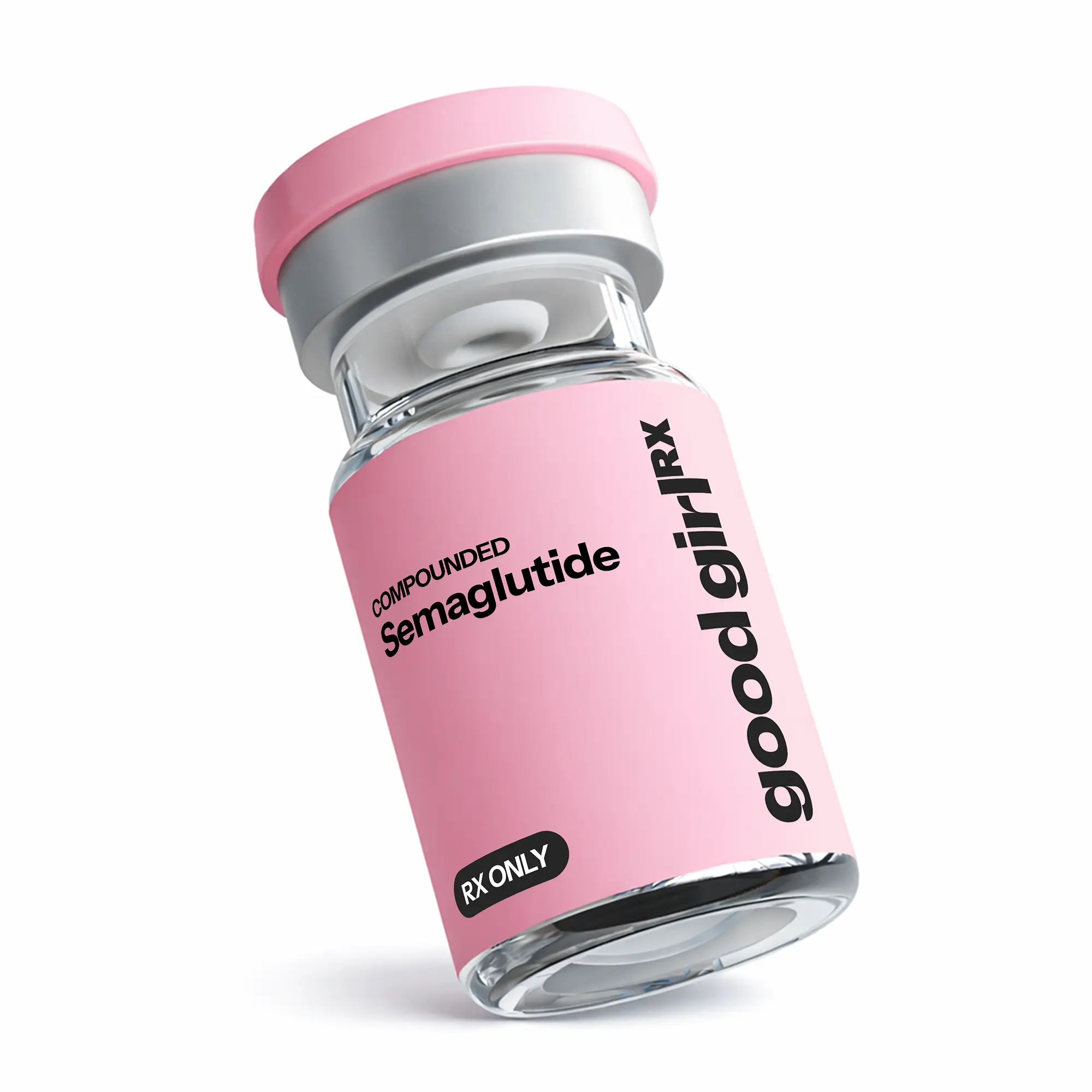
| Semaglutide (injection) | Weekly injection | Appetite control + blood sugar support |
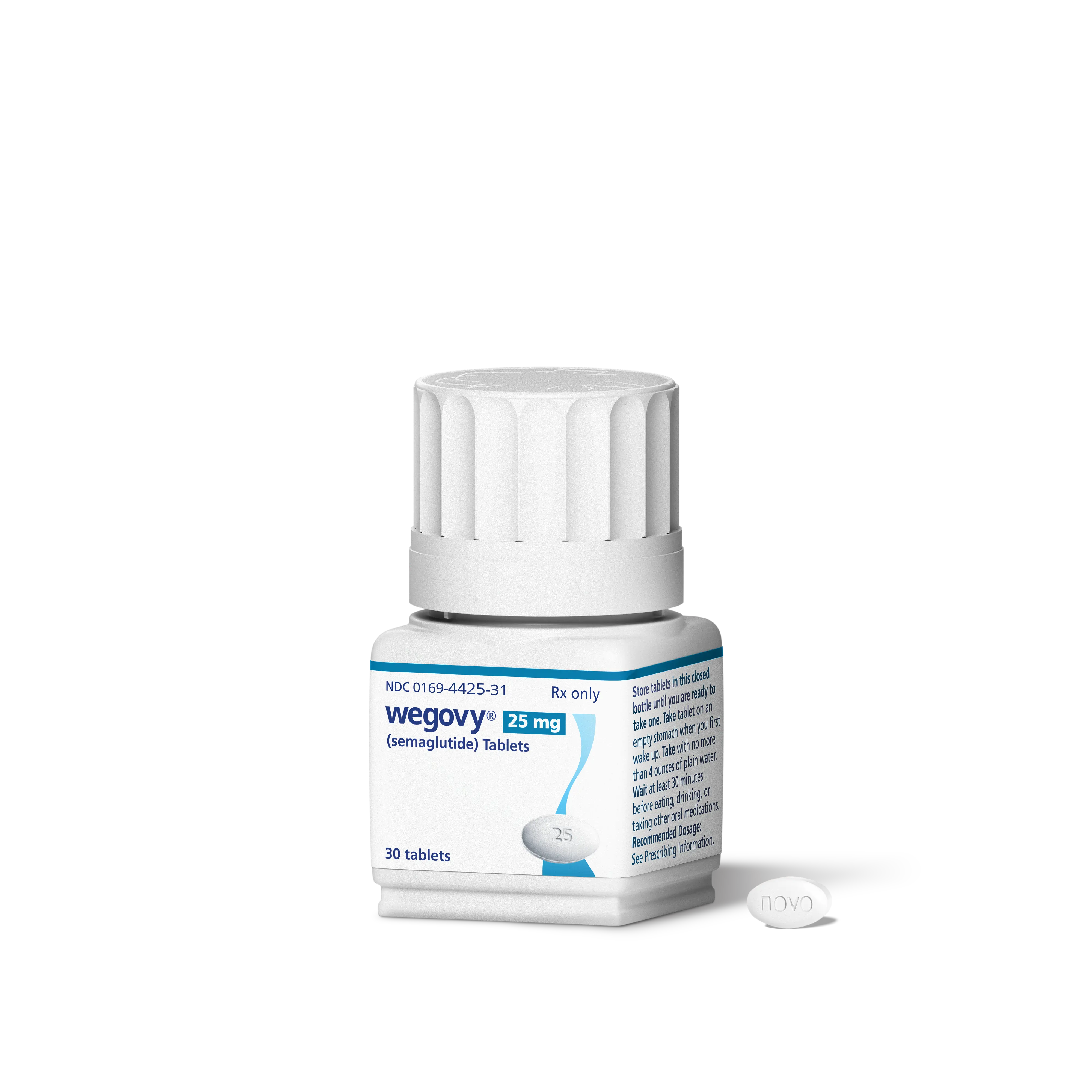
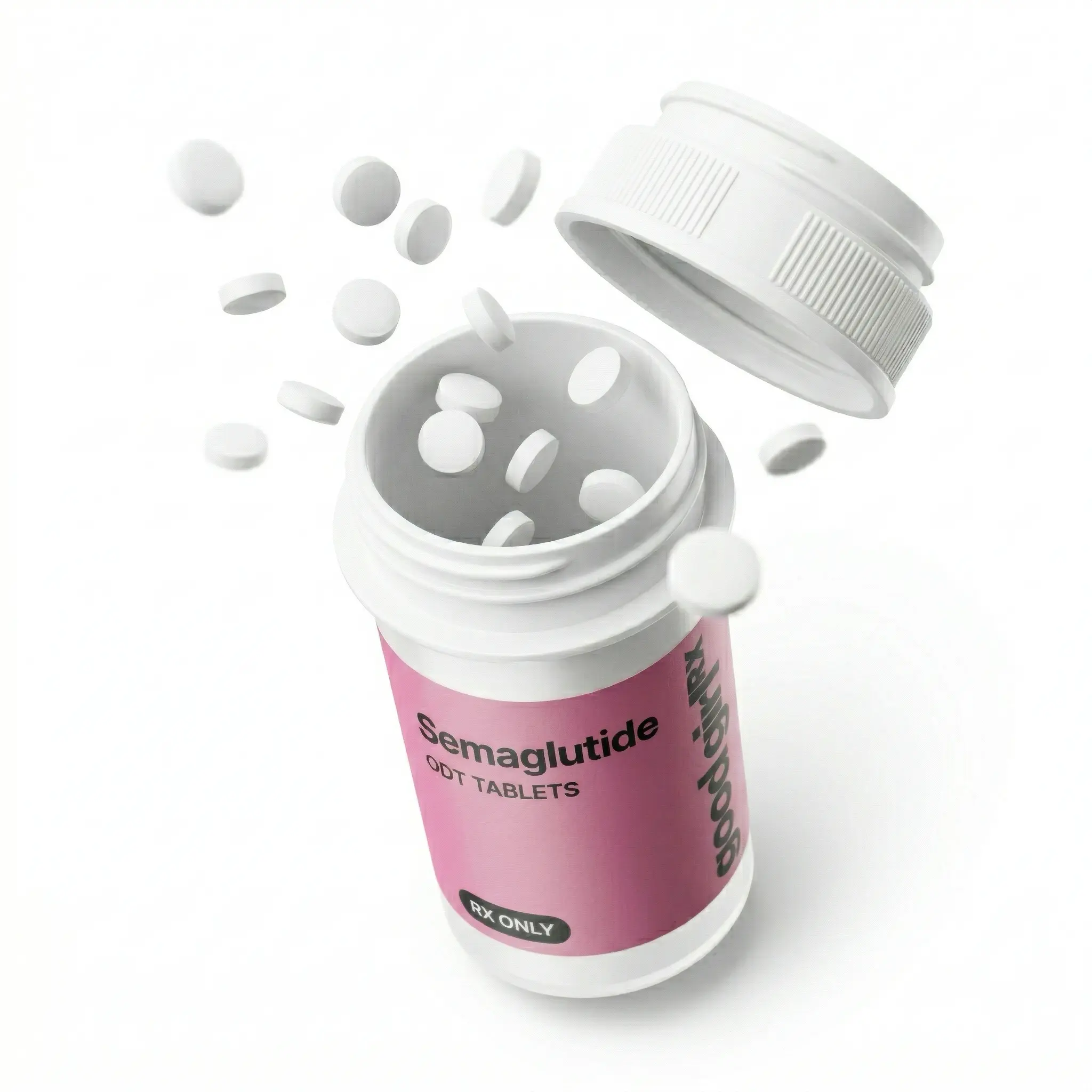
| Semaglutide (oral) | Daily pill | Needle-free convenience |
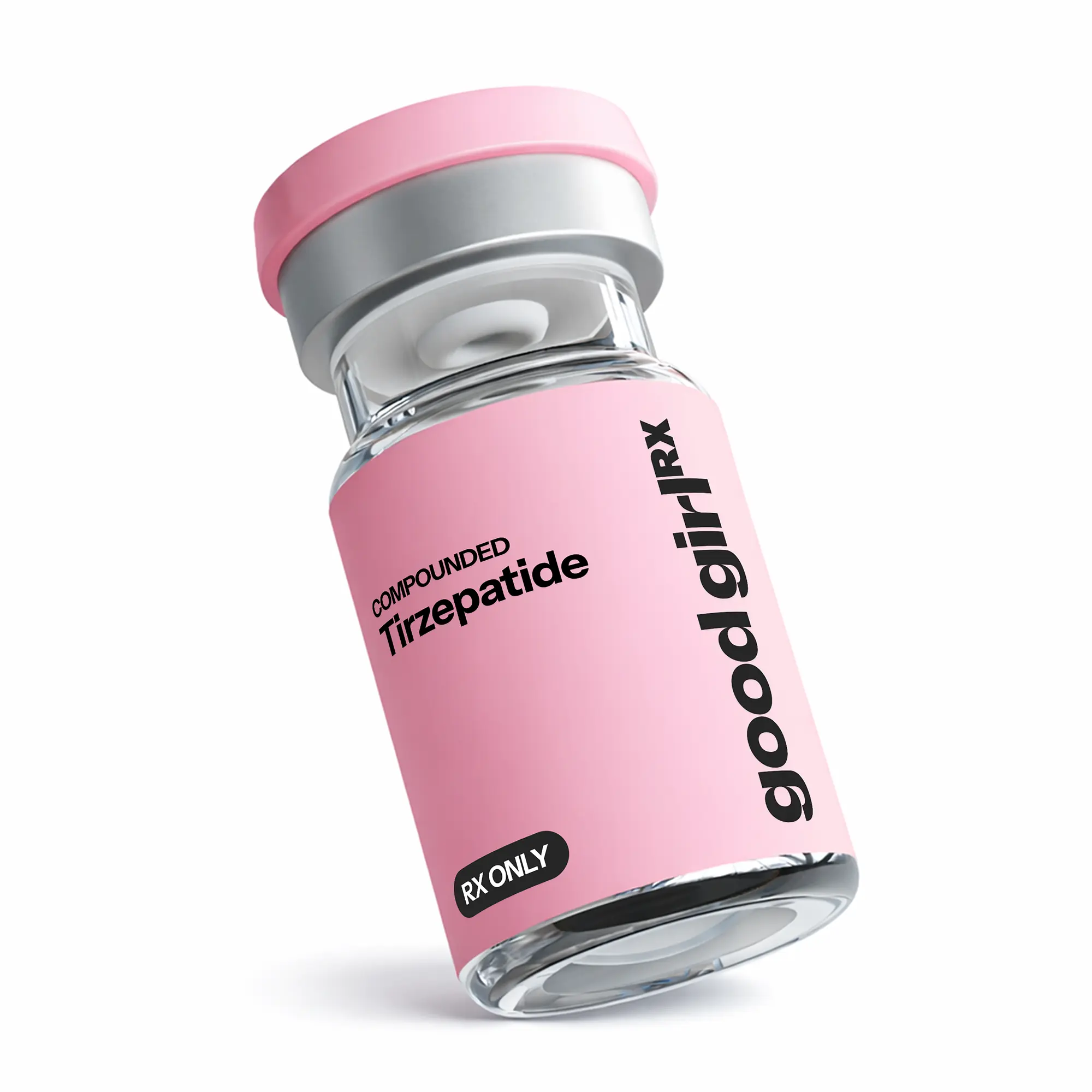
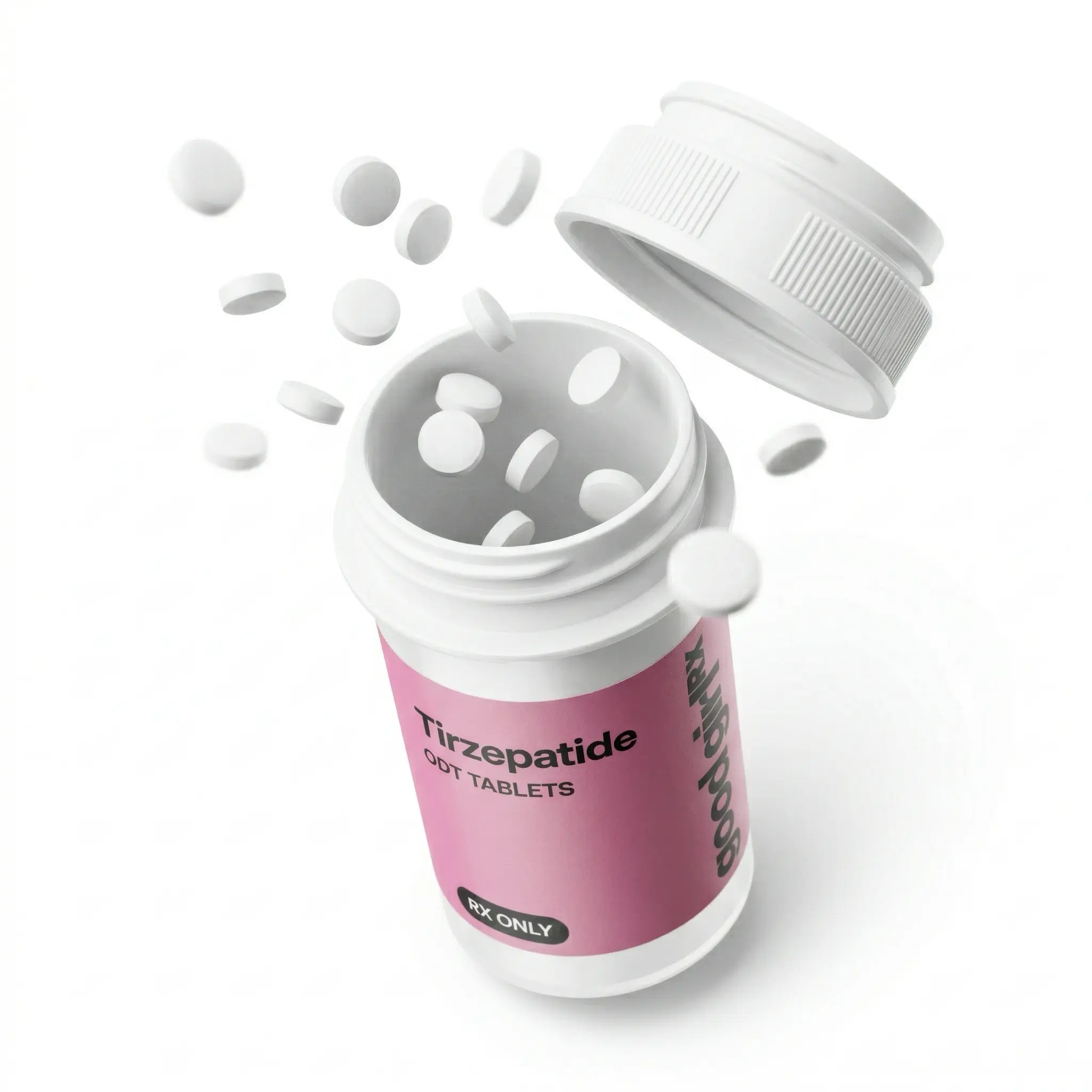
| Tirzepatide | Weekly injection | Dual-hormone action for appetite |
| Lifestyle only | Ongoing | Foundational, but often slower in menopause |
Some women prefer the convenience of oral semaglutide, while others opt for the weekly tirzepatide injection. The right choice depends on your health history, goals, and preferences — which is exactly why a provider consultation matters.
Making the Most of Semaglutide This Fall
Fall is one of the best times to start a weight loss plan. Cooler weather makes movement more comfortable, cozy home-cooked meals are easy to make protein-forward, and you'll have momentum heading into the holidays instead of scrambling with resolutions in January.
To get the most from semaglutide for menopause weight gain, focus on the habits that amplify the medication's effects and protect your muscle and energy.
- Prioritize protein — aim for a source at every meal to preserve muscle
- Stay hydrated — GLP-1 medications reduce hunger, so it's easy to forget water
- Strength train — protect your metabolism as estrogen declines
- Sleep well — poor sleep raises cortisol and hunger hormones
- Track how you feel — energy, cravings, and clothing fit matter more than the scale alone
Many women also explore supportive therapies alongside their weight loss plan, like B12 injections for energy or lipotropic MIC+B12 to complement their routine. Always talk with your provider about what fits your unique needs.
You Deserve to Feel Confident in Your Body
Menopause weight gain can feel isolating, but you're far from alone — and you have more options than ever. With the right medical support, midlife can be a season of renewed confidence rather than frustration. Semaglutide is one powerful tool, but the real transformation happens when it's paired with care that treats you as a whole woman.
This fall, give yourself permission to invest in your health. Whether that means starting semaglutide or simply learning what your options are, taking the first step is something to be proud of.
Take the First Step This Fall
Complete a quick online visit with a licensed provider and get a personalized weight loss plan built for your midlife body.
Get Started →Share this article

Ready to start your journey?
Complete your free online visit and see if GLP-1 treatment is right for you.
Get Started