

Semaglutide for Menopause Weight Gain Over 40

Written by Maya P.
Published October 16, 2026

If the scale has been creeping up no matter what you do, you are not imagining it. Semaglutide menopause weight gain is one of the most common frustrations women over 40 bring to their providers, and for good reason. As estrogen declines, your metabolism slows, fat redistributes toward your midsection, and the strategies that worked in your twenties suddenly stop delivering. The good news? There is a science-backed path forward, and semaglutide has become one of the most talked-about tools for breaking through the plateau.

Why Menopause Changes Everything About Your Weight
Perimenopause and menopause bring a cascade of hormonal shifts that directly affect how your body stores and burns fat. As estrogen levels drop, your body becomes less efficient at regulating blood sugar and more prone to insulin resistance. This is why many women notice weight settling around the belly for the first time in their lives.
On top of that, muscle mass naturally declines with age — a process called sarcopenia — which lowers your resting metabolic rate. Less muscle means fewer calories burned at rest, so even eating the same way can lead to gradual weight gain. Sleep disruption, increased cortisol, and intense cravings add fuel to the fire.
The result is a perfect storm: slower metabolism, hormonal cravings, insulin resistance, and shifting fat storage. No wonder the old "eat less, move more" advice feels like it stopped working overnight. Your biology genuinely changed — which is exactly why a different approach often makes sense.
How Semaglutide Works for Women in Midlife
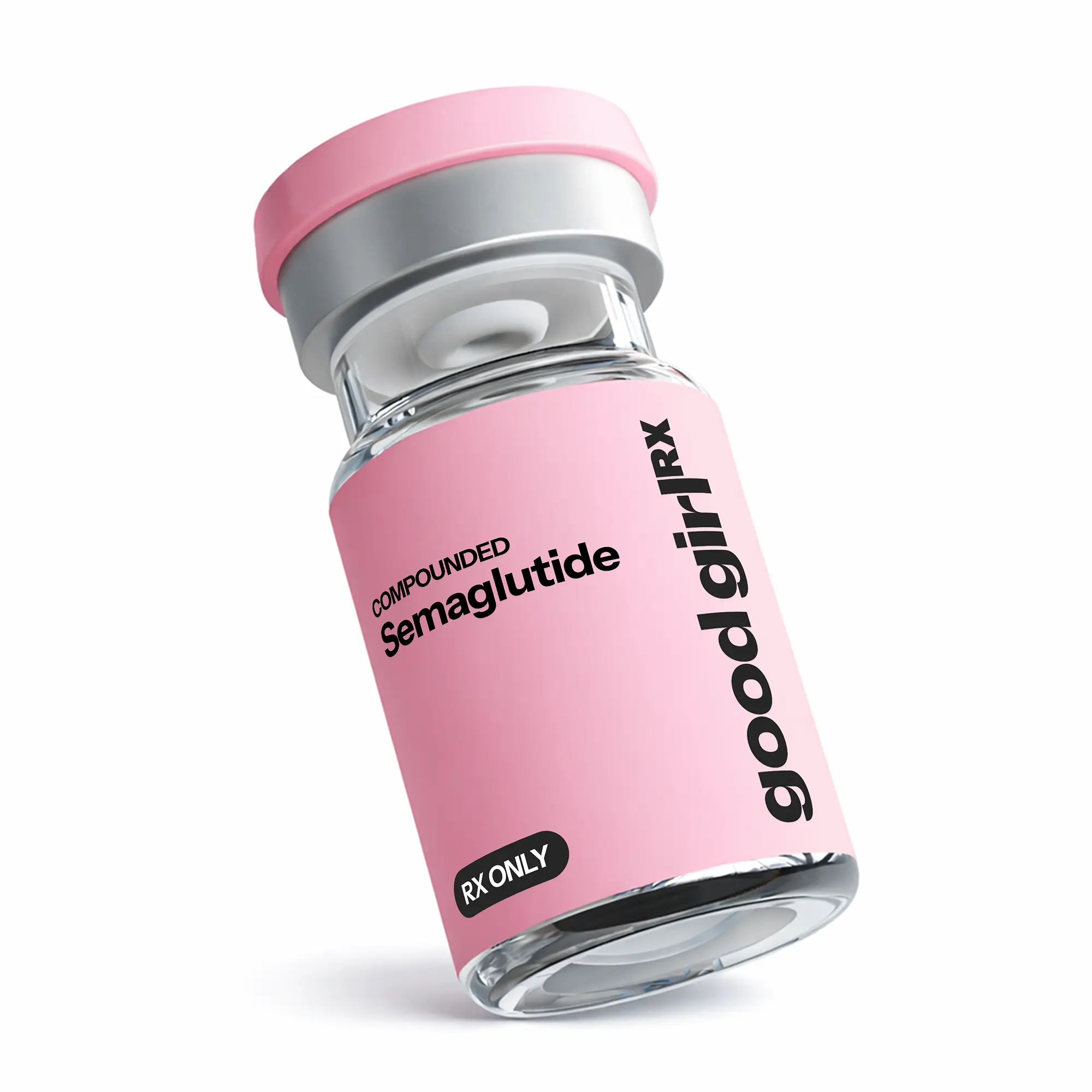
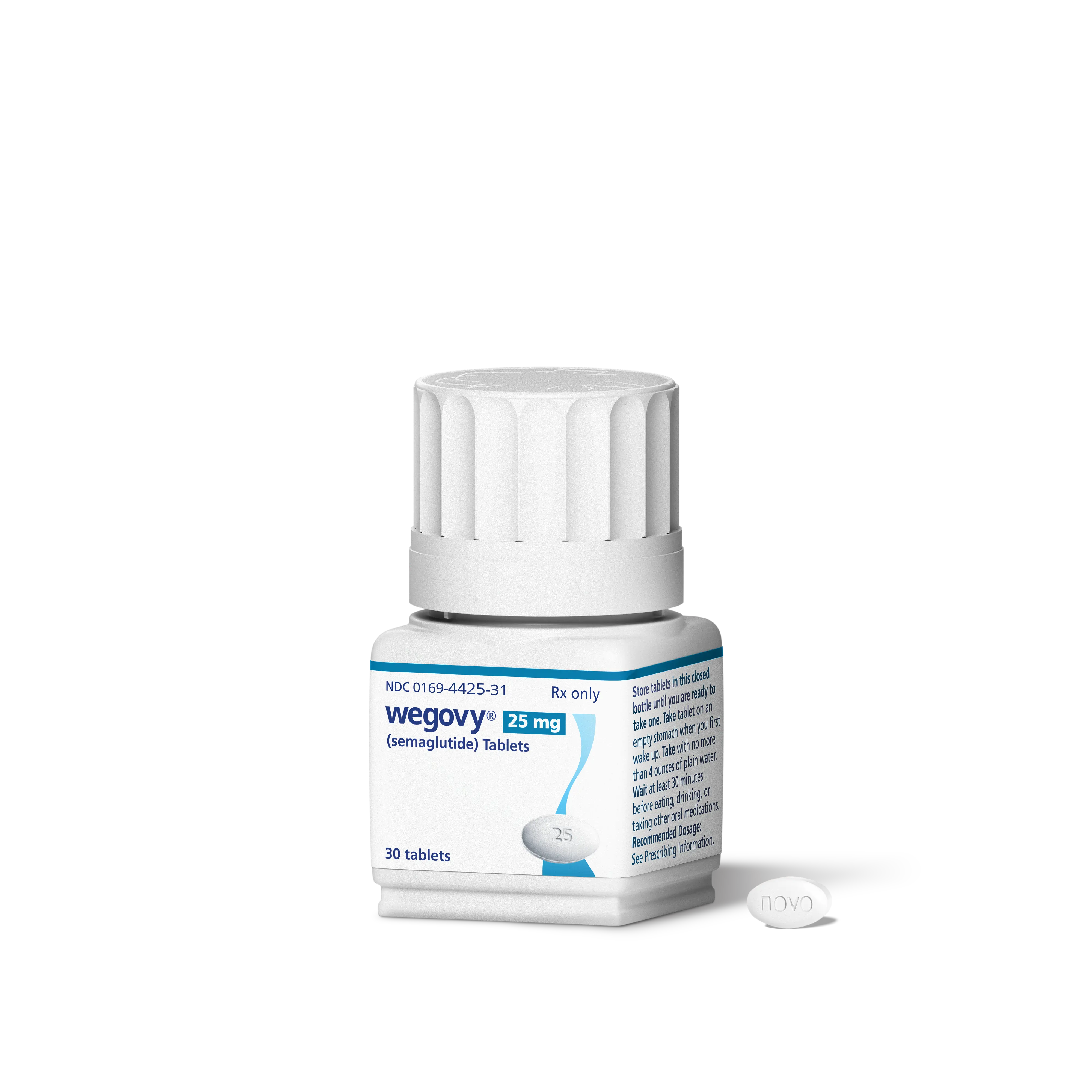
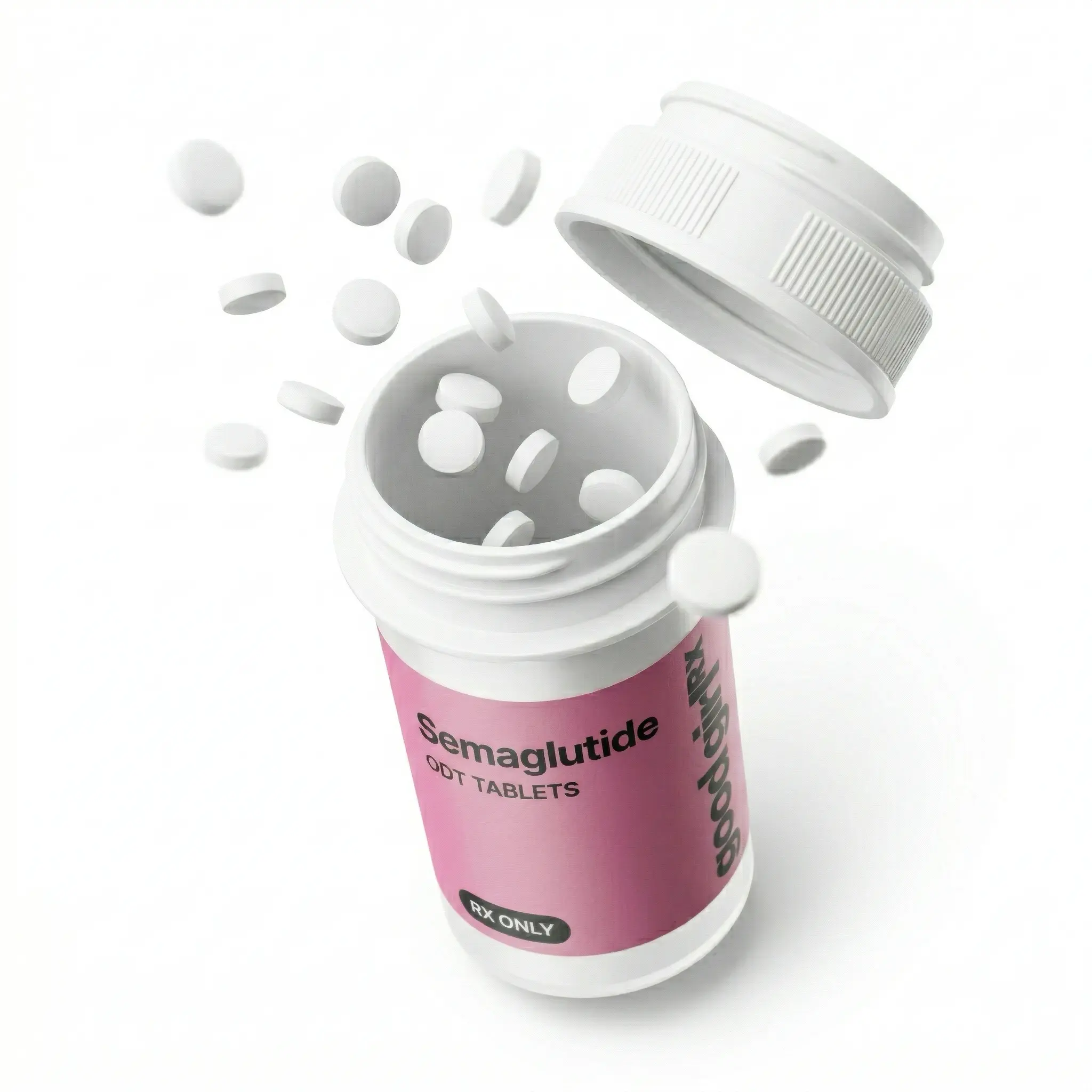
Semaglutide belongs to a class of medications called GLP-1 receptor agonists. It mimics a hormone your gut naturally produces, which signals fullness to your brain, slows how quickly your stomach empties, and helps regulate blood sugar. For women navigating menopause, these effects directly counter several of the challenges above.
Because menopause is associated with rising insulin resistance, a medication that improves blood sugar control and reduces appetite can be especially helpful. Many women find that the relentless cravings and "food noise" quiet down significantly, making it easier to eat in a way that supports their goals without constant willpower battles.
“GLP-1 medications don't just curb appetite — they help restore the body's natural hunger and satiety signals that hormonal changes disrupt.”
You can learn more about getting started with semaglutide through a quick online visit. A licensed provider reviews your health history and determines whether it's an appropriate fit for your body and goals.
- Reduces appetite by acting on the brain's hunger centers
- Slows gastric emptying, so you feel full longer after meals
- Improves insulin sensitivity, directly addressing a key menopause challenge
- Quiets food noise and cravings that intensify with hormonal shifts
- Supports steady, sustainable weight loss when paired with nutrition and movement
Ready to Break Through the Menopause Plateau?
Start your confidential online visit and find out if semaglutide is right for your body and your goals.
Try semaglutide →Semaglutide vs. Other Weight Loss Options
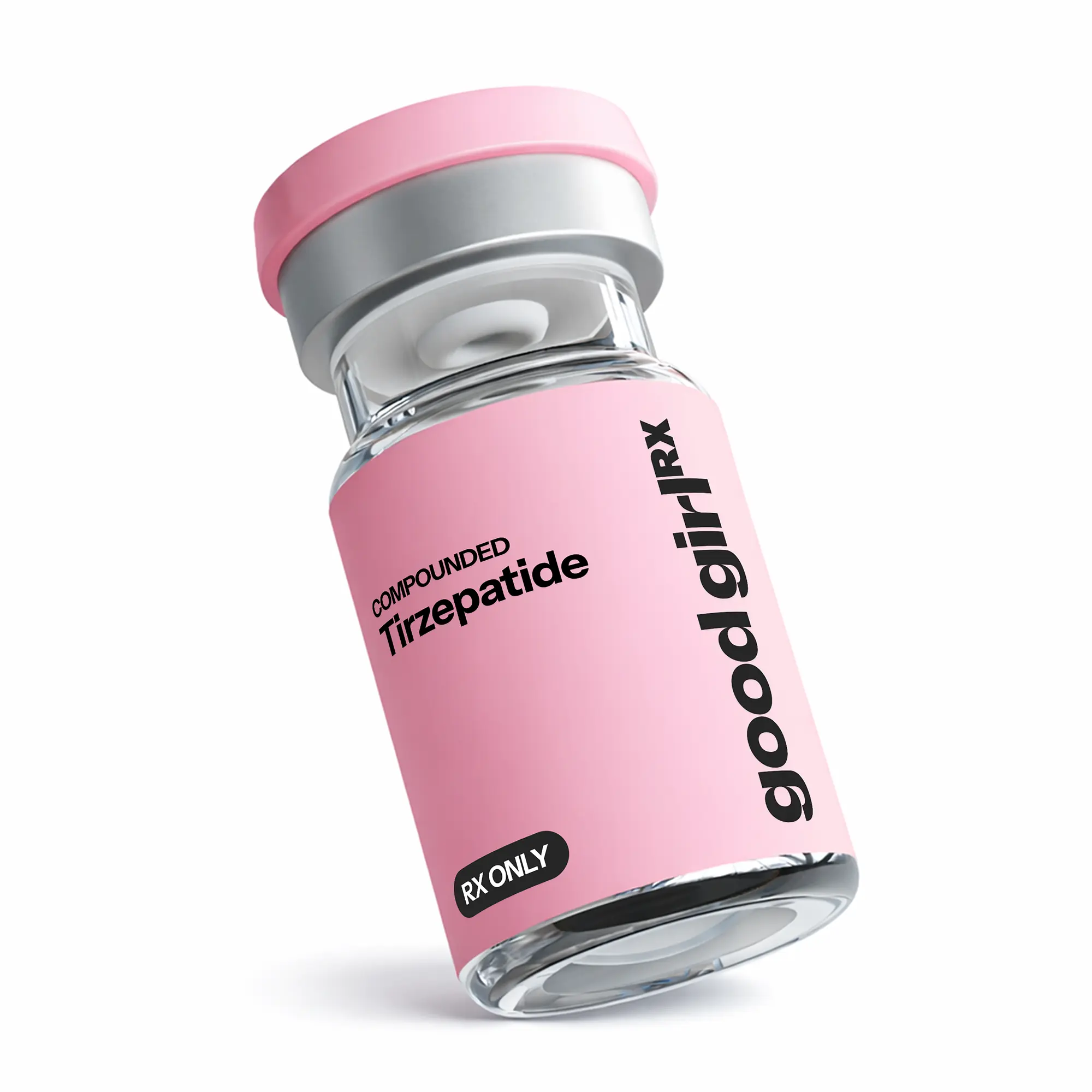
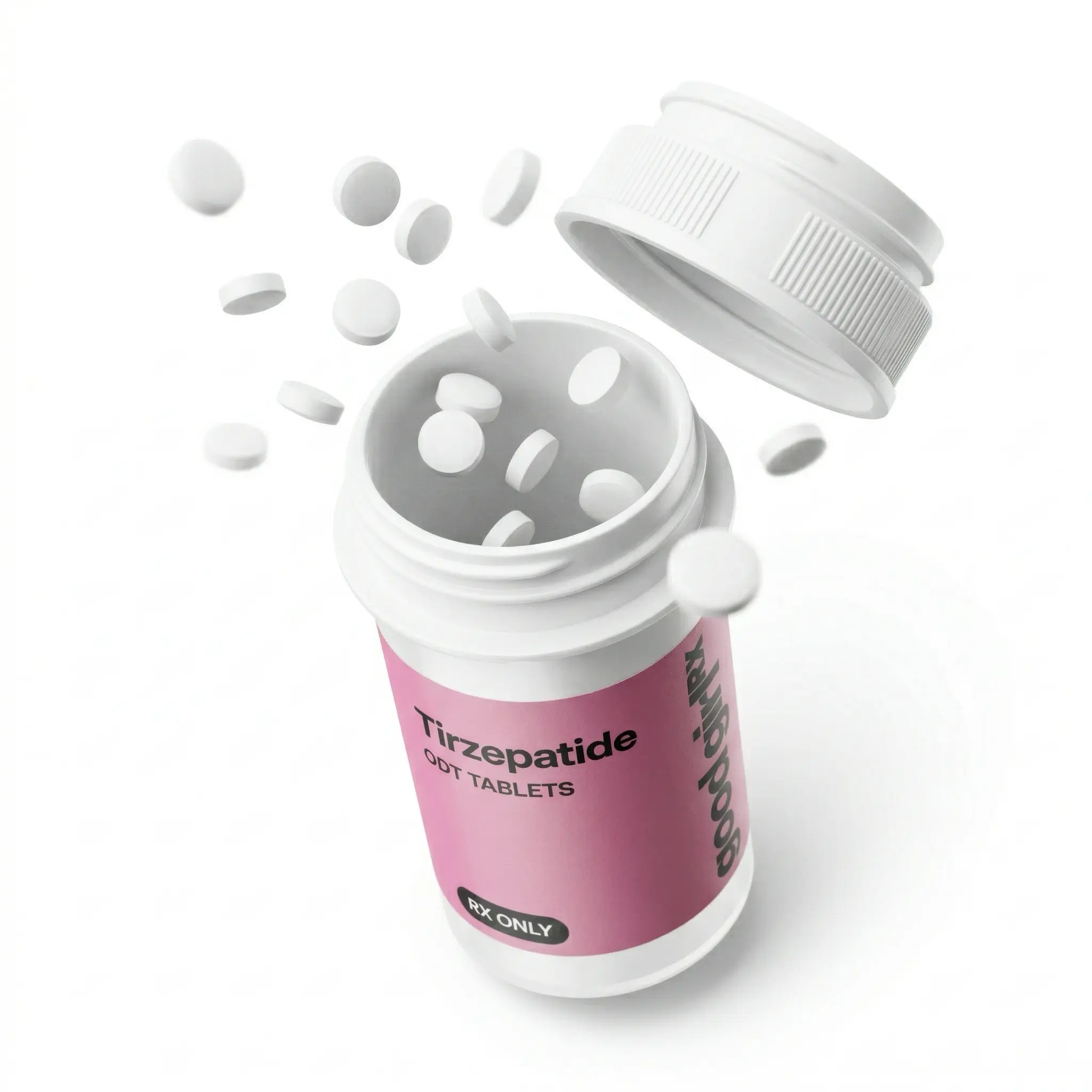
Semaglutide isn't the only GLP-1 option, and it helps to understand how it compares. Tirzepatide is a newer, dual-action medication that targets two gut hormones, while traditional lifestyle-only approaches rely entirely on diet and exercise. Here's how they stack up for women over 40.
| Approach | How It Works | Best For |
|---|---|---|
| Semaglutide | Single GLP-1 receptor agonist; curbs appetite and improves blood sugar | Women wanting a proven, well-studied GLP-1 option |
| Tirzepatide | Dual GIP/GLP-1 action; may offer additional appetite control | Women seeking a newer dual-hormone approach |
| Lifestyle only | Diet, strength training, sleep, stress management | Foundational support alongside any medication |
Both semaglutide and tirzepatide are available through Good Girl Rx after an online evaluation. The right choice depends on your health history, tolerance, and goals — something your provider will help you figure out together.
What to Expect: Timeline, Dosing, and Side Effects
Semaglutide is typically started at a low dose and gradually increased over several weeks — a process called titration. This slow ramp-up helps your body adjust and minimizes side effects. Most women begin to notice reduced appetite within the first few weeks, with more visible results building over several months.
| Timeframe | What Many Women Notice |
|---|---|
| Weeks 1–4 | Reduced appetite, fewer cravings, body adjusting to the medication |
| Weeks 4–12 | Noticeable changes in eating patterns and early weight loss |
| Months 3–6 | More consistent, cumulative results with lifestyle support |
The most common side effects are gastrointestinal — nausea, mild constipation, or occasional fatigue — and they often fade as your body adapts. Staying hydrated, eating slowly, and prioritizing protein can make the transition smoother. Always report persistent or severe symptoms to your provider.
Remember that semaglutide works best as part of a bigger picture. It's a powerful tool, not a magic bullet. Pairing it with balanced nutrition, movement, quality sleep, and stress management gives you the most sustainable results — and helps you feel genuinely better, not just lighter.
Is Semaglutide Right for You?
Semaglutide may be a good fit if you've struggled to lose weight despite healthy habits, carry extra weight around your midsection, or notice intensified cravings and blood sugar swings since entering perimenopause. It's not appropriate for everyone, which is why a thorough provider evaluation matters.
Certain conditions — including a personal or family history of specific thyroid cancers or pancreatitis — may make semaglutide unsuitable. Your online visit with a licensed provider is designed to catch these considerations and keep your care safe and personalized. If weight gain is only one piece of your menopause journey, your provider can also discuss other supportive therapies.
“The most empowering thing a woman over 40 can do is stop blaming herself for a hormonal reality — and start working with her body instead of against it.”
Menopause weight gain is real, it's biological, and it deserves a real solution. With the right support, you can feel confident, energized, and at home in your body again — exactly how you deserve to feel at every age.
Take the First Step Today
A quick online visit connects you with a licensed provider who can build a weight loss plan designed for your menopause journey.
Get Started →Share this article

Ready to start your journey?
Complete your free online visit and see if GLP-1 treatment is right for you.
Get Started