

Semaglutide & Muscle Loss in Women Over 40

Written by James T.
Published September 24, 2026

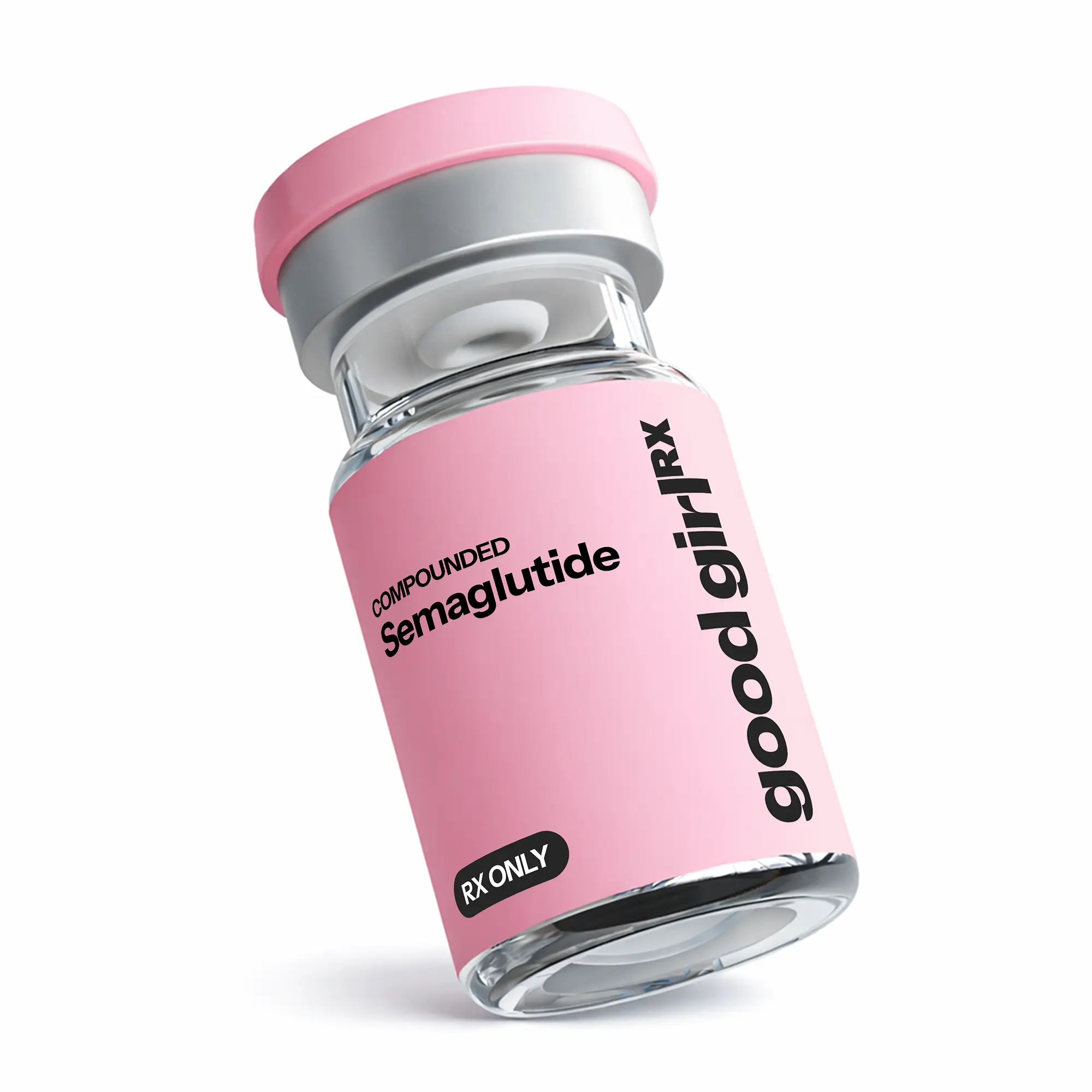
If you're a woman over 40 exploring semaglutide for weight loss, you've probably heard whispers about a real concern: muscle loss. The topic of semaglutide muscle loss women is searching for is genuine and worth understanding, because how you lose weight matters just as much as how much you lose. When you shed pounds rapidly, a portion of that weight can come from lean muscle mass rather than fat alone.
Here's the good news: with the right strategy, you can preserve most of your hard-earned muscle while your body burns fat. This article breaks down exactly what happens to muscle on semaglutide, why women over 40 face unique challenges, and the evidence-based steps to protect your strength and metabolism.

Why Muscle Matters More After 40
Starting in your mid-30s and accelerating through your 40s, women naturally lose muscle through a process called sarcopenia — an age-related decline in muscle mass and strength. Add declining estrogen during perimenopause, and the picture gets more complex. Estrogen plays a protective role in muscle maintenance, so as it drops, muscle preservation becomes harder.
Muscle isn't just about looking toned. It's metabolically active tissue that burns calories at rest, supports blood sugar regulation, protects your bones, and keeps you functionally strong for decades to come. Losing muscle can slow your metabolism, making long-term weight maintenance harder.
This is precisely why the conversation around semaglutide muscle loss women deserves attention. The medication is remarkably effective at reducing weight, but the goal for women over 40 should be fat loss with muscle preservation — not just a lower number on the scale.
What the Science Says About Semaglutide and Muscle
Semaglutide works by mimicking a hormone called GLP-1, which regulates appetite and slows digestion. The result is significant, sustained weight loss. But because any rapid weight loss — whether from diet, surgery, or medication — involves some loss of lean body mass, researchers have studied how much of the weight lost on GLP-1 medications comes from muscle.
In the landmark STEP 1 trial, participants lost an average of about 15% of body weight over 68 weeks. Body composition sub-studies showed that roughly 40% of total weight lost came from lean mass, with the remaining 60% from fat. This ratio is comparable to what's seen with any substantial weight loss method — it's not unique to semaglutide.
“The concern isn't that semaglutide causes muscle loss — it's that any significant weight loss reduces lean mass unless you actively work to protect it.”
The key insight for women over 40: muscle loss during weight loss is manageable and largely preventable. When paired with resistance training and sufficient protein, studies show that a much greater proportion of weight lost comes from fat, and muscle can be substantially preserved — or in some cases, even improved.
| Approach | Fat Loss | Muscle Preservation |
|---|---|---|
| Weight loss alone (no exercise) | Moderate | Lower — more lean mass lost |
| Weight loss + adequate protein | Improved | Better preserved |
| Weight loss + protein + resistance training | Optimized | Best preserved |
Lose Fat, Not Muscle
Start your semaglutide journey with a provider-guided plan designed to protect your strength.
Try semaglutide →How to Protect Muscle While Taking Semaglutide
The strategies below are backed by research and especially important for women navigating perimenopause and menopause. Think of these as non-negotiables that work alongside your medication.
1. Prioritize Protein at Every Meal
Because semaglutide reduces appetite, it's easy to accidentally under-eat protein. Aim for 0.7 to 1 gram of protein per pound of goal body weight daily. Spreading protein across meals — about 25-40 grams each — helps stimulate muscle protein synthesis throughout the day.
- Lean meats & poultry — chicken, turkey, lean beef
- Fish & seafood — salmon, tuna, shrimp
- Eggs and egg whites — versatile and complete protein
- Greek yogurt & cottage cheese — protein-dense dairy
- Protein shakes — helpful when appetite is low
- Legumes & tofu — plant-based options for variety

2. Lift Weights (Resistance Training)
Resistance training is the single most powerful tool for preserving muscle during weight loss. Aim for 2-3 strength sessions per week, targeting all major muscle groups. This signals your body to hold onto muscle even in a calorie deficit. Bodyweight exercises, resistance bands, dumbbells, or machines all count.
3. Don't Lose Weight Too Fast
Aggressive, rapid weight loss tends to sacrifice more muscle. A steady, moderate rate — often around 1-2 pounds per week — gives your body time to adapt and preserve lean tissue. Your provider can help titrate your semaglutide dose appropriately.
4. Support Recovery and Overall Wellness
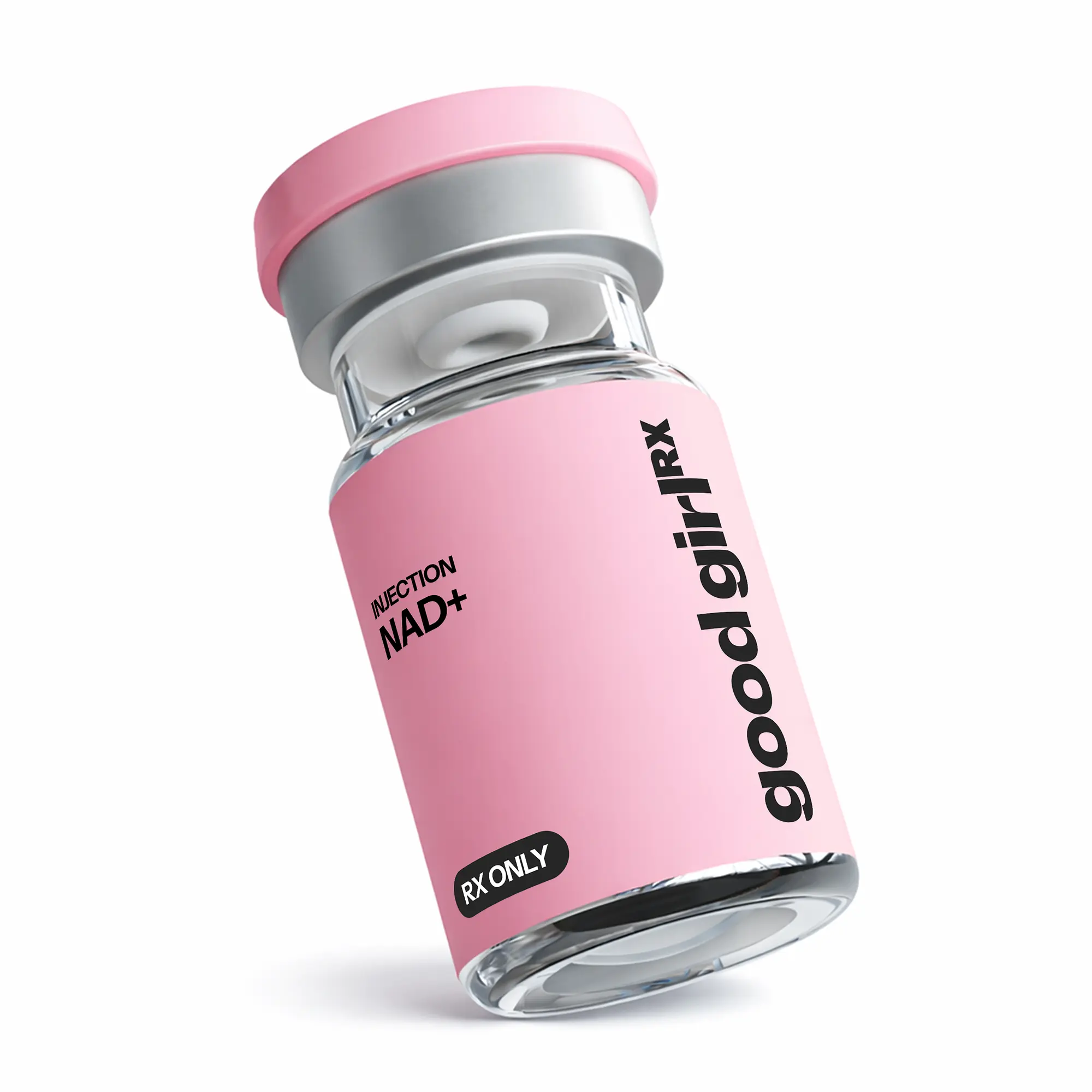
Sleep, hydration, and stress management all influence muscle maintenance. Some women also explore supportive therapies like NAD+ for cellular energy or B12 injections to support energy levels during a calorie deficit. Talk with your provider about what fits your goals.
Semaglutide vs. Other Options for Women Over 40
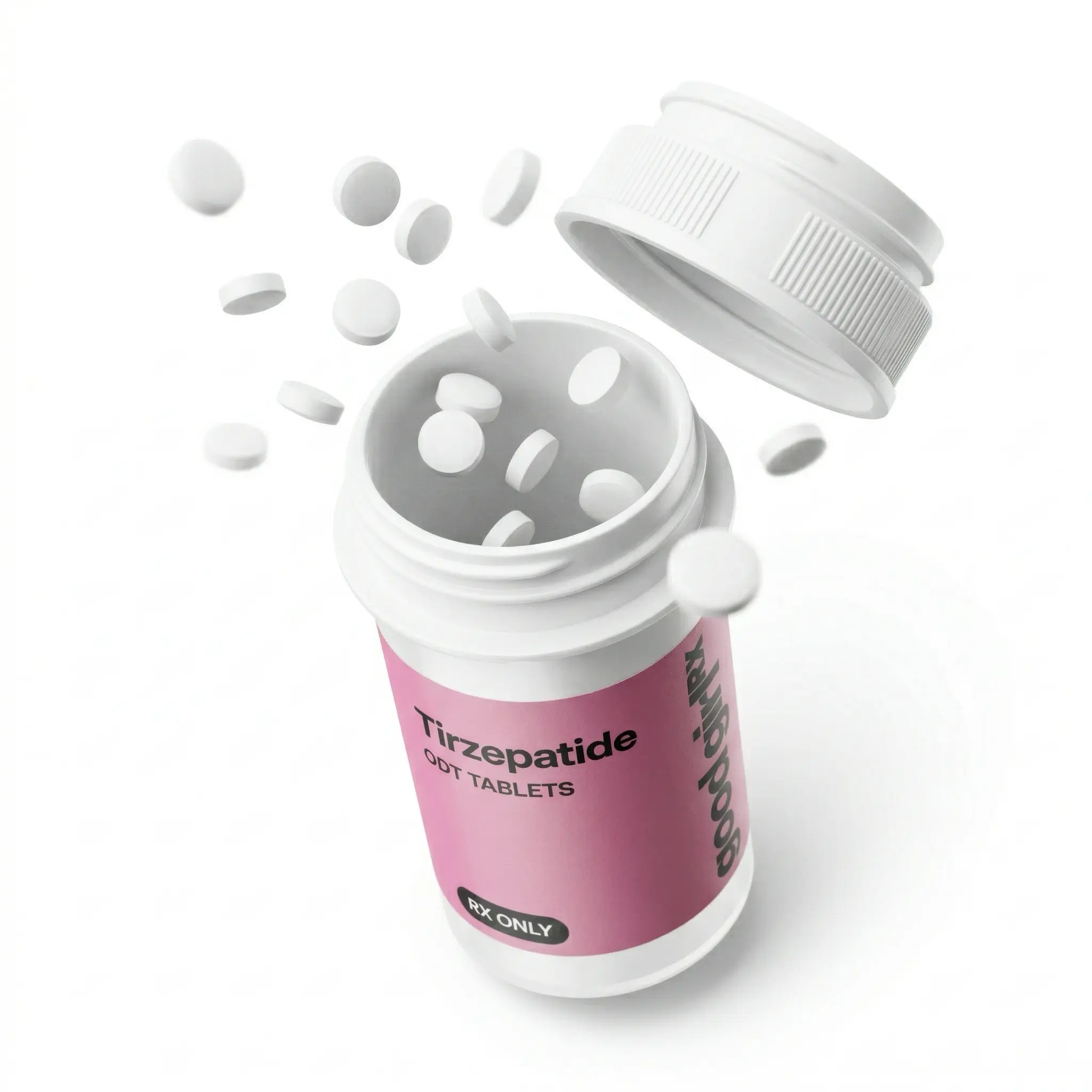
Semaglutide isn't the only GLP-1 option. Some women and their providers consider tirzepatide, a dual-action medication. Both require the same muscle-protection strategies. The right choice depends on your health history, goals, and provider guidance.
| Feature | Semaglutide | Tirzepatide |
|---|---|---|
| Mechanism | GLP-1 agonist | GLP-1 + GIP agonist |
| Administration | Weekly injection or daily pill | Weekly injection or daily pill |
| Muscle-protection needs | Protein + resistance training | Protein + resistance training |
Whichever medication you choose, remember the golden rule: the medication handles appetite and fat loss, while your lifestyle habits protect your muscle. They work as a team.
“Weight loss without muscle care can leave you lighter but weaker. The goal for women over 40 is to emerge stronger, healthier, and metabolically resilient.”
The Bottom Line for Women Over 40
Yes, semaglutide can contribute to some muscle loss — but that's true of virtually any effective weight loss method. The concern behind semaglutide muscle loss women searches is real, yet entirely addressable. With adequate protein, consistent resistance training, a moderate pace, and provider support, you can preserve your strength while transforming your body composition.
Weight loss after 40 isn't about doing less — it's about doing it smarter. When you combine the appetite-regulating power of semaglutide with muscle-first habits, you set yourself up for results that last and a body that feels as strong as it looks.
Ready to Do This the Right Way?
Connect with a licensed provider to build a semaglutide plan that protects your muscle and prioritizes your long-term health.
Try semaglutide →Share this article

Ready to start your journey?
Complete your free online visit and see if GLP-1 treatment is right for you.
Get Started