
Semaglutide Pills vs Injections for Women Over 40

Written by Taylor B.
Published November 5, 2026

If you're a woman navigating weight changes in your 40s, you've probably heard about semaglutide — but the big question remains: do you go with pills or injections? When it comes to semaglutide pills vs injections for women over 40, the right choice depends on your hormones, your schedule, your comfort with needles, and your goals. The good news? Both options can be effective tools for metabolic reset, especially during the hormonal shifts of perimenopause and menopause.

After 40, your body simply works differently. Declining estrogen, slower metabolism, and shifting fat distribution make weight loss feel like an uphill battle. Semaglutide — a GLP-1 receptor agonist — helps by curbing appetite, slowing digestion, and improving how your body handles blood sugar. Understanding how the pill and injection forms differ can help you and your provider pick the smartest path forward.
How Semaglutide Works in the Body After 40
Semaglutide mimics a natural hormone called GLP-1 that your gut releases after eating. It tells your brain you're full, slows how quickly food leaves your stomach, and helps stabilize blood sugar. For women over 40, this is especially valuable because insulin resistance often creeps up with age and hormonal changes.
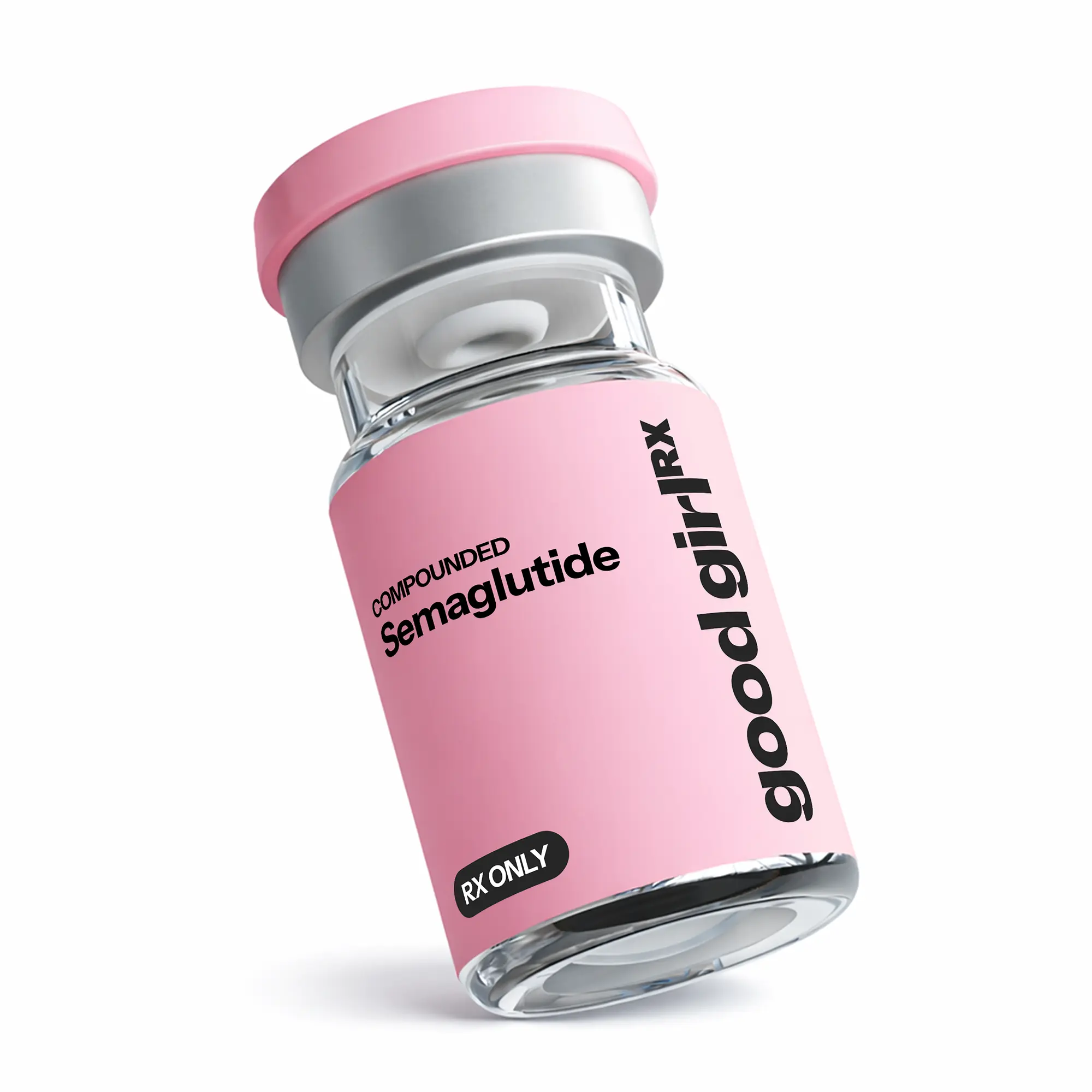
The medication itself is identical whether delivered by pill or injection — what changes is how it gets into your system. Injectable semaglutide is absorbed through tissue just under the skin. Oral semaglutide pills are absorbed through the stomach lining, which requires a bit more precision to work well.
Semaglutide Pills vs Injections: The Key Differences
Both formats deliver the same active ingredient, but they differ in dosing frequency, absorption, and how they fit into daily life. Here's a side-by-side look to help you weigh your options.
| Feature | Semaglutide Pills | Semaglutide Injections |
|---|---|---|
| Frequency | Daily (taken by mouth) | Once weekly |
| Administration | Swallowed on an empty stomach | Small self-injection under the skin |
| Best for | Needle-averse women, routine-lovers | Convenience, fewer dosing days |
| Absorption notes | Requires empty stomach + water timing | Consistent absorption |
| Common side effects | Nausea, fullness, mild GI upset | Nausea, fullness, mild GI upset |
The Case for Semaglutide Pills
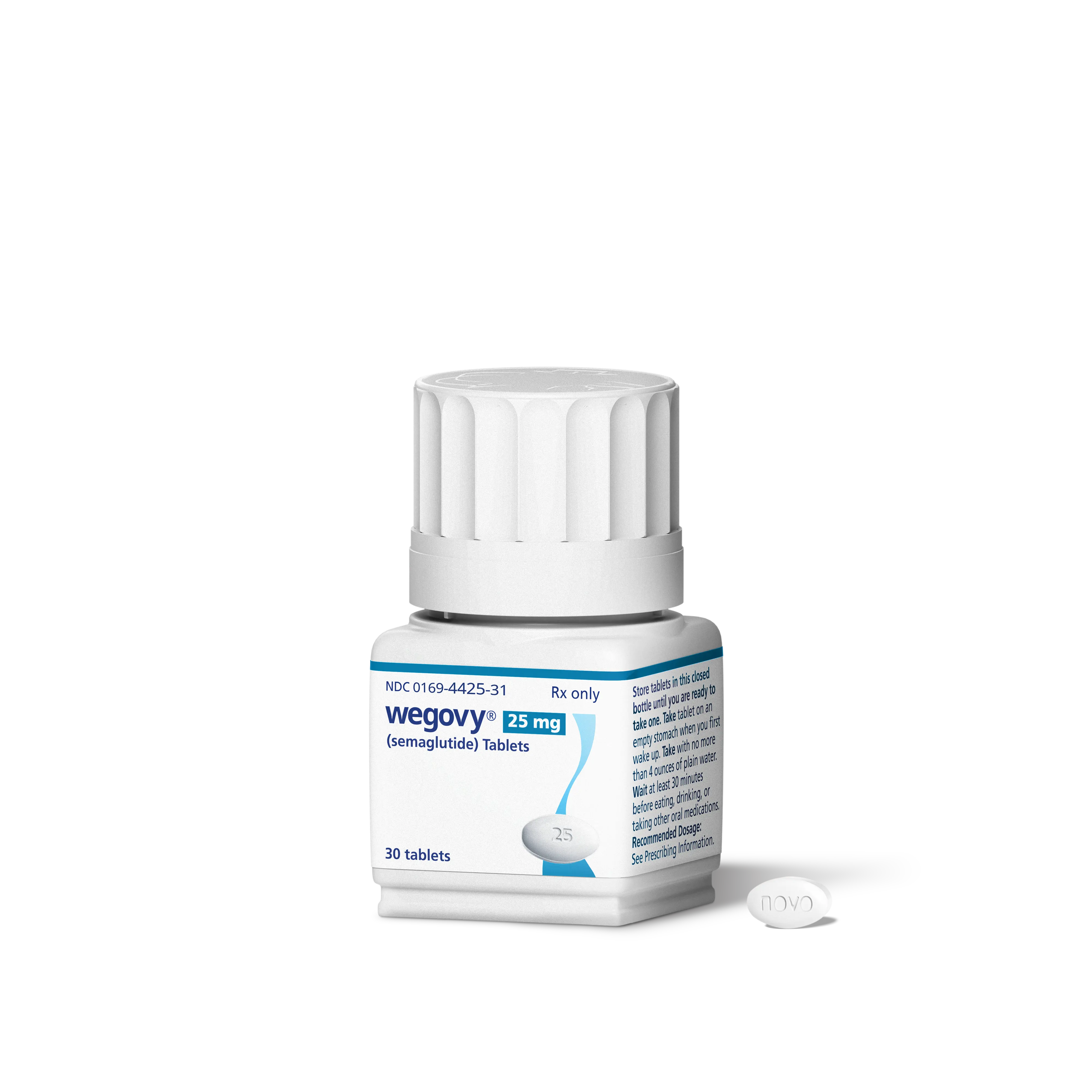
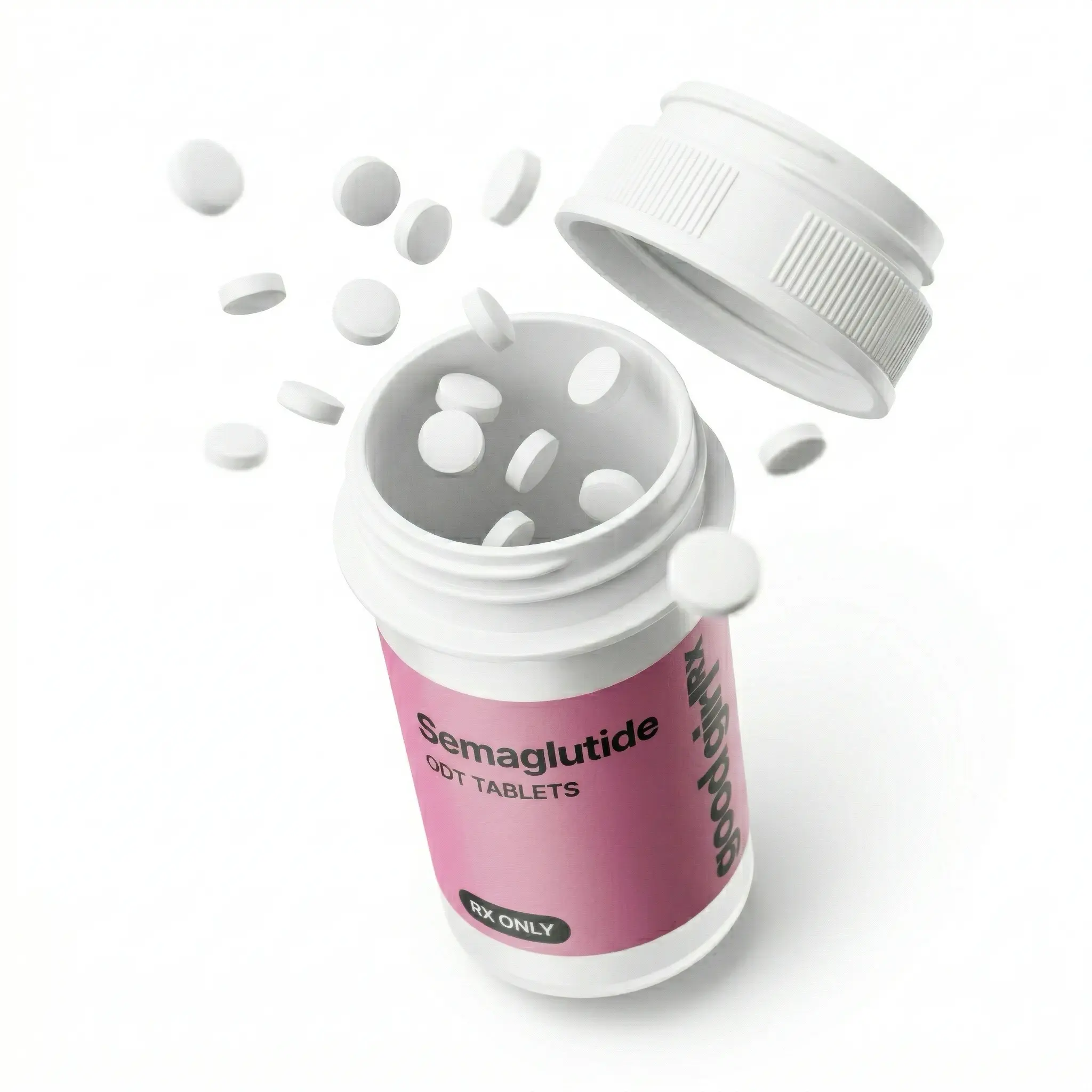
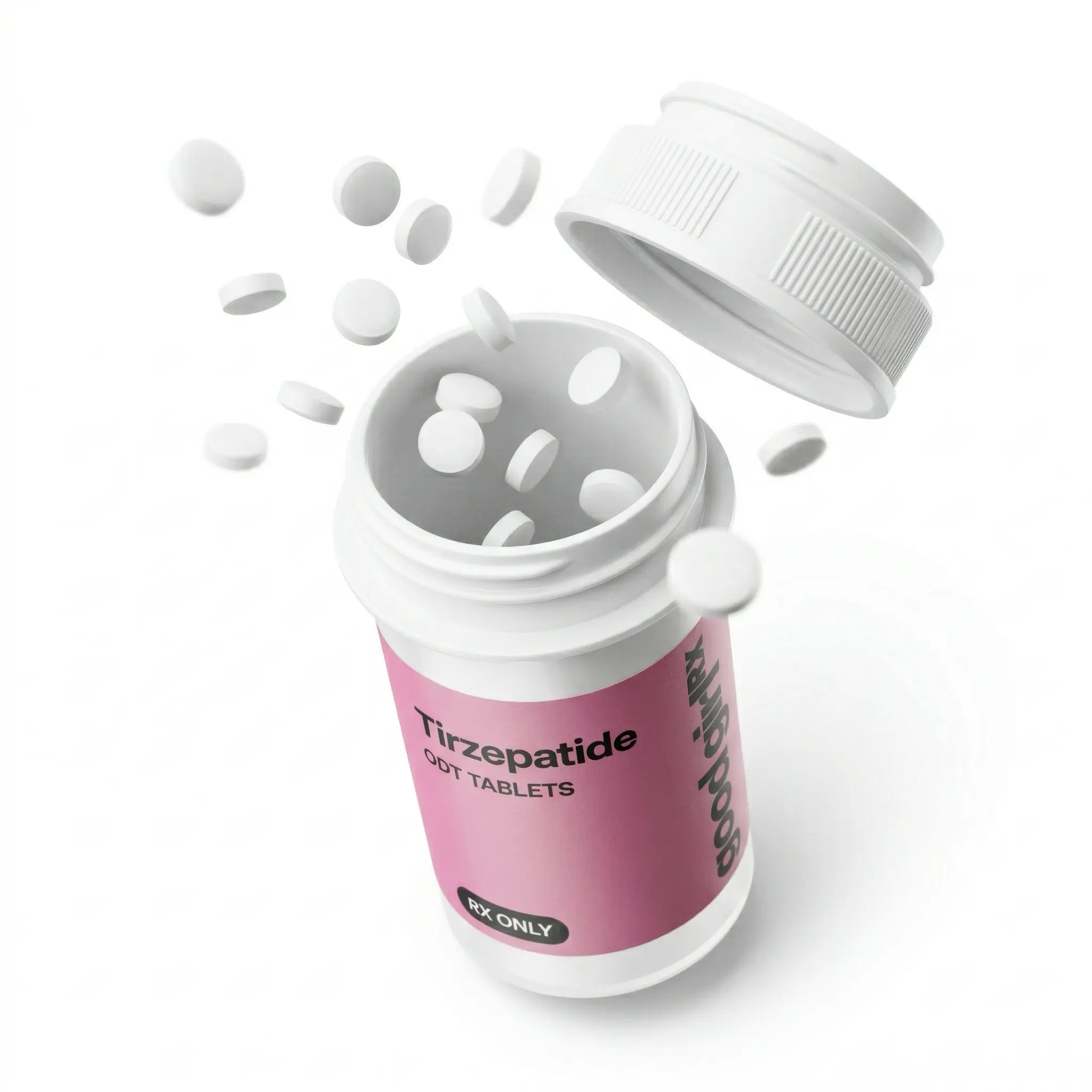
For many women over 40, semaglutide pills remove the biggest barrier to getting started: fear of needles. There's no syringe, no refrigeration of pens, and no injection-site concerns. You simply take your dose each morning as directed. This daily rhythm can also help build consistency for women who thrive on routine.
The trade-off is timing. Oral semaglutide must be taken on an empty stomach with a small amount of water, then you wait about 30 minutes before eating, drinking, or taking other medications. For women with busy, unpredictable mornings, this discipline matters — but once it becomes a habit, it's easy to maintain.
The Case for Semaglutide Injections
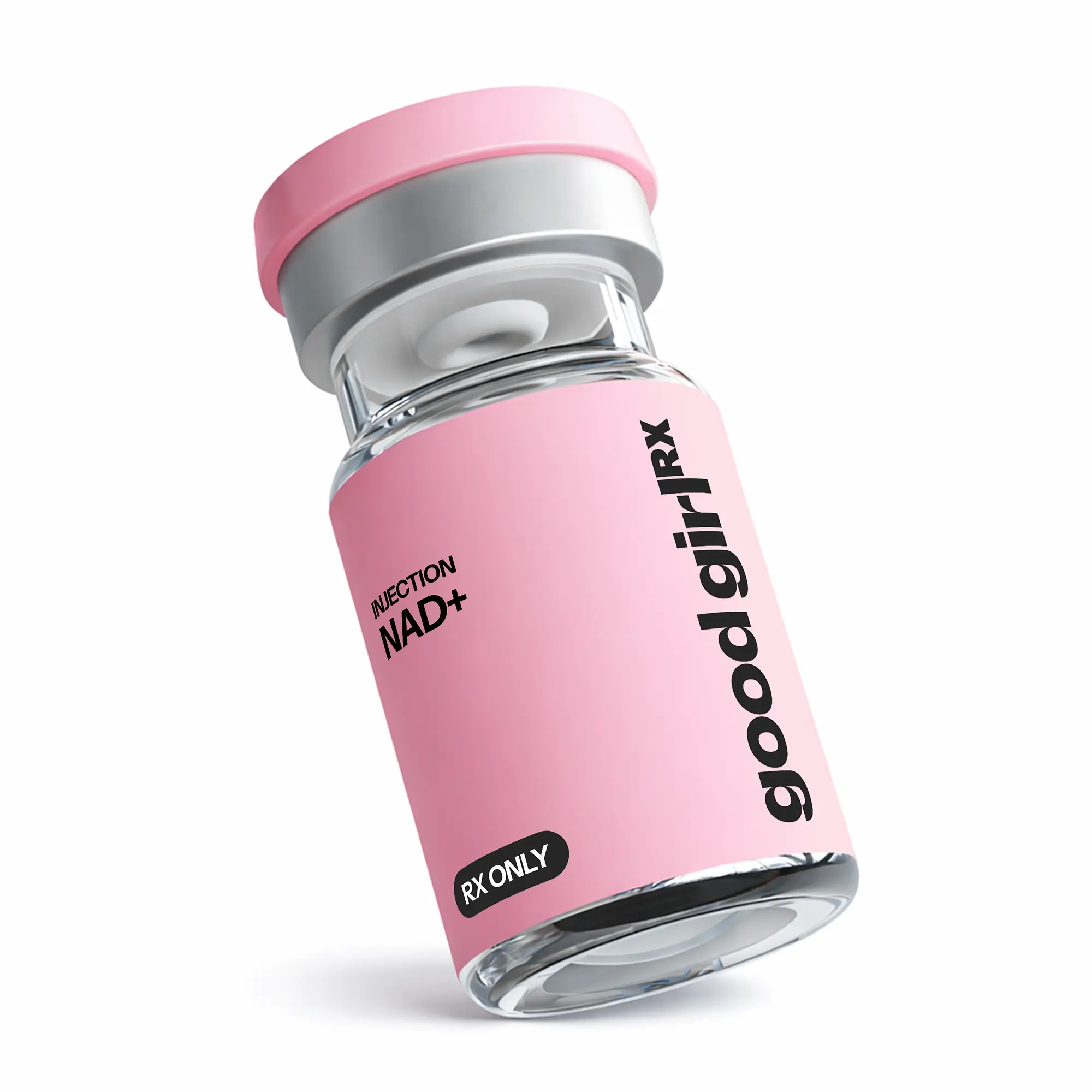
Weekly semaglutide injections win on convenience for many women. One small dose a week means you aren't thinking about medication every single day. Absorption tends to be more consistent because it bypasses the digestive process entirely, which some providers prefer for predictable results.
Modern injection pens use ultra-fine needles that most women describe as nearly painless. Still, if the idea of self-injecting feels overwhelming, that emotional barrier is real and worth factoring into your decision.
“The best weight-loss medication is the one you'll actually stay consistent with. Format matters far less than follow-through.”
Ready to Explore Oral Semaglutide?
Start a quick online visit and let a licensed provider help you decide if semaglutide pills fit your goals.
Try semaglutide pills →Which Works Better for Women Over 40?
When patients ask about semaglutide pills vs injections for women over 40, the honest answer is: it depends on you. Clinical research shows both forms can produce meaningful weight loss and metabolic benefits. The differences in real-world results often come down to adherence — whether you stick with your routine — rather than the delivery method itself.
Consider these factors when talking with your provider about the right fit for your body and lifestyle:
- Needle comfort — If injections cause anxiety, pills may help you start and stay consistent.
- Daily routine — Pills require empty-stomach timing; weekly injections require remembering one day.
- Travel and storage — Pills are simple to pack; injectables may require temperature care.
- Digestive sensitivity — Some women tolerate one format better than the other.
- Hormonal context — Perimenopause and menopause may affect appetite and insulin response.
Side Effects and Safety for Women Over 40
Both pills and injections share a similar side effect profile. The most common are nausea, early fullness, constipation, or mild stomach upset — usually strongest when you first start or increase your dose. These symptoms often ease as your body adjusts over a few weeks.
Starting at a low dose and increasing gradually, known as titration, helps minimize discomfort. Women over 40 should always review their full health history with a provider, including thyroid conditions, gallbladder issues, and any personal or family history of certain cancers, before starting either form of semaglutide.
How to Choose — and Get Started
There's no universal winner in the semaglutide pills vs injections debate for women over 40. The format that keeps you consistent, comfortable, and confident is the one that will serve you best. A licensed provider can review your health profile, discuss your preferences, and recommend a personalized starting point.
At Good Girl Rx, getting started is simple and discreet. You complete an online intake, connect with a licensed provider, and — if appropriate — receive a treatment plan tailored to you. Whether you lean toward semaglutide pills or weekly injections, support is built into the process.
Remember that medication works best alongside sustainable habits: balanced nutrition, movement you enjoy, quality sleep, and stress management. These pillars matter even more during the hormonal transitions of your 40s and beyond.
Find Your Best-Fit Weight Loss Option
Take the first step with a confidential online visit and let a provider help you choose between semaglutide pills and injections.
Find my treatment →Share this article

Ready to start your journey?
Complete your free online visit and see if GLP-1 treatment is right for you.
Get Started