

Semaglutide Pills vs Injections for Women: The Science

Written by Nicole S.
Published September 30, 2026

If you've been researching semaglutide for weight loss, you've probably hit the same fork in the road most women do: pills or injections? The debate over semaglutide pills vs injections for women is more than a matter of convenience—it's about bioavailability, dosing, side effects, and what actually fits into your real life. As a woman navigating hormones, busy schedules, and needle nerves, you deserve a clear breakdown of what the science actually says.
The good news? Both forms deliver the same active ingredient, a GLP-1 receptor agonist that mimics a hormone your gut naturally produces to regulate appetite and blood sugar. But how that medication enters your body—and how much of it your body absorbs—makes each option unique. Let's separate the marketing from the medicine.
How Semaglutide Works in a Woman's Body
Semaglutide belongs to a class of drugs called GLP-1 receptor agonists. It works by slowing how quickly your stomach empties, signaling fullness to your brain, and helping stabilize blood sugar. The result for many women is reduced appetite, fewer cravings, and a quieter food noise that once ran on a loop.
For women specifically, appetite regulation can be tangled up with hormonal fluctuations across the menstrual cycle, perimenopause, and conditions like PCOS. GLP-1 medications can be a powerful tool precisely because they target the appetite-hormone connection—regardless of whether you take them as a pill or an injection.
The Core Difference: Bioavailability and Dosing
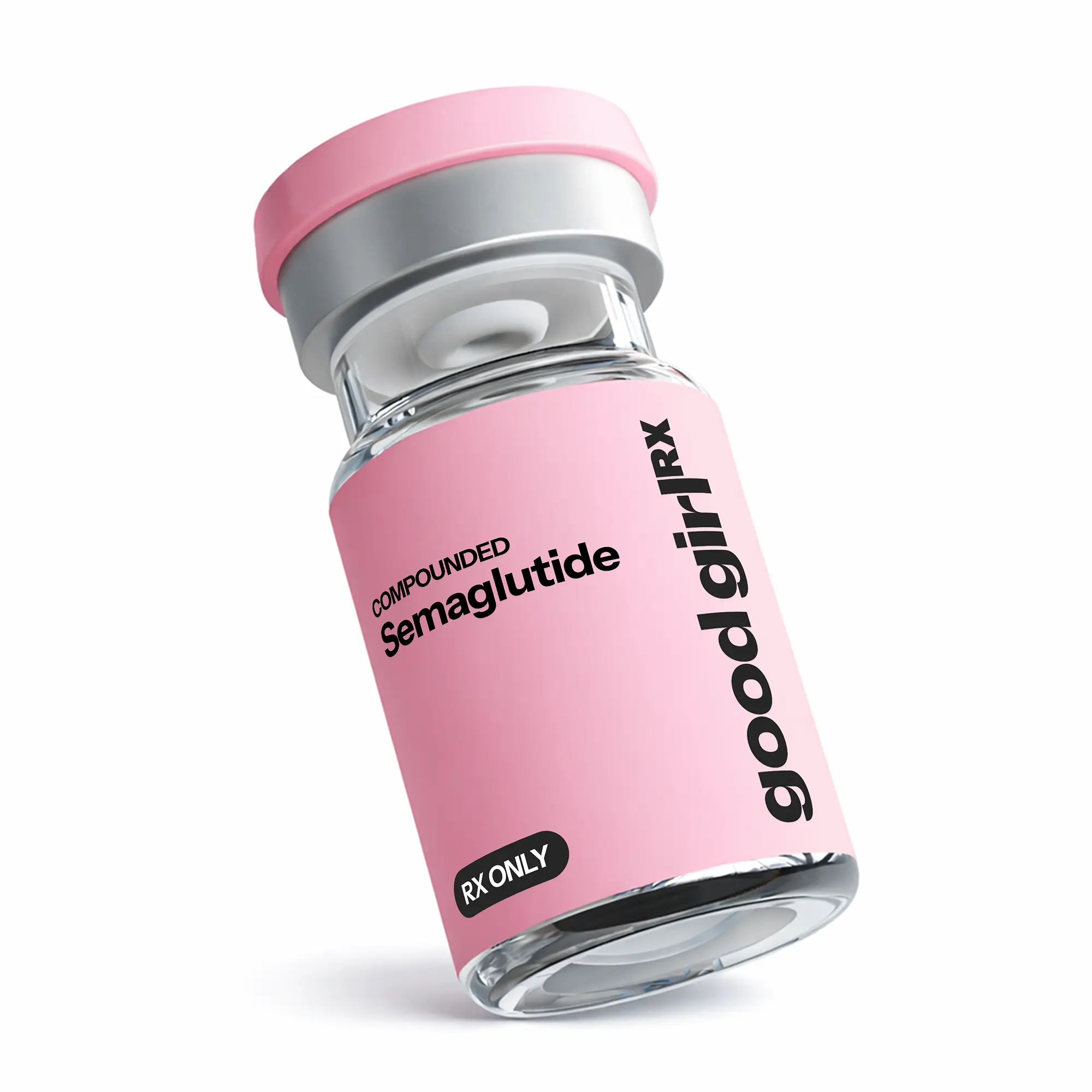
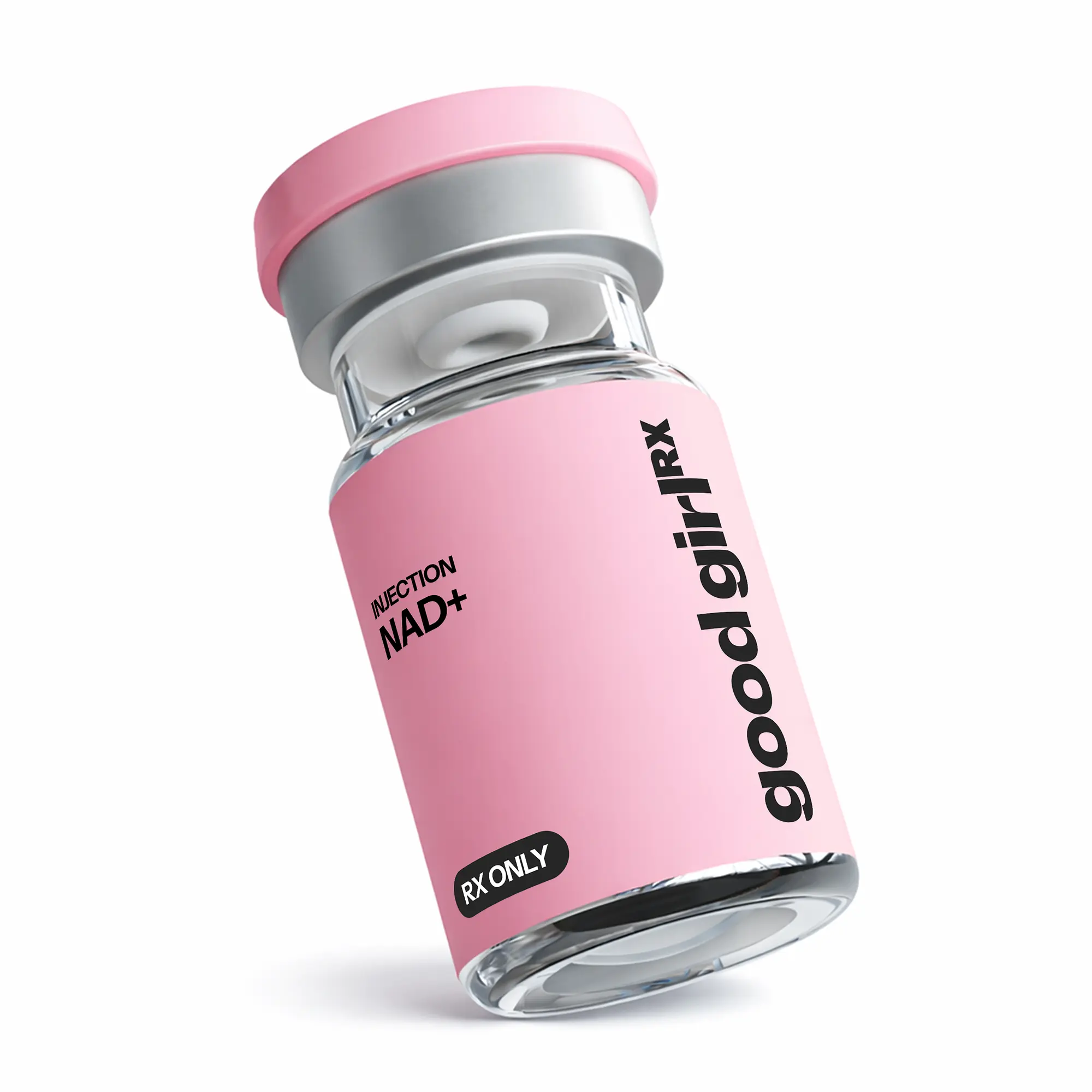
Here's where the science gets interesting. Injectable semaglutide is delivered directly into the fatty tissue beneath your skin, bypassing your digestive system entirely. This gives it high, consistent bioavailability—your body absorbs nearly all of the dose. It's typically taken once weekly.
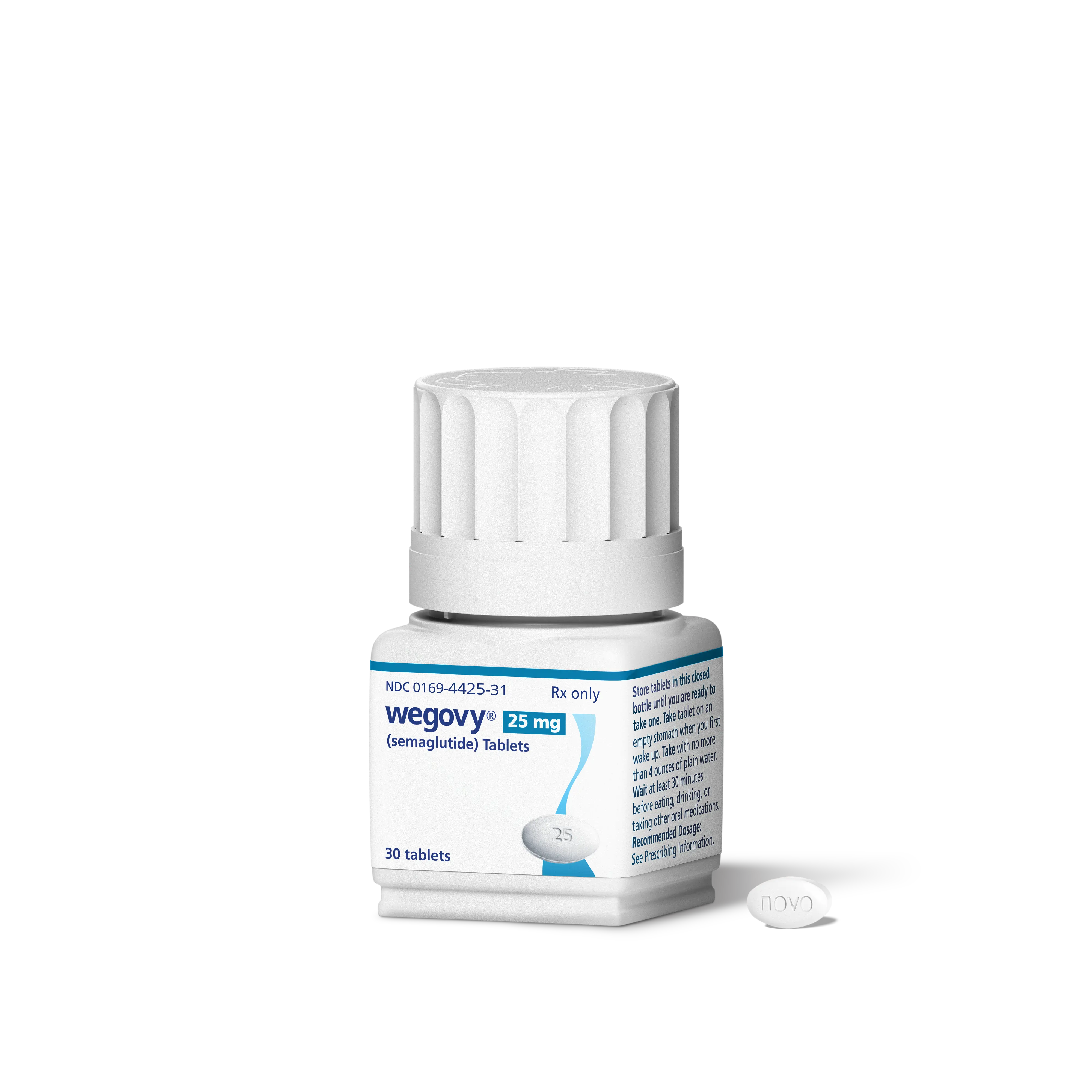
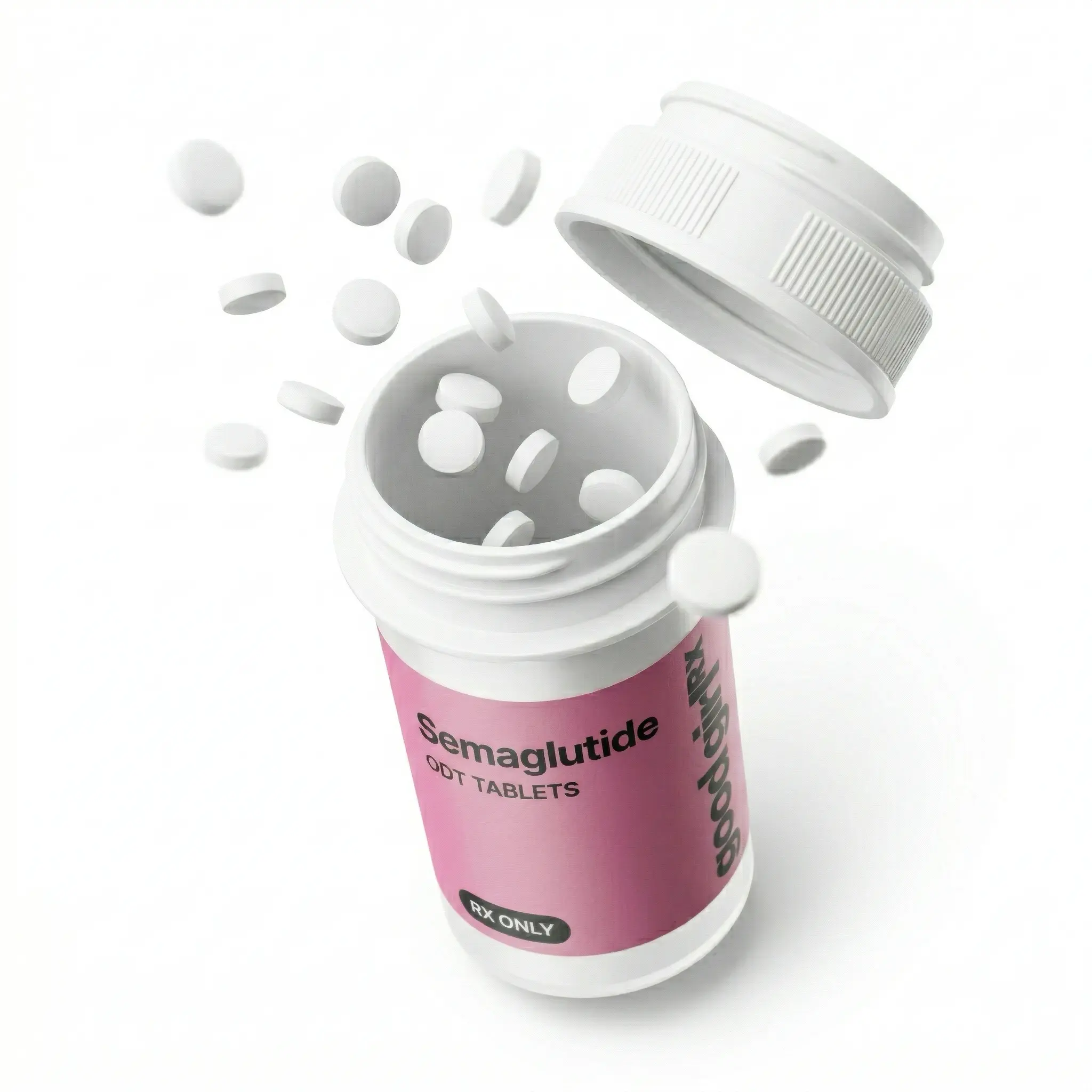
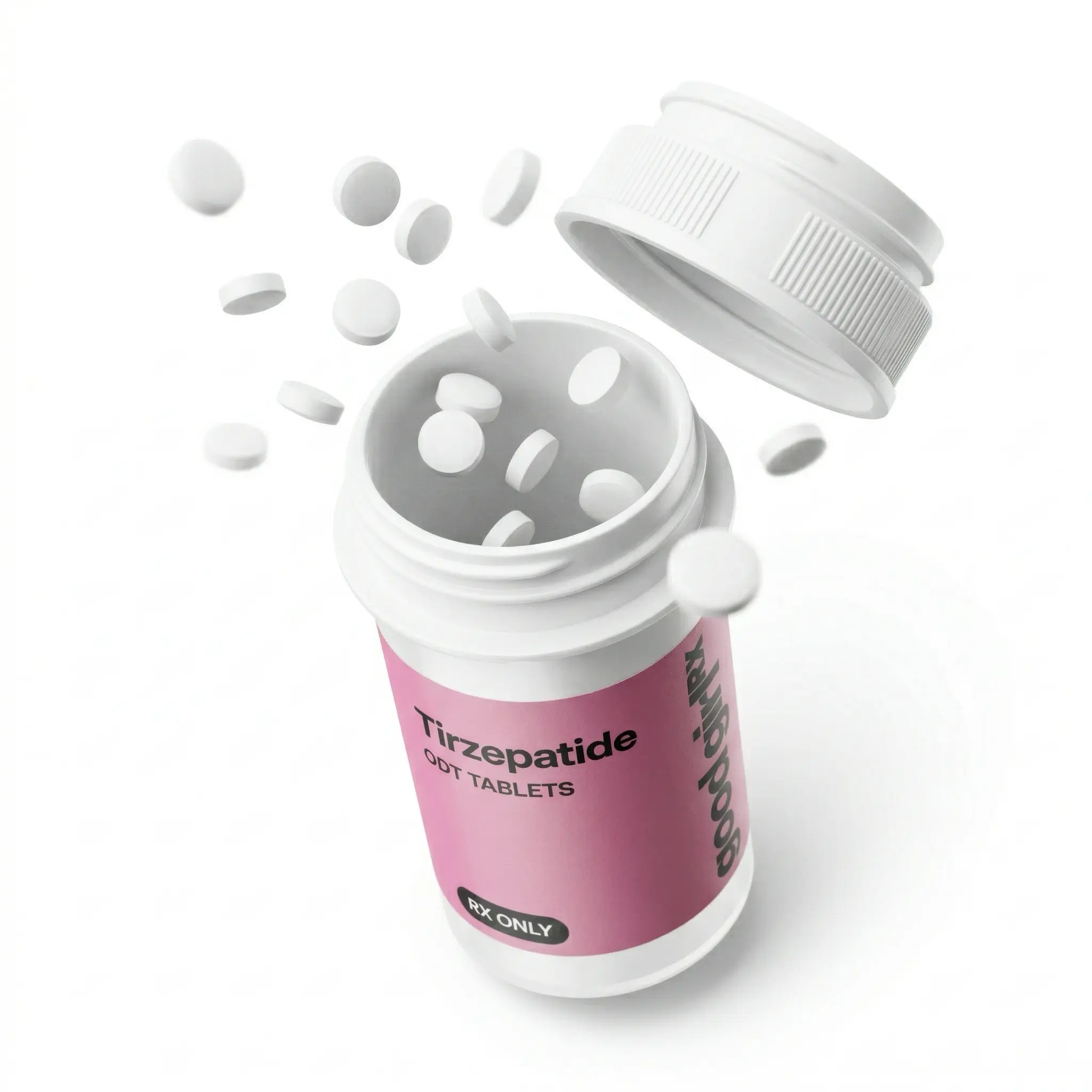
Oral semaglutide, on the other hand, has to survive the harsh acidic environment of your stomach. To make this possible, the pill includes an absorption enhancer that helps a fraction of the drug cross into the bloodstream. Because absorption is lower and more variable, oral semaglutide is taken daily rather than weekly, and it comes with specific instructions to maximize how much your body absorbs.
| Feature | Oral (Pills) | Injectable |
|---|---|---|
| Dosing frequency | Once daily | Once weekly |
| Delivery method | Swallowed tablet | Under-the-skin pen |
| Bioavailability | Lower, more variable | High, consistent |
| Needle required | No | Yes (tiny) |
| Timing rules | Empty stomach, plain water | Any time of day |
The Empty-Stomach Rule for Pills
If you choose oral semaglutide, timing matters more than with injections. The pill should be taken on an empty stomach with no more than about 4 ounces of plain water, and you'll need to wait at least 30 minutes before eating, drinking, or taking other medications. Skipping this step can significantly reduce how much medication your body absorbs.
What the Research Says About Effectiveness
Both oral and injectable semaglutide have strong clinical evidence behind them. In trials, injectable semaglutide has consistently produced significant reductions in body weight, and higher-dose oral semaglutide has shown weight loss results approaching those of injections in more recent studies.
The practical takeaway is this: at comparable effective doses, both forms can support meaningful weight loss. The injectable's edge lies in its reliable absorption, while the oral form's appeal is its needle-free simplicity. Your results depend far more on consistency, dose, and lifestyle than on the delivery method alone.
“The best medication is the one you'll actually take consistently. For some women that's a weekly injection; for others, it's a daily pill.”
- Consistency wins: A daily pill you never skip may outperform a weekly shot you frequently forget.
- Dose matters: Both forms are titrated up gradually to reduce side effects and improve tolerance.
- Lifestyle counts: Nutrition, protein intake, sleep, and movement dramatically shape your results.
- Individual response varies: Genetics, hormones, and metabolism all influence how you respond.
Curious About Oral Semaglutide?
Start your online visit and let a licensed provider help you decide if semaglutide pills are the right fit for your goals.
Try semaglutide pills →Side Effects: What Women Should Expect
Because both forms contain the same active ingredient, their side effect profiles overlap significantly. The most common effects are gastrointestinal: nausea, constipation, diarrhea, and reduced appetite—especially in the first few weeks or after a dose increase. These usually ease as your body adjusts.
Some women find that the steady, once-weekly delivery of injections produces a more even experience, while others prefer that daily oral dosing keeps levels consistent day to day. There's no universal winner here—it comes down to how your individual body responds.
Managing Side Effects Gently
Eating smaller, protein-rich meals, staying hydrated, and avoiding greasy or ultra-processed foods can make a real difference. Titrating your dose slowly—under provider guidance—is one of the most effective ways to keep side effects manageable no matter which form you choose.
Which Should You Choose? Matching Science to Your Life
The decision between semaglutide pills vs injections for women ultimately comes down to fit. If you dislike needles, travel often, or want to skip the fridge storage that some injectables require, semaglutide pills may feel more sustainable. If you'd rather manage one weekly dose and don't want to think about empty-stomach timing, an injectable option might suit you better.
There's also the option of tirzepatide, a dual-action GLP-1/GIP medication that some women explore with their provider. The point isn't to find the one perfect drug—it's to find the approach you can commit to for the long haul, because these medications work best as part of an ongoing lifestyle plan.
| If you... | Consider |
|---|---|
| Have a needle phobia | Oral semaglutide pills |
| Prefer minimal daily thinking | Weekly injections |
| Travel frequently without a fridge | Oral pills |
| Want the most consistent absorption | Injections |
| Like a simple morning ritual | Oral pills with water |
Whichever route you take, remember that medication is a tool, not a substitute for the foundations: adequate protein, strength training, quality sleep, and stress management. Women who pair semaglutide with these habits tend to see the most durable, satisfying results.
Ready to Find Your Fit?
Take a quick online visit and connect with a licensed provider who can help you choose between semaglutide pills and injections based on your body and goals.
Get Started →The bottom line: both oral and injectable semaglutide are science-backed options that deliver the same powerful active ingredient. The best choice for you is the one you can stay consistent with—supported by a provider who understands women's unique health needs. Explore your options, ask questions, and take the next step toward feeling like yourself again.
Share this article

Ready to start your journey?
Complete your free online visit and see if GLP-1 treatment is right for you.
Get Started