
Semaglutide Plateau: Why Women Over 40 Stall

Written by Aria C.
Published November 3, 2026

You were cruising along, the scale was moving, your clothes fit better—and then suddenly, nothing. If you're experiencing a semaglutide weight loss plateau as a woman over 40, you're not imagining it, and you're definitely not failing. Plateaus are a normal, well-documented part of any weight loss journey, and hormonal shifts unique to midlife can make them feel especially stubborn. The good news? A stall is not the end of your progress—it's a signal to adjust your strategy.

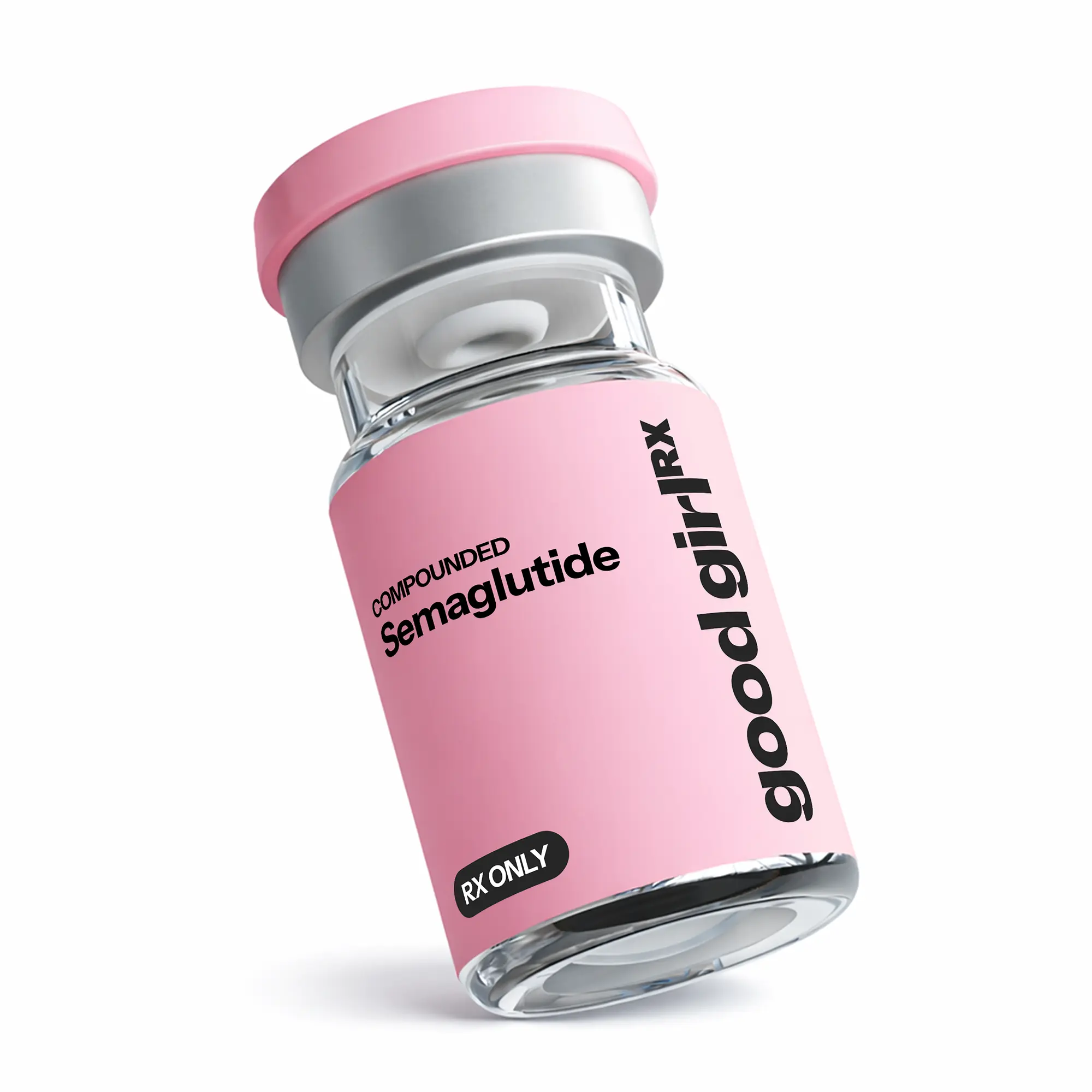
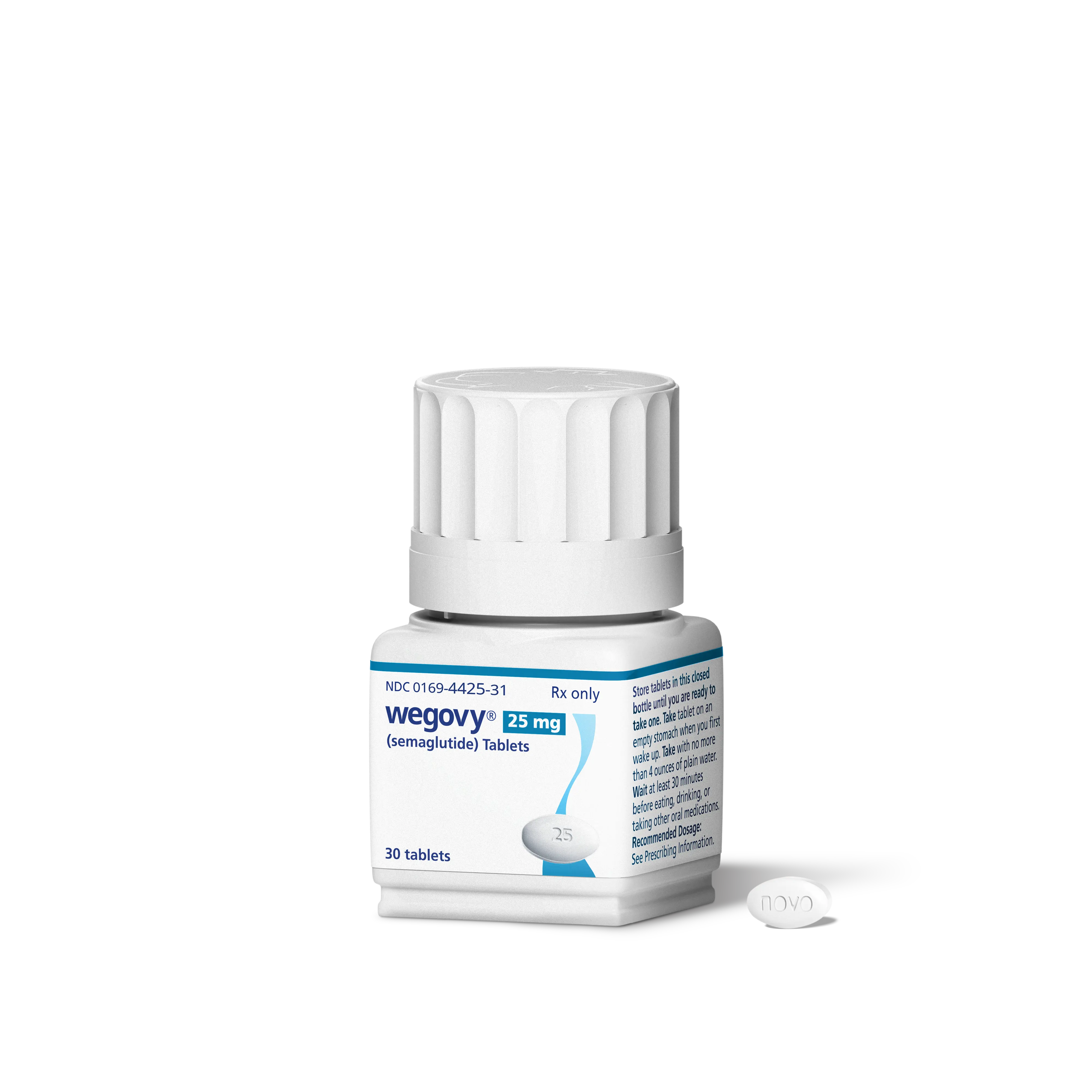
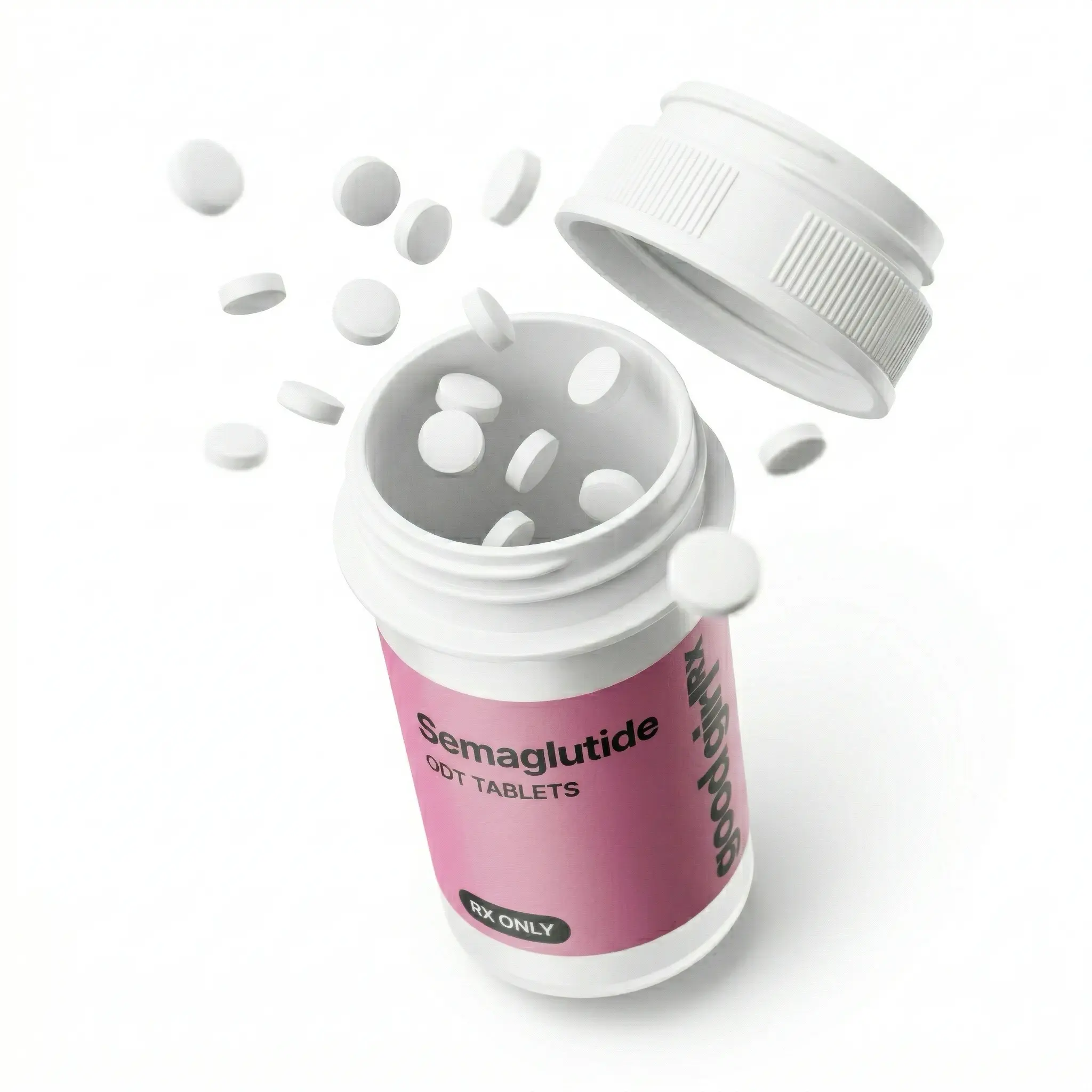
Semaglutide, the active ingredient in medications like Ozempic and Wegovy, works by mimicking the hormone GLP-1 to curb appetite and slow digestion. It's genuinely life-changing for many women—but no medication overrides biology forever. Understanding why your results have slowed is the first step to breaking through.
What Exactly Is a Weight Loss Plateau?
A plateau is a stretch of time—usually defined as four or more weeks—where your weight holds steady despite consistent effort with your medication, nutrition, and movement. It's one of the most common experiences on a GLP-1 journey, and research shows that weight loss naturally slows as your body approaches a new set point.
Here's the part that trips women up: a plateau is not the same as regaining weight. Maintaining your loss while your body adapts is still a win. But if you have more to lose and your progress has genuinely flatlined, it's worth examining the factors below.
Why Women Over 40 Hit Plateaus Differently
Midlife brings a cascade of hormonal changes that directly affect metabolism and fat storage. As estrogen declines during perimenopause and menopause, your body tends to store more fat around the midsection and loses it more reluctantly. This is biology—not a lack of willpower.
Hormonal Shifts
Declining estrogen and progesterone influence insulin sensitivity, appetite regulation, and where your body stores fat. These shifts can blunt the rate of weight loss even on an effective dose of semaglutide.
Muscle Loss and Slowing Metabolism
Starting in your 30s and accelerating after 40, you naturally lose muscle mass—a process called sarcopenia. Since muscle burns more calories than fat at rest, losing it lowers your resting metabolic rate and makes plateaus more likely.
- Estrogen decline shifts fat storage to the belly and slows fat loss
- Sarcopenia (age-related muscle loss) lowers your calorie burn at rest
- Cortisol sensitivity can rise with midlife stress, encouraging fat retention
- Sleep disruption from hormonal changes affects hunger hormones ghrelin and leptin
- Thyroid changes become more common after 40 and can quietly slow metabolism
“A plateau is your body recalibrating, not rebelling. The goal isn't to fight it with extremes—it's to work with your physiology intelligently.”
Common Reasons Your Semaglutide Stopped Working
Before assuming your dose needs adjusting, it's worth ruling out everyday factors that quietly stall progress. Many plateaus resolve once these are addressed.
| Possible Cause | What's Happening | First Step |
|---|---|---|
| Dose not yet optimized | You may need titration to a higher maintenance dose | Talk to your provider |
| Calorie creep | Portions slowly increased as appetite adjusted | Track intake for one week |
| Too little protein | Muscle loss lowers metabolism | Aim for 25–30g per meal |
| Inadequate sleep | Hunger hormones get disrupted | Prioritize 7–9 hours |
| Low activity | Resting metabolism dropped with weight loss | Add strength training |
Ready to Reassess Your Plan?
Connect with a licensed provider to review your dose and build a strategy that fits your body over 40.
Try semaglutide →How to Break Through a Semaglutide Plateau
Breaking a semaglutide weight loss plateau rarely requires drastic measures. Instead, it's about layering small, sustainable adjustments that address the specific challenges women over 40 face. Here's where to start.
1. Prioritize Protein and Muscle
Because GLP-1 medications reduce appetite so effectively, many women unintentionally under-eat protein—accelerating muscle loss. Aim for roughly 0.7 to 1 gram of protein per pound of goal body weight, and pair it with resistance training two to three times weekly to preserve the muscle that keeps your metabolism active.
2. Revisit Your Dose With a Provider
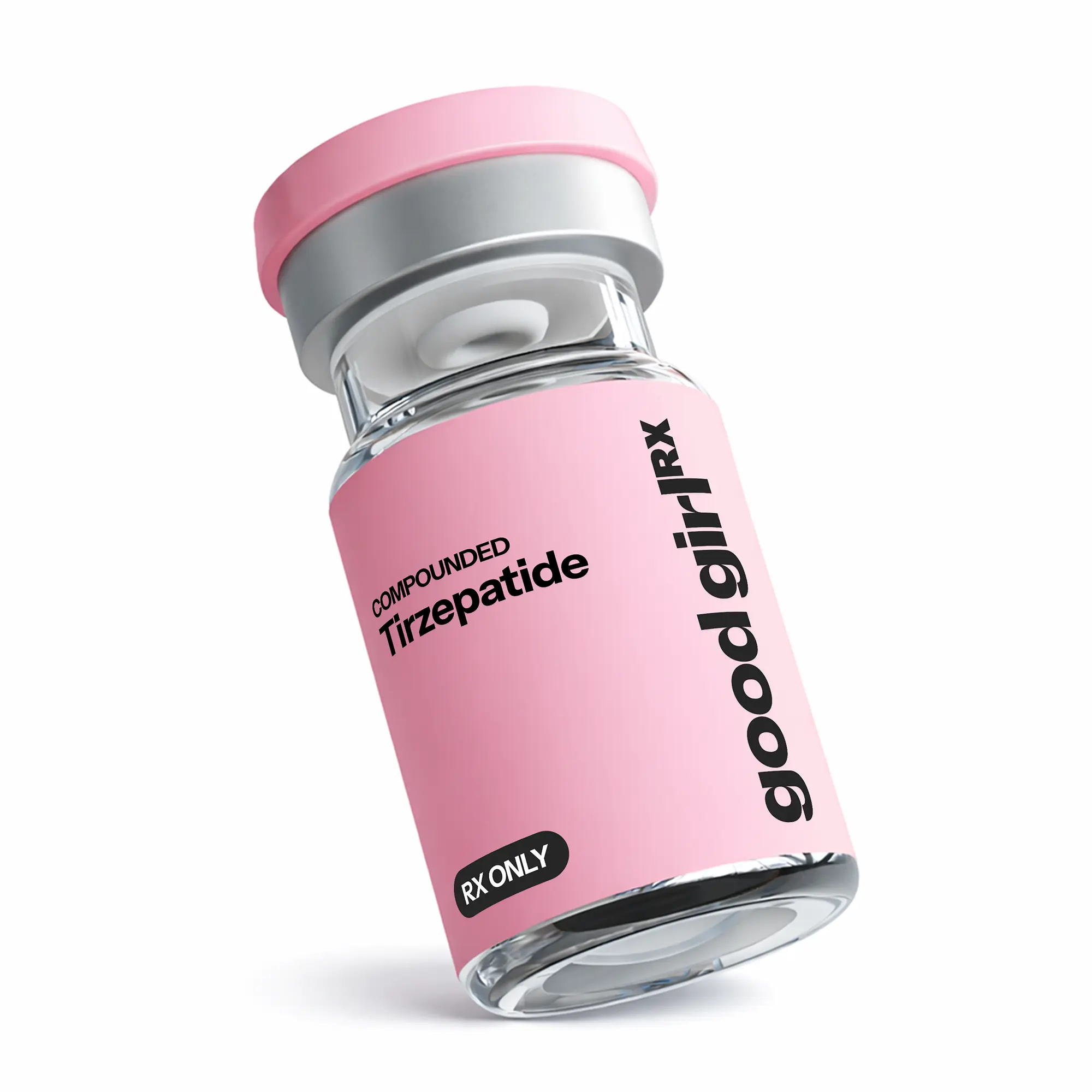
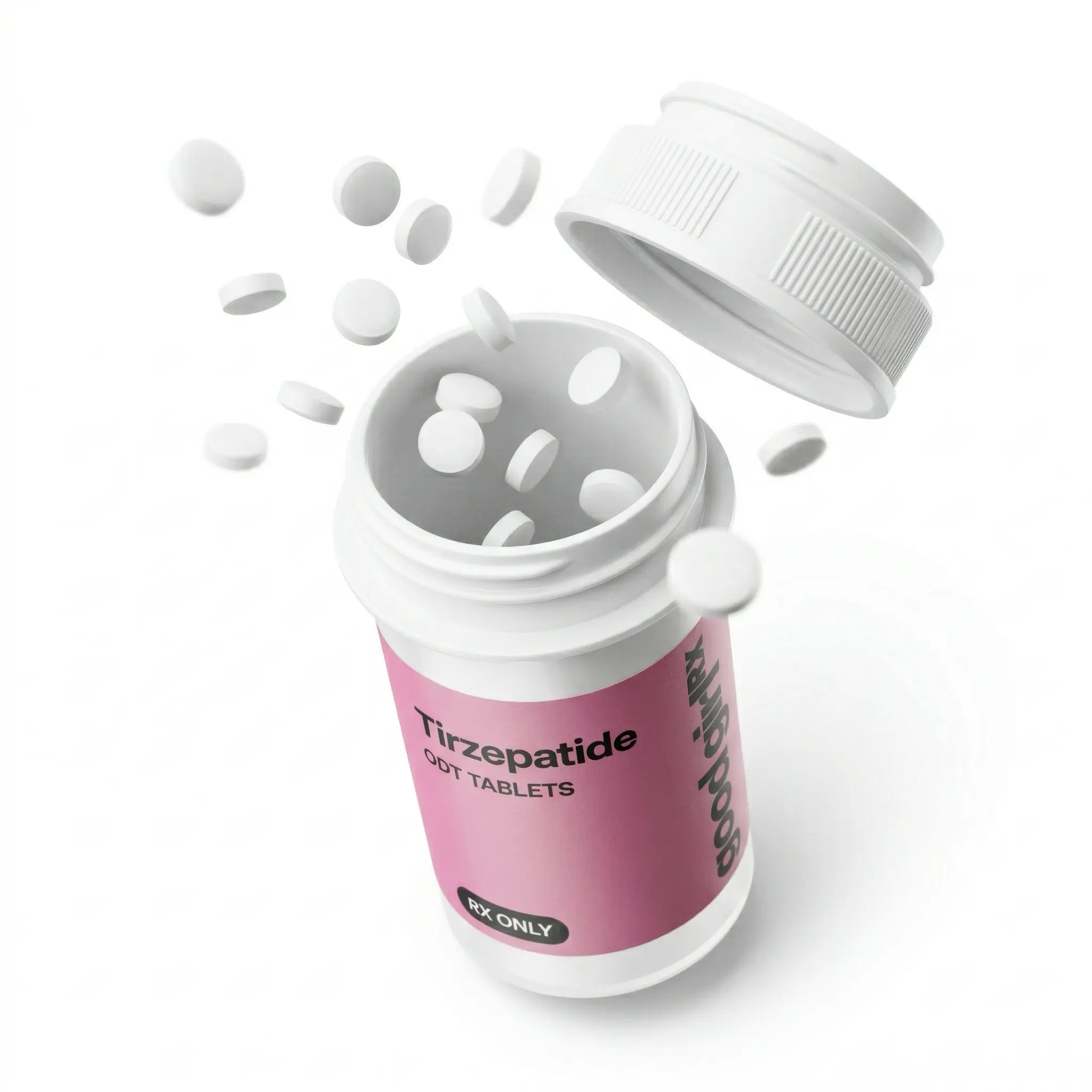
Semaglutide is titrated gradually, and some women plateau simply because they're not yet at their optimal maintenance dose. Others may benefit from a conversation about switching to tirzepatide, a dual-action GLP-1/GIP medication that some find effective when semaglutide stalls. Never adjust your dose on your own—this is a decision for your provider.
3. Fix the Foundations
Sleep, stress, and hydration aren't glamorous, but they're powerful. Poor sleep raises hunger hormones and cortisol, both of which encourage fat storage. Managing stress and drinking enough water support the metabolic environment your medication needs to work.
- Eat protein first at every meal to preserve muscle and stay full
- Strength train 2–3 times weekly to rebuild metabolic tissue
- Sleep 7–9 hours to regulate hunger and stress hormones
- Stay hydrated—aim for half your body weight in ounces daily
- Check in with your provider about dose titration or medication options
4. Consider Adjunct Support
Some women pair their GLP-1 journey with supportive therapies like B12 injections for energy or a Lipotropic MIC+B12 blend that supports fat metabolism. These aren't magic bullets, but they can complement a well-rounded plan when guided by your provider.
When to Be Patient vs. When to Act
Not every plateau needs intervention. If you've reached a healthy weight and feel strong, maintaining is a legitimate and healthy goal. But if you still have meaningful weight to lose and you've plateaued for more than a month despite consistent effort, it's time to talk strategy with your provider.
Remember, the goal isn't just a smaller number—it's a healthier, stronger, more energized version of you. A plateau is simply an invitation to fine-tune the plan you've already built. With the right adjustments, most women can break through and keep moving toward their goals.
Your Next Chapter Starts Here
Explore personalized weight loss options and connect with a provider who understands women over 40.
Find my treatment →Share this article

Ready to start your journey?
Complete your free online visit and see if GLP-1 treatment is right for you.
Get Started