
Sermorelin Sleep & Recovery for Women Over 40

Written by Nicole S.
Published October 28, 2026
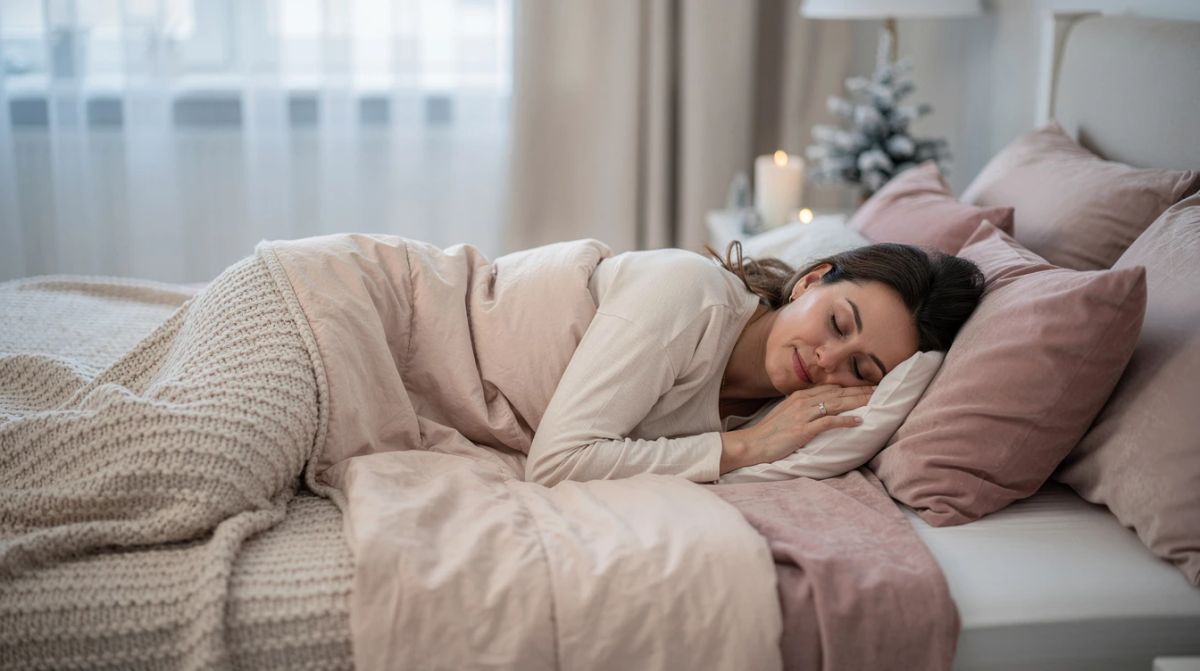
If you've crossed 40 and noticed that a full night in bed no longer leaves you feeling actually rested, you're not imagining it. Sermorelin sleep recovery for women over 40 has become one of the most searched wellness topics this winter—and for good reason. As estrogen shifts and growth hormone naturally declines with age, the deep, restorative stages of sleep that power your body's overnight repair start to shrink. The result? Groggy mornings, slower workout recovery, and that frustrating sense that you're running on empty no matter how early you turn in.
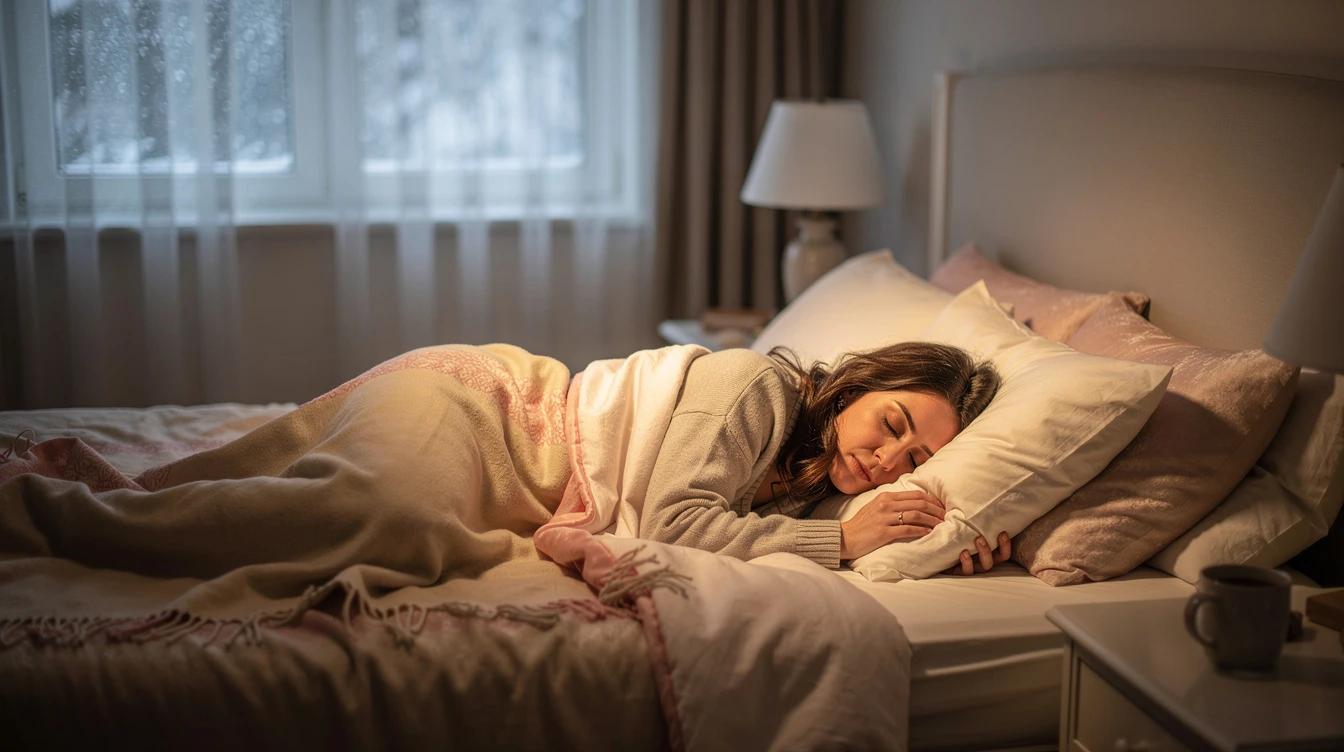
Enter sermorelin, a peptide that gently signals your body to produce more of its own growth hormone. Unlike synthetic HGH, sermorelin works with your natural rhythms—and much of that activity happens overnight, during the very sleep stages that fade with age. In this article, we'll unpack what the science actually says about sermorelin, deep sleep, and recovery, and why so many women are exploring it as the days get shorter and colder.
Why Sleep and Recovery Change After 40
Your body's growth hormone (GH) doesn't retire quietly—it ramps down gradually. Research shows GH secretion falls roughly 14% per decade after your twenties, and the steepest drop coincides with perimenopause and menopause. Because the largest natural pulse of growth hormone is released during slow-wave sleep (the deepest, most physically restorative stage), less GH and less deep sleep create a frustrating feedback loop.
Add winter into the mix. Shorter daylight hours disrupt circadian rhythm and melatonin production, while colder temperatures and holiday stress fragment sleep even further. For women over 40, this seasonal shift can magnify already-declining recovery, leaving muscles sorer, skin duller, and mornings foggier.
This matters because growth hormone isn't just about building muscle. It supports tissue repair, metabolism, immune function, collagen production, and cognitive recovery. When levels fall, the body's nightly maintenance crew works at a slower pace—and you feel it everywhere.
What Is Sermorelin and How Does It Work?
Sermorelin is a growth hormone–releasing hormone (GHRH) analog—essentially a peptide that mimics the natural signal your brain sends to your pituitary gland. Rather than flooding your system with external hormone, sermorelin prompts your own pituitary to release growth hormone in natural, pulsing patterns.
This distinction is important. Because sermorelin encourages your body's innate production, it preserves the natural negative feedback loop that protects against excessive hormone levels. Many women appreciate this more physiologic approach, especially when the goal is better sleep and recovery rather than performance enhancement.
- Stimulates natural GH release rather than replacing it synthetically
- Works primarily during sleep, aligning with your body's natural GH pulse
- May support slow-wave (deep) sleep, the most restorative sleep stage
- Typically administered as a small nightly subcutaneous injection before bed
“Sermorelin's appeal is that it supports the body's own growth hormone rhythm instead of overriding it—working with your biology rather than against it.”
Because sermorelin is often dosed at bedtime, it may reinforce the body's largest natural GH pulse—the one that normally occurs during early deep sleep. That timing is part of why so many women report better sleep quality as one of the first changes they notice.
Curious if Sermorelin Is Right for You?
Start an online visit and connect with a licensed provider who can review your sleep, recovery, and wellness goals.
Explore sermorelin →What the Science Says About Sermorelin, HGH, and Deep Sleep
The connection between growth hormone and sleep is well established. Studies published in journals like the Journal of Clinical Investigation and Sleep have documented that GHRH (the hormone sermorelin mimics) promotes slow-wave sleep. In research settings, GHRH administration has been shown to increase deep-sleep duration, particularly in the first half of the night.
For women over 40, this is especially relevant. As both estrogen and growth hormone decline, slow-wave sleep becomes harder to achieve and maintain. By supporting the GHRH pathway, sermorelin may help restore some of that deep-sleep architecture—though individual responses vary, and more research specific to midlife women is ongoing.
| Feature | Sermorelin | Synthetic HGH |
|---|---|---|
| Mechanism | Stimulates your own GH production | Directly replaces GH |
| Hormone rhythm | Preserves natural pulsing | Overrides feedback loop |
| Timing | Typically dosed at bedtime | Varies |
| Approach | More physiologic | More direct replacement |
It's worth emphasizing that sermorelin is not a sleeping pill. It doesn't sedate you. Instead, it works upstream—supporting the hormonal signaling that makes restorative sleep possible. That's a meaningful difference for women who've tried everything from melatonin to magnesium and still wake up unrefreshed.
The Recovery Benefits Women Over 40 Care About
When deep sleep improves, recovery tends to follow. Growth hormone released during slow-wave sleep plays a central role in repairing muscle, replenishing energy stores, and regulating metabolism. For active women balancing workouts, careers, and family, better overnight recovery can be transformative.
Potential Areas of Support
- Faster physical recovery after exercise and daily wear-and-tear
- Improved sleep quality and more time in deep, restorative stages
- Skin and collagen support tied to healthy GH levels
- Steadier daytime energy and reduced morning grogginess
- Metabolic support as part of a broader wellness routine
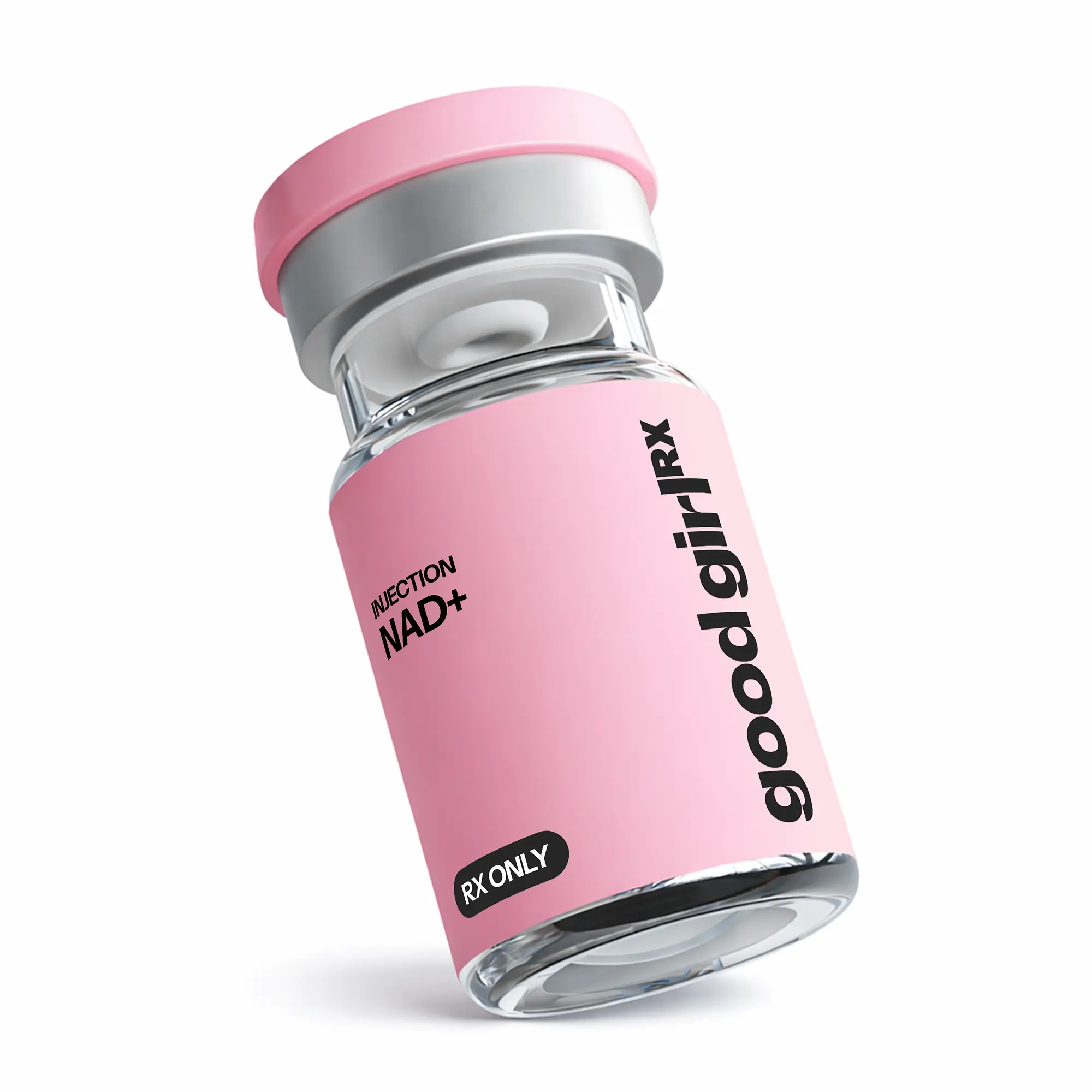
Many women layer sermorelin with other recovery-focused therapies. Some combine it with NAD+ for cellular energy, or B12 for an energy boost on busy winter mornings. Your provider can help you decide what fits your goals and health history.
Results aren't instant. Sermorelin tends to show its benefits gradually—often over several weeks to a few months—as your body's GH rhythm recalibrates. Consistency, particularly with bedtime dosing, is key.
“The women who see the most from sermorelin treat it as part of a lifestyle—consistent dosing, good sleep hygiene, and realistic expectations about a gradual, cumulative effect.”
Is Sermorelin Right for You This Winter?
Sermorelin isn't for everyone, and it's not a magic fix. It's a tool that works best alongside healthy habits and under the guidance of a licensed provider. If you're a woman over 40 struggling with fragmented sleep, slow recovery, and that persistent winter fatigue, it may be worth a conversation.
A provider will review your medical history, symptoms, and goals to determine whether sermorelin is appropriate for you. Those with certain medical conditions, or who are pregnant or breastfeeding, are typically not candidates—another reason professional guidance matters.
As the shortest days of the year approach, prioritizing deep sleep and recovery isn't a luxury—it's foundational to how you feel, perform, and show up for your life. Whether or not sermorelin ends up being part of your plan, understanding the science behind sleep and growth hormone puts you in a stronger position to make informed choices.
Ready to Prioritize Deep Sleep This Winter?
Connect with a licensed provider through Good Girl Rx to see whether sermorelin fits your recovery and sleep goals.
Explore sermorelin →Share this article

Ready to start your journey?
Complete your free online visit and see if GLP-1 treatment is right for you.
Get Started