
Stress Eating Holidays: Women Over 40 Survival Guide

Written by Nicole S.
Published October 30, 2026

The leftover Halloween candy bowl is just the beginning. From October 31st through January 1st, we're surrounded by a near-constant parade of sugar, carbs, and cortisol-spiking chaos. If you've noticed that stress eating during the holidays as a woman over 40 hits differently than it did in your twenties, you're not imagining it. Hormonal shifts, a slower metabolism, and the invisible mental load of making everyone else's season magical create a perfect storm — one where candy and comfort food become coping mechanisms rather than treats.
The good news? You don't need willpower of steel or a joyless holiday to stay in control. You need a strategy rooted in how your body and brain actually work after 40. Let's walk through it, girlfriend to girlfriend.

Why Stress Eating Hits Harder After 40
Stress eating isn't a character flaw — it's biology. When you're stressed, your body pumps out cortisol, a hormone that specifically increases cravings for high-sugar, high-fat foods. These foods temporarily calm the brain's stress response, which is exactly why that fun-size chocolate feels so soothing after a hard day.
After 40, two things make this cycle more intense. First, estrogen decline during perimenopause and menopause affects serotonin, the mood-stabilizing neurotransmitter — so your brain reaches harder for the quick serotonin boost sugar provides. Second, your resting metabolic rate naturally slows, meaning those extra holiday calories are stored more efficiently than they were a decade ago.
Add in holiday-specific stressors — financial pressure, family dynamics, packed schedules, disrupted sleep — and you've got a recipe for what researchers call emotional eating. Understanding the mechanism is the first step to interrupting it.
The Holiday Trigger Timeline
Knowing when the traps appear helps you prepare. Here's how the season typically unfolds and where women over 40 are most vulnerable to stress and candy eating.
| Time Period | Primary Trigger | Smart Counter-Move |
|---|---|---|
| Nov 1–7 (Post-Halloween) | Leftover candy bowl grazing | Donate or freeze extras within 48 hours |
| Mid-November | Pre-holiday stress + comfort food | Front-load protein at every meal |
| Thanksgiving week | Social eating + leftovers | Plate mindfully, pause before seconds |
| December | Office parties, baking, cocktails | Eat before events; hydrate between drinks |
| New Year's | Burnout + 'last hurrah' overeating | Reset routine before Jan 1, not after |
Notice that the enemy isn't any single holiday — it's the cumulative grazing over 60+ days. A few indulgent meals won't undo your progress, but nine weeks of unconscious nibbling absolutely can.
7 Science-Backed Strategies to Break the Cycle
These aren't restrictive diet rules. They're sustainable shifts designed to work with your over-40 physiology, not against it.
- Prioritize protein first. Aim for 25–30 grams at breakfast. Protein stabilizes blood sugar and curbs the afternoon candy reach by promoting satiety hormones.
- Name the feeling before the food. Ask: Am I hungry, or am I stressed, bored, or tired? This 10-second pause interrupts automatic emotional eating.
- Keep the candy out of sight. Visibility drives consumption. Studies show we eat significantly more from transparent, accessible containers.
- Walk after meals. A 10–15 minute walk blunts blood sugar spikes and lowers cortisol — a double win during the holidays.
- Protect your sleep. Poor sleep raises ghrelin (hunger hormone) and lowers leptin (fullness hormone), making cravings nearly unstoppable.
- Hydrate strategically. Thirst is often mistaken for hunger. Drink a full glass of water before deciding whether you actually want the treat.
- Allow planned indulgences. Total restriction backfires. Choosing when and what to enjoy prevents the binge-restrict cycle.
“You cannot shame yourself into lasting change. Compassion, structure, and understanding your biology will take you further than any crash diet ever could.”
Feeling Like Cravings Run the Show?
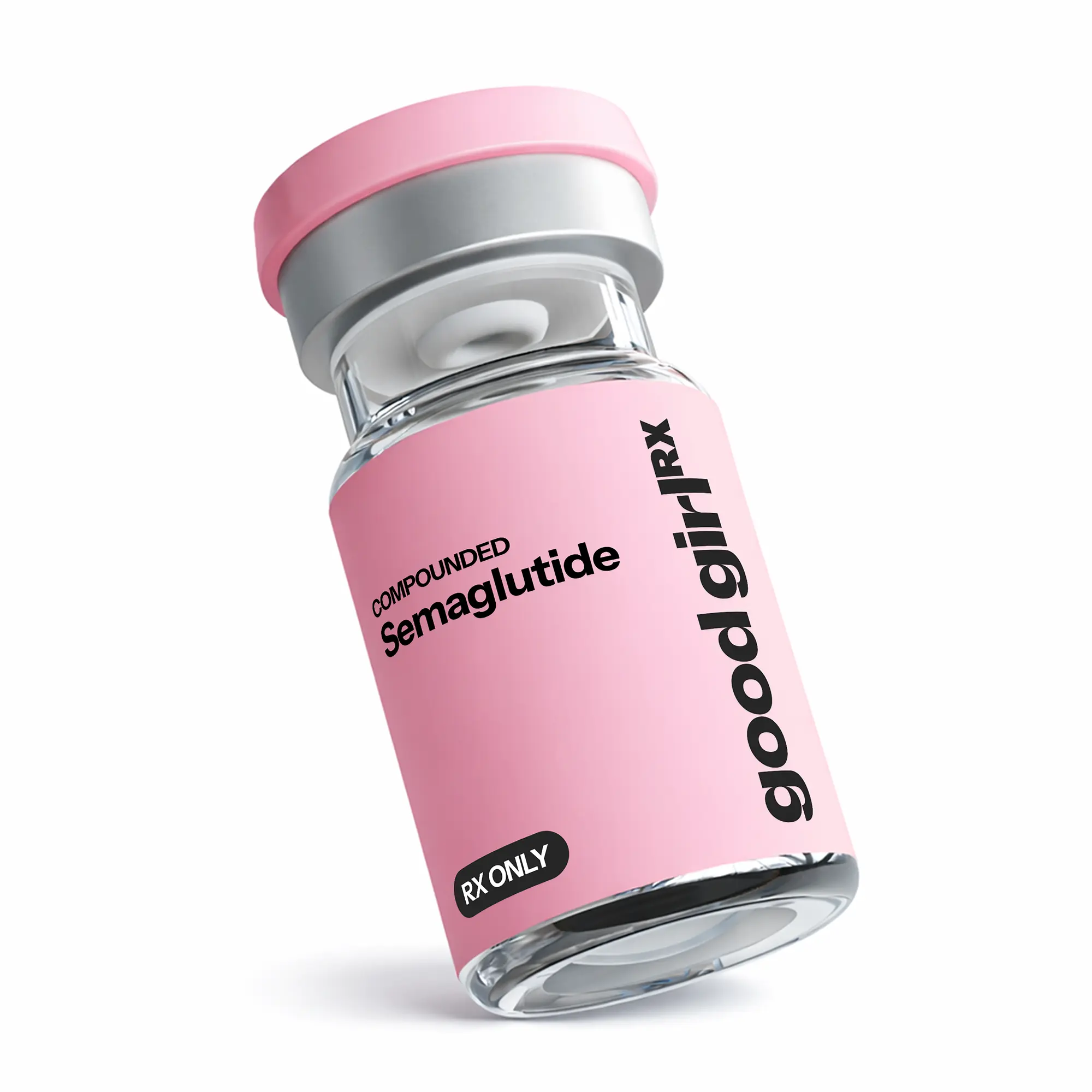
If stress eating and holiday cravings feel impossible to control on willpower alone, medical support may help. Explore whether compounded semaglutide is right for you.
Try semaglutide →When Cravings Are Bigger Than Willpower
Here's the truth we don't say often enough: for many women over 40, the intensity of holiday cravings isn't a discipline problem. It's a metabolic and hormonal one. When your body is fighting you at the biological level, strategies alone sometimes aren't enough — and that's where medical support can be a game-changer.
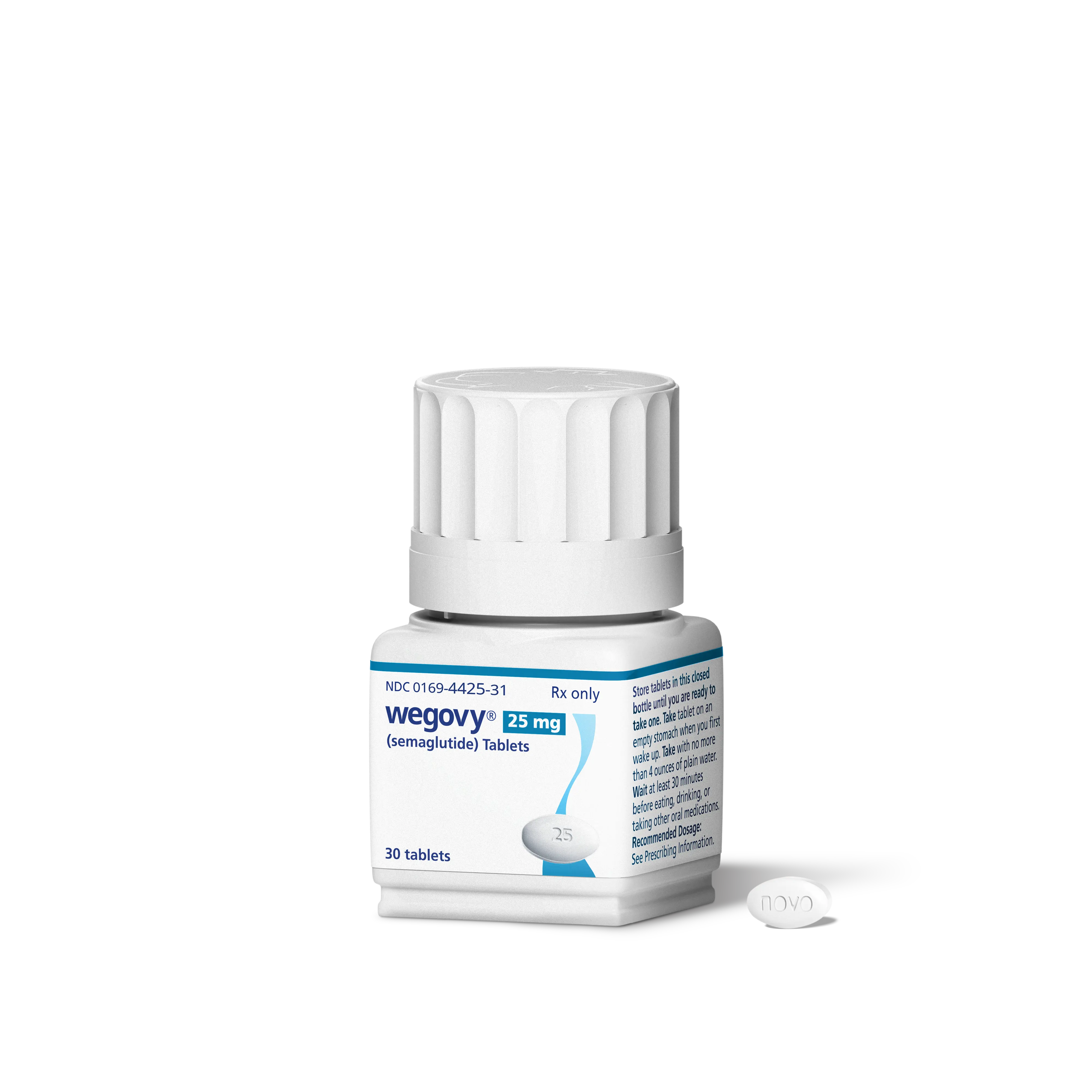
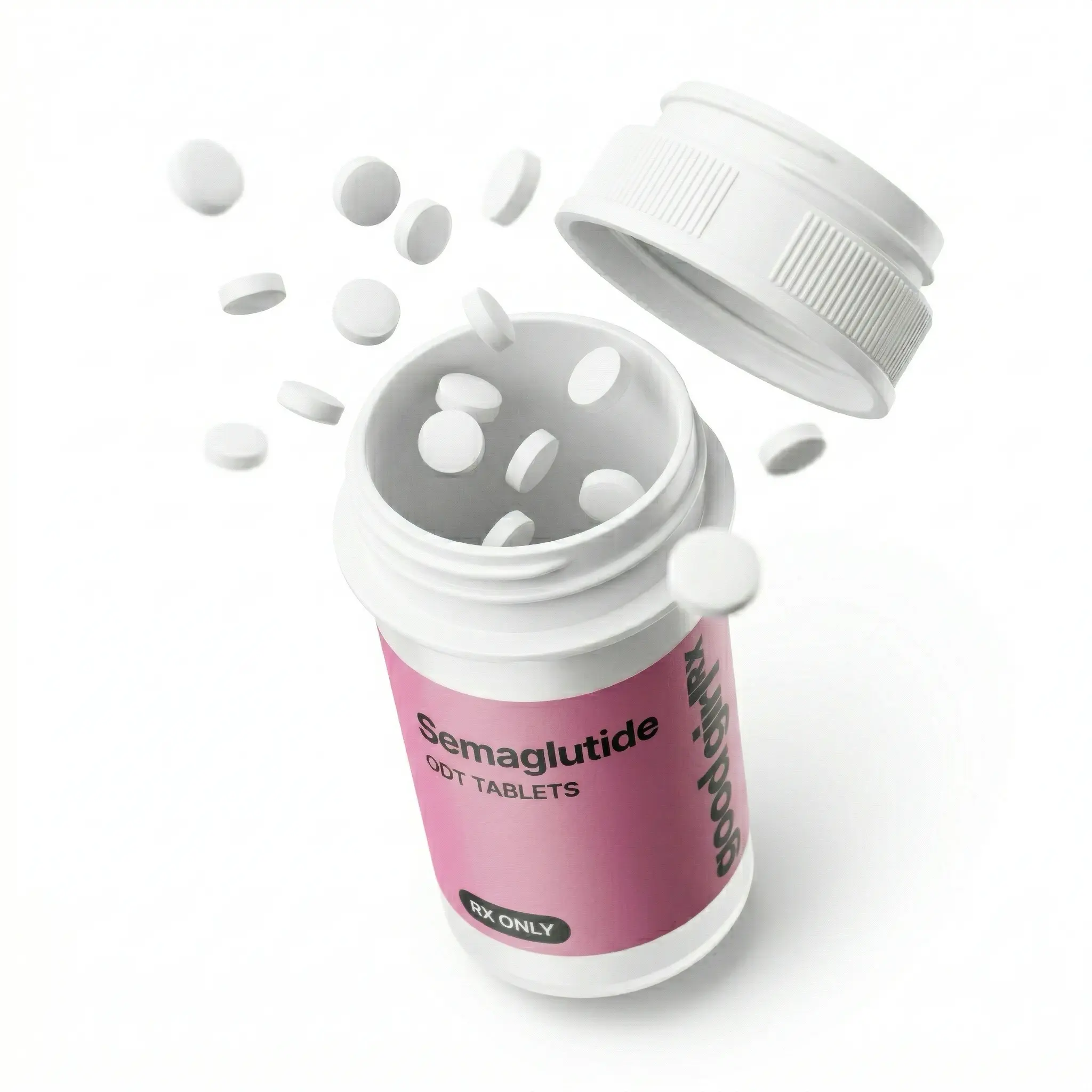
Medications like semaglutide — a GLP-1 receptor agonist — work by mimicking a natural hormone that regulates appetite and signals fullness to the brain. For women who feel ruled by cravings, this can quiet the relentless food noise that makes stress eating so hard to resist. Many patients describe simply not thinking about food constantly for the first time in years.
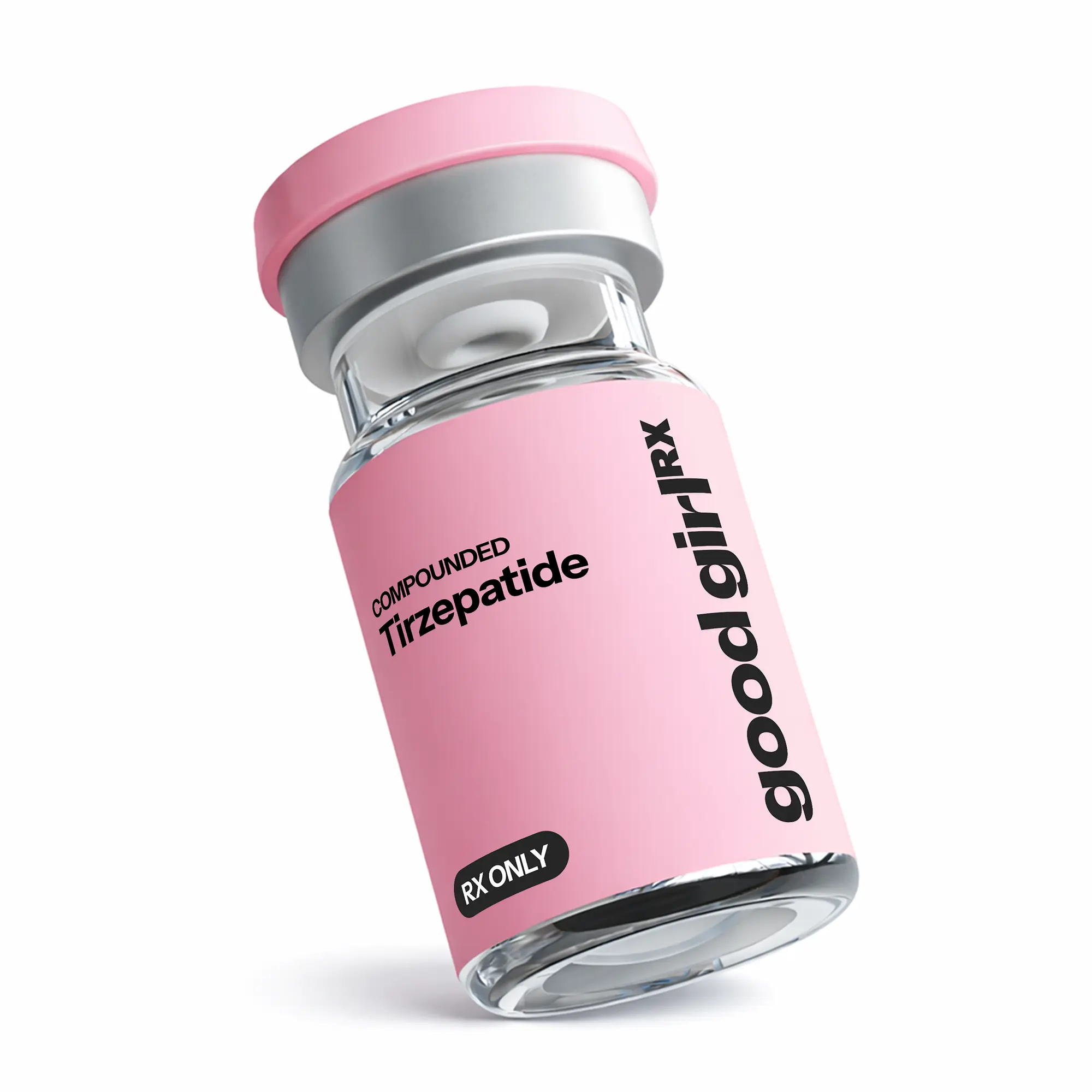
GLP-1 medications slow gastric emptying so you feel satisfied longer, and they help stabilize blood sugar — directly addressing the sugar-crash-crave cycle that intensifies during the holidays. For some women, options like tirzepatide may also be considered, and a licensed provider can help determine the best fit.
If you're curious whether this approach fits your goals, our medical weight loss program connects you with licensed providers through a simple online visit — no awkward in-office conversations required.
Building Your Holiday Game Plan
The women who sail through the holidays without derailing aren't lucky — they're prepared. Spend 30 minutes now setting up your environment and intentions for the next nine weeks.
Set Up Your Environment
Clear the candy bowl by November 1st. Stock your fridge with grab-and-go protein — Greek yogurt, hard-boiled eggs, string cheese, pre-cut veggies. When the stressed-out, 3 p.m. version of you goes looking for comfort, make the better choice the easiest choice.
Protect Your Peace
Stress is the engine behind stress eating, so managing it directly is non-negotiable. Build in 10 minutes of daily decompression — a walk, breathwork, journaling, or simply saying no to one obligation that drains you. You can't pour from an empty cup, and you can't white-knuckle your way past chronic stress.
Remember: the goal isn't perfection. It's awareness, consistency, and self-compassion. One cookie at a party is a joyful moment. Nine weeks of unconscious stress eating is a pattern worth interrupting — and now you have the tools to do exactly that.
Ready to Take Control This Season?
Discover personalized, provider-guided options to support your weight and wellness goals through the holidays and beyond.
Find my treatment →Share this article

Ready to start your journey?
Complete your free online visit and see if GLP-1 treatment is right for you.
Get Started