

Tirzepatide and Alcohol: What Women Should Know

Written by Marcus W.
Published September 22, 2026

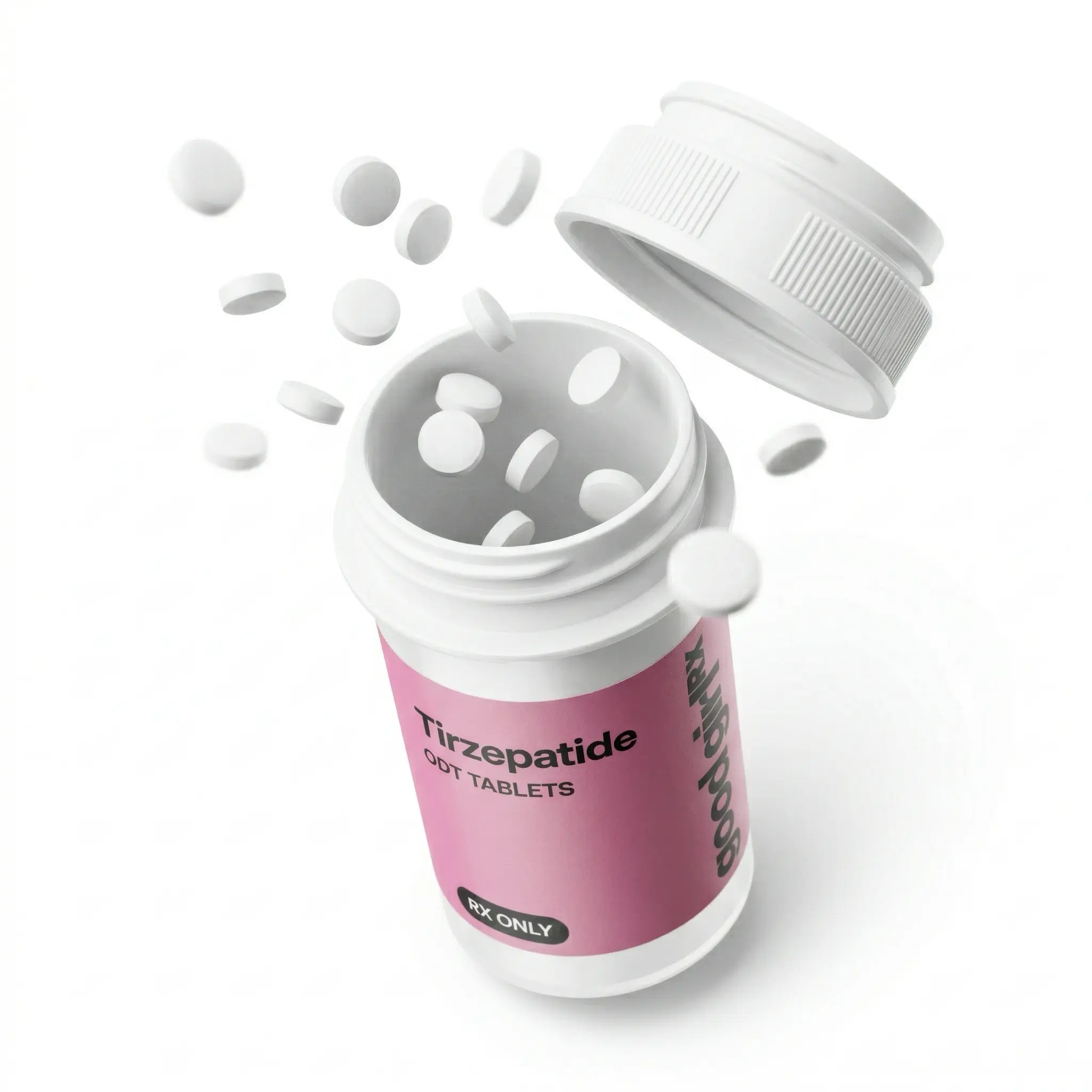
If you've started tirzepatide for weight loss and noticed that one glass of wine hits differently now, you're not imagining things. The topic of tirzepatide and alcohol comes up constantly among women, and for good reason. This popular GLP-1/GIP medication changes how your body processes food, appetite signals, and even your cravings for a cocktail. Before you toast at your next brunch or dinner party, it's worth understanding how these two mix.

Here's the honest truth: there's no official warning that says you can never drink on tirzepatide. But there are real reasons to be thoughtful. Between blood sugar effects, nausea, dehydration, and reduced cravings, alcohol behaves differently in a body that's on a GLP-1 medication. Let's break down what the science says and what your provider wants you to keep in mind.
How Tirzepatide Works and Why Alcohol Matters
Tirzepatide is a dual GIP and GLP-1 receptor agonist. In plain terms, it slows down how quickly your stomach empties, helps regulate blood sugar, and dials down the appetite and reward signals in your brain. That last part is key when it comes to drinking.
Because tirzepatide slows gastric emptying, food and drinks — including alcohol — stay in your stomach longer. This can change how alcohol is absorbed and how it makes you feel. Some women feel the effects of a single drink more intensely, while others feel almost nothing and then get hit later.
Tirzepatide also affects the brain's reward pathways. Emerging research suggests GLP-1 medications may reduce cravings not just for food but for alcohol, too. Many women simply lose interest in that second glass.
Is It Safe to Drink Alcohol on Tirzepatide?
For most healthy women, an occasional drink while on tirzepatide is not automatically dangerous. But safe and smart aren't always the same thing. The bigger concerns are around blood sugar, side effects, and dehydration — all of which alcohol can make worse.
Blood Sugar and Hypoglycemia Risk
Alcohol can cause your blood sugar to drop, especially if you drink on an empty stomach. Tirzepatide already helps lower blood sugar, so combining the two — particularly if you're also taking other diabetes medications — can increase the risk of hypoglycemia (low blood sugar). Symptoms include shakiness, dizziness, confusion, and sweating.
Worsened Nausea and GI Side Effects
The most common side effects of tirzepatide are gastrointestinal: nausea, vomiting, diarrhea, and stomach discomfort. Alcohol is a known stomach irritant. Layering a few drinks on top of a medication that already slows digestion can turn a fun night into a very uncomfortable one.
Dehydration
Alcohol is a diuretic, and tirzepatide side effects like vomiting and diarrhea can already leave you dehydrated. Together, they can compound the problem — leaving you feeling wiped out and increasing your risk of complications. Hydration is your friend.
“The way alcohol interacts with your body changes on a GLP-1 medication. Listening to how you feel — and drinking far less than you used to — is often the wisest approach.”
Ready to Start Your Tirzepatide Journey?
Connect with a licensed provider who can help you understand how tirzepatide fits into your lifestyle — drinks and all.
Try tirzepatide →What Women Notice: Alcohol Feels Different on Tirzepatide
One of the most talked-about experiences among women on tirzepatide and alcohol is how quickly they feel intoxicated — or how one drink is suddenly plenty. Because your stomach empties more slowly and you're often eating less, alcohol can hit harder and faster.
Some women describe a stronger "hangover" feeling even after modest drinking, while others say alcohol just doesn't appeal anymore. These shifts are normal and often part of the appeal — many women appreciate that their relationship with alcohol naturally softens.
- Feeling tipsy faster — one drink may feel like two or three
- Reduced desire to drink at all, thanks to changes in reward signaling
- Stronger next-day fatigue from combined dehydration effects
- More intense nausea if you drink during a dose-increase week
- Fewer calories from alcohol naturally, which can support your goals
Smart Drinking Tips While on Tirzepatide
If you choose to drink while on tirzepatide, a few thoughtful habits can help you avoid the worst side effects. The goal is to protect your body while still enjoying life on your terms.
| Do | Don't |
|---|---|
| Eat a balanced meal before drinking | Drink on an empty stomach |
| Sip water between every drink | Chase drinks quickly |
| Choose lower-sugar, lower-alcohol options | Reach for sugary cocktails |
| Know your new, lower limit | Assume your old tolerance applies |
| Avoid alcohol on injection or dose-increase days | Combine heavy drinking with a new dose |
It's also wise to plan around your injection schedule. If you notice side effects are strongest in the day or two after your weekly dose, that's not the ideal time for happy hour. Give your body a chance to settle.
When to Talk to Your Provider
Everyone's body and health history are different. If you have a history of pancreatitis, liver issues, low blood sugar, or gallbladder problems, alcohol on tirzepatide deserves a real conversation with your provider before you drink at all.
You should also reach out if you experience severe or persistent nausea, vomiting, signs of low blood sugar, or intense abdominal pain — whether or not alcohol is involved. These deserve prompt attention.
- You take other blood-sugar-lowering medications
- You have a history of pancreatitis or gallbladder disease
- You notice extreme dizziness or confusion after drinking
- You experience persistent vomiting or dehydration
- You want personalized guidance on safe limits for you
The beauty of a telehealth platform like GoodGirlRx is that you can message your provider with these exact questions. They can help you understand how tirzepatide fits into your real life, including the occasional celebration.
Explore Your Weight Loss Options
Not sure which treatment is right for you? Take the first step toward a plan that fits your body and your lifestyle.
Find my treatment →Bottom line: tirzepatide and alcohol can coexist for many women, but moderation matters more than ever. Pay attention to how your body responds, hydrate generously, and never feel pressure to keep up with your old tolerance. Often, the medication naturally nudges you toward drinking less — and that's usually a win for your health and your goals.
Share this article

Ready to start your journey?
Complete your free online visit and see if GLP-1 treatment is right for you.
Get Started