

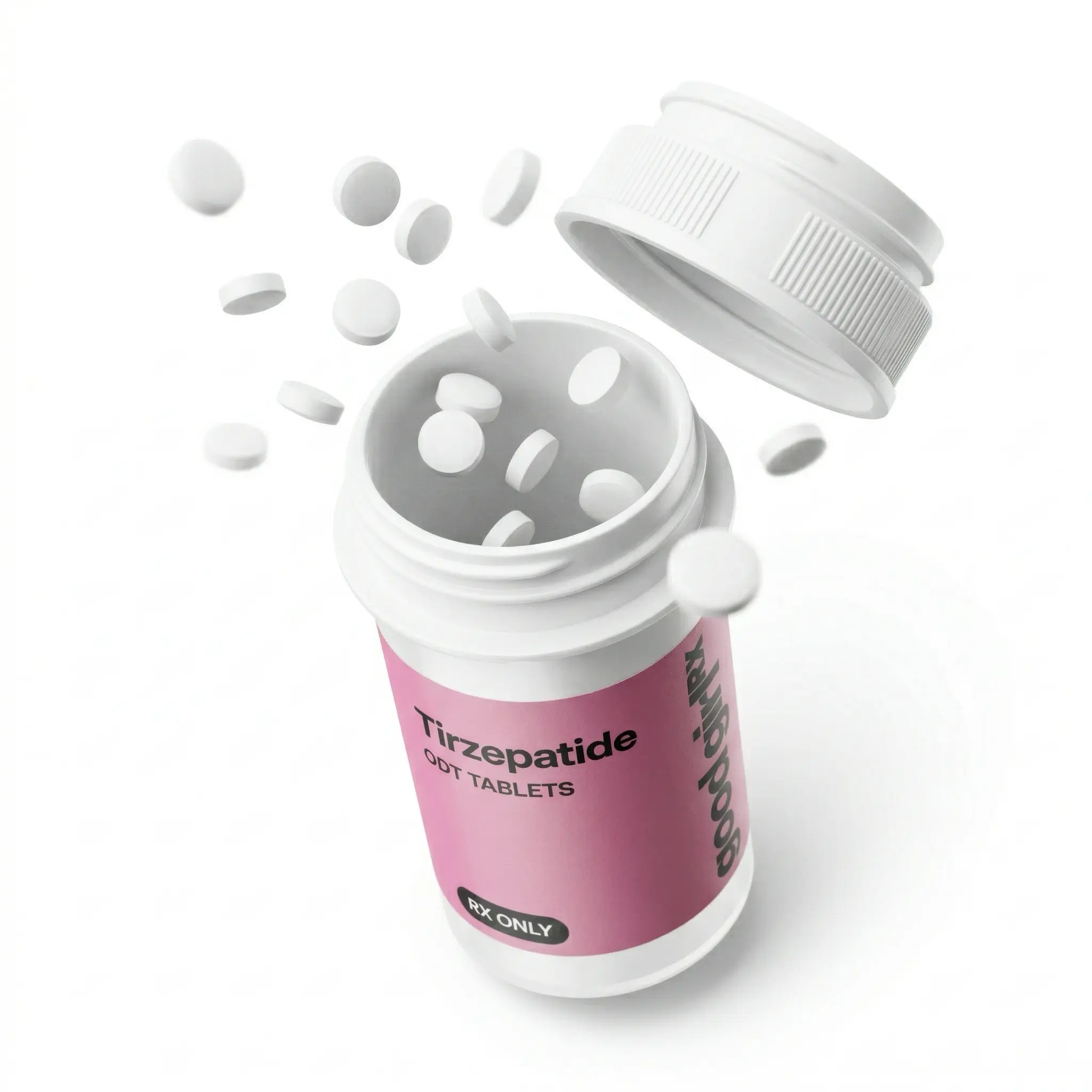
Tirzepatide First Month: What to Expect Week by Week

Written by Nicole S.
Published October 13, 2026

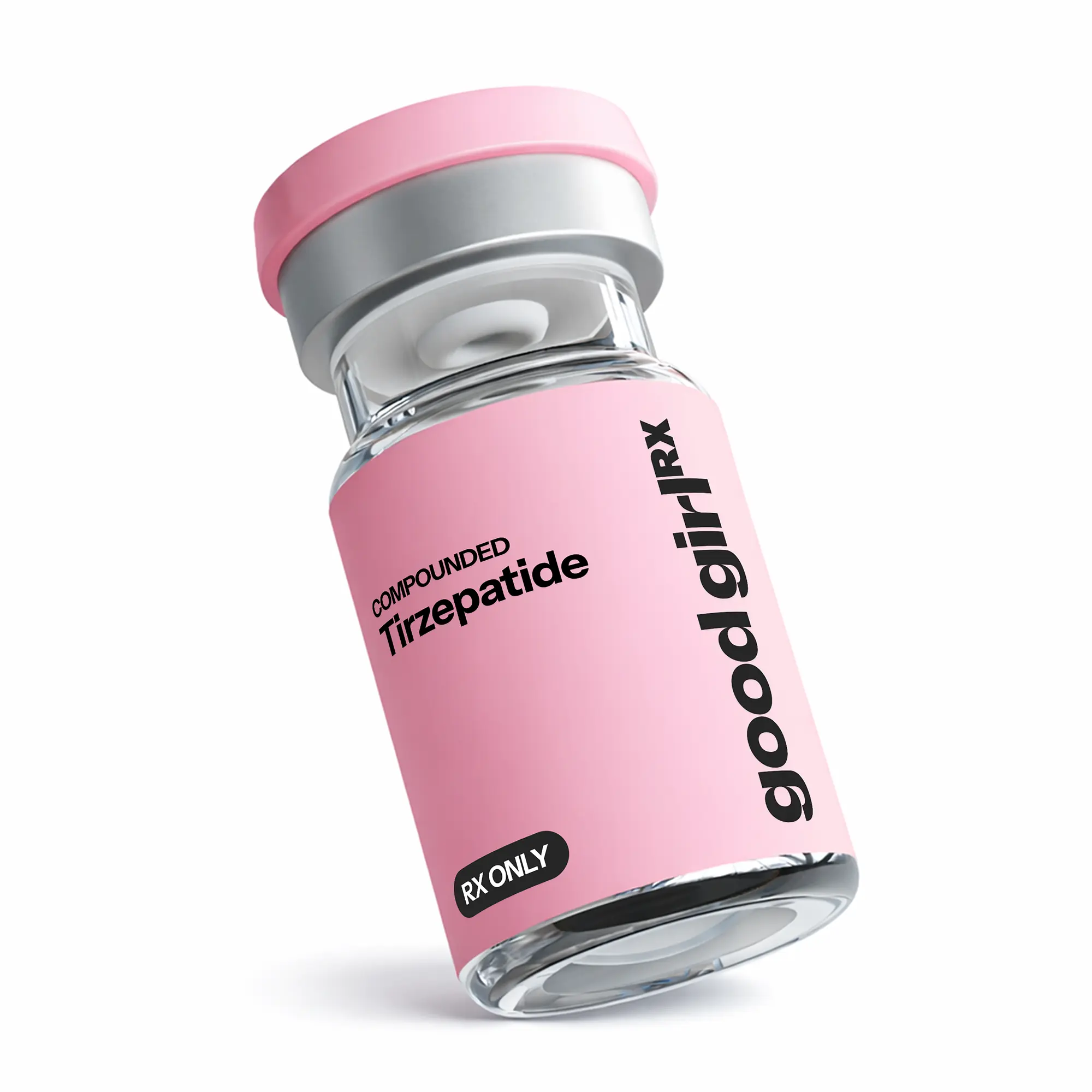
Starting a new medication can feel like stepping into the unknown—especially when it's one everyone seems to be talking about. If you're wondering about your tirzepatide first month and what to expect, you're in exactly the right place. This dual-action medication has become a game-changer for women managing weight and metabolic health, and knowing what's ahead can make the journey feel far less intimidating.
In this week-by-week guide, we'll walk through exactly how your body may respond during those first four weeks on tirzepatide—from subtle appetite shifts to managing common side effects. Think of this as your honest roadmap, written like advice from a smart friend who happens to know the medicine.

How Tirzepatide Works in Your Body
Before we dive into the weekly breakdown, it helps to understand why you feel what you feel. Tirzepatide is a dual GIP and GLP-1 receptor agonist, meaning it targets two gut hormones that regulate appetite, blood sugar, and digestion.
These hormones send signals to your brain that you're full, slow down how quickly your stomach empties, and help your body manage insulin more efficiently. The result? You naturally eat less without white-knuckling through constant hunger. This is also why many of the early side effects are digestive—your gut is simply adjusting to a new rhythm.
Your Tirzepatide First Month: What to Expect Week by Week
Week 1: The Introduction
Your first injection is a milestone. Most women use a small, once-weekly subcutaneous injection in the stomach, thigh, or upper arm. In these early days, effects are often subtle—you may not notice a dramatic change, and that's completely normal.
Some women feel mild nausea, a bit of fatigue, or notice they feel full faster at meals. Others feel almost nothing at first. Both experiences are typical. The medication is quietly beginning to work in the background.
Week 2: Appetite Shifts Become Noticeable
By the second week, many women report the hallmark tirzepatide experience: the "food noise" quiets down. That constant mental chatter about snacks and cravings tends to fade, and you may find yourself satisfied with smaller portions.
Digestive side effects like nausea, constipation, or occasional heartburn may still appear, especially after richer meals. This is your cue to slow down, eat smaller portions, and prioritize protein and hydration.
Week 3: Finding Your Rhythm
Week three is often where things start to click. Side effects frequently ease as your body adapts, and the appetite-suppressing benefits feel more consistent. You may notice your clothes fitting a little differently or the scale beginning to move.
This is also the time to build sustainable habits—regular meals, consistent protein intake, and gentle movement. These create the foundation that makes your results last well beyond month one.
Week 4: Preparing for Your Next Step
By the end of week four, you'll have completed your first full cycle. Depending on your response, your provider may keep you at 2.5 mg or increase your dose to 5 mg to continue progress. Dose increases are individualized—never rushed.
Many women feel more confident and in tune with their body at this point. The unknown has become familiar, and you have real data about how tirzepatide works for you.
| Week | Common Experience | What to Focus On |
|---|---|---|
| Week 1 | Subtle or no changes; possible mild nausea | Consistent injection timing, hydration |
| Week 2 | Reduced appetite, quieter cravings | Smaller portions, more protein |
| Week 3 | Side effects ease, results may begin | Building routines, gentle movement |
| Week 4 | Steady appetite control, possible dose review | Check in with your provider |
Ready to Start Your Tirzepatide Journey?
Connect with a licensed provider to see if tirzepatide is right for you.
Try tirzepatide →Common Side Effects and How to Manage Them
Most side effects during your tirzepatide first month are mild and digestive in nature. They tend to be most noticeable after a dose increase and usually improve as your body adjusts. Knowing how to manage them makes all the difference.
- Nausea: Eat smaller, more frequent meals and avoid greasy or very rich foods.
- Constipation: Increase fiber, drink plenty of water, and stay active.
- Fatigue: Prioritize sleep and don't skip meals—eating too little can worsen tiredness.
- Heartburn: Avoid lying down right after eating and limit spicy foods.
- Injection site tenderness: Rotate injection sites each week.
“The goal of the first month isn't perfection—it's learning how your body responds and building habits that last a lifetime.”
When to Call Your Provider
While most first-month experiences are smooth, it's important to know when to reach out. Always contact your provider if you experience severe or persistent vomiting, intense abdominal pain, signs of dehydration, or any symptom that feels concerning.
Your provider is your partner through this process. Open communication helps ensure your dose and plan stay tailored to your body and goals. Never adjust your dose on your own.
Setting Realistic Expectations for Month One
It's tempting to expect dramatic transformation in 30 days, but the first month is really about adjustment, not finish lines. Many women see gradual changes in appetite and some early weight loss, while others notice more in later months as doses increase. Results may vary—and slow, steady progress is often the most sustainable kind.
Tirzepatide works best alongside balanced nutrition, movement, and good sleep. Think of the medication as a powerful tool that supports your efforts—not a replacement for them. If you're curious about how it compares to other options, you can also explore semaglutide with your provider to find the best fit.
Celebrate the non-scale victories too: better portion control, quieter cravings, more energy, and the confidence of taking a proactive step for your health. These wins build momentum for the months ahead.
Your Confident, Healthier Chapter Starts Here
Take the next step with a telehealth visit and personalized guidance from a licensed provider.
Try tirzepatide →Share this article

Ready to start your journey?
Complete your free online visit and see if GLP-1 treatment is right for you.
Get Started