

Tirzepatide for Menopause Weight Gain: What to Know

Written by Aria C.
Published September 23, 2026

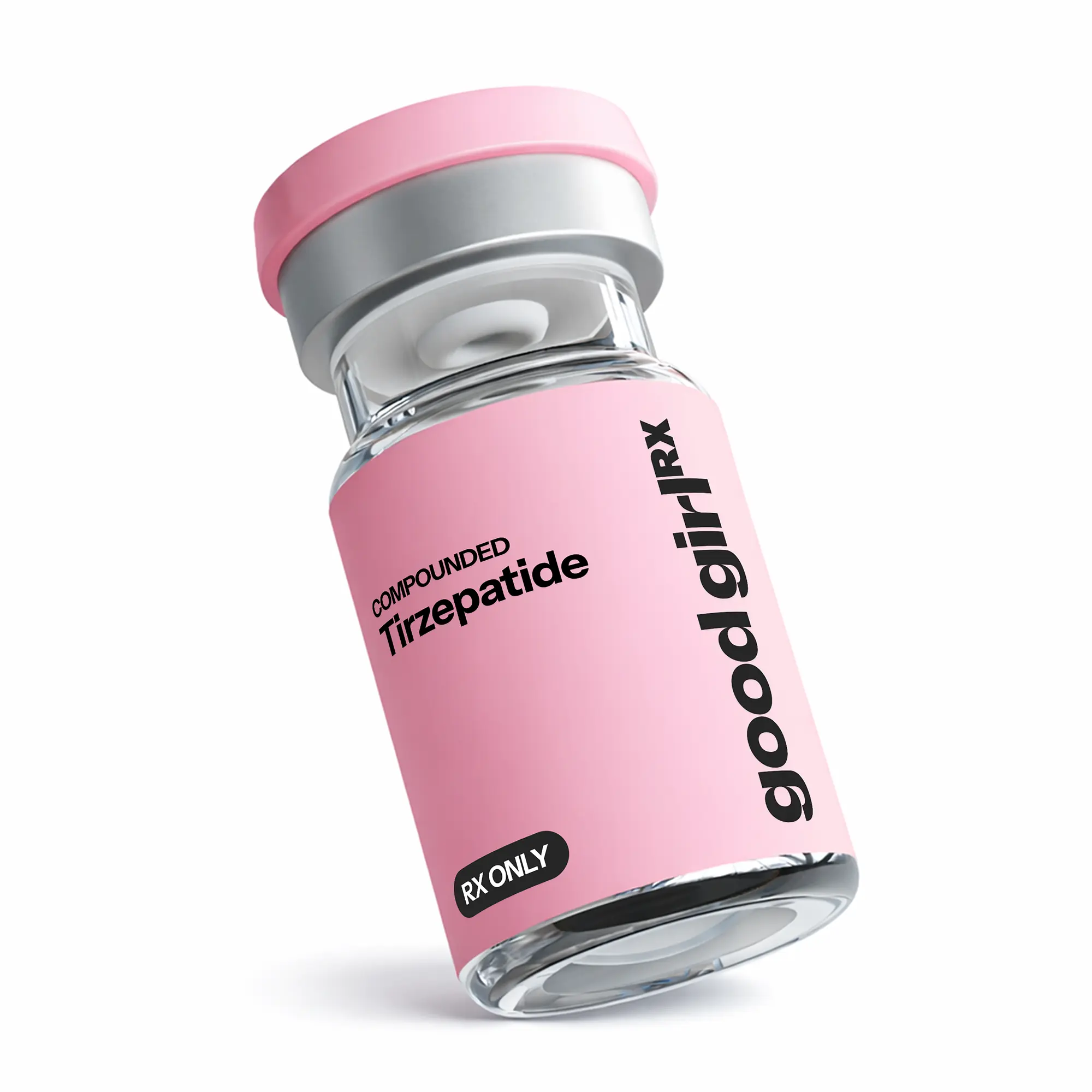
If you've noticed the scale creeping up despite eating the same and moving the same as always, you're not imagining it. Menopause weight gain is real, frustrating, and rooted in biology—not willpower. That's exactly why so many women over 40 are asking about tirzepatide for menopause weight gain, a dual-action medication that's changing the conversation around midlife metabolism.
As estrogen declines, your body redistributes fat, slows your metabolism, and makes it harder to feel full. Tirzepatide works with these changes rather than against them—helping regulate appetite and blood sugar in ways diet alone rarely can. Let's break down what every woman over 40 should understand before considering it.

Why Menopause Causes Weight Gain
The average woman gains 1 to 2 pounds per year during the menopausal transition, and much of it settles around the midsection. This isn't just cosmetic—visceral fat around the abdomen is metabolically active and linked to higher risks of heart disease and insulin resistance.
The culprit is hormonal. As estrogen drops, your body becomes less efficient at burning calories and storing fat in the hips and thighs. Instead, fat migrates to the belly. At the same time, muscle mass naturally declines with age—a process called sarcopenia—which further lowers your resting metabolic rate.
- Declining estrogen shifts fat storage to the abdomen
- Loss of muscle mass slows resting metabolism
- Insulin resistance increases, making weight harder to lose
- Sleep disruption from hot flashes raises hunger hormones
- Elevated cortisol from midlife stress encourages fat storage
How Tirzepatide Works for Women Over 40
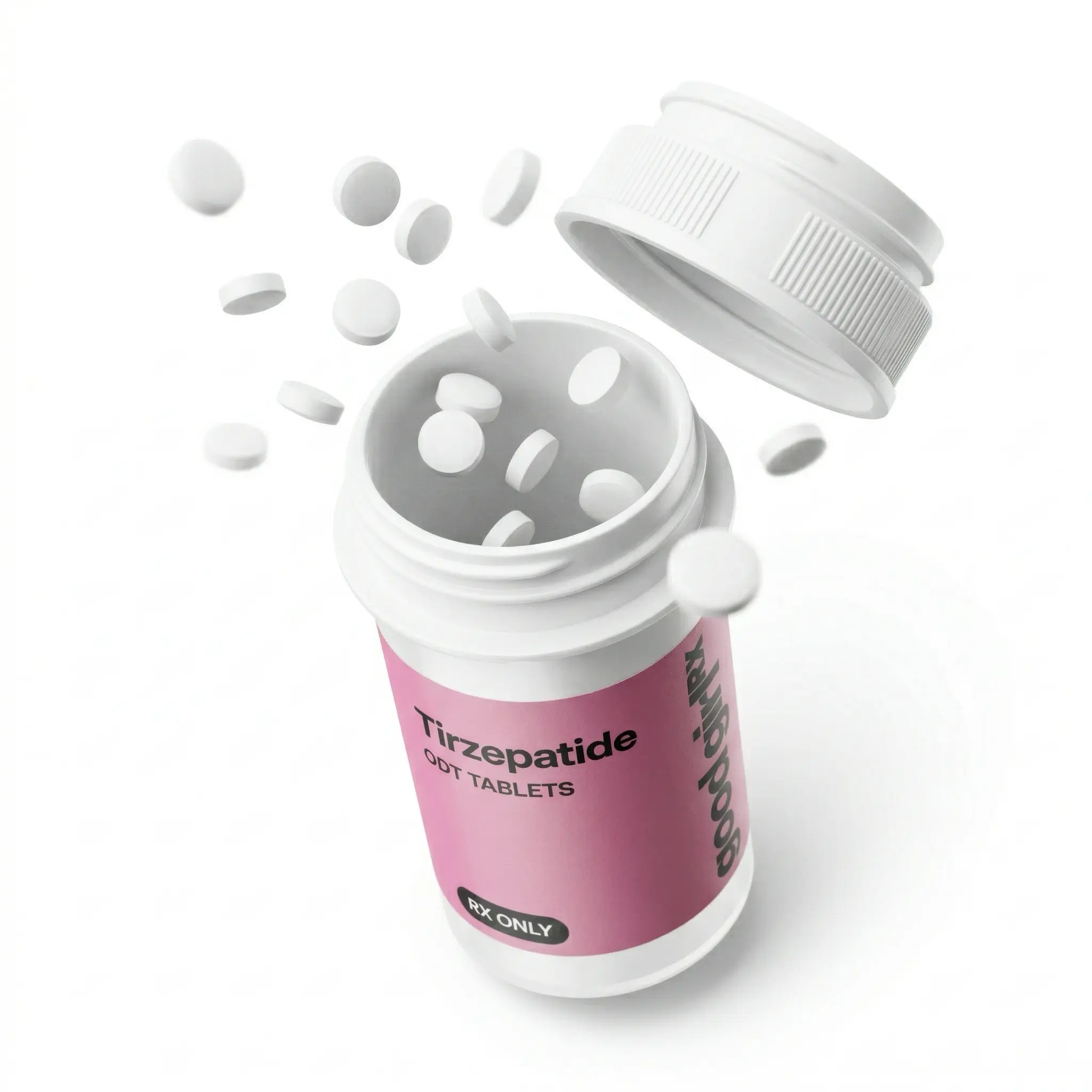
Tirzepatide is a dual GIP and GLP-1 receptor agonist—meaning it activates two different gut hormone pathways instead of just one. This dual action is what sets it apart from single-pathway medications and makes it especially compelling for the metabolic challenges of midlife.
By mimicking these naturally occurring hormones, tirzepatide slows how quickly your stomach empties, signals fullness to your brain, and improves how your body responds to insulin. For a woman battling menopause-related insulin resistance, that combination directly addresses the underlying problem—not just the symptom.
“For midlife women, treating weight gain means treating the metabolism itself—not just cutting calories. Medications that target insulin resistance and appetite hormones represent a genuine shift in how we approach menopausal metabolic health.”
In clinical trials, tirzepatide produced substantial average weight reductions across participants, though individual results vary based on dose, lifestyle, and biology. For women over 40, the appeal isn't just the number on the scale—it's improved energy, better blood sugar control, and reduced abdominal fat that carries real health risks.
Ready to address menopause weight gain?
Start a confidential online visit and find out if tirzepatide is right for your midlife metabolism.
Try tirzepatide →Tirzepatide vs. Semaglutide: What's the Difference?
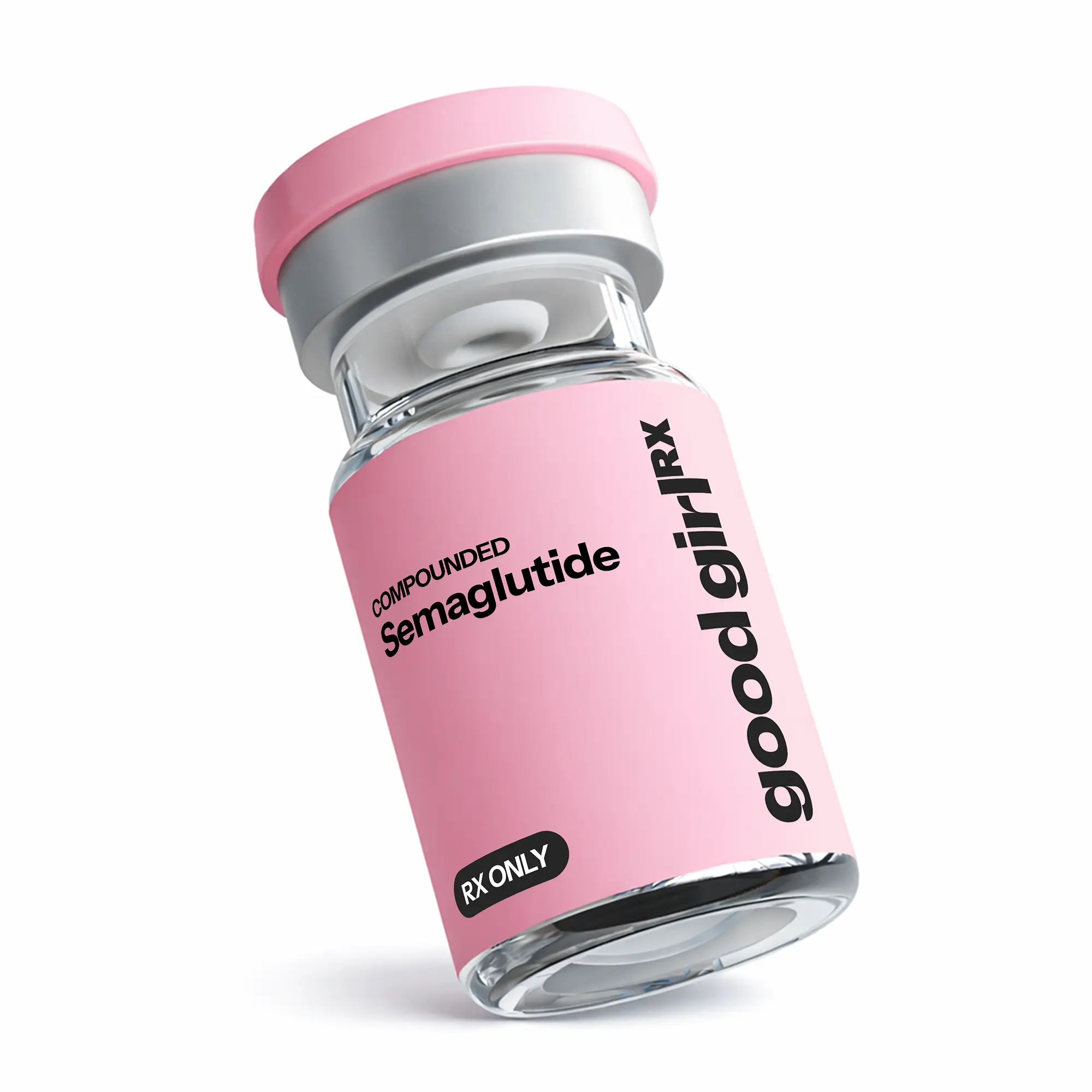
You've probably heard both names. Both are prescription injectables used for weight management, but they work slightly differently. Semaglutide targets one hormone pathway (GLP-1), while tirzepatide targets two (GLP-1 and GIP).
| Feature | Tirzepatide | Semaglutide |
|---|---|---|
| Hormone pathways | GIP + GLP-1 (dual) | GLP-1 (single) |
| Dosing frequency | Once weekly | Once weekly |
| Appetite reduction | Strong | Strong |
| Insulin sensitivity | Improves | Improves |
| Available forms | Injection & oral | Injection & oral |
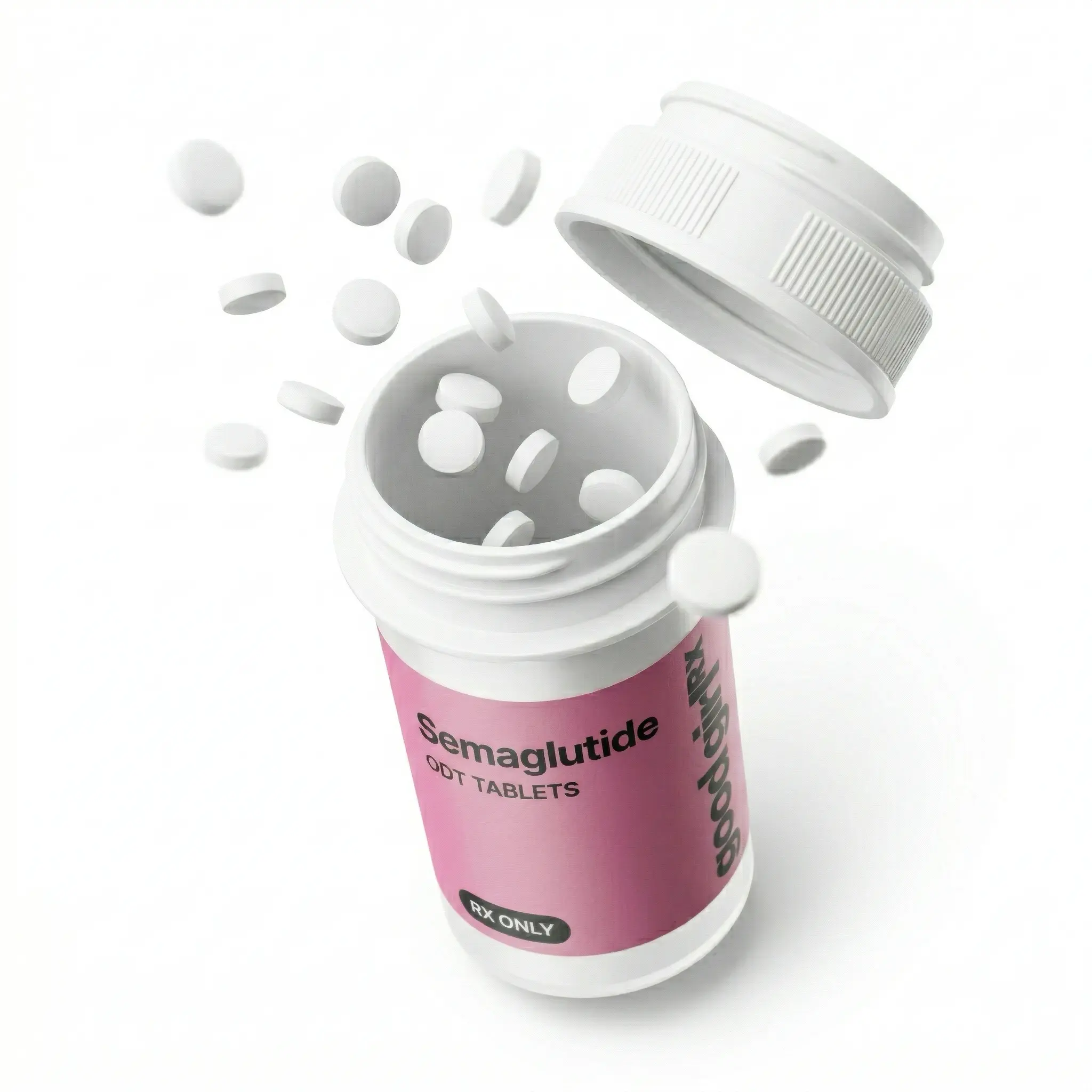
There's no universally "better" option—the right choice depends on your health history, goals, and how your body responds. That's a conversation to have with your provider, who can personalize your treatment plan. Both are available as convenient once-weekly injections or as oral options for those who prefer to skip needles.
What to Expect: Timeline and Side Effects
Tirzepatide is started at a low dose and gradually increased over several weeks—a process called titration. This slow ramp-up helps your body adjust and minimizes side effects. Most women don't see dramatic changes overnight; consistent results build over the first few months.
| Timeframe | What many women notice |
|---|---|
| Weeks 1–4 | Reduced appetite, smaller portions, mild nausea possible |
| Weeks 4–12 | Steady fat loss, fewer cravings, improved energy |
| Months 3–6 | Continued progress, better blood sugar, clothing fits differently |
| 6+ months | Weight stabilization with ongoing lifestyle support |
The most common side effects are gastrointestinal—nausea, constipation, or diarrhea—and they typically fade as your body adapts. Staying hydrated, eating smaller meals, and prioritizing protein all help. Serious side effects are rare, but always report anything concerning to your provider promptly.
Getting the Most From Tirzepatide in Midlife
Medication is a powerful tool, but it works best as part of a bigger picture. Because menopause accelerates muscle loss, strength training becomes non-negotiable—it protects your metabolism and helps ensure the weight you lose is fat, not precious muscle.
- Prioritize protein—aim for 25–30 grams per meal to preserve muscle
- Lift weights at least twice weekly to counter age-related muscle loss
- Stay hydrated to ease digestive side effects and support metabolism
- Protect your sleep to keep hunger hormones balanced
- Check in with your provider to adjust your dose as needed
Think of tirzepatide as the reset your midlife metabolism has been asking for—not a replacement for healthy habits, but a way to make those habits finally work the way they did in your thirties. Many women describe it as quieting the constant "food noise" so they can make choices with clarity instead of cravings.
You deserve to feel strong, energized, and comfortable in your body at every age. Menopause changes the rules—but with the right medical support, you can absolutely rewrite the outcome. If you're curious whether tirzepatide fits your journey, a quick online visit is the easiest way to find out.
Take the next step for your metabolism
Connect with a licensed provider online and see if tirzepatide for menopause weight gain is right for you.
Try tirzepatide →Share this article

Ready to start your journey?
Complete your free online visit and see if GLP-1 treatment is right for you.
Get Started