
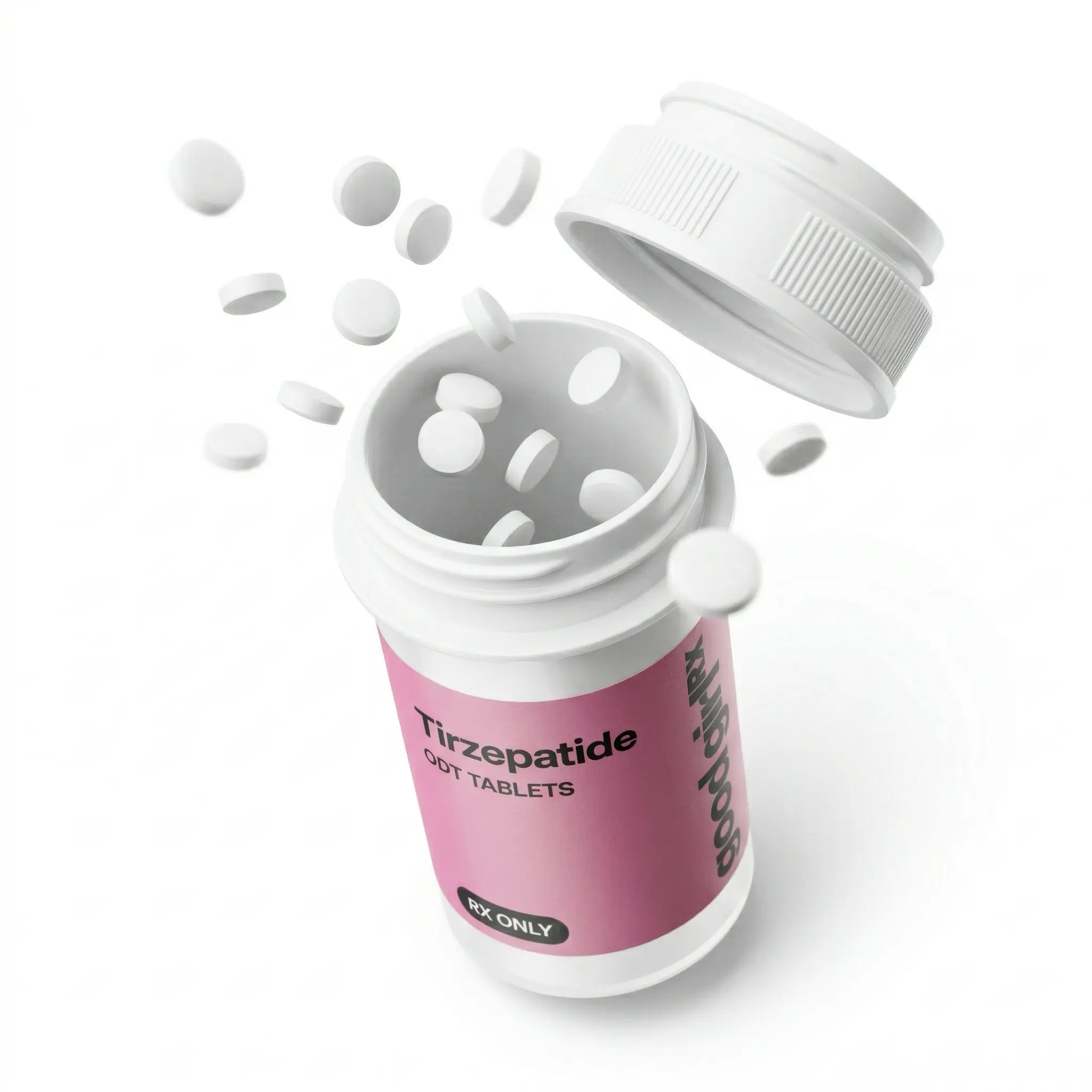
Tirzepatide for Menopause Weight Loss After 40

Written by Marcus W.
Published November 10, 2026

If you've noticed the scale creeping up despite eating the same way you always have, you're not imagining it. Tirzepatide menopause weight loss for women over 40 has become one of the most searched topics in women's health for good reason: the hormonal shifts of midlife make weight loss genuinely harder. As estrogen declines, your metabolism, fat storage, and even your appetite signals change. The good news? Science-backed treatments like tirzepatide are helping women work with their changing bodies instead of fighting them.

This isn't about chasing a number or a smaller dress size for its own sake. It's about understanding why menopause reshapes your body and how modern medicine can support your goals. Let's break down what every woman over 40 should know.
Why Weight Gain Feels Different After 40
During perimenopause and menopause, declining estrogen triggers a cascade of metabolic changes. Fat that once settled on your hips and thighs starts migrating to your midsection — the more stubborn, inflammation-prone visceral fat. This shift happens even when your diet and exercise haven't changed.
At the same time, muscle mass naturally declines with age, a process called sarcopenia. Since muscle burns more calories than fat, losing it slows your resting metabolism. Add disrupted sleep, rising cortisol, and insulin resistance, and you have a perfect storm for midlife weight gain.
This is why so many women tell us they feel like they're "doing everything right" but seeing no results. Your body is operating under a different set of rules than it was in your 30s — and that calls for a different approach.
How Tirzepatide Works for Women Over 40
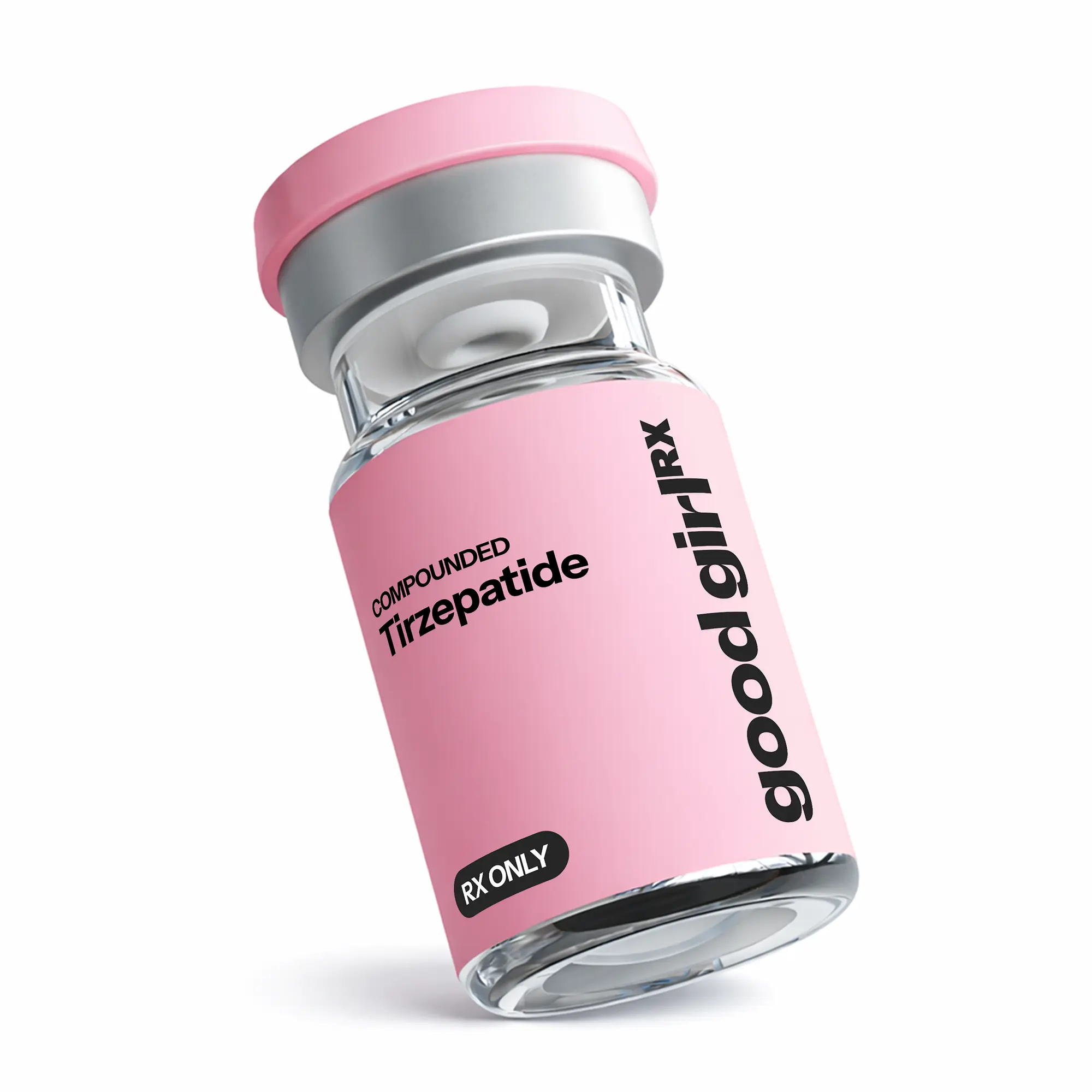
Tirzepatide is a dual GIP and GLP-1 receptor agonist. In plain English, it mimics two naturally occurring gut hormones that regulate appetite, blood sugar, and how your body uses fat and sugar for energy. This dual action is what sets it apart from single-hormone medications.
For women navigating menopause, tirzepatide addresses several of the exact problems midlife creates. It slows digestion so you feel full longer, quiets the constant "food noise" that can intensify with hormonal shifts, and improves insulin sensitivity — a major issue as estrogen declines.
The Dual-Hormone Advantage
The GIP component may enhance how your body processes fat and could improve the appetite-suppressing effects of GLP-1. For women dealing with insulin resistance and stubborn abdominal fat after 40, this combined mechanism is especially relevant. Tirzepatide isn't just curbing hunger — it's helping your metabolism function more efficiently.
“Menopause doesn't mean surrendering to weight gain. With the right medical support, women in midlife can absolutely reclaim their energy, strength, and confidence.”
Ready to Work With Your Changing Body?
See if tirzepatide is right for your menopause weight loss journey with a quick, confidential online visit.
Try tirzepatide →What to Expect: Timeline and Dosing
Tirzepatide is typically administered as a once-weekly injection, with the dose gradually increased over several weeks. This slow titration helps your body adjust and minimizes side effects. Here's a general overview of how treatment often unfolds — though your provider will personalize your plan.
| Phase | Timeframe | What Happens |
|---|---|---|
| Starting dose | Weeks 1-4 | Lowest dose to help your body adjust; appetite begins to decrease |
| Titration | Weeks 4-20 | Dose gradually increases as tolerated; more noticeable appetite and weight changes |
| Maintenance | Ongoing | Provider determines your effective dose for continued results |
Many women notice reduced appetite within the first few weeks, with more visible changes over the following months. Results may vary based on your starting point, consistency, and individual metabolism. Pairing treatment with protein-rich nutrition and resistance training helps protect the muscle mass that's so important after 40.
Tirzepatide vs. Other Options
You may be weighing tirzepatide against other GLP-1 medications. The key difference is tirzepatide's dual-hormone action, which in clinical studies has shown strong results. Here's how common options compare at a glance.
| Medication | Mechanism | Administration |
|---|---|---|
| Tirzepatide | Dual GIP + GLP-1 | Weekly injection |
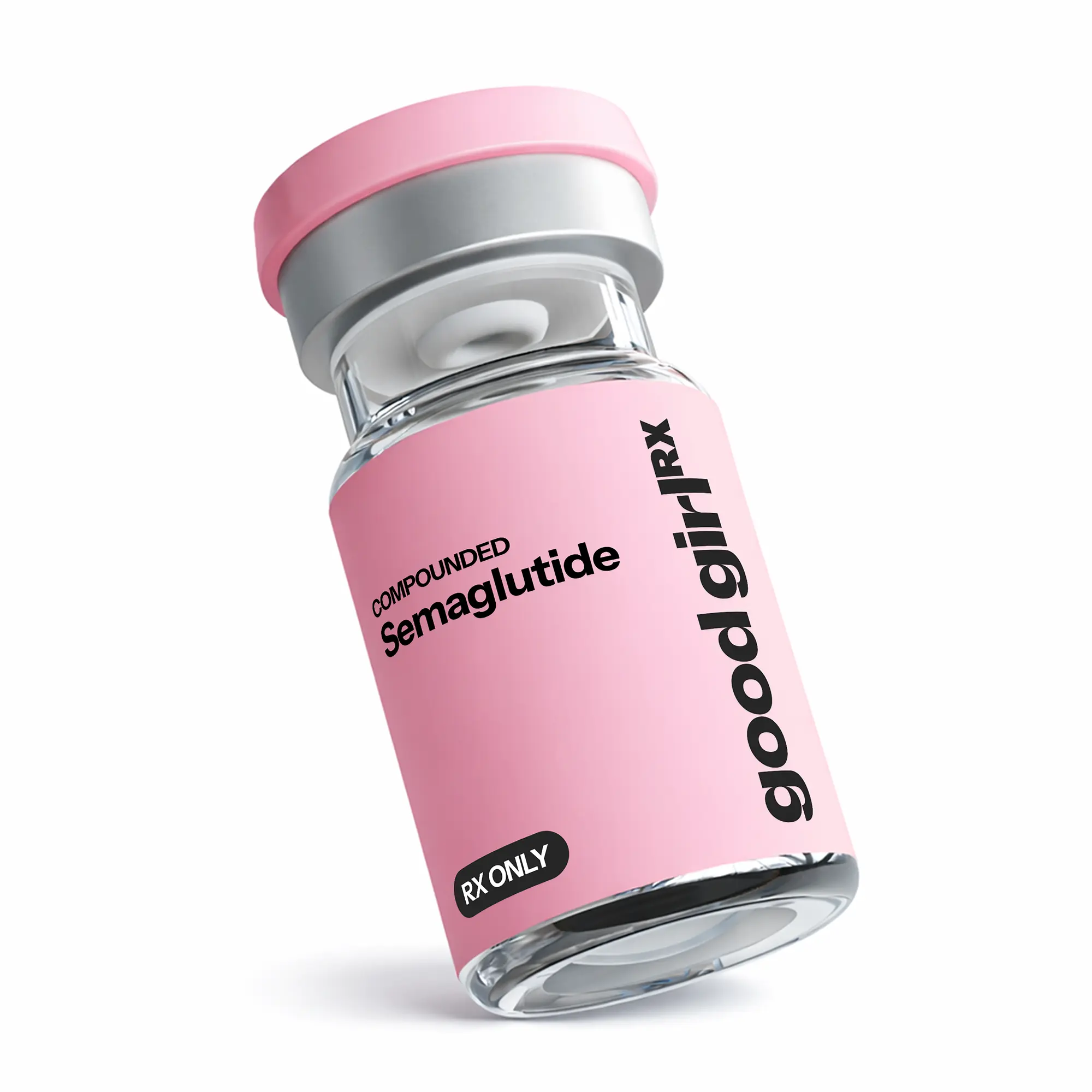
| Semaglutide | GLP-1 only | Weekly injection |
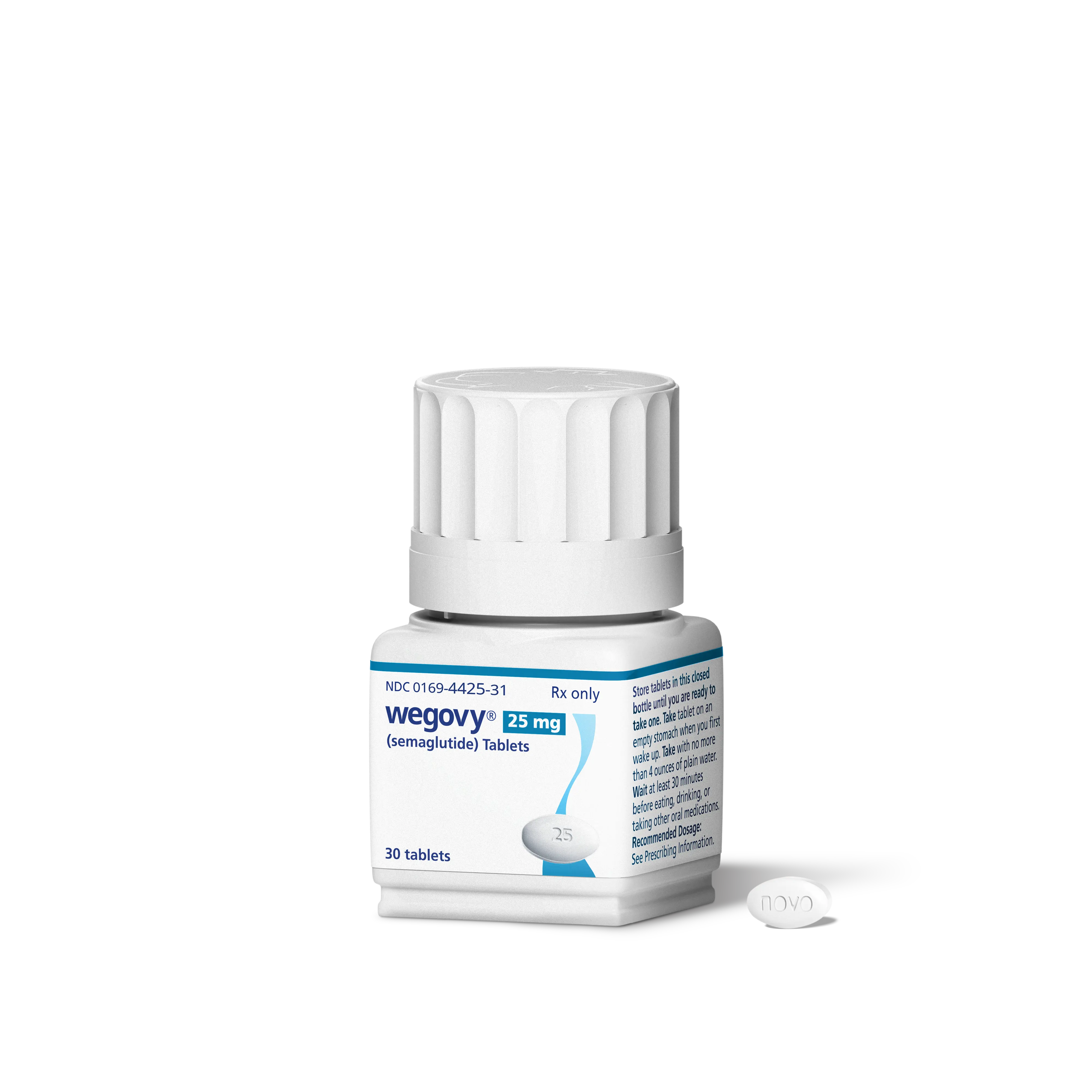
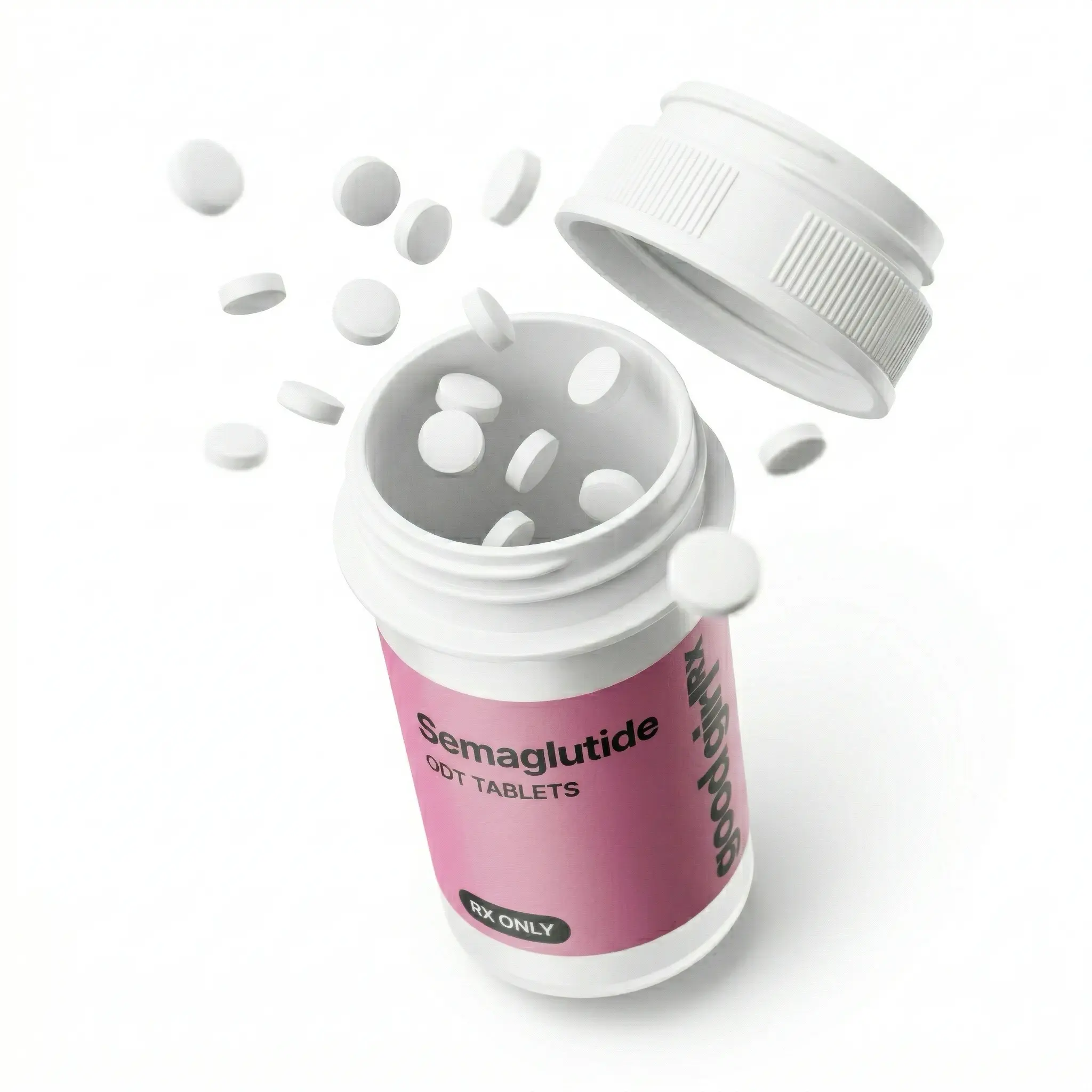
| Oral options | GLP-1 pathway | Daily pill |
Not sure which fits your lifestyle? Both tirzepatide and semaglutide have strong evidence behind them, and some women prefer the convenience of oral options. Your provider can help you choose based on your health history and goals.
Is Tirzepatide Right for You?
Tirzepatide isn't for everyone, and a medical provider will review your history to determine whether it's a safe fit. Generally, it may be considered for adults with weight-related health concerns who haven't reached their goals through lifestyle changes alone.
- You've experienced stubborn midlife weight gain despite consistent effort
- You notice increased abdominal fat and signs of insulin resistance
- You're looking for a medically supervised approach rather than fad diets
- You're ready to combine medication with nutrition and movement for lasting results
- You want support that accounts for the realities of menopause and hormonal change
Common side effects can include nausea, digestive changes, and fatigue, especially early on — which is why gradual dosing matters. Always discuss your full medical history, including any thyroid conditions or family history, with your provider before starting.
At Good Girl Rx, we understand that weight loss after 40 isn't about willpower — it's about biology. Our licensed providers take the time to understand your menopausal journey and build a plan that fits your body and your life.
Midlife is not the end of feeling strong and confident in your body — for many women, it's a powerful new beginning. With the right tools and support, you can navigate these changes on your own terms.
Start Your Menopause Weight Loss Journey
Connect with a licensed provider to see if tirzepatide is right for you. Discreet, convenient, and designed for women over 40.
Try tirzepatide →Share this article

Ready to start your journey?
Complete your free online visit and see if GLP-1 treatment is right for you.
Get Started