

Tirzepatide for Women Over 40: How It Works

Written by Maya P.
Published September 4, 2026

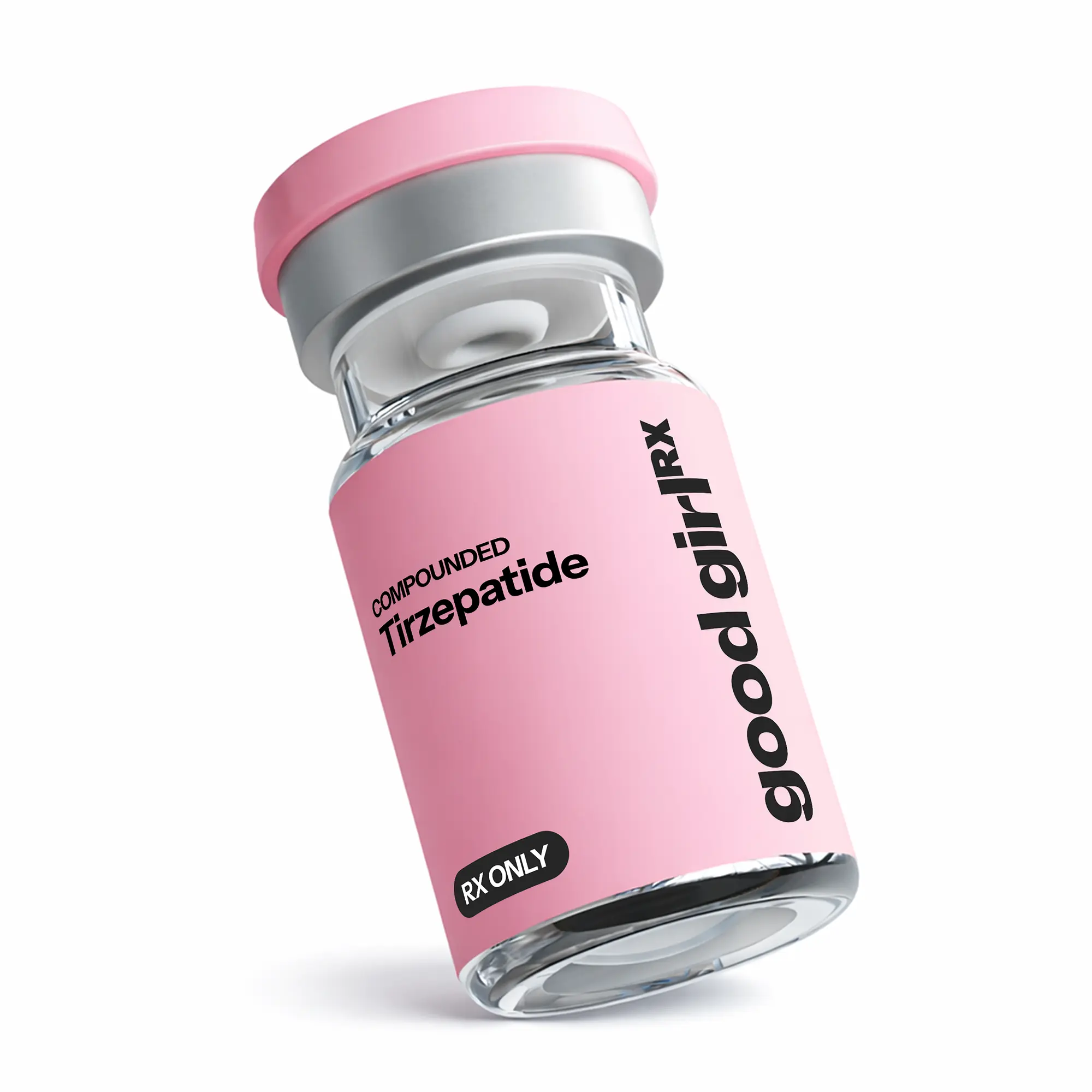
If you've noticed that the weight-loss strategies that once worked in your 20s and 30s suddenly feel useless, you're not imagining it. Tirzepatide for women over 40 has become one of the most talked-about tools for navigating the metabolic shifts that come with perimenopause, menopause, and midlife hormonal change. This medication doesn't just suppress appetite — it works with your evolving biology in ways that make it uniquely suited to women in this life stage.

By 40, your body is quietly rewriting the rules. Estrogen begins to fluctuate, muscle mass slowly declines, and insulin sensitivity often drops. These changes can make weight gain feel inevitable and stubborn. Understanding how tirzepatide addresses these specific challenges can help you decide whether it's the right fit for your goals.
What Makes Tirzepatide Different
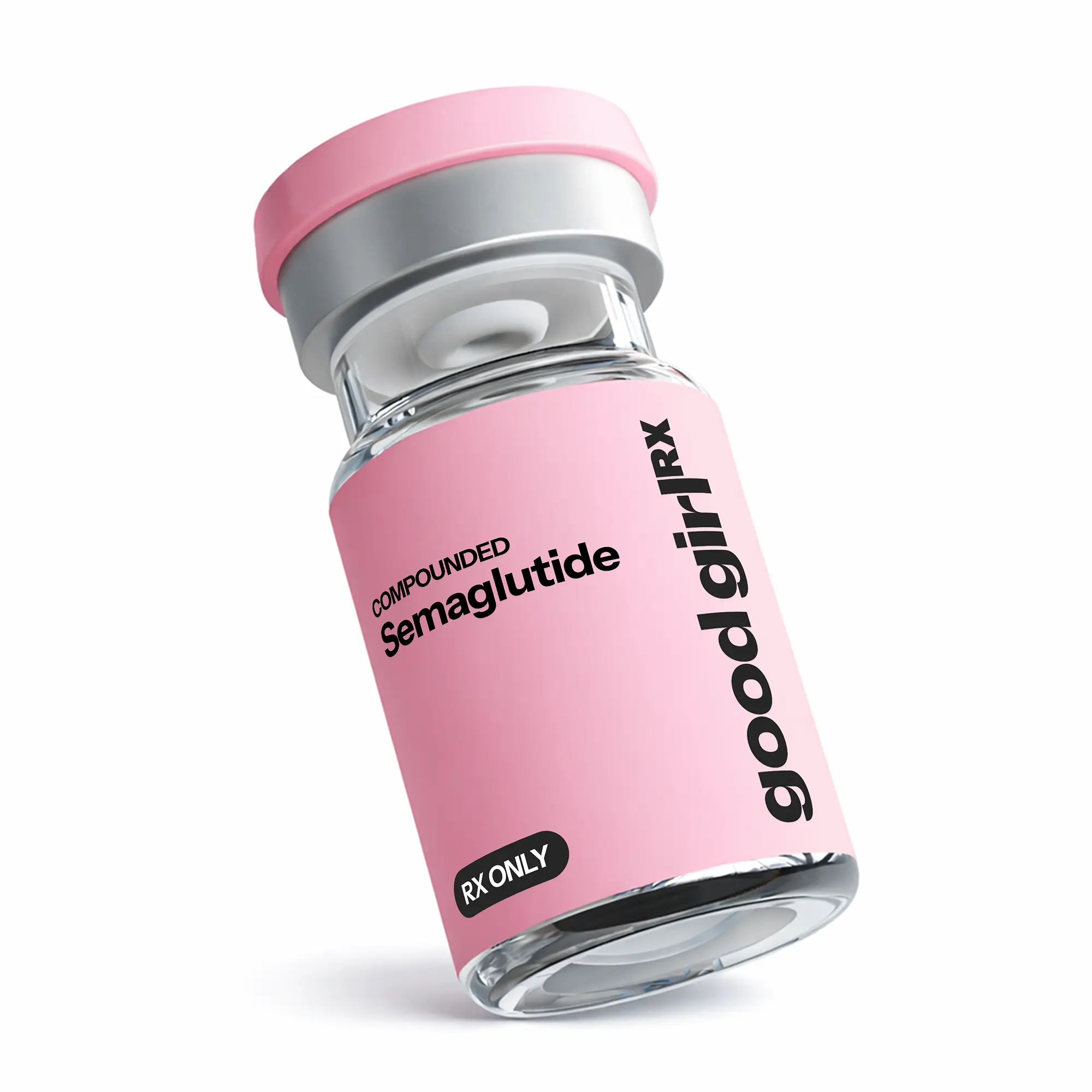
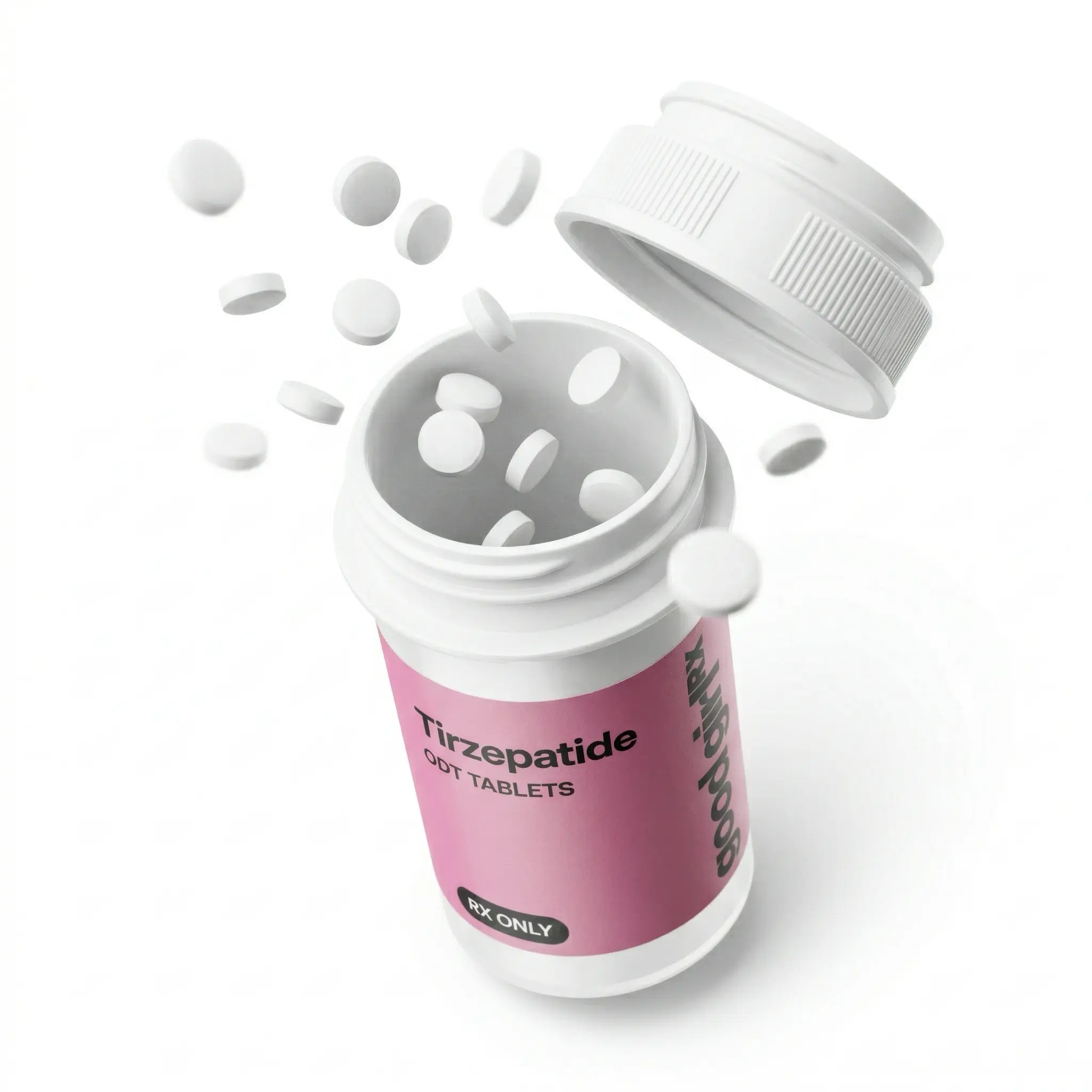
Tirzepatide is a dual-action medication, meaning it activates two hormone receptors instead of one. It mimics both GLP-1 (glucagon-like peptide-1) and GIP (glucose-dependent insulinotropic polypeptide). Most earlier weight-loss injectables, like semaglutide, target only GLP-1.
This dual mechanism matters more as you age. GLP-1 slows digestion and reduces appetite, while GIP appears to improve how your body processes fat and responds to insulin. For women over 40 whose insulin sensitivity is declining, that second pathway can offer meaningful support.
When you take tirzepatide, you may notice reduced cravings, longer-lasting fullness after meals, and fewer of the blood-sugar swings that trigger afternoon snacking. These effects can be particularly welcome during perimenopause, when appetite and energy often feel unpredictable.
Why Weight Loss Gets Harder After 40
Understanding why midlife weight loss feels different helps explain why tirzepatide can be so useful. Several biological shifts stack up around this age, and most of them work against the traditional "eat less, move more" advice.
- Declining estrogen shifts fat storage toward the abdomen and can increase insulin resistance.
- Loss of lean muscle (called sarcopenia) slows your resting metabolism, so you burn fewer calories at rest.
- Poorer sleep, common in perimenopause, raises cortisol and hunger hormones.
- Increased insulin resistance makes it easier to store fat and harder to access it for energy.
- Slower gastric emptying changes, which affect how full you feel after eating.
Tirzepatide addresses several of these factors at once. By improving insulin response and reducing appetite signaling, it helps counteract the exact mechanisms that make midlife weight gain so frustrating.
“The metabolic changes women experience after 40 aren't a failure of willpower — they're biology. The right treatment works with those changes, not against them.”
Tirzepatide vs. Semaglutide for Women Over 40
Both medications are effective, but they aren't identical. For women navigating midlife hormonal changes, the differences can influence which option feels right. Here's a side-by-side look.
| Feature | Tirzepatide | Semaglutide |
|---|---|---|
| Hormone targets | GLP-1 + GIP (dual) | GLP-1 (single) |
| Frequency | Weekly injection | Weekly injection |
| Appetite reduction | Strong | Strong |
| Insulin sensitivity support | Dual-pathway support | Single-pathway support |
| Best for | Those wanting dual-action support | Those new to GLP-1 therapy |
Neither is universally "better" — the right choice depends on your health history, tolerance, and goals. Some women start with semaglutide and transition to tirzepatide later, while others begin with tirzepatide from the start. Your provider will help determine the best path for you.
Ready to see if tirzepatide fits your body?
Start your online visit and connect with a licensed provider who understands midlife metabolism.
Try tirzepatide →Protecting Muscle While Losing Fat
One of the most important considerations for women over 40 is protecting lean muscle mass. Rapid weight loss of any kind can cause you to lose muscle along with fat — and since muscle drives metabolism, that can work against your long-term goals.
This is why tirzepatide works best as part of a complete approach. Adequate protein intake and resistance training help ensure that the weight you lose is primarily fat, not the muscle you need to stay strong and metabolically healthy.
Some women also explore supportive therapies during their weight-loss journey, such as B12 injections for energy or sermorelin peptide therapy. Talk with your provider about whether any of these complement your plan.
What to Expect When You Start
Tirzepatide is typically started at a low dose and increased gradually over several weeks. This slow titration helps minimize side effects like nausea, which tend to fade as your body adjusts. Most women take a weekly injection at the same time each week.
Common early side effects can include mild nausea, fatigue, or digestive changes. These are usually temporary. Staying hydrated, eating smaller meals, and avoiding very rich or greasy foods can make the adjustment period smoother.
- Complete an online consultation with a licensed provider to review your health history.
- Begin at a starter dose to allow your body to adjust gradually.
- Track how you feel — appetite, energy, and digestion — during the first few weeks.
- Add supportive habits like protein-forward meals and strength training.
- Follow up with your provider to adjust your dose as needed.
Because midlife hormonal shifts vary so much from woman to woman, personalization matters. A treatment plan built around your labs, symptoms, and goals will always outperform a one-size-fits-all approach. That's why a provider consultation is a required first step.
Is Tirzepatide Right for You?
If you're a woman over 40 who has watched the scale creep up despite doing "all the right things," tirzepatide for women over 40 may offer the metabolic support that lifestyle changes alone haven't provided. Its dual-action mechanism is uniquely suited to the insulin and appetite challenges of midlife.
That said, medication is a tool — not magic. The women who see the most sustainable results pair tirzepatide with nourishing food, movement, quality sleep, and stress management. Together, these create the conditions for lasting change.
Take the next step toward feeling like yourself again
Connect with a licensed provider to find out if tirzepatide is right for your midlife goals.
Try tirzepatide →Share this article

Ready to start your journey?
Complete your free online visit and see if GLP-1 treatment is right for you.
Get Started