
Tirzepatide & Insulin Resistance in Women Over 40

Written by James T.
Published October 29, 2026

If you're a woman over 40 who feels like your body suddenly stopped cooperating, you're not imagining it. Insulin resistance often creeps in during perimenopause and menopause, making weight harder to lose and energy harder to find. That's where the research on tirzepatide insulin resistance women over 40 gets genuinely exciting. This dual-action medication is rewriting what we thought we knew about metabolic health in midlife, and the science is worth understanding.

Let's break down exactly what insulin resistance is, why it hits women over 40 especially hard, and what the clinical evidence shows about tirzepatide's role. Consider this your smart-girlfriend guide to the metabolic science — minus the confusing jargon.
What Is Insulin Resistance (and Why Women Over 40 Are at Higher Risk)
Insulin is the hormone that helps your cells absorb glucose from your bloodstream for energy. When cells stop responding efficiently to insulin, your pancreas pumps out more and more of it to compensate. This state is called insulin resistance, and it's a precursor to prediabetes, type 2 diabetes, weight gain, and stubborn belly fat.
For women over 40, declining estrogen plays a major role. Estrogen helps regulate how your body uses insulin and stores fat. As levels drop during perimenopause and menopause, insulin sensitivity often decreases — meaning your body becomes less efficient at managing blood sugar, even if your diet hasn't changed.
Common signs of insulin resistance include unexplained weight gain (especially around the midsection), fatigue after meals, intense sugar cravings, skin tags, and difficulty losing weight despite your best efforts. If several of these sound familiar, it's worth discussing with your provider.
How Tirzepatide Works: The Dual-Hormone Advantage
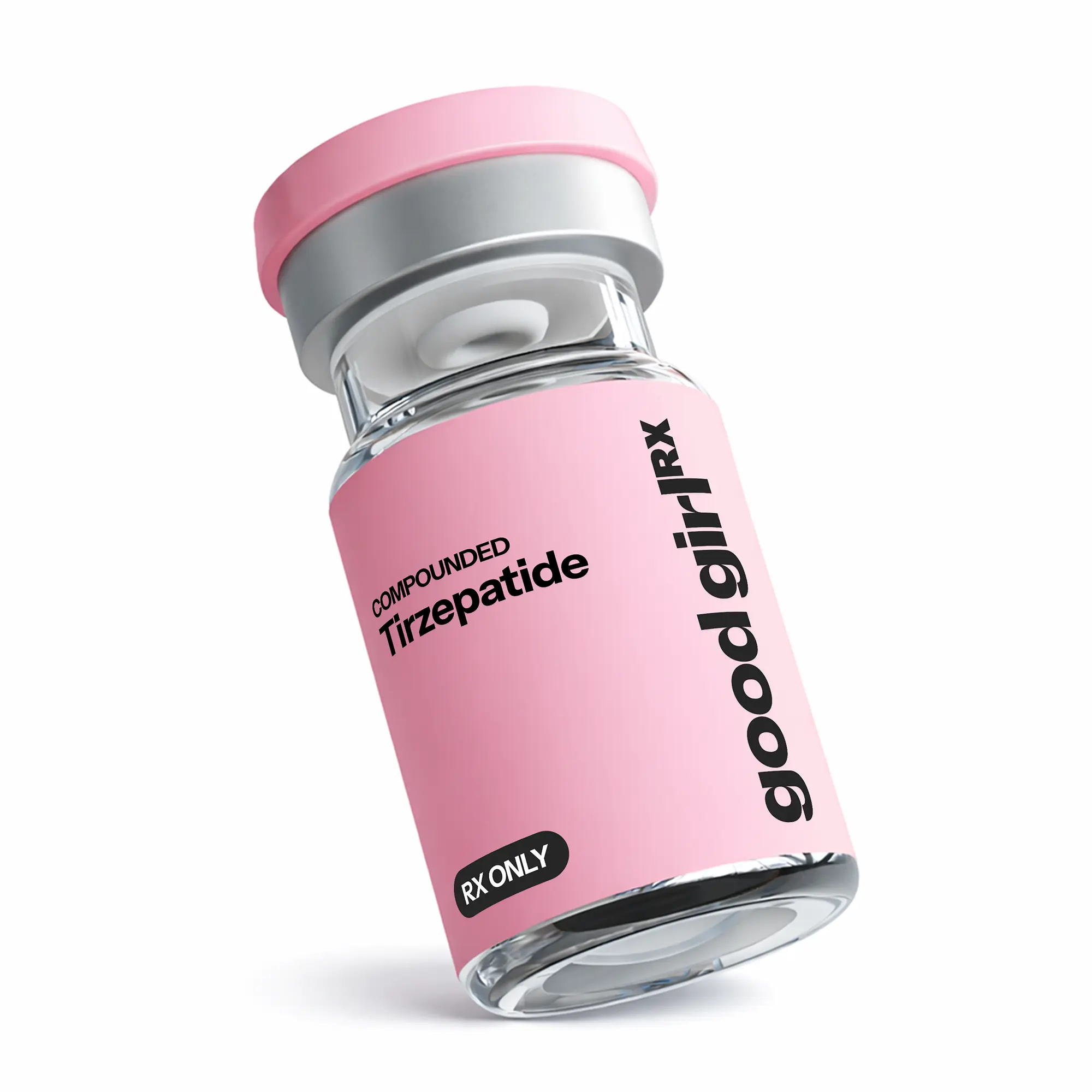
Here's where the science gets fascinating. Tirzepatide is a dual GIP and GLP-1 receptor agonist — meaning it mimics two naturally occurring gut hormones instead of just one. This is what sets it apart from earlier medications that only target GLP-1.
- GLP-1 (glucagon-like peptide-1): Slows digestion, reduces appetite, and prompts the pancreas to release insulin when blood sugar rises.
- GIP (glucose-dependent insulinotropic polypeptide): Enhances insulin secretion and appears to improve how fat cells respond to insulin — a direct hit on insulin resistance.
- Combined effect: Better blood sugar control, reduced appetite, and improved insulin sensitivity working together.
The GIP component is particularly intriguing for women battling insulin resistance. Clinical studies suggest it may improve insulin sensitivity more effectively than GLP-1 alone, helping your cells respond to insulin the way they're supposed to.
“The dual-agonist approach represents a meaningful step forward in metabolic medicine, offering benefits beyond weight that address the root of insulin dysfunction.”
What the Clinical Research Shows
The evidence base for tirzepatide is substantial. The landmark SURPASS trials (for type 2 diabetes) and SURMOUNT trials (for weight management) demonstrated significant improvements in both blood sugar control and body weight across thousands of participants.
In the SURPASS studies, tirzepatide significantly reduced HbA1c (a three-month average of blood sugar) and lowered fasting insulin levels — a key marker of improved insulin resistance. Many participants also saw meaningful reductions in waist circumference, the exact area where midlife women tend to accumulate stubborn fat.
| Feature | Tirzepatide | GLP-1-Only (e.g., Semaglutide) |
|---|---|---|
| Hormone targets | GIP + GLP-1 (dual) | GLP-1 (single) |
| Appetite reduction | Strong | Strong |
| Insulin sensitivity impact | Dual-pathway support | GLP-1 pathway |
| Blood sugar control | Significant HbA1c reduction | Significant HbA1c reduction |
Ready to Explore Tirzepatide?
Take our quick online assessment and connect with a licensed provider to see if tirzepatide is right for your metabolic goals.
Try tirzepatide pills →Why Tirzepatide May Be Especially Relevant for Women Over 40
The hormonal perfect storm of midlife — falling estrogen, shifting fat distribution, and rising insulin resistance — creates a unique metabolic challenge. Tirzepatide addresses several of these factors simultaneously, which is part of why it's drawing attention for women in this stage of life.
Addressing Visceral Fat
Visceral fat — the deep abdominal fat common after 40 — is metabolically active and worsens insulin resistance. By supporting weight reduction and improved insulin sensitivity, tirzepatide may help break the cycle where belly fat and insulin resistance feed into each other.
Supporting Energy and Cravings
Many women report that blood sugar swings drive relentless cravings and midday energy crashes. By stabilizing blood sugar, oral tirzepatide may help smooth out those peaks and valleys, making healthy choices feel more sustainable rather than like a constant battle.
It's also worth noting that lifestyle foundations still matter. Tirzepatide is a powerful tool, but it works best alongside balanced nutrition, movement, quality sleep, and stress management — all of which independently influence insulin sensitivity.
Safety, Side Effects, and What to Expect
Like any medication, tirzepatide has potential side effects. The most common are gastrointestinal — nausea, mild stomach upset, or changes in digestion — especially when starting or increasing the dose. These typically ease as your body adjusts, and a gradual dose titration helps minimize them.
- Common: Nausea, reduced appetite, occasional digestive changes
- Less common: Fatigue or lightheadedness, often tied to eating less
- Important: Always discuss your full medical history with your provider, including thyroid conditions and pancreatitis risk
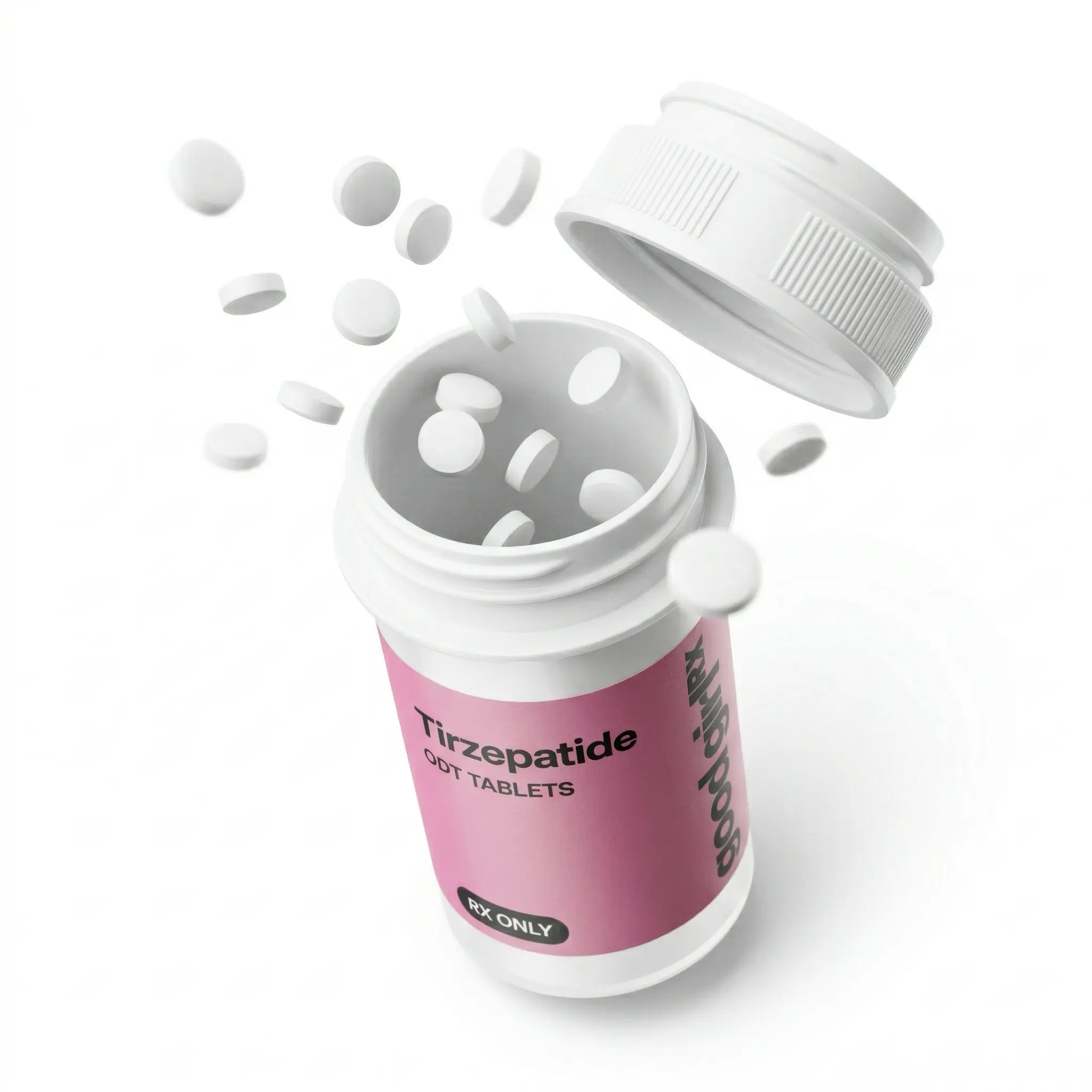
Oral tirzepatide offers a needle-free option for women who prefer to avoid injections, though formulation and dosing differ. Your provider can help determine which approach aligns with your goals and comfort level.
The beauty of telehealth is that you can have these conversations from home. A licensed provider reviews your history, discusses your goals, and creates a plan tailored to your body — no guesswork, no one-size-fits-all.
The Bottom Line on Tirzepatide and Insulin Resistance
The science behind tirzepatide insulin resistance women over 40 is genuinely promising. By targeting two gut hormones at once, tirzepatide addresses the blood sugar regulation and insulin sensitivity challenges that intensify during midlife's hormonal transitions.
It's not magic, and it's not a replacement for healthy habits — but for many women, it can be the metabolic support that finally makes progress feel possible. If you've been fighting your body's chemistry, understanding your options is the empowering first step.
Take Control of Your Metabolic Health
Connect with a licensed provider through Good Girl Rx to find out if tirzepatide fits your journey. Your consultation is just a few clicks away.
Try tirzepatide pills →Share this article

Ready to start your journey?
Complete your free online visit and see if GLP-1 treatment is right for you.
Get Started