

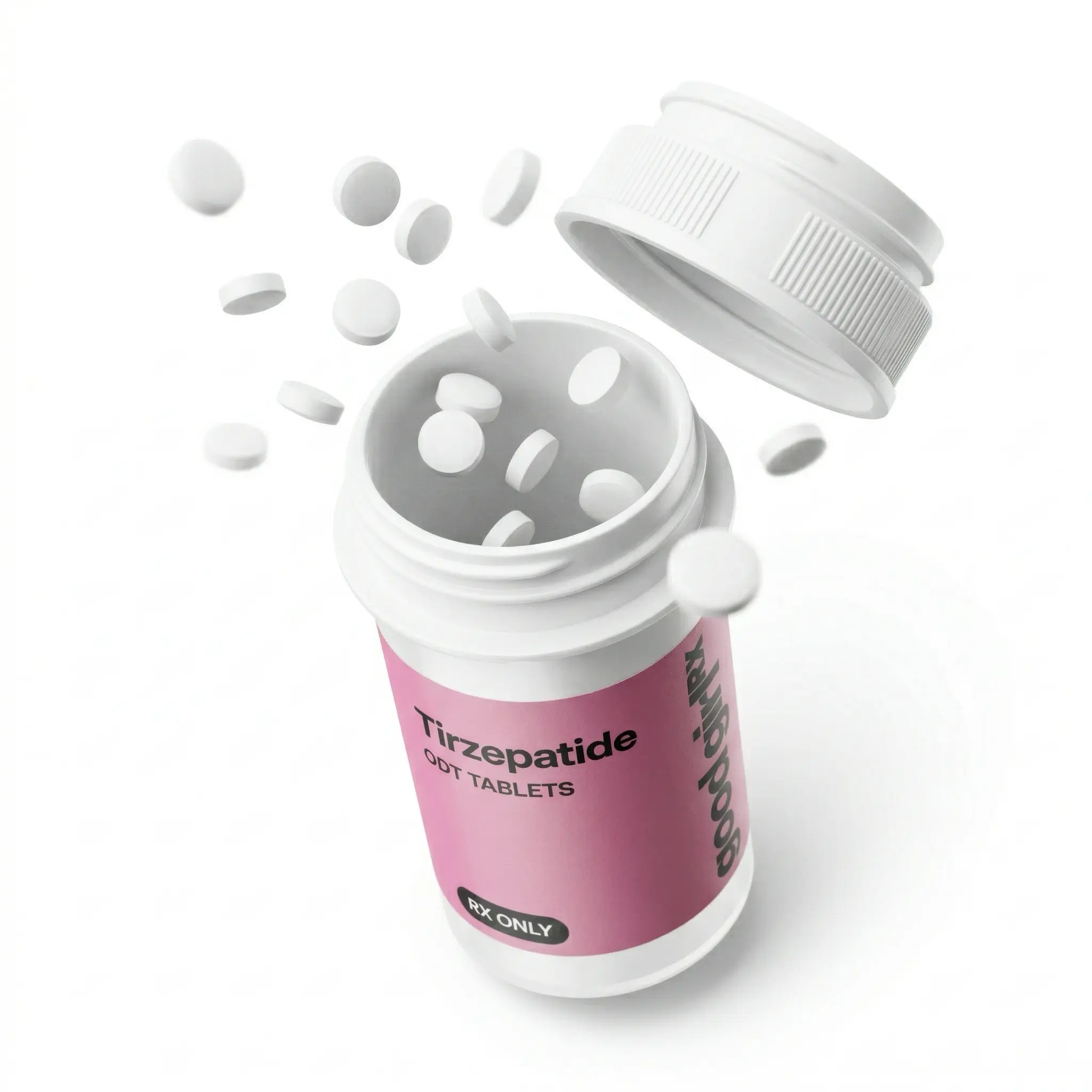
Tirzepatide & Muscle Loss in Women Over 40

Written by Maya P.
Published October 1, 2026

If you're a woman over 40 exploring weight loss medications, you've probably heard whispers about tirzepatide muscle loss. It's a legitimate concern — and one that deserves an honest, science-backed answer. The truth is that any rapid weight loss, whether from dieting, surgery, or medication, comes with some loss of lean muscle mass. But understanding how tirzepatide works — and how to counteract muscle loss — can help you lose fat while staying strong.
This matters especially after 40, when women naturally begin losing muscle due to hormonal shifts and the onset of sarcopenia. Let's unpack what researchers have actually found, and how you can make smart choices to protect your body.

Why Muscle Loss Matters More After 40
Starting around age 30, adults lose roughly 3–8% of muscle mass per decade, and that rate accelerates after 40 — particularly for women entering perimenopause and menopause. Declining estrogen plays a direct role: the hormone helps maintain muscle protein synthesis and bone density.
Muscle isn't just about aesthetics. It's your body's primary site for burning glucose, regulating metabolism, and maintaining strength, balance, and independence as you age. Preserving muscle is one of the best investments you can make in long-term health.
What the Science Says About Tirzepatide and Muscle
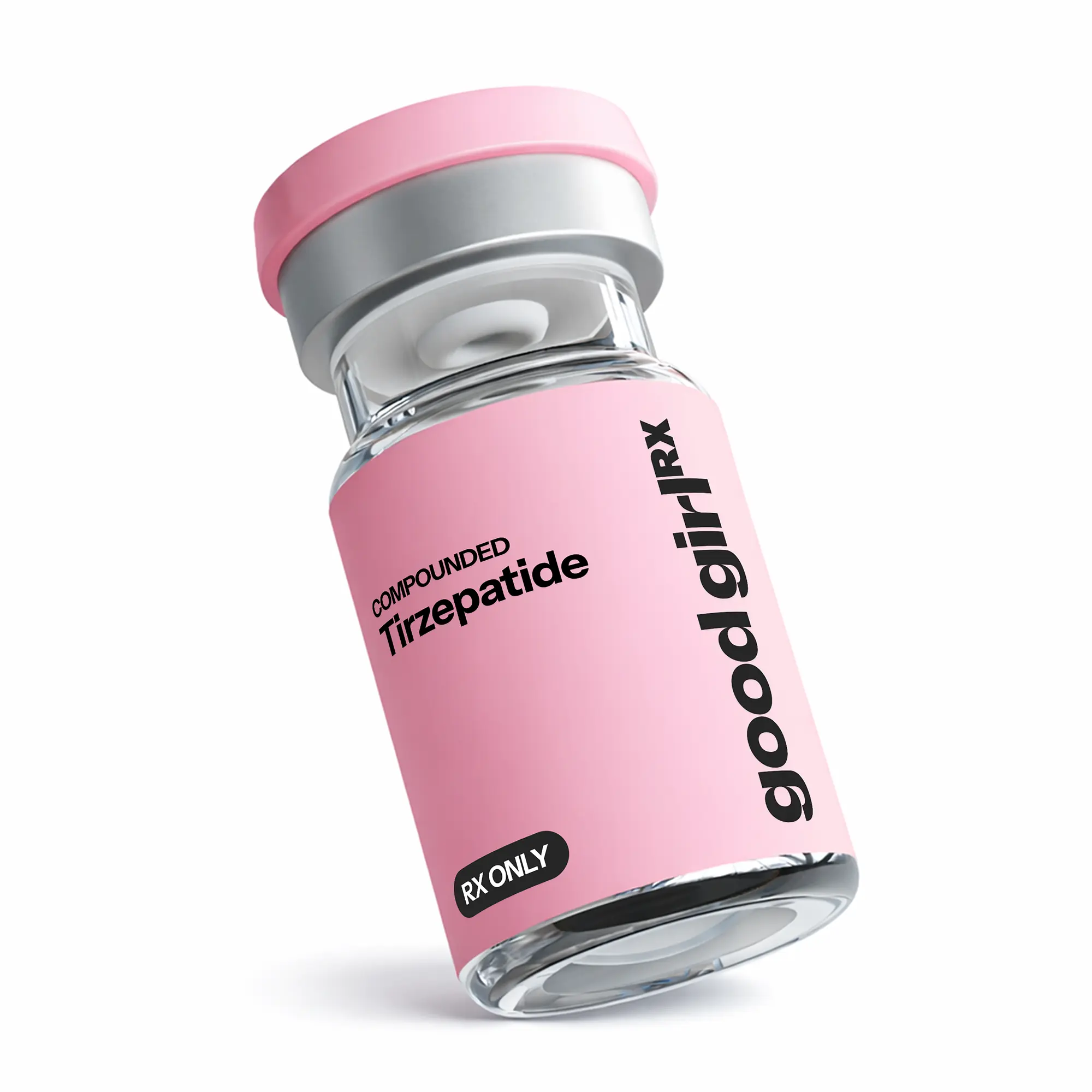
Tirzepatide is a dual GIP and GLP-1 receptor agonist that produces significant total body weight loss. In the landmark SURMOUNT-1 trial, participants lost substantial weight over 72 weeks. But here's the nuance: when researchers analyzed body composition, the weight loss included both fat mass and lean mass.
A sub-study of SURMOUNT-1 using DEXA scans found that while a portion of total weight lost was lean mass, the proportion of fat loss to lean loss was actually favorable — meaning participants lost proportionally more fat than muscle. In fact, the ratio of lean-to-fat loss was similar to or better than what's typically seen with diet-and-exercise-only weight loss.
This is a crucial point about tirzepatide muscle loss in women over 40: the medication itself doesn't specifically target muscle. The lean mass reduction is largely a byproduct of rapid overall weight loss — and much of it reflects the loss of supporting tissue that the body no longer needs for a smaller frame.
| Factor | What Happens | How to Protect Muscle |
|---|---|---|
| Rapid weight loss | Both fat and lean mass decrease | Slow the pace, prioritize protein |
| Low protein intake | Accelerates muscle breakdown | Aim for 1.2–1.6g protein per kg body weight |
| Sedentary lifestyle | Muscle atrophies faster | Resistance train 2–3x weekly |
| Age over 40 + hormonal shifts | Baseline muscle loss accelerates | Combine protein, strength training, sleep |
“The goal isn't just to weigh less — it's to lose fat while preserving the muscle that keeps you strong, metabolically healthy, and independent.”
Curious if tirzepatide is right for you?
Connect with a licensed provider to discuss a personalized plan that prioritizes fat loss while protecting your muscle.
Try tirzepatide →How to Protect Muscle While Taking Tirzepatide
The encouraging news is that muscle loss during weight loss is largely preventable with the right strategy. Women who combine tirzepatide with adequate protein and resistance training can tilt the ratio heavily toward fat loss while maintaining — or even building — strength.
1. Prioritize Protein at Every Meal
Because GLP-1 medications reduce appetite, many women unintentionally eat too little protein. Aim for 1.2 to 1.6 grams of protein per kilogram of body weight daily, spread across meals. Protein stimulates muscle protein synthesis and helps you feel full.
2. Lift Weights — Consistently
Resistance training is non-negotiable for preserving muscle after 40. You don't need a fancy gym — bodyweight exercises, resistance bands, or dumbbells 2–3 times per week signal your body to hold onto lean tissue even in a calorie deficit.
- Eat enough protein — prioritize it first at every meal, especially breakfast
- Strength train 2–3 times weekly, focusing on major muscle groups
- Stay hydrated — dehydration can impair muscle function and recovery
- Prioritize sleep — muscle repair and hormone balance depend on 7–9 hours
- Don't crash diet — a moderate, sustainable pace protects lean mass
- Consider amino acid support like leucine-rich foods or supplements
3. Go at a Sustainable Pace
The faster you lose weight, the greater the risk of losing muscle alongside fat. Working with your provider to titrate tirzepatide gradually helps keep your fat-to-muscle loss ratio in the healthiest range. Slow and steady really does win here.
Supporting Your Body Beyond Weight Loss
Many women over 40 find that a holistic approach yields the best results. Beyond protein and strength training, some explore adjunct therapies to support energy, metabolism, and recovery during their weight loss journey.
For example, B12 injections can support energy levels that make consistent workouts easier, while NAD+ therapy is explored by some for cellular energy and recovery. Peptide options like sermorelin are discussed with providers for their potential role in supporting lean body composition. Always review these options with your provider to see what fits your goals.
The bottom line on tirzepatide muscle loss in women over 40: the medication is a powerful tool for fat loss, and muscle loss is manageable — even avoidable — with intentional nutrition, movement, and a steady approach. You can emerge from your weight loss journey not just lighter, but stronger.
Ready to lose fat, not muscle?
Start your online visit with Good Girl Rx and build a weight loss plan designed to keep you strong at every age.
Try tirzepatide →Share this article

Ready to start your journey?
Complete your free online visit and see if GLP-1 treatment is right for you.
Get Started