

Tirzepatide Pills vs Injections for Women

Written by Nicole S.
Published August 27, 2026

If you've been researching weight management options, you've probably run into the big question: tirzepatide pills vs injections for women. Both deliver the same powerful active ingredient that's changing the conversation around metabolic health, but they work a little differently in your daily routine. Understanding how each format fits your body, your schedule, and your comfort level can make all the difference in staying consistent.
Tirzepatide is a dual GIP and GLP-1 receptor agonist, which is a fancy way of saying it targets two hormones involved in appetite and blood sugar regulation. Whether you take it as a pill or an injection, the goal is the same: help your body feel fuller, longer while supporting healthier metabolic function. Let's break down what to actually expect from each.

How Tirzepatide Works in Your Body
Tirzepatide mimics two naturally occurring gut hormones, GLP-1 and GIP, that are released after you eat. These hormones signal your brain that you're satisfied, slow down how quickly your stomach empties, and help regulate insulin. The result for many women is a noticeably quieter relationship with food cravings.
This dual-hormone action is what sets tirzepatide apart from single-pathway medications. Whether you choose tirzepatide pills or tirzepatide injections, the underlying mechanism is the same. What changes is how the medication is delivered and absorbed.
Tirzepatide Pills: What to Expect
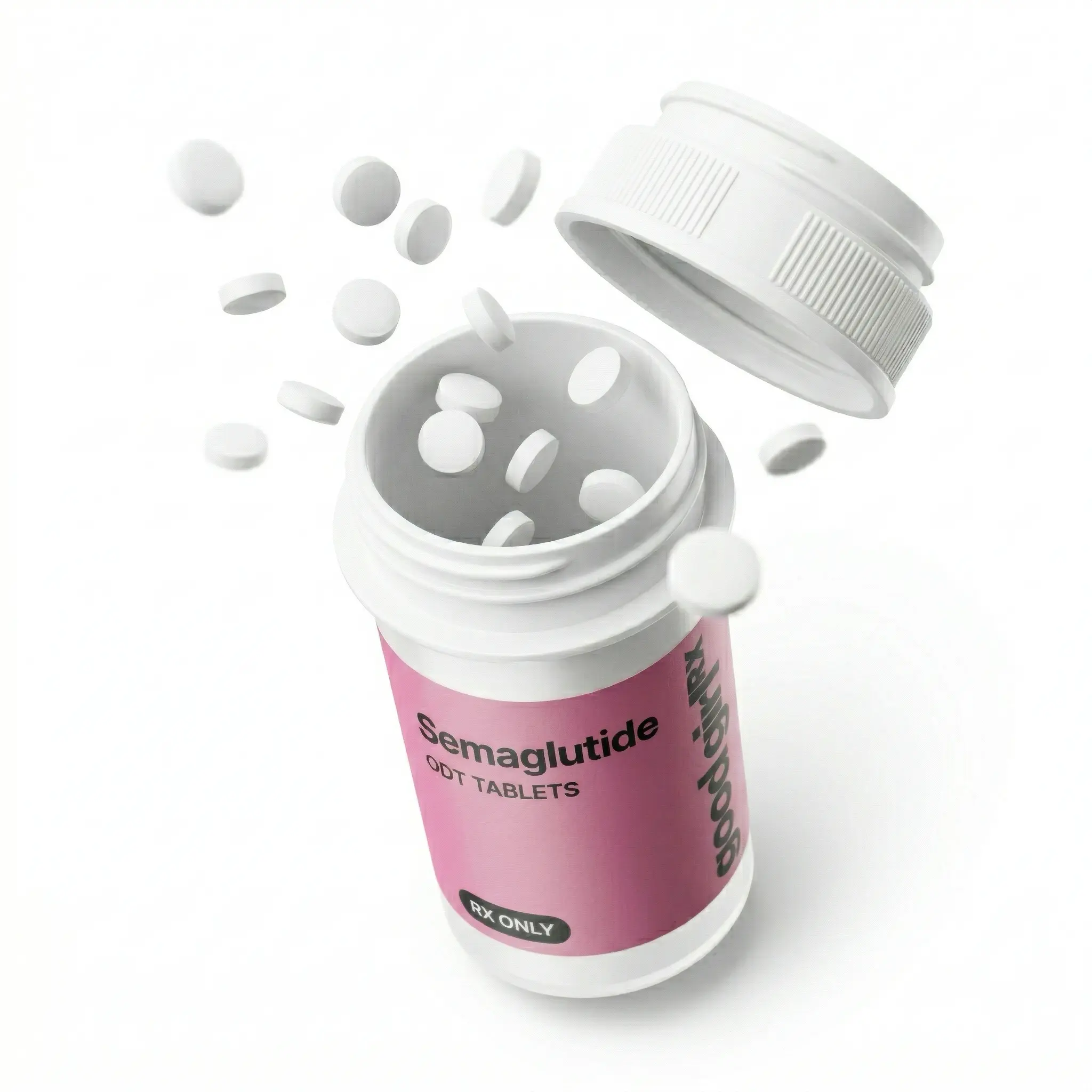
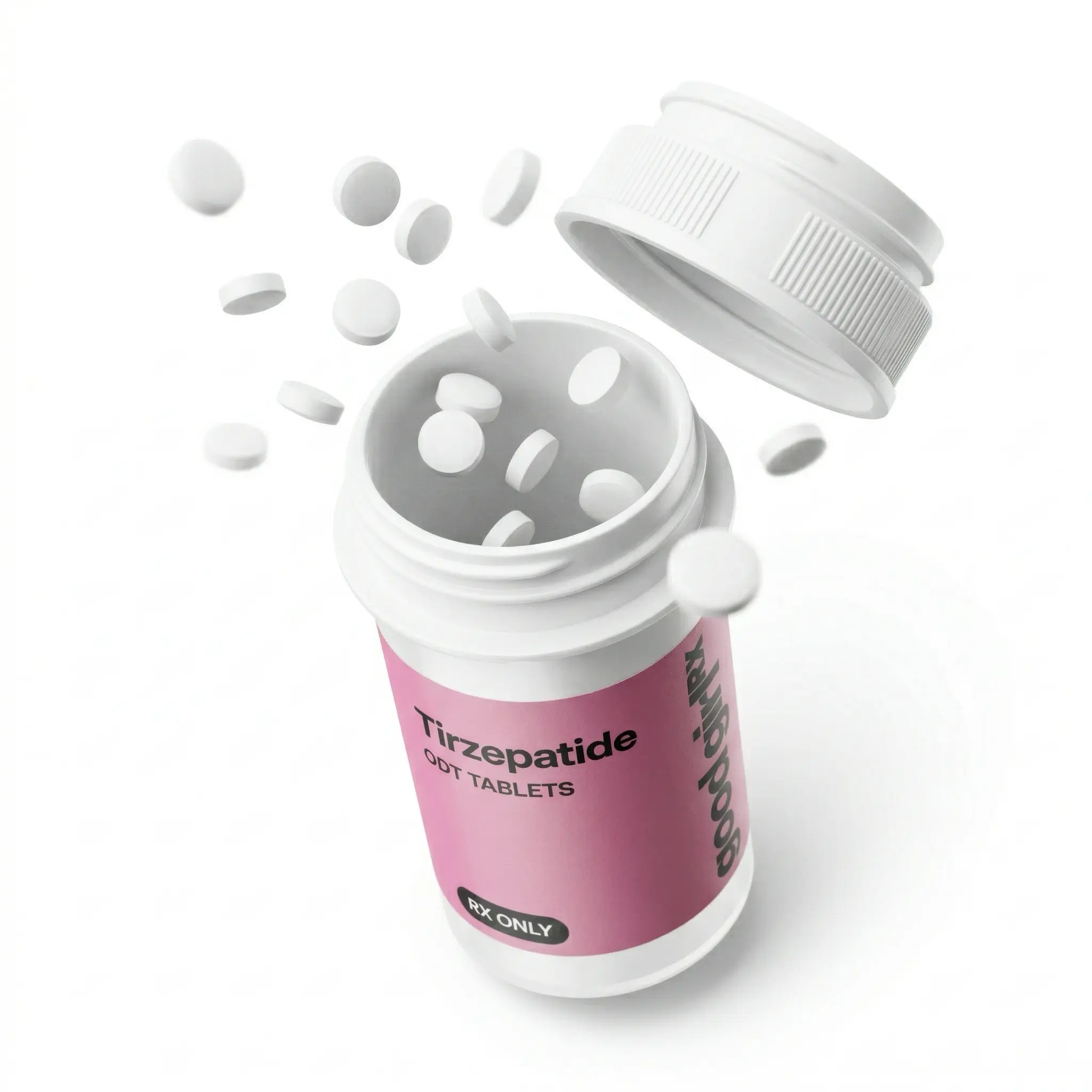
For many women, the appeal of tirzepatide pills is obvious: no needles. If you have a fear of injections or simply prefer the simplicity of swallowing a tablet, the oral format can feel far more approachable and easier to stick with long term.
Oral tirzepatide is typically taken on a consistent daily schedule, often on an empty stomach with a small amount of water. Consistency matters here, since absorption can be affected by food and timing. The upside is that it slots neatly into a morning routine right alongside your other supplements or vitamins.
Who Might Prefer Pills
- Women who are needle-averse or anxious about self-injecting
- Those who travel frequently and want a no-refrigeration, discreet option
- Beginners who want to ease into the treatment experience
- Anyone who prefers a simple daily habit over weekly scheduling
Ready to see if the oral route is right for you? You can start a confidential online visit for tirzepatide pills and let a licensed provider review your health history.
Prefer a No-Needle Option?
Explore oral tirzepatide with a quick, confidential online visit reviewed by a licensed provider.
Try tirzepatide pills →Tirzepatide Injections: What to Expect
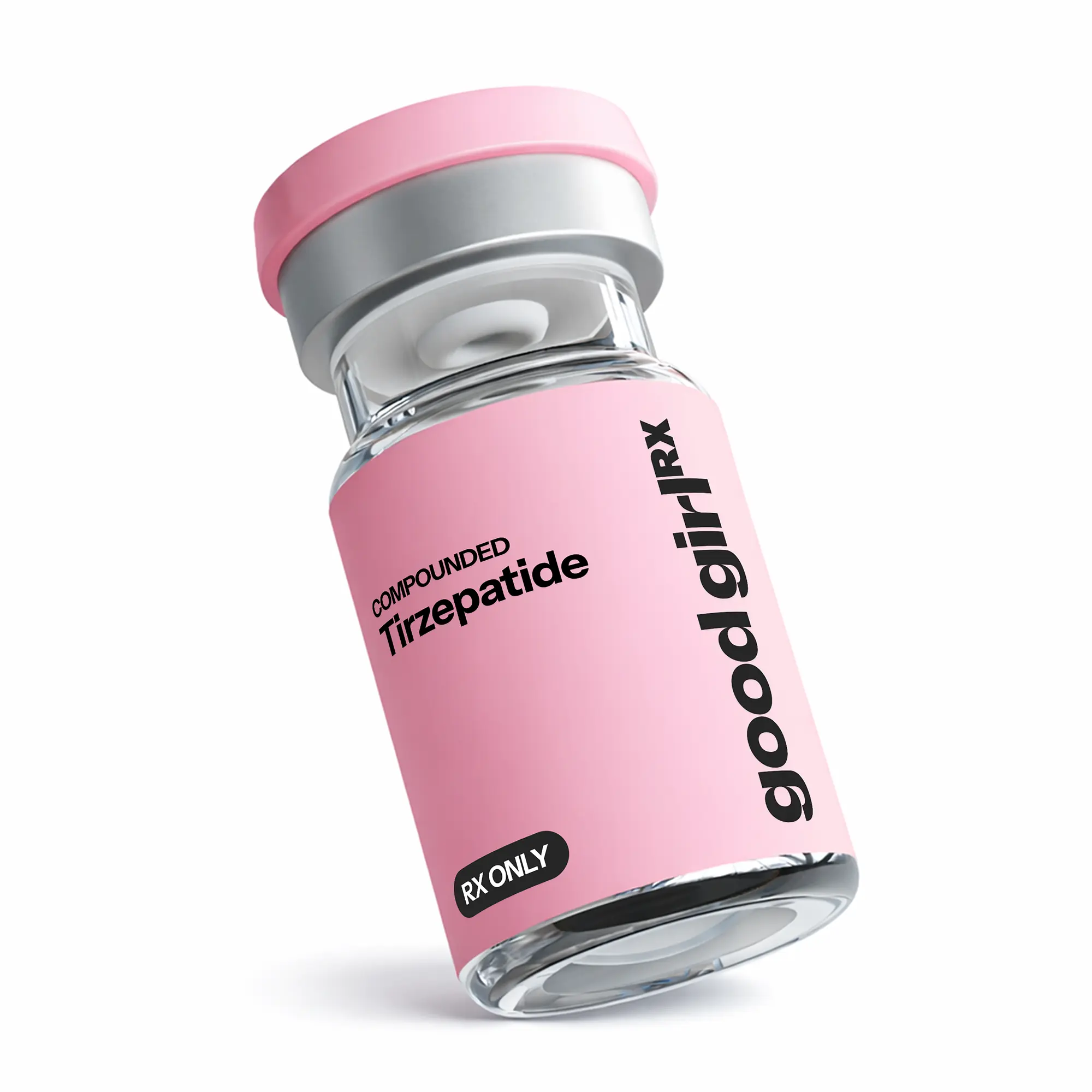
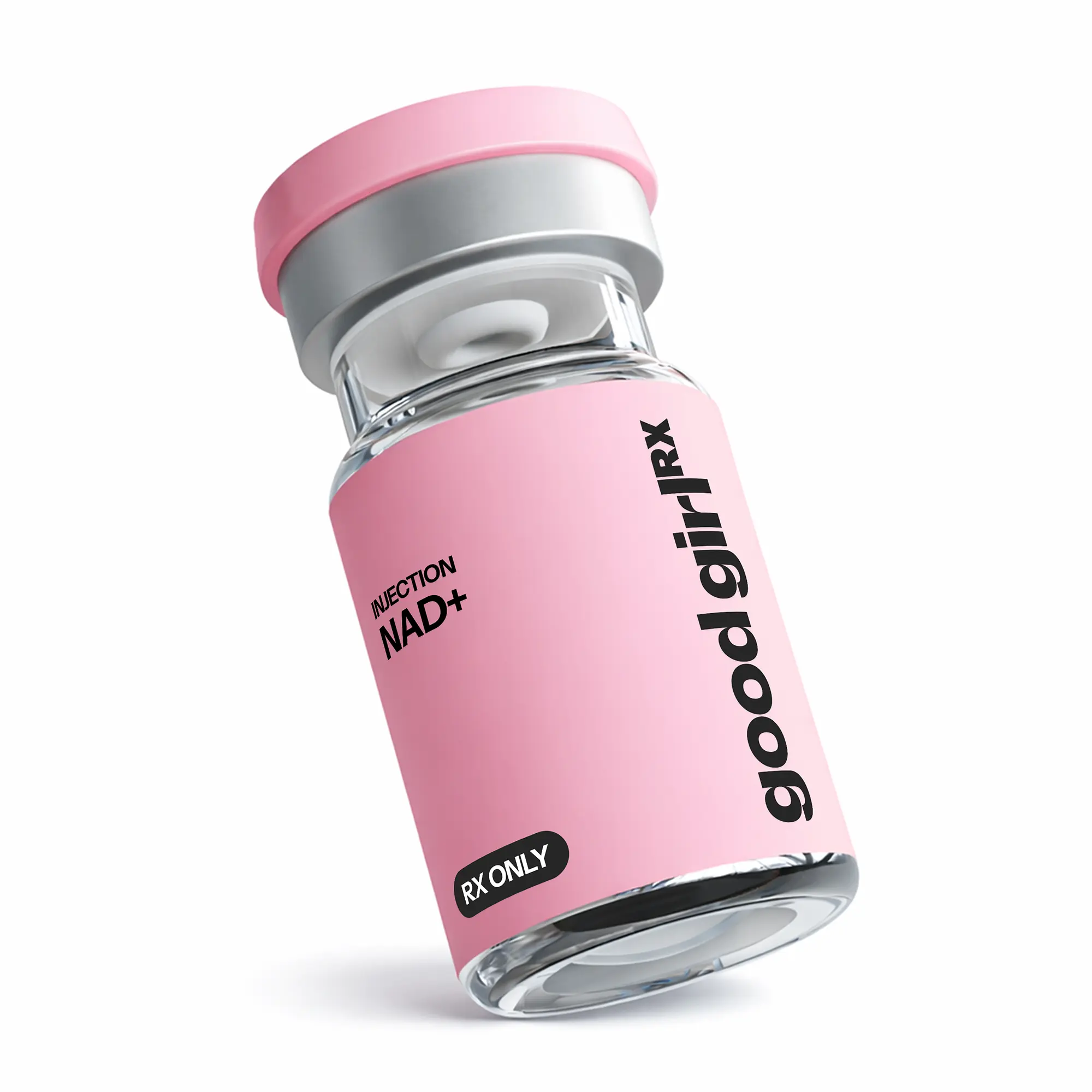
Tirzepatide injections are administered once weekly using a tiny, hair-thin needle, usually into the abdomen, thigh, or upper arm. Despite the intimidation factor, most women report the injection is nearly painless and takes just seconds once they get the hang of it.
The weekly cadence appeals to women who prefer a set-it-and-forget-it approach. Instead of remembering a daily pill, you dose one day a week and move on. Many patients also appreciate the steady, sustained delivery of the medication throughout the week.

“The best treatment is the one you'll actually stay consistent with. Whether that's a daily pill or a weekly injection depends entirely on your life.”
Pills vs Injections: Side-by-Side Comparison
When weighing tirzepatide pills vs injections for women, it helps to see the key differences laid out clearly. Both share the same active ingredient, so the decision usually comes down to routine, comfort, and preference.
| Feature | Tirzepatide Pills | Tirzepatide Injections |
|---|---|---|
| Frequency | Daily | Once weekly |
| Delivery | Oral tablet | Subcutaneous injection |
| Needle involved | No | Yes (very fine) |
| Storage | Room temperature friendly | May require refrigeration |
| Best for | Needle-averse, daily-routine lovers | Set-and-forget, weekly-routine lovers |
| Timing sensitivity | Empty stomach preferred | Any time of day |
What Results Can Women Expect?
Because both formats deliver tirzepatide, the potential benefits are similar: reduced appetite, fewer cravings, and support for gradual, sustainable changes in body composition. That said, individual results depend on dose, consistency, diet, activity, and your unique metabolism.
Most women don't see overnight changes. Tirzepatide is typically titrated slowly, meaning your dose increases over several weeks to help your body adjust and minimize side effects. Patience during this ramp-up period pays off.
Common Side Effects to Know
Whether you choose pills or injections, the most frequently reported side effects are gastrointestinal, including nausea, constipation, and occasional stomach discomfort. These tend to be mildest when doses are increased gradually and often ease as your body adapts.
- Nausea — usually temporary, often improves with smaller meals
- Constipation — stay hydrated and increase fiber
- Fatigue — common in early weeks as your body adjusts
- Reduced appetite — this is expected, but eat enough protein
How to Choose the Right Option for You
There's no universally "better" choice in the tirzepatide pills vs injections for women debate. The right option is the one you can commit to comfortably and consistently. Ask yourself a few honest questions before deciding.
- Do needles make me anxious, or am I comfortable with a quick weekly shot?
- Would I remember a daily pill more easily, or a once-weekly reminder?
- Do I travel often and need a low-maintenance, no-refrigeration option?
- What did my provider recommend based on my health history?
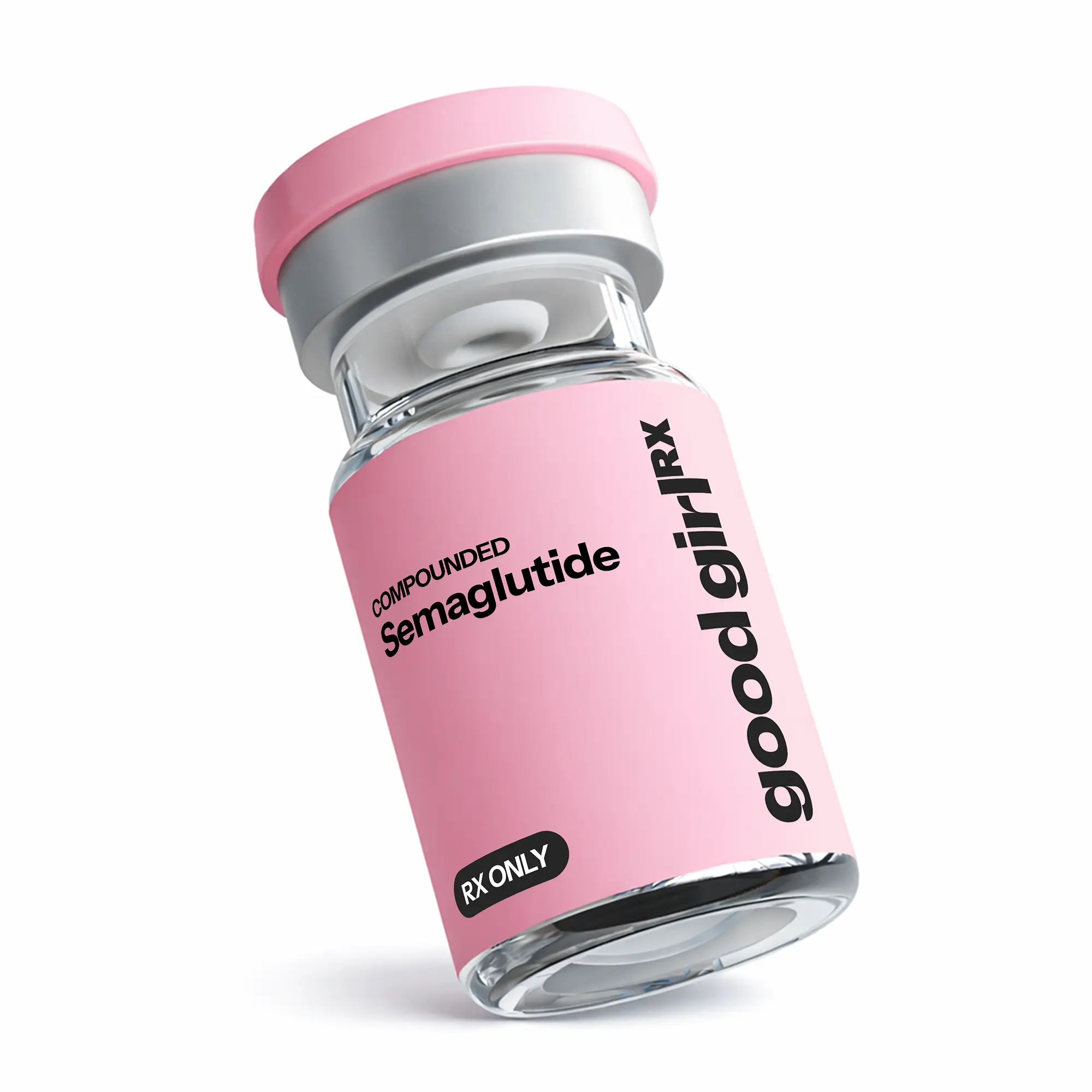
The beauty of telehealth is that you don't have to figure this out alone. A licensed provider can help you weigh the pros and cons and match a format to your lifestyle. You can also compare related options like semaglutide if you're curious about other GLP-1 pathways.
“Consistency beats intensity. The woman who takes her dose every week for a year will outpace the one who starts and stops.”
Whichever route you choose, remember that medication works best alongside supportive habits: balanced protein intake, movement you enjoy, quality sleep, and hydration. These lifestyle pieces amplify the effects of tirzepatide and help you feel your best throughout the journey.
Start Your Personalized Plan Today
Take a quick online visit and let a licensed provider recommend the tirzepatide format that fits your life.
Try tirzepatide pills →At the end of the day, both tirzepatide pills and injections can be powerful tools for women seeking metabolic support. The most important step is starting the conversation with a provider who understands your goals and can guide you toward the right fit.
Share this article

Ready to start your journey?
Complete your free online visit and see if GLP-1 treatment is right for you.
Get Started