

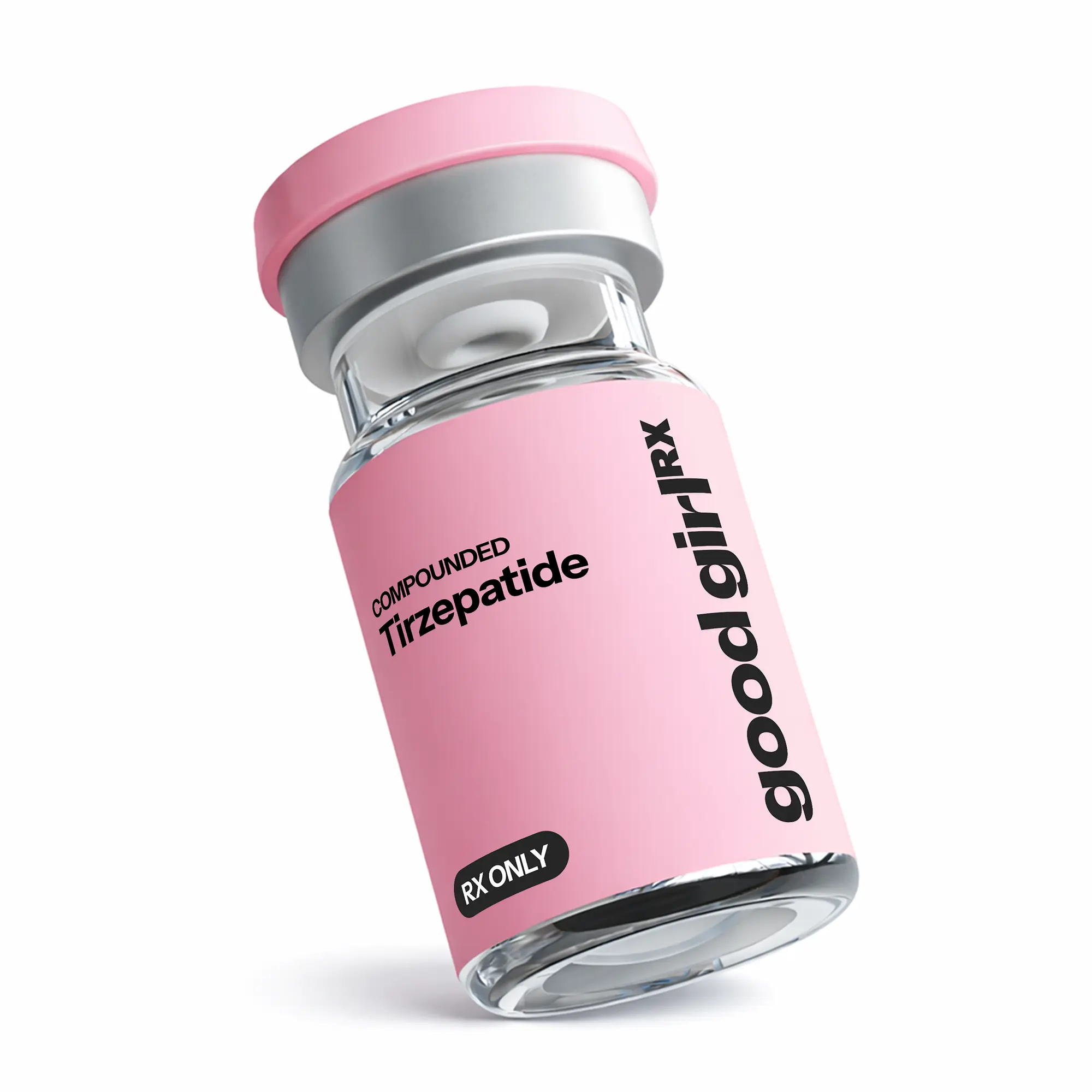
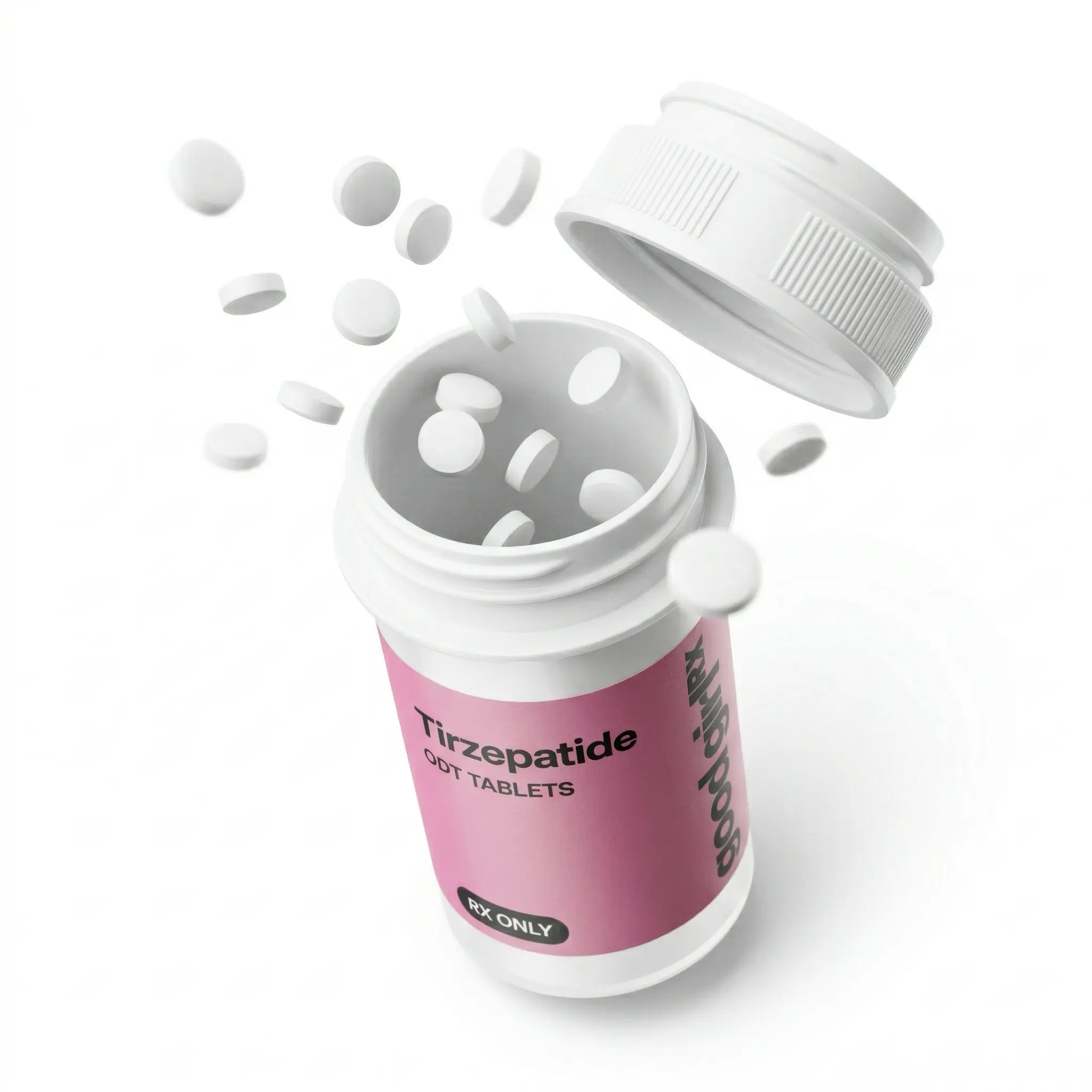

Tirzepatide Plateau in Women Over 40: Why & What to Do

Written by Aria C.
Published November 18, 2026

You started tirzepatide full of hope, watched the scale drop week after week, and then—suddenly—nothing. If you're a woman over 40 staring at a stuck number, you're experiencing what's known as a tirzepatide plateau, and you are far from alone. Plateaus are one of the most common and most frustrating phases of any weight loss journey, and they tend to hit women in midlife especially hard.
The good news? A plateau is not failure. It's your body doing exactly what bodies are designed to do. Understanding why your progress has stalled is the first step toward getting it moving again. Let's break down the science behind the tirzepatide plateau in women over 40 and the practical, evidence-based moves that help you push past it.
What Exactly Is a Tirzepatide Plateau?
A plateau is a period—usually two or more weeks—where your weight holds steady despite no change in your treatment or habits. With tirzepatide, a dual GIP and GLP-1 receptor agonist, early weeks often bring rapid results. That momentum eventually slows as your body adapts, and that's expected.
Clinical trials on tirzepatide show that weight loss tends to continue for many months, but the rate of loss naturally tapers over time. A plateau on the scale doesn't necessarily mean you've stopped making progress—sometimes you're still losing fat while gaining muscle or retaining water.
If you're exploring whether tirzepatide is right for you or already on it and feeling stuck, knowing what's normal helps you respond calmly instead of abandoning a plan that's still working.
Why Women Over 40 Plateau Faster
Midlife changes the metabolic playing field. For the tirzepatide plateau in women over 40, several biological shifts stack up at once, making stalls more likely and harder to break.
1. Declining Estrogen and Perimenopause
As estrogen fluctuates and falls during perimenopause and menopause, fat storage shifts toward the abdomen and the body becomes more insulin resistant. Lower estrogen is also linked to reduced energy expenditure, meaning you burn fewer calories doing the same activities you did at 30.
2. Natural Muscle Loss (Sarcopenia)
Starting in your 30s and accelerating after 40, you lose roughly 3 to 8% of muscle mass per decade. Because muscle is metabolically active tissue, less of it means a slower resting metabolic rate—and rapid weight loss on any medication can speed muscle loss if you're not protecting it with protein and resistance training.
3. Metabolic Adaptation
When you lose weight, your body becomes more efficient and burns fewer calories than expected for your new size—a phenomenon called adaptive thermogenesis. This is a survival mechanism, and it affects everyone, but it compounds with the hormonal and muscle changes already happening after 40.
“A plateau isn't your body giving up on you. It's your body adapting to keep you safe. Your job is to give it a new reason to change.”
Common Reasons Progress Stalls (Beyond Biology)
Sometimes a plateau has less to do with hormones and more to do with everyday factors that quietly creep in. Before overhauling your plan, run through this checklist.
- Dose timing: You may be due for a dose increase under your provider's guidance—appetite suppression can wane as your body adjusts to the current level.
- Protein intake: Falling short on protein accelerates muscle loss and slows metabolism. Aim for roughly 0.7 to 1 gram per pound of goal body weight.
- Portion creep: As appetite returns slightly, portions often grow without you noticing. Tracking for a week reveals the truth.
- Sleep and stress: Poor sleep and high cortisol raise hunger hormones and promote belly fat storage—both common in busy women over 40.
- Hidden liquid calories: Lattes, wine, and smoothies add up fast and often fly under the radar.
- Not enough movement: Especially resistance training, which preserves the muscle that keeps metabolism humming.
Ready to Optimize Your Tirzepatide Plan?
Connect with a licensed provider who can review your dose and tailor your treatment to your body's needs—because a plateau often just means it's time to adjust.
Try tirzepatide →How to Break Through a Tirzepatide Plateau
Breaking a plateau is rarely about doing one dramatic thing—it's about smart, sustainable adjustments. Here's where to start, ideally in partnership with your provider.
Prioritize Protein and Strength Training
Protecting muscle is the single most powerful move for women over 40. Pair adequate protein with resistance training 2 to 4 times per week. Building and preserving lean mass raises your resting metabolism and reshapes your body even when the scale moves slowly.
Revisit Your Dose With Your Provider
Tirzepatide is titrated gradually. If you've been on the same dose for a while and your appetite is returning, a careful, provider-guided increase may restore the appetite suppression that helps you stay in a deficit. Never adjust your dose on your own—talk to your provider about whether a change in your tirzepatide plan makes sense.
| Strategy | Why It Works | How to Start |
|---|---|---|
| Increase protein | Preserves muscle, boosts satiety | 0.7–1g per lb of goal weight |
| Resistance training | Protects metabolic rate | 2–4 sessions per week |
| Improve sleep | Lowers cortisol & hunger hormones | 7–9 hours nightly |
| Review dose | Restores appetite control | Discuss with your provider |
| Track intake | Catches portion creep | Log food for 1–2 weeks |
| Hydrate well | Reduces false plateaus | Half your body weight in oz |
Manage Stress and Sleep
Chronically elevated cortisol undermines everything else you're doing. Prioritizing 7 to 9 hours of quality sleep and building in genuine stress relief—walks, breathwork, boundaries—can meaningfully shift hormone balance and fat storage, especially in midlife.
When to Talk to Your Provider
If you've honestly addressed protein, movement, sleep, and tracking and you're still stuck for four or more weeks, it's time for a conversation. Your provider can evaluate whether a dose adjustment, a different medication, or additional support is appropriate for your goals and health history.
Some women also explore complementary therapies to support energy and metabolism alongside their weight loss plan, such as B12 injections or lipotropic MIC+B12. Always discuss combinations with a licensed provider to ensure they're right for you.
Remember: a plateau is a normal, expected phase—not a dead end. With the right adjustments and support, most women find their momentum again. Patience and consistency win this game, especially after 40.
Your Next Chapter Starts Here
Start an online visit with a licensed provider to build a weight loss plan that adapts with your body, your hormones, and your life.
Get Started →Share this article

Ready to start your journey?
Complete your free online visit and see if GLP-1 treatment is right for you.
Get Started