

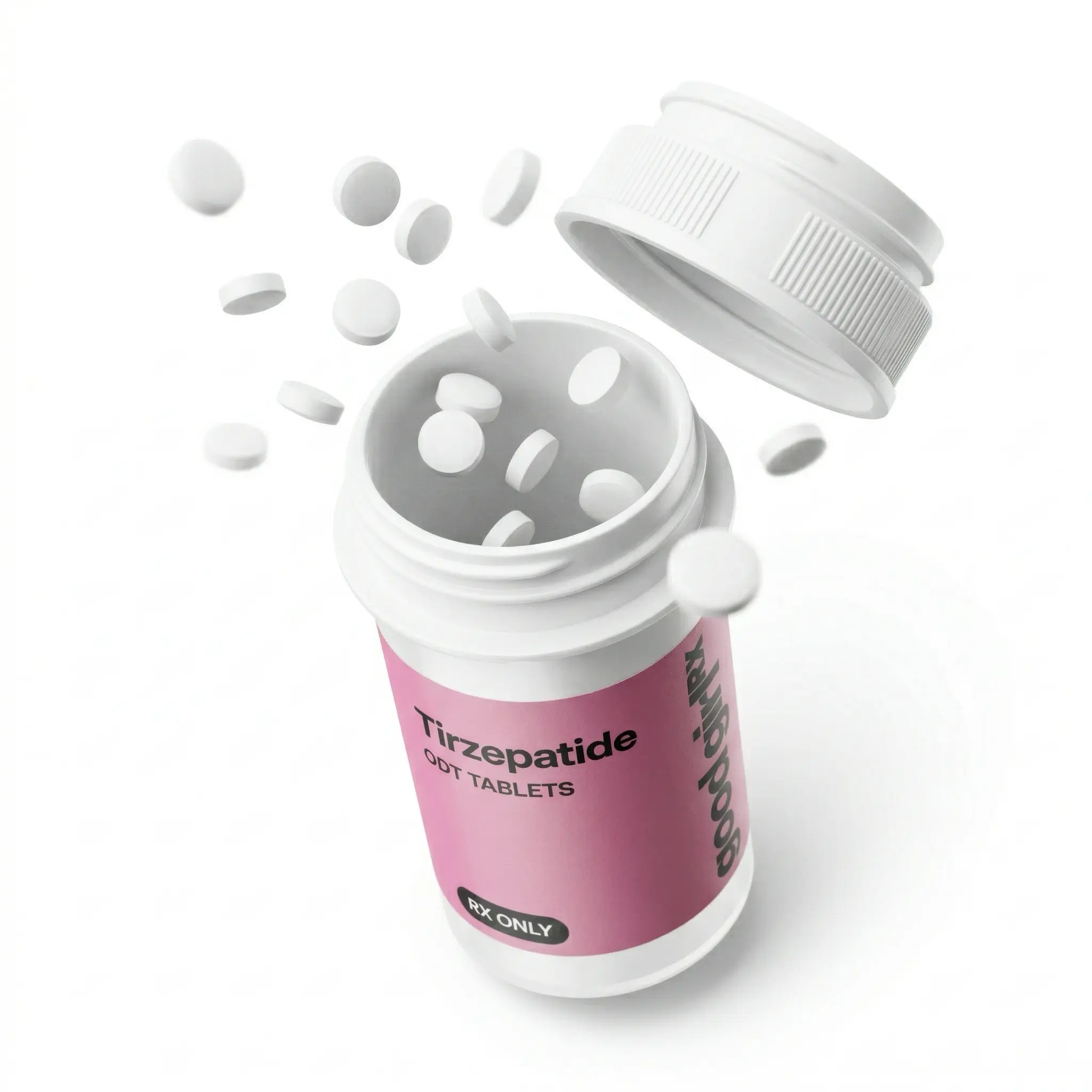
Tirzepatide & Sleep Quality in Women Over 40

Written by Nicole S.
Published October 12, 2026

If you're a woman over 40 who tosses and turns all night, you're not imagining it, and you're not alone. Hormonal shifts, weight changes, and midlife stress can all sabotage your sleep. But a growing body of research suggests that tirzepatide, best known as a weight-management and metabolic medication, may also play a meaningful role in improving sleep quality in women over 40. In this guide, we'll walk through exactly what the science says, how tirzepatide influences the factors that disrupt your rest, and what to realistically expect.

Sleep isn't a luxury, it's a cornerstone of hormonal balance, metabolism, and mood, especially during perimenopause and menopause. When your sleep falters, nearly everything else follows. Understanding the connection between metabolic medications like tirzepatide and rest can help you make an informed, empowered choice with your provider.
Why Sleep Gets Harder After 40
The years around perimenopause and menopause bring a cascade of changes that directly target sleep. Declining estrogen and progesterone levels disrupt the body's temperature regulation and sleep architecture, which is why hot flashes and night sweats so often jolt women awake.
At the same time, midlife weight gain, particularly around the abdomen, increases the risk of obstructive sleep apnea (OSA), a condition long under-diagnosed in women. The result is a frustrating loop: poor sleep worsens insulin resistance and appetite regulation, which drives weight gain, which further fragments sleep.
- Hormonal shifts reduce deep (slow-wave) sleep and increase nighttime awakenings
- Hot flashes and night sweats interrupt sleep cycles repeatedly
- Weight gain raises the risk of obstructive sleep apnea and snoring
- Elevated cortisol from chronic stress delays sleep onset
- Insulin resistance is both a cause and a consequence of poor sleep
How Tirzepatide Works in the Body
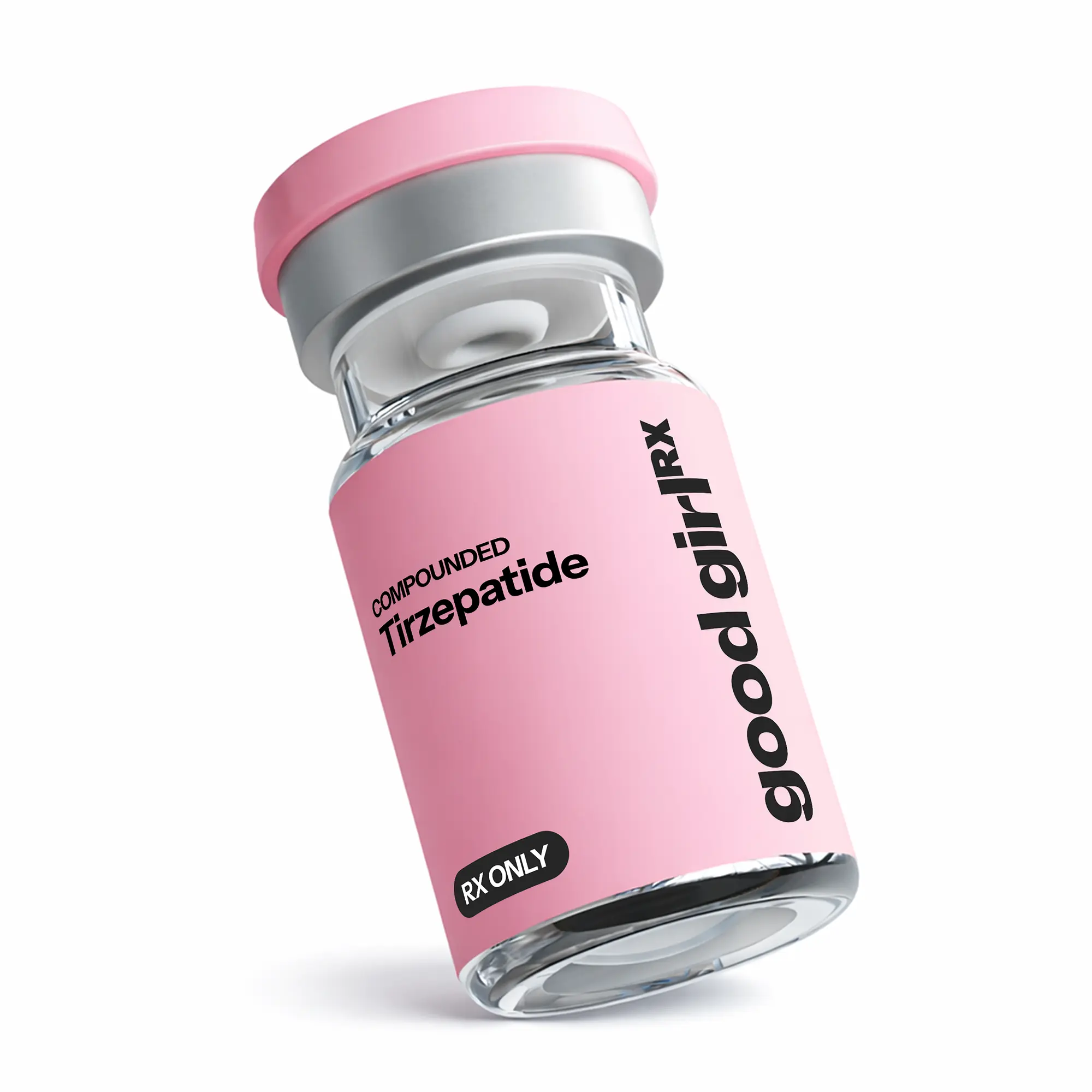
Tirzepatide is a dual GIP and GLP-1 receptor agonist. In plain terms, it mimics two natural gut hormones that regulate blood sugar, slow digestion, and signal fullness to the brain. This combination helps reduce appetite, improve insulin sensitivity, and support meaningful weight reduction.
Because so many sleep disruptors in women over 40 are tied to metabolic health and excess weight, tirzepatide's effects reach well beyond the number on the scale. By addressing the underlying metabolic drivers, it may indirectly, and in some cases directly, improve how well you sleep.
“When we treat the metabolic root causes of poor sleep rather than just the symptoms, patients frequently report waking up more refreshed than they have in years.”
What the Science Says About Tirzepatide and Sleep Quality
The most compelling evidence comes from research on obstructive sleep apnea. In the landmark SURMOUNT-OSA clinical trials published in 2024, tirzepatide significantly reduced the number of breathing interruptions per hour (measured as the apnea-hypopnea index, or AHI) in adults with obesity and moderate-to-severe OSA. Some participants improved enough that their sleep apnea was reclassified to a milder category.
This matters enormously for women over 40, because untreated sleep apnea fragments sleep, lowers oxygen levels overnight, and leaves you exhausted despite spending hours in bed. Reducing AHI can mean fewer awakenings, deeper sleep stages, and more daytime energy.
| Sleep Disruptor | How It Affects Rest | Tirzepatide's Potential Impact |
|---|---|---|
| Obstructive sleep apnea | Repeated breathing pauses fragment sleep | Reduced AHI and apnea severity in clinical trials |
| Excess weight | Worsens airway collapse and snoring | Supports significant weight reduction |
| Insulin resistance | Linked to lighter, less restorative sleep | Improves insulin sensitivity |
| Nighttime reflux | Wakes you with discomfort | Weight loss may reduce reflux episodes |
| Inflammation | Associated with poor sleep continuity | May lower systemic inflammation |
It's important to be clear about what the research does not yet prove. Most studies measure sleep improvement as a downstream benefit of weight loss and reduced sleep apnea, rather than a direct effect on brain sleep centers. Individual responses vary, and tirzepatide is not a prescription sleep aid.
Ready to Explore Tirzepatide?
Start an online visit to see whether tirzepatide is a fit for your weight and metabolic goals, with care designed for women.
Try tirzepatide →The Weight Loss and Sleep Connection
For women over 40, abdominal weight gain is one of the strongest predictors of disrupted sleep. Fat around the neck and upper airway narrows the breathing passage, while visceral fat fuels inflammation and insulin resistance, both of which erode sleep quality.
By supporting steady, clinically meaningful weight reduction, tirzepatide helps relieve pressure on the airway and improve metabolic markers. As weight comes down, many women find that snoring lessens, night sweats ease, and they wake up less frequently.
Supporting Sleep Beyond Medication
Tirzepatide works best alongside foundational sleep habits. Pairing your treatment with consistent routines amplifies the benefits and supports your whole-body health.
- Keep a consistent sleep and wake time, even on weekends
- Limit caffeine after early afternoon and alcohol in the evening
- Create a cool, dark bedroom to counter night sweats
- Move your body daily, but finish intense workouts a few hours before bed
- Discuss persistent insomnia or suspected sleep apnea with your provider
Is Tirzepatide Right for You?
Tirzepatide is prescribed for weight management and metabolic health, not as a standalone treatment for sleep disorders. However, for women over 40 whose poor sleep is intertwined with weight gain, insulin resistance, or sleep apnea, it may offer meaningful, research-backed benefits that extend into the night.
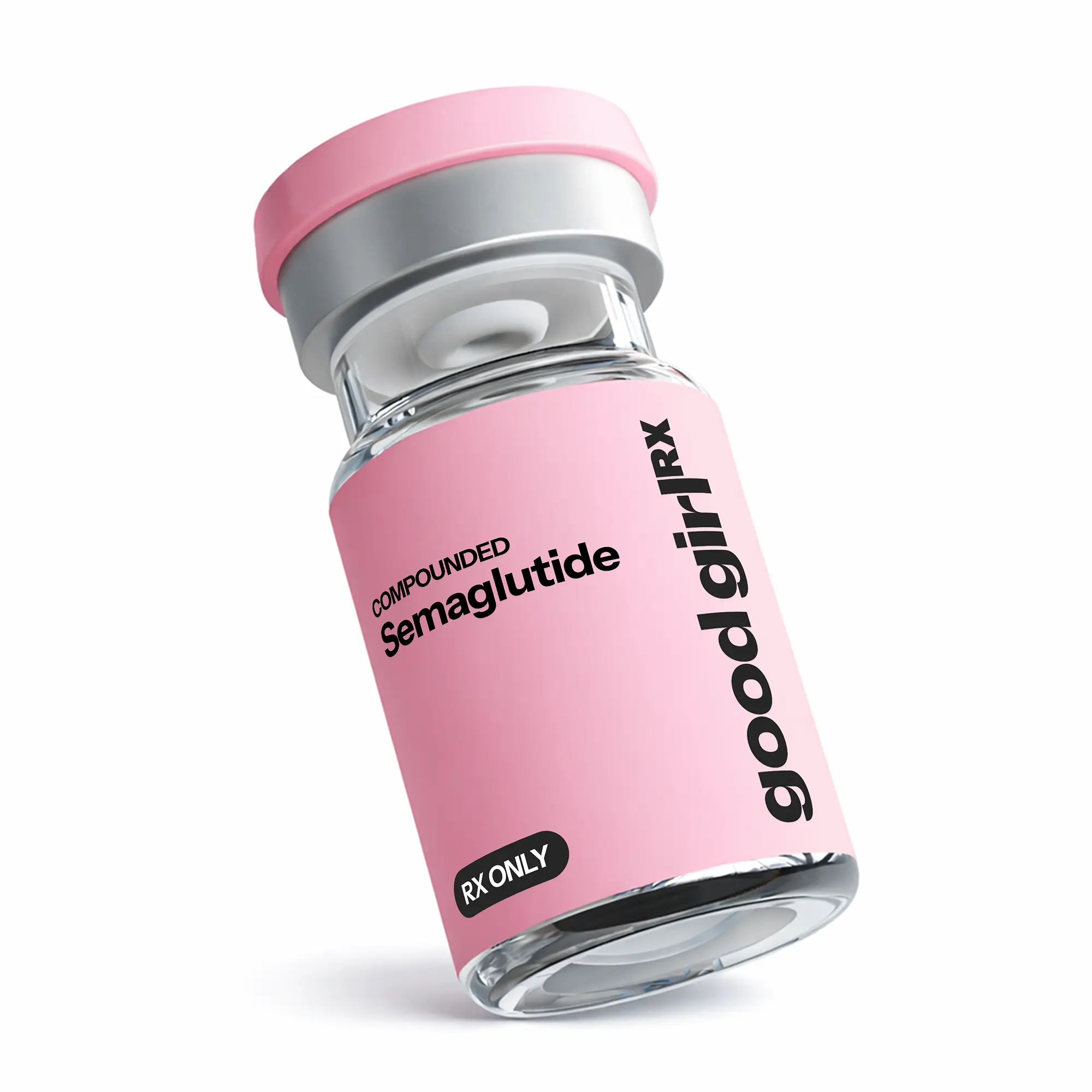
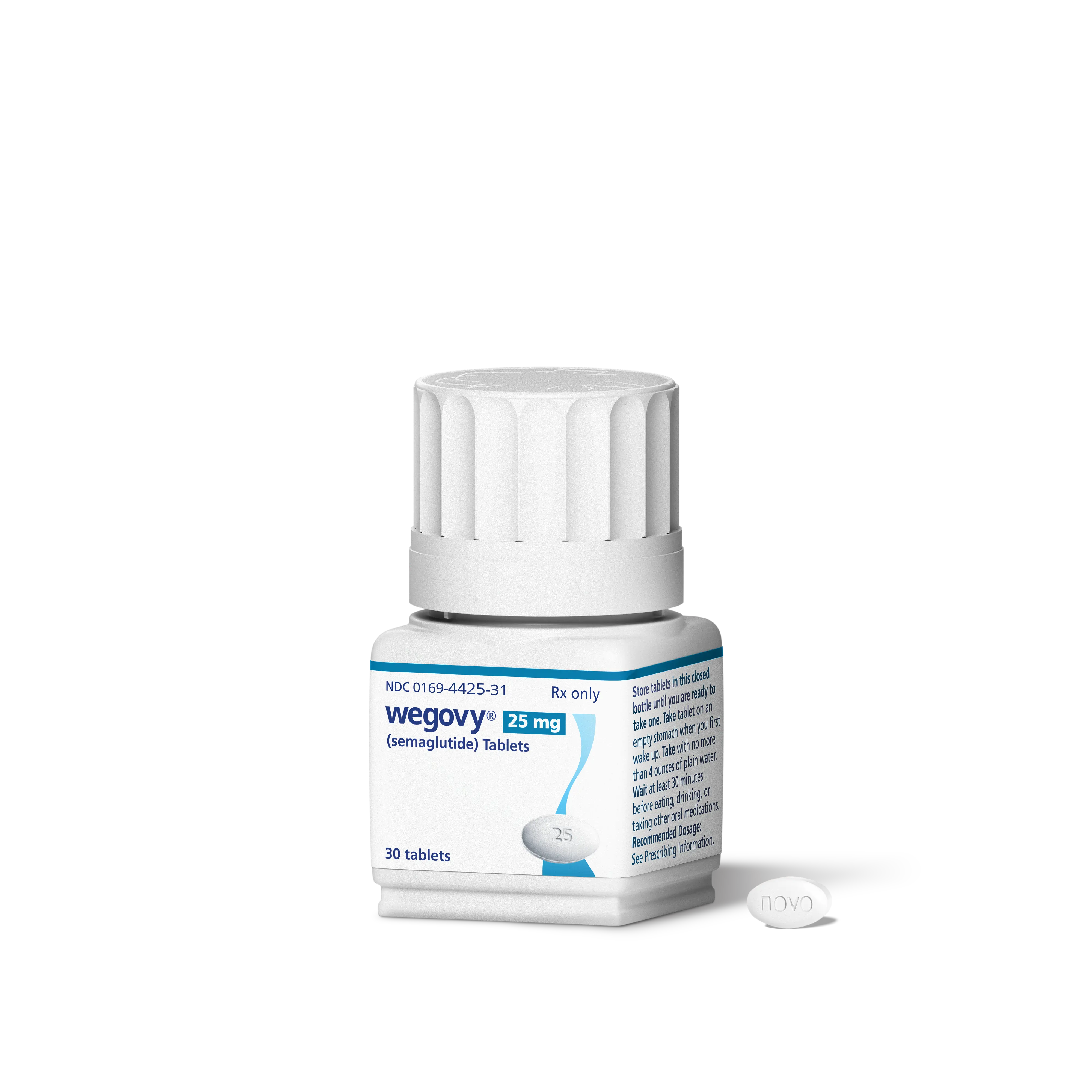
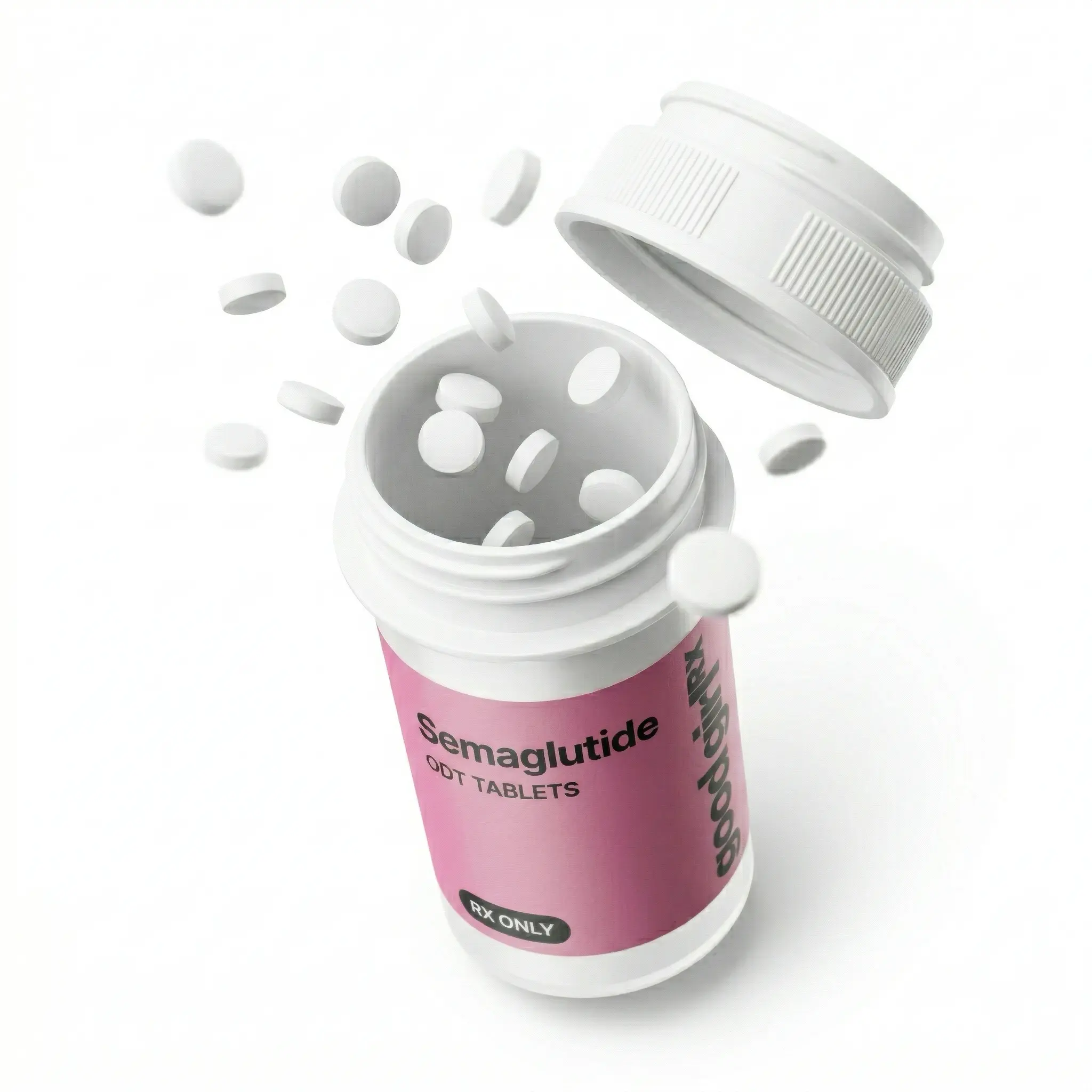
As with any medication, candidacy depends on your health history, current medications, and goals. A thorough evaluation with a licensed provider ensures tirzepatide is safe and appropriate for you. If you're curious about oral options, you can also explore tirzepatide and semaglutide pills with your provider.
“Sleep is the foundation of hormonal health in midlife. Treat it like the priority it is, and your energy, mood, and metabolism all benefit.”
Prioritizing your rest isn't indulgent, it's one of the smartest investments you can make in your long-term health. Combining evidence-based treatment with healthy sleep habits gives you the best chance of waking up genuinely restored.
Find the Right Treatment for You
Explore personalized weight and metabolic care options through a simple online visit with Good Girl Rx.
Find my treatment →Share this article

Ready to start your journey?
Complete your free online visit and see if GLP-1 treatment is right for you.
Get Started