

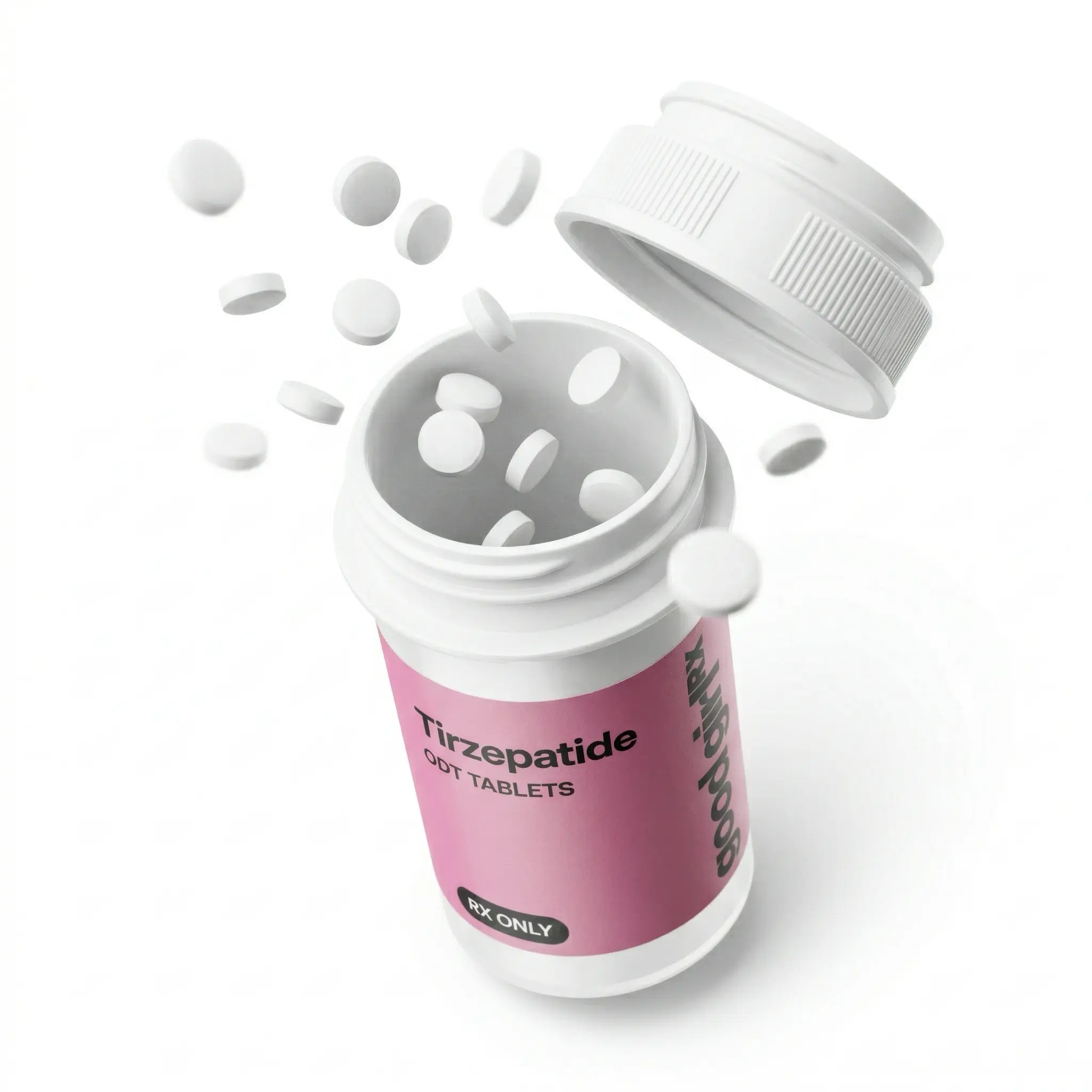
Tirzepatide vs Semaglutide for Women: Which Is Right?

Written by Taylor B.
Published July 29, 2026

If you've been researching weight loss options, you've likely landed on the big debate: tirzepatide vs semaglutide for women. Both are injectable medications that have transformed how we approach metabolic health, appetite, and sustainable weight loss. But they aren't identical twins — they work through slightly different mechanisms, and the right choice often depends on your body, your goals, and how you respond. Let's break it all down, girlfriend-to-girlfriend, with the medical facts you actually need.

Both semaglutide and tirzepatide belong to a class of medications originally developed for type 2 diabetes. Today they're widely used for weight management because of how effectively they regulate blood sugar, slow digestion, and quiet the food noise so many women describe. Understanding the difference between them empowers you to have a smarter conversation with your provider.
How Semaglutide and Tirzepatide Actually Work
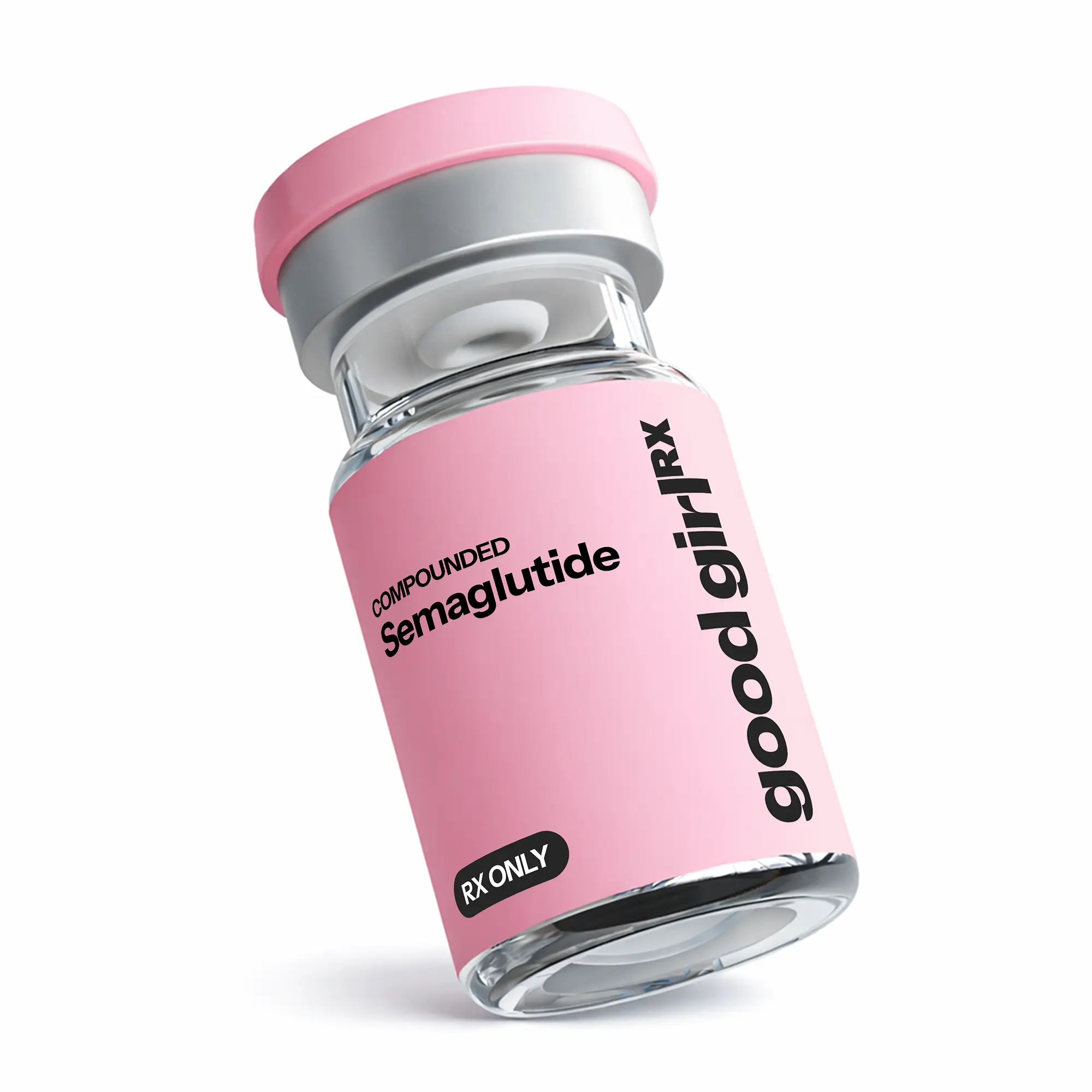
Semaglutide is a GLP-1 receptor agonist. That means it mimics a natural gut hormone called glucagon-like peptide-1, which signals fullness to your brain, slows how fast your stomach empties, and helps stabilize blood sugar. You may recognize it by the brand names Ozempic and Wegovy.
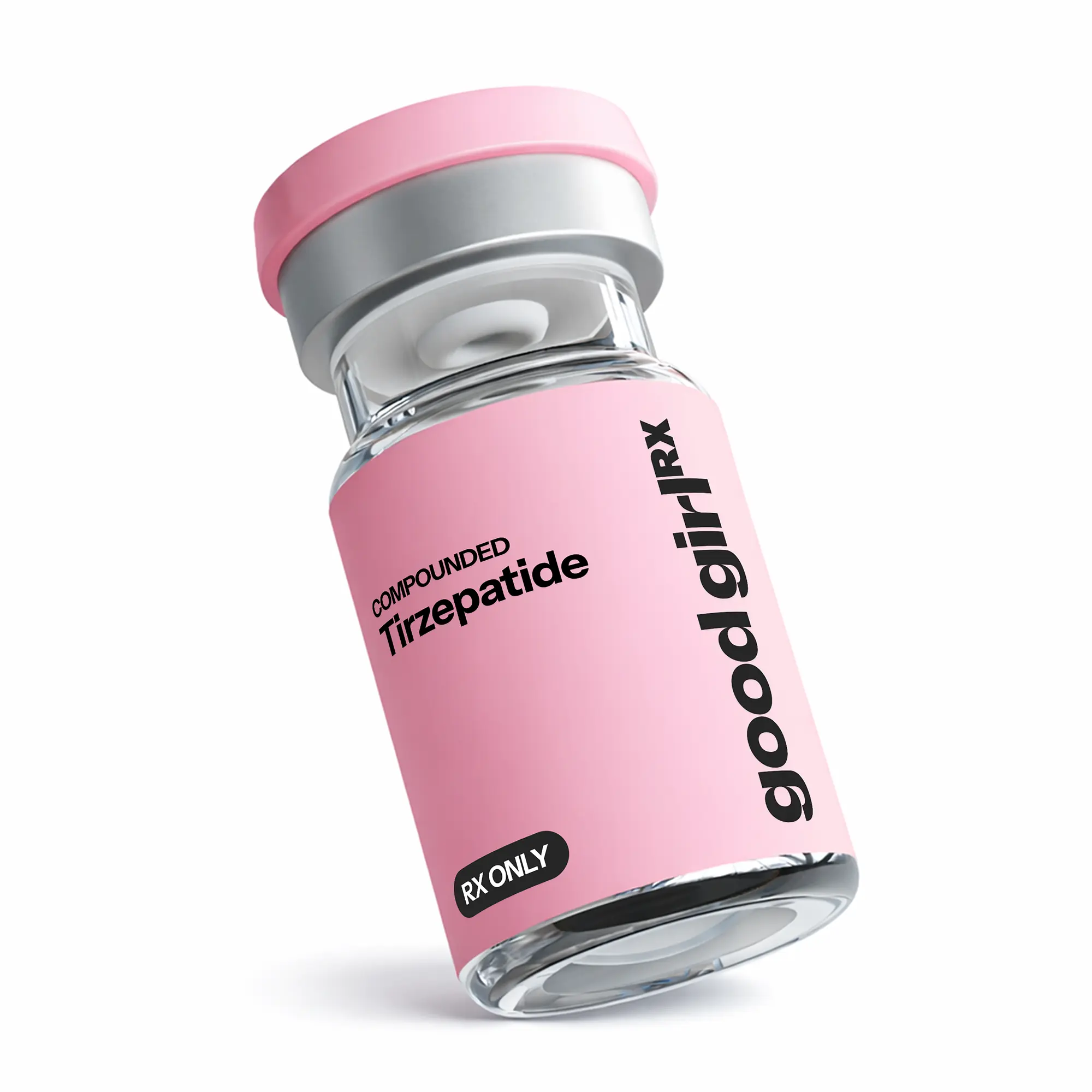
Tirzepatide goes a step further. It's a dual agonist, activating both GLP-1 and GIP (glucose-dependent insulinotropic polypeptide) receptors. This one-two hormonal punch may enhance appetite suppression and metabolic effects. You'll know it as Mounjaro and Zepbound.
Tirzepatide vs Semaglutide for Women: The Key Differences
When weighing tirzepatide vs semaglutide for women, the differences come down to mechanism, dosing schedule, and how your individual body responds. Here's a side-by-side look at the essentials.
| Feature | Semaglutide | Tirzepatide |
|---|---|---|
| Mechanism | GLP-1 receptor agonist | Dual GLP-1 + GIP agonist |
| Injection frequency | Once weekly | Once weekly |
| Common brands | Ozempic, Wegovy | Mounjaro, Zepbound |
| Appetite effect | Strong appetite suppression | Often reported as stronger |
| Titration | Gradual dose increase | Gradual dose increase |
In head-to-head research (the SURPASS and SURMOUNT trials for tirzepatide, and STEP trials for semaglutide), tirzepatide tended to produce larger average reductions in body weight. But averages aren't destiny — many women thrive on semaglutide, especially those who prefer starting with a well-established, single-pathway medication.
“The best GLP-1 medication isn't the one with the biggest headline number — it's the one your body tolerates and your lifestyle can sustain.”
What Women Should Consider Before Choosing
Weight loss isn't one-size-fits-all, and neither is your GLP-1 journey. Women often have unique considerations — from hormonal fluctuations and PCOS to thyroid conditions and how these medications interact with birth control absorption. These are all things to discuss with your provider during your online visit.
- Your starting point and goals — how much weight you want to lose and your timeline
- Side effect tolerance — both can cause nausea, especially early on
- Medical history — thyroid conditions, pancreatitis history, or GI issues matter
- Hormonal health — conditions like PCOS and insulin resistance may influence your response
- Budget and access — compounded options can make treatment more affordable
Not Sure Which GLP-1 Is Right for You?
Start your confidential online visit and let a licensed provider help you choose between semaglutide and tirzepatide based on your body and goals.
Get Started →Side Effects: What to Expect With Each
Both medications share a similar side effect profile because they act on the same GLP-1 pathway. The most common experiences are gastrointestinal — nausea, constipation, diarrhea, and occasional stomach upset — which usually ease as your body adjusts and as your dose is titrated slowly.
Because tirzepatide engages an additional receptor, some women report its appetite suppression feels more intense — which can be a benefit, but also means starting low and going slow is essential. Others find semaglutide gentler on their system. This is deeply individual.
Serious side effects are rare but important to know: both carry a boxed warning regarding thyroid C-cell tumors seen in rodent studies, and both should be avoided if you have a personal or family history of medullary thyroid carcinoma or MEN 2. Pancreatitis is another rare risk. This is exactly why medical supervision matters.
Injections vs Pills: Another Layer of Choice
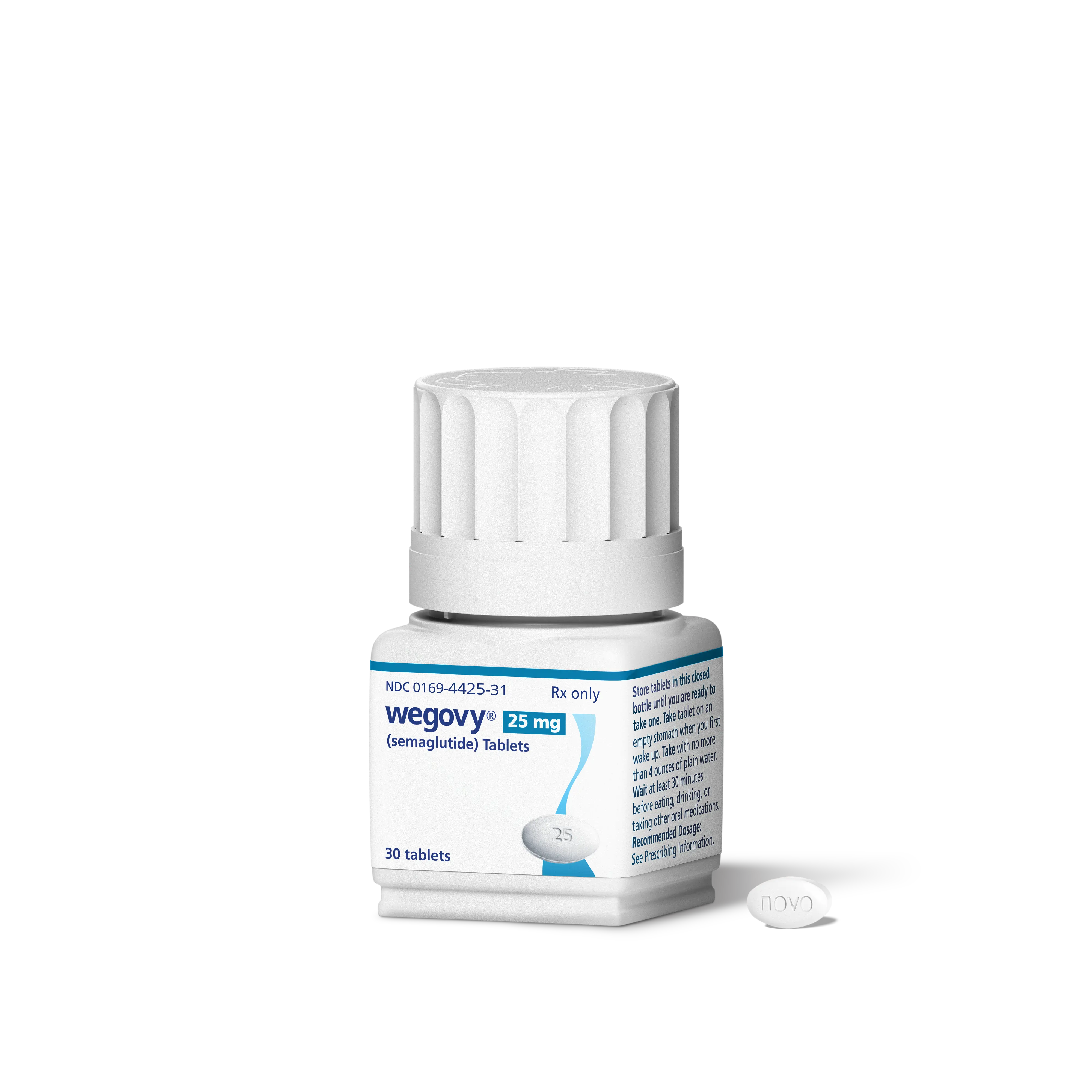
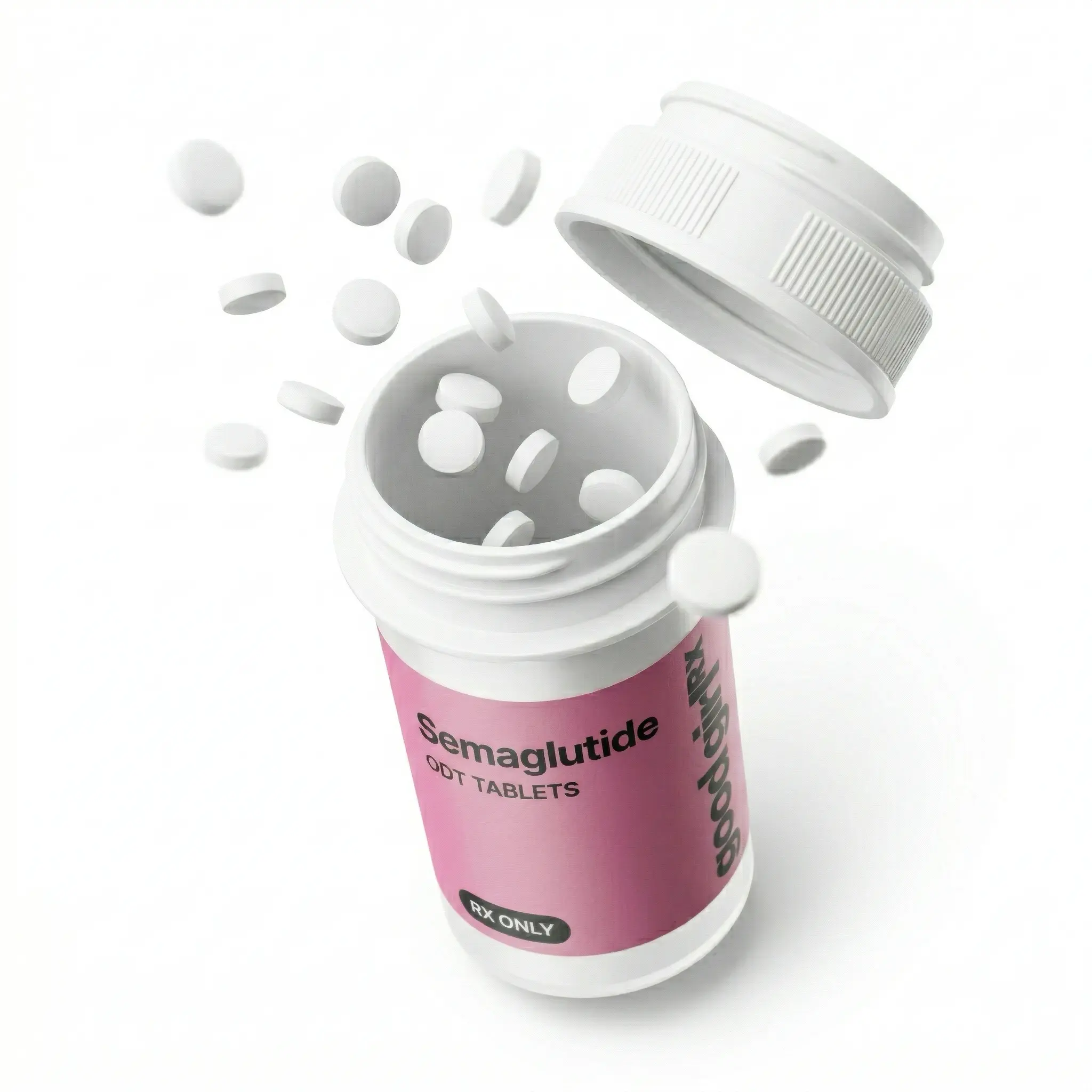
Beyond the medication itself, you can often choose your delivery method. Weekly injections are the most studied and typically most potent form, while oral semaglutide pills offer a needle-free alternative for women who prefer it. Both approaches can be effective — it's about what fits your comfort level and routine.
| Factor | Weekly Injection | Oral Option |
|---|---|---|
| Frequency | Once per week | Often daily |
| Best for | Maximum convenience per dose | Needle-averse patients |
| Consistency | Steady weekly dosing | Requires daily routine |
There's no universally better option — the best choice is the one you'll actually stick with consistently. Adherence is one of the biggest predictors of long-term success with any weight loss medication.
So, Which One Is Right for You?
Here's the honest answer: there is no single winner in the tirzepatide vs semaglutide for women debate. Tirzepatide's dual-action mechanism has shown impressive results in trials, while semaglutide is a proven, well-established option with a longer track record. The right medication is the one that aligns with your health profile, goals, tolerance, and lifestyle.
Many women begin with one medication and adjust based on how they respond. Because both require a prescription, your journey should always start with a licensed provider who can review your history and guide you safely. That's the beauty of telehealth — expert guidance from the comfort of your couch.
Whether you lean toward tirzepatide or semaglutide, the most important step is simply starting the conversation. You deserve support that meets you where you are — with real medical guidance and zero judgment.
Ready to Take the First Step?
Complete a quick online visit and get matched with a treatment plan tailored to you. Your journey to feeling like your best self starts here.
Get Started →Share this article

Ready to start your journey?
Complete your free online visit and see if GLP-1 treatment is right for you.
Get Started