

NAD+ and Brain Fog in Women Over 40: The Science

Written by Maya P.
Published October 8, 2026

If you've ever walked into a room and completely forgotten why, lost your train of thought mid-sentence, or felt like your mind is moving through molasses by 3 p.m., you're not imagining it. For many women, the connection between NAD+ brain fog women over 40 notice and declining cellular energy is becoming impossible to ignore. The good news? Science is finally catching up to what you've been feeling, and a molecule called NAD+ sits at the center of the conversation.

Brain fog isn't a formal medical diagnosis, but it's a very real cluster of symptoms: trouble concentrating, slower recall, mental fatigue, and that frustrating sense that your sharpness has dulled. For women over 40, these symptoms often overlap with hormonal shifts, sleep changes, and the natural decline of a key cellular coenzyme. Let's unpack what's actually happening, and what the evidence says you can do about it.
What Is NAD+ and Why Does It Matter for Your Brain?
NAD+ (nicotinamide adenine dinucleotide) is a coenzyme found in every living cell in your body. Think of it as the currency your cells use to produce energy. It plays a starring role in converting the food you eat into ATP, the fuel your mitochondria generate to keep everything running, including your brain.
Your brain is one of the most energy-hungry organs you have. Despite making up only about 2% of your body weight, it consumes roughly 20% of your daily energy. When NAD+ levels drop, the cellular machinery that powers neurons becomes less efficient, which researchers increasingly link to fatigue, reduced focus, and the subjective experience of fogginess.
Beyond energy, NAD+ is a critical fuel for enzymes called sirtuins and PARPs, which help repair DNA, manage inflammation, and regulate how your cells respond to stress. These processes directly influence how resilient your brain cells stay as you age.
Why NAD+ Declines Faster in Women Over 40
NAD+ naturally decreases with age in everyone, but women navigating their 40s face a unique convergence of factors. Perimenopause and the fluctuations in estrogen that come with it affect mitochondrial function, which can accelerate the cellular energy dip that drives NAD+ brain fog women over 40 frequently describe.
Estrogen is more than a reproductive hormone. It has neuroprotective properties and helps regulate how the brain uses glucose for fuel. As estrogen becomes erratic in perimenopause, the brain's energy metabolism can become less stable, compounding the effects of lower NAD+.
The Daily Habits That Deplete NAD+
Lifestyle plays a surprisingly large role in how quickly your NAD+ reserves run low. Several common patterns among busy women can speed up the decline:
- Chronic stress and elevated cortisol, which increase cellular demand for NAD+
- Poor or insufficient sleep, which disrupts the natural overnight NAD+ repair cycle
- Excess alcohol, which consumes NAD+ as your body metabolizes it
- Inflammation from a processed-food-heavy diet, which activates NAD+-hungry repair enzymes
- Sedentary routines, since exercise is one of the best natural ways to boost NAD+
“Restoring NAD+ isn't about chasing youth. It's about giving your cells the raw materials they need to function the way they're designed to.”
Feeling Foggy? Explore NAD+ Therapy
If low energy and mental fatigue are slowing you down, a licensed provider can help you decide whether NAD+ therapy is right for you.
Explore NAD+ →What the Science Actually Says About NAD+ and Cognition
Here's where we have to be honest and careful. The research on NAD+ and brain function is promising but still emerging. Most of the strongest data comes from animal studies and early human trials, and scientists are enthusiastic but appropriately cautious.
Studies on NAD+ precursors such as NMN (nicotinamide mononucleotide) and NR (nicotinamide riboside) have shown they can reliably raise NAD+ levels in the blood of healthy adults. Some human trials report improvements in energy, physical performance, and markers of metabolic health, while research specifically on cognitive outcomes is still underway.
In animal models, boosting NAD+ has been associated with improved memory, reduced neuroinflammation, and better mitochondrial function in brain cells. These findings are exciting and form the scientific rationale for NAD+ support, but it's important to remember that what works in mice doesn't always translate directly to humans.
| Method | How It Works | Best For |
|---|---|---|
| Lifestyle (sleep, exercise, diet) | Reduces NAD+ depletion naturally | Everyone, as a foundation |
| Oral precursors (NMN, NR) | Provides building blocks the body converts to NAD+ | Daily maintenance |
| NAD+ injections | Delivers NAD+ support directly, bypassing digestion | Those wanting a more direct approach |
| IV NAD+ | Clinic-based infusion over several hours | Intensive protocols under supervision |
How to Support Healthy NAD+ Levels
Before reaching for any supplement or therapy, the foundation always comes first. These evidence-backed habits help your body preserve and replenish NAD+ naturally, and they amplify the benefit of any targeted support you choose to add.
- Prioritize sleep — aim for 7 to 9 quality hours to support overnight cellular repair
- Move your body — regular aerobic exercise is one of the most reliable NAD+ boosters
- Eat whole foods — focus on vegetables, lean protein, and foods rich in NAD+ precursors like dairy and fish
- Moderate alcohol — less drinking means more NAD+ preserved for repair and energy
- Manage stress — mindfulness, boundaries, and rest reduce the cellular toll of chronic cortisol
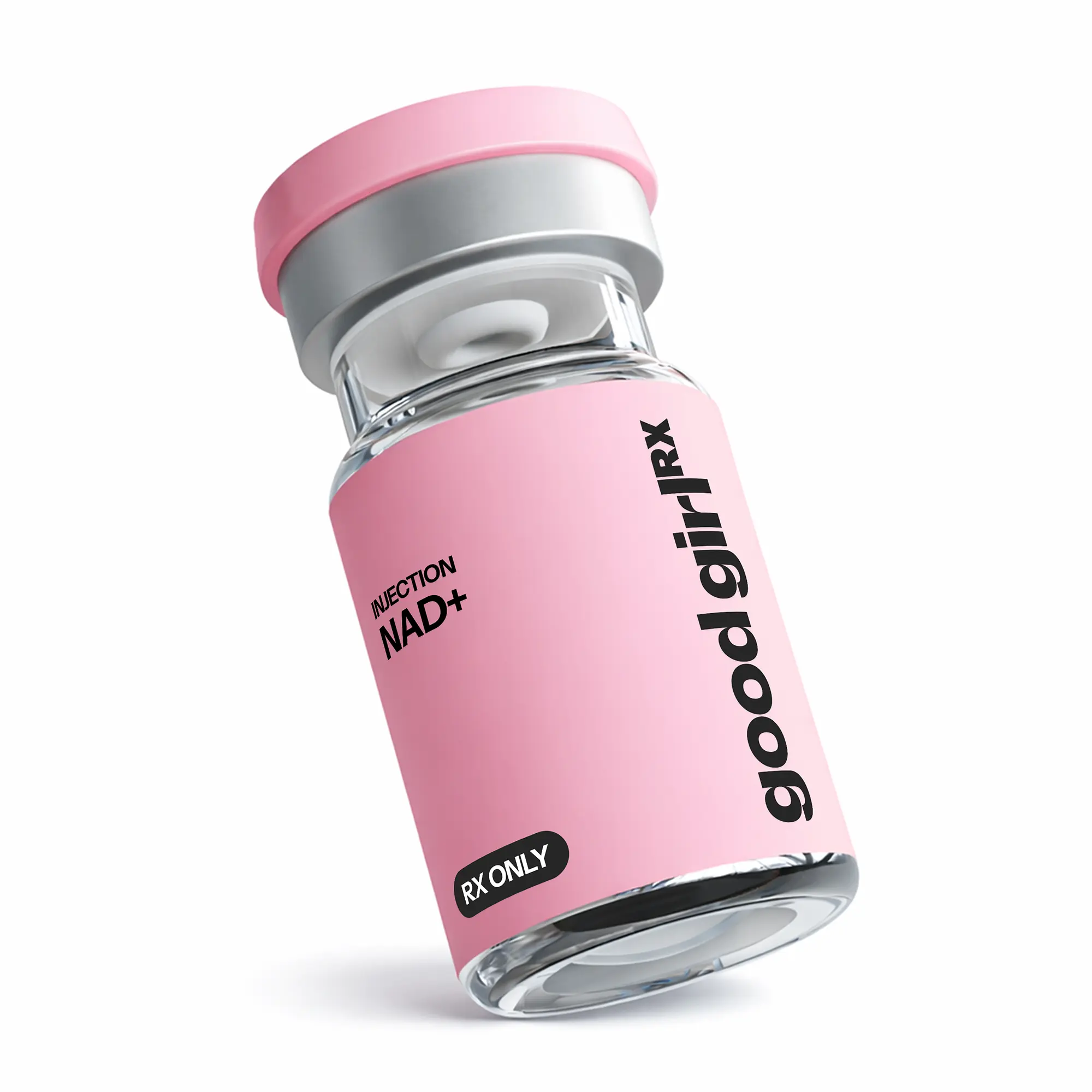
For women who want more targeted support, NAD+ therapy can be delivered through provider-guided injections that bypass the digestive system for more direct absorption. Some women also pair NAD+ with complementary therapies like B12 injections for energy support or glutathione for its antioxidant benefits.
If your brain fog is paired with low energy and stalled metabolism, it's worth discussing the full picture with a provider. Sometimes what feels like fog is tangled up with sleep debt, thyroid shifts, or nutrient gaps, and a thoughtful evaluation can help pinpoint what's really going on.
The Bottom Line on NAD+ and Brain Fog
The science connecting NAD+ brain fog women over 40 experience is genuinely compelling, even if it's still evolving. We know NAD+ declines with age, that it's essential for the energy your brain depends on, and that supporting it through lifestyle and targeted therapy is a reasonable, well-tolerated strategy for many women.
What we can't promise is a guaranteed cure. Brain fog is complex, and the most empowering thing you can do is treat your symptoms seriously, get properly evaluated, and build a plan that addresses the whole you, not just one molecule. Results vary from woman to woman, and that's exactly why individualized care matters.
Ready to Reclaim Your Clarity?
Start your online visit and let a licensed provider help you decide whether NAD+ therapy fits into your personalized wellness plan.
Explore NAD+ →Share this article

Ready to start your journey?
Complete your free online visit and see if GLP-1 treatment is right for you.
Get Started