

Legal
Important Safety Information
Last modified: April 10, 2026
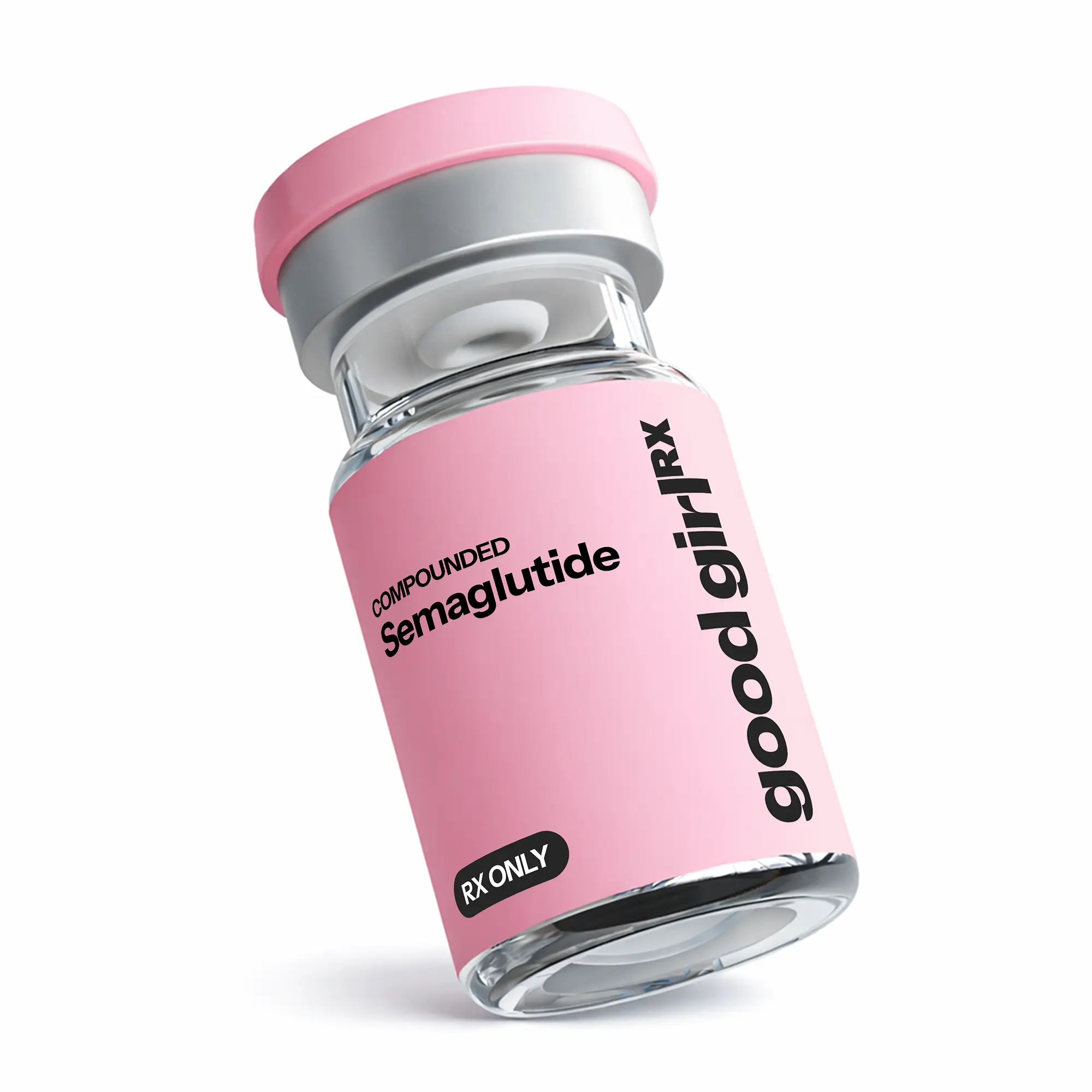
Semaglutide (Compounded)
Compounded semaglutide is a glucagon-like peptide-1 (GLP-1) receptor agonist used under the supervision of a licensed provider to support weight management in adult women who meet medical eligibility criteria. It works by mimicking the GLP-1 hormone, which regulates appetite, satiety, and blood sugar.
Important notice about compounded medications: This medication is prepared by state-licensed compounding pharmacies and is not FDA-approved. Compounded drugs are not reviewed by the FDA for safety, effectiveness, or quality. Compounded products should only be used when a commercially available FDA-approved product does not meet a patient’s medical need, as determined by a licensed provider.
Boxed Warning: Risk of Thyroid C-Cell Tumors
In rodent studies, semaglutide caused thyroid C-cell tumors. It is unknown whether semaglutide causes such tumors, including medullary thyroid carcinoma (MTC), in humans. Semaglutide is contraindicated in patients with a personal or family history of MTC or in patients with Multiple Endocrine Neoplasia syndrome type 2 (MEN 2).
Contraindications — Do Not Use If You
- Have a personal or family history of medullary thyroid carcinoma (MTC)
- Have Multiple Endocrine Neoplasia syndrome type 2 (MEN 2)
- Have had a serious hypersensitivity reaction to semaglutide or any component of the formulation
- Are pregnant, planning to become pregnant, or breastfeeding
Warnings and Precautions
- Pancreatitis: Acute and chronic pancreatitis have been reported. Discontinue if suspected.
- Acute kidney injury: Reported in patients treated with GLP-1 receptor agonists, often related to nausea, vomiting, and diarrhea leading to volume depletion.
- Hypoglycemia: Risk is increased when used with insulin or sulfonylureas. Dose adjustment of those medications may be required.
- Diabetic retinopathy complications: Rapid improvements in glucose control have been associated with temporary worsening of diabetic retinopathy.
- Acute gallbladder disease: Cholelithiasis (gallstones) and cholecystitis have been reported.
- Serious hypersensitivity reactions: Including anaphylaxis and angioedema.
- Suicidal behavior and ideation: FDA has reviewed reports of suicidal thoughts associated with GLP-1 receptor agonists. Monitor for new or worsening depression and mood changes.
Common Side Effects
The most frequently reported side effects include:
- Nausea, vomiting, diarrhea, constipation
- Abdominal pain and bloating
- Headache and fatigue
- Dyspepsia (indigestion) and heartburn
- Dizziness
- Injection site reactions (redness, itching, swelling)
Seek Immediate Medical Attention For
- Severe, persistent abdominal pain (possible pancreatitis)
- Lump or swelling in the neck, hoarseness, trouble swallowing, or shortness of breath (possible thyroid tumor)
- Signs of a serious allergic reaction: swelling of face, lips, tongue, throat; difficulty breathing; severe rash
- Symptoms of severe dehydration from persistent vomiting or diarrhea
- Sudden severe upper right abdominal pain, fever, or yellowing of the skin (possible gallbladder disease)
Use in Pregnancy and Breastfeeding
Semaglutide may cause fetal harm. Discontinue at least 2 months before a planned pregnancy. There is no data on the presence of semaglutide in human milk; use in breastfeeding is not recommended.
Drug Interactions
Semaglutide delays gastric emptying and may affect absorption of other oral medications. Use caution with insulin and sulfonylureas due to increased hypoglycemia risk. Inform your provider of all medications, supplements, and herbal products you take.
References
Semaglutide Microdose (Compounded)
Semaglutide Microdose is a lower-strength compounded formulation of the same active ingredient as standard semaglutide, designed to provide a gentler introduction for patients new to GLP-1 therapy or those who experienced side effects at standard doses.
Important notice about compounded medications: This medication is prepared by state-licensed compounding pharmacies and is not FDA-approved. Compounded drugs are not reviewed by the FDA for safety, effectiveness, or quality. Compounded products should only be used when a commercially available FDA-approved product does not meet a patient’s medical need, as determined by a licensed provider.
Same Active Ingredient, Same Safety Profile
Although the starting dose is lower, the boxed warning, contraindications, warnings, and side effect profile are identical to standard semaglutide. Please refer to the Semaglutide section above for the complete safety information that applies to this product.
Microdose-Specific Considerations
- Lower starting dose may reduce the severity or frequency of gastrointestinal side effects during initiation
- Your provider will titrate the dose upward based on your response and tolerance
- All boxed warnings and contraindications still apply regardless of dose
References
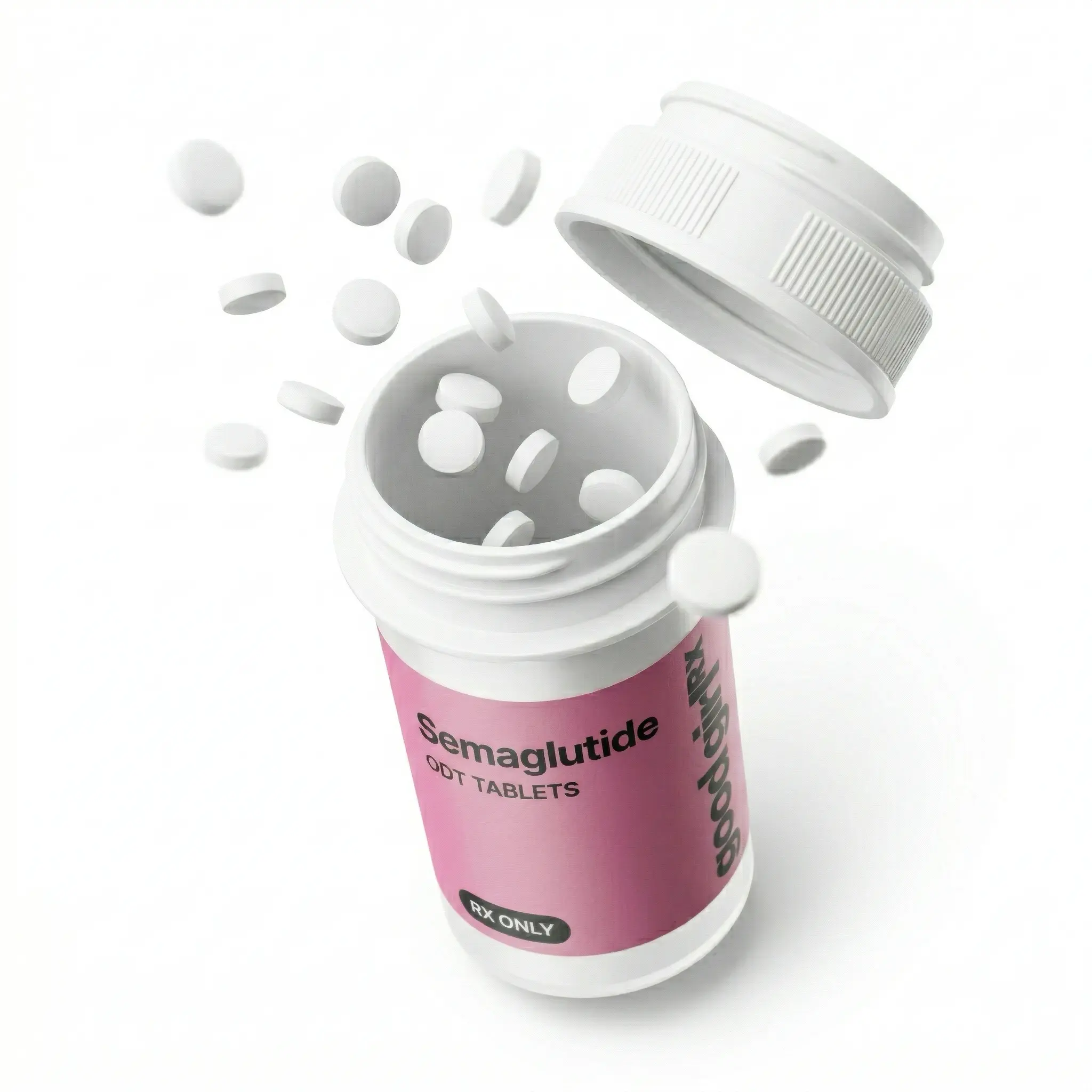
Semaglutide ODT Pills (Compounded)
Semaglutide Oral Dissolving Tablets (ODT) provide the same active ingredient as injectable semaglutide in a needle-free oral form that dissolves under the tongue.
Important notice about compounded medications: This medication is prepared by state-licensed compounding pharmacies and is not FDA-approved. Compounded drugs are not reviewed by the FDA for safety, effectiveness, or quality. Compounded products should only be used when a commercially available FDA-approved product does not meet a patient’s medical need, as determined by a licensed provider.
Same GLP-1 Safety Profile
Semaglutide ODT shares the same boxed warning, contraindications, warnings, drug interactions, and side effect profile as injectable semaglutide. Please refer to the Semaglutide section above for complete safety information.
Oral-Specific Precautions
- Place the tablet under the tongue and allow it to fully dissolve — do not chew or swallow whole
- Avoid eating or drinking for at least 30 minutes after administration to ensure proper absorption
- Oral semaglutide absorption can be variable; take exactly as directed by your provider
References
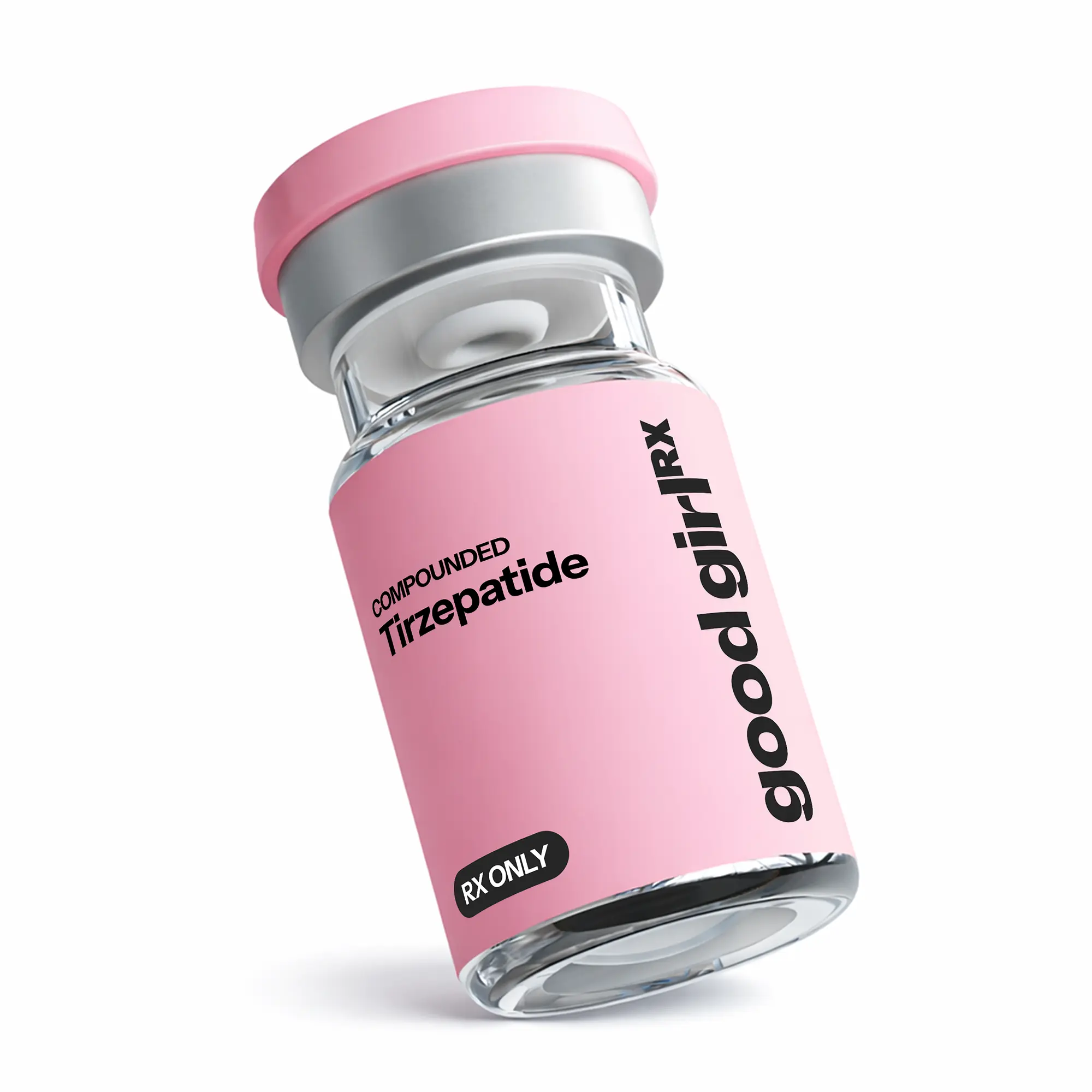
Tirzepatide (Compounded)
Compounded tirzepatide is a dual glucose-dependent insulinotropic polypeptide (GIP) and glucagon-like peptide-1 (GLP-1) receptor agonist. By activating both receptors, tirzepatide supports appetite regulation and metabolic health.
Important notice about compounded medications: This medication is prepared by state-licensed compounding pharmacies and is not FDA-approved. Compounded drugs are not reviewed by the FDA for safety, effectiveness, or quality. Compounded products should only be used when a commercially available FDA-approved product does not meet a patient’s medical need, as determined by a licensed provider.
Boxed Warning: Risk of Thyroid C-Cell Tumors
In rat studies, tirzepatide caused thyroid C-cell tumors. It is unknown whether tirzepatide causes thyroid C-cell tumors, including medullary thyroid carcinoma (MTC), in humans. Tirzepatide is contraindicated in patients with a personal or family history of MTC or Multiple Endocrine Neoplasia syndrome type 2 (MEN 2).
Contraindications — Do Not Use If You
- Have a personal or family history of medullary thyroid carcinoma (MTC)
- Have Multiple Endocrine Neoplasia syndrome type 2 (MEN 2)
- Have had a serious hypersensitivity reaction to tirzepatide or any component of the formulation
- Are pregnant, planning to become pregnant, or breastfeeding
Warnings and Precautions
- Acute pancreatitis: Has been reported in clinical trials. Discontinue if suspected.
- Acute kidney injury: Particularly in patients with pre-existing kidney impairment or severe volume depletion from GI side effects.
- Hypoglycemia: Risk significantly increased when used with insulin or sulfonylureas.
- Acute gallbladder disease: Cholelithiasis and cholecystitis have been reported.
- Hypersensitivity reactions: Including anaphylaxis and angioedema.
- Severe gastrointestinal disease: Not recommended in patients with severe gastroparesis or a history of it.
- Pulmonary aspiration during anesthesia: Delayed gastric emptying may increase aspiration risk during surgery. Discuss with your provider before any elective procedure.
- Diabetic retinopathy complications in patients with a history of diabetic retinopathy.
Common Side Effects
- Nausea, vomiting, diarrhea, constipation (very common, especially during dose escalation)
- Abdominal pain and decreased appetite
- Dyspepsia and eructation (belching)
- Injection site reactions
- Fatigue and dizziness
- Hair loss (reported in clinical trials)
- Hypersensitivity reactions
Seek Immediate Medical Attention For
- Severe, persistent abdominal pain possibly radiating to the back (pancreatitis)
- Neck lump or swelling, hoarseness, difficulty swallowing or breathing
- Severe allergic reactions: swelling of face, lips, tongue, throat; difficulty breathing
- Signs of severe dehydration: dizziness, low urine output, rapid heartbeat
- Sudden severe upper right abdominal pain with fever or jaundice
Use in Pregnancy and Breastfeeding
Discontinue tirzepatide at least 2 months before a planned pregnancy due to its long half-life and potential for fetal harm. Not recommended during breastfeeding.
Drug Interactions
Tirzepatide delays gastric emptying and may affect the absorption of oral medications with a narrow therapeutic index. Oral hormonal contraceptive effectiveness may be reduced at the start of treatment and after dose increases — consider a non-oral backup contraceptive method for 4 weeks after initiation and after each dose escalation.
References
Tirzepatide Microdose (Compounded)
Tirzepatide Microdose is a lower-strength compounded formulation of the same dual GLP-1/GIP receptor agonist, designed for patients who prefer a gradual introduction to dual-action therapy or who have experienced side effects at higher doses.
Important notice about compounded medications: This medication is prepared by state-licensed compounding pharmacies and is not FDA-approved. Compounded drugs are not reviewed by the FDA for safety, effectiveness, or quality. Compounded products should only be used when a commercially available FDA-approved product does not meet a patient’s medical need, as determined by a licensed provider.
Same Active Ingredient, Same Safety Profile
The boxed warning, contraindications, warnings, and side effect profile for Tirzepatide Microdose are identical to standard tirzepatide. Please refer to the Tirzepatide section above for complete safety information.
Microdose-Specific Considerations
- Lower starting dose may reduce the severity or frequency of GI side effects during initiation
- All boxed warnings and contraindications still apply regardless of dose
- Your provider will titrate the dose upward based on tolerance and response
References
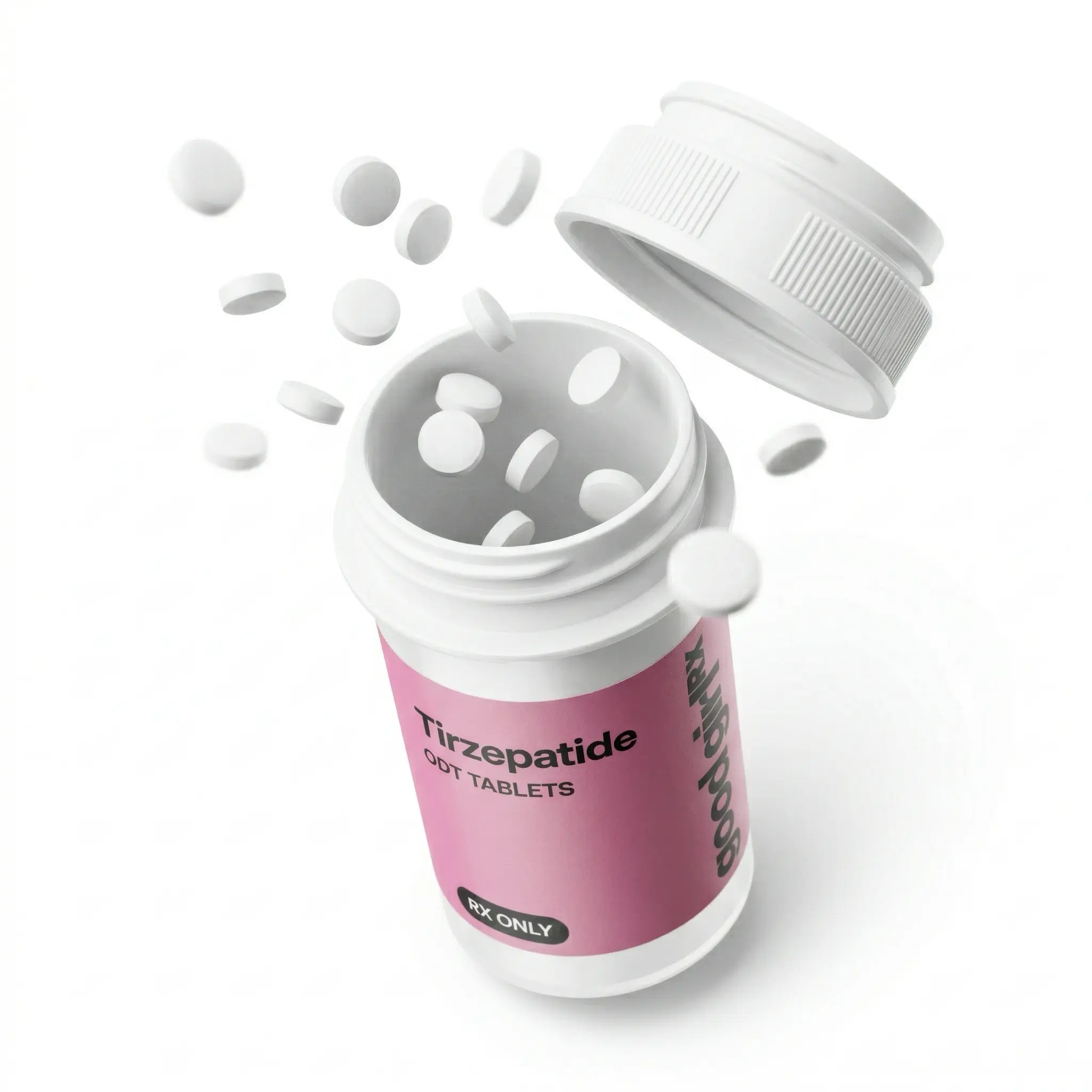
Tirzepatide ODT Pills (Compounded)
Tirzepatide Oral Dissolving Tablets (ODT) provide a needle-free oral form of the same dual GIP/GLP-1 receptor agonist as injectable tirzepatide.
Important notice about compounded medications: This medication is prepared by state-licensed compounding pharmacies and is not FDA-approved. Compounded drugs are not reviewed by the FDA for safety, effectiveness, or quality. Compounded products should only be used when a commercially available FDA-approved product does not meet a patient’s medical need, as determined by a licensed provider.
Same Safety Profile as Injectable Tirzepatide
Tirzepatide ODT shares the same boxed warning, contraindications, warnings, and side effect profile as injectable tirzepatide. Please refer to the Tirzepatide section above for the full safety information.
Oral-Specific Precautions
- Place tablet under the tongue and allow it to fully dissolve — do not chew or swallow whole
- Avoid food and drink for at least 30 minutes after administration
- Oral bioavailability of peptide medications can be variable
- Take at the same time each day for consistency
References
Ozempic® (FDA-Approved Semaglutide)
Ozempic\u00AE (semaglutide) injection is an FDA-approved prescription medication manufactured by Novo Nordisk, used along with diet and exercise to improve blood sugar in adults with type 2 diabetes and to reduce the risk of major cardiovascular events in adults with type 2 diabetes and known heart disease. Ozempic is not FDA-approved for weight loss.
Boxed Warning: Risk of Thyroid C-Cell Tumors
In rodents, semaglutide caused thyroid C-cell tumors. It is unknown whether Ozempic causes thyroid tumors, including medullary thyroid carcinoma (MTC), in humans. Ozempic is contraindicated in patients with a personal or family history of MTC or MEN 2.
Do Not Use Ozempic If You Have
- A personal or family history of medullary thyroid carcinoma
- Multiple Endocrine Neoplasia syndrome type 2
- A serious allergic reaction to semaglutide or any of the ingredients in Ozempic
Warnings and Precautions
- Pancreatitis — including fatal and non-fatal hemorrhagic or necrotizing pancreatitis
- Diabetic retinopathy complications
- Hypoglycemia, particularly when combined with insulin or sulfonylureas
- Acute kidney injury, especially in patients with pre-existing kidney disease
- Hypersensitivity reactions including anaphylaxis and angioedema
- Acute gallbladder disease
Most Common Side Effects
- Nausea, vomiting, diarrhea
- Abdominal pain and constipation
- Injection site reactions
Pregnancy
Ozempic may harm an unborn baby. Stop taking Ozempic at least 2 months before planning to become pregnant. Tell your provider if you are pregnant, planning to become pregnant, or breastfeeding.
This summary does not include all safety information about Ozempic\u00AE. Please read the full Ozempic Prescribing Information and Medication Guide before use.
References
Ozempic\u00AE is a registered trademark of Novo Nordisk A/S.
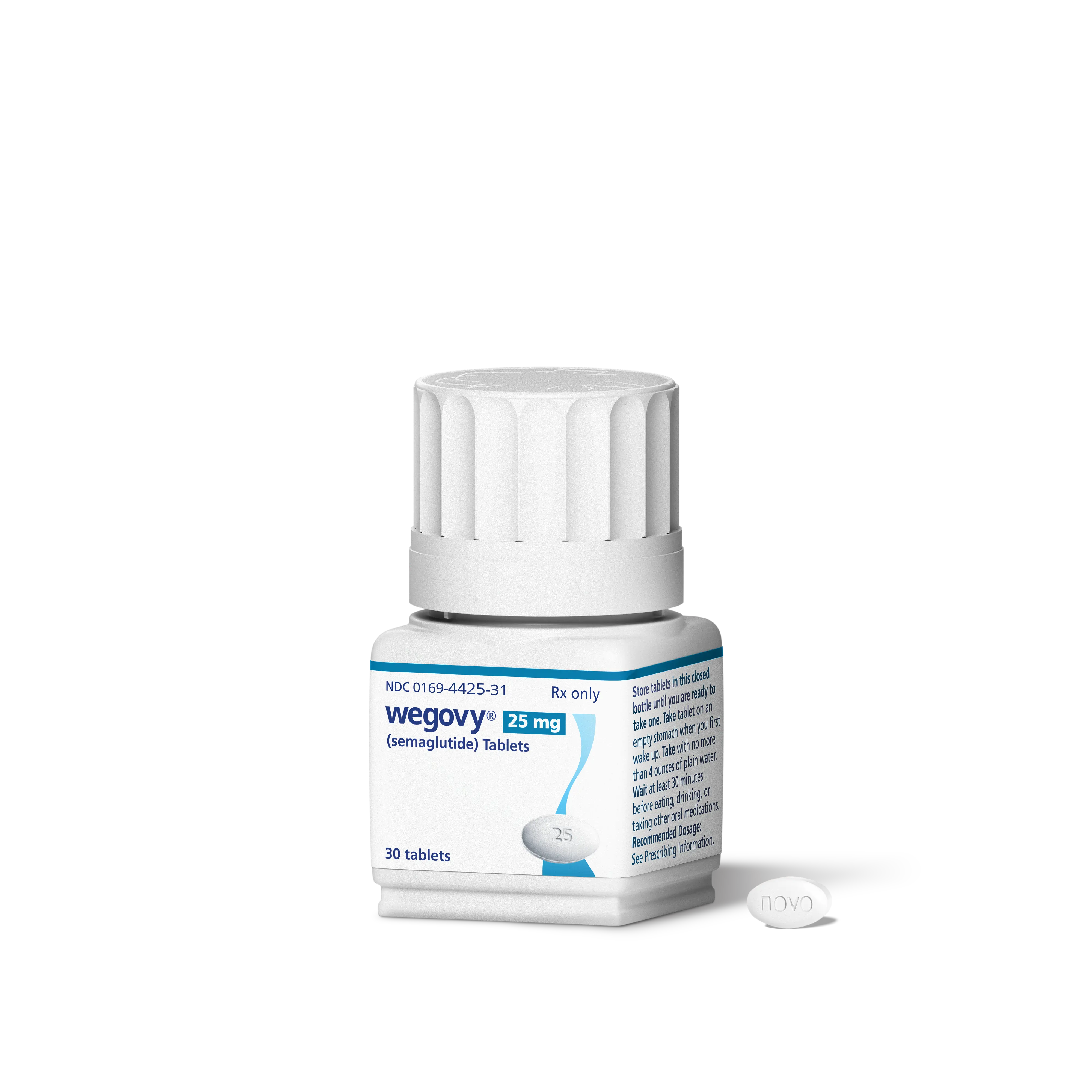
Wegovy® (FDA-Approved for Weight Management)
Wegovy\u00AE (semaglutide) injection 2.4 mg is FDA-approved for chronic weight management in adults and adolescents aged 12 and older with obesity, and for reducing the risk of major adverse cardiovascular events in adults with established cardiovascular disease and obesity or overweight. Wegovy is manufactured by Novo Nordisk.
Boxed Warning: Risk of Thyroid C-Cell Tumors
Semaglutide caused thyroid C-cell tumors in rodents. It is unknown whether Wegovy causes such tumors, including MTC, in humans. Contraindicated in patients with a personal or family history of MTC or MEN 2.
Do Not Use Wegovy If You
- Have a personal or family history of medullary thyroid carcinoma
- Have MEN 2
- Have had a serious allergic reaction to semaglutide or any other ingredient in Wegovy
- Are pregnant or planning to become pregnant
Warnings and Precautions
- Acute pancreatitis — discontinue if suspected
- Acute gallbladder disease
- Hypoglycemia, especially when used with insulin or insulin secretagogues
- Acute kidney injury from dehydration related to GI side effects
- Hypersensitivity reactions including anaphylaxis
- Diabetic retinopathy complications in patients with a history of diabetic retinopathy
- Heart rate increase — mean increases of 1 to 4 beats per minute observed
- Suicidal behavior and ideation — monitor patients for changes in mood or depression
Most Common Adverse Reactions
- Nausea, diarrhea, vomiting, constipation
- Abdominal pain
- Headache, fatigue
- Dyspepsia, dizziness
- Abdominal distension, eructation
- Hypoglycemia in patients with type 2 diabetes
- Flatulence, gastroenteritis, GERD
This summary does not include all safety information about Wegovy\u00AE. Please read the full Wegovy Prescribing Information and Medication Guide before use.
References
Wegovy\u00AE is a registered trademark of Novo Nordisk A/S.
Zepbound® (FDA-Approved for Weight Management)
Zepbound\u00AE (tirzepatide) injection is an FDA-approved dual GIP/GLP-1 receptor agonist manufactured by Eli Lilly and Company, indicated for chronic weight management in adults with obesity or overweight with at least one weight-related medical condition, used along with a reduced-calorie diet and increased physical activity.
Boxed Warning: Risk of Thyroid C-Cell Tumors
In rat studies, tirzepatide caused thyroid C-cell tumors. It is unknown whether Zepbound causes thyroid C-cell tumors, including MTC, in humans. Contraindicated in patients with a personal or family history of MTC or MEN 2.
Do Not Use Zepbound If You
- Have a personal or family history of medullary thyroid carcinoma
- Have Multiple Endocrine Neoplasia syndrome type 2
- Have had a serious allergic reaction to tirzepatide or any of the ingredients in Zepbound
Warnings and Precautions
- Severe gastrointestinal disease — not recommended for patients with severe gastroparesis
- Acute pancreatitis
- Acute gallbladder disease
- Hypoglycemia with concomitant insulin or insulin secretagogue use
- Hypersensitivity reactions including anaphylaxis and angioedema
- Acute kidney injury
- Diabetic retinopathy complications in patients with a history of diabetic retinopathy
- Suicidal behavior and ideation — monitor for new or worsening depression or unusual mood changes
- Pulmonary aspiration during general anesthesia or deep sedation — delayed gastric emptying may increase aspiration risk
Most Common Adverse Reactions
- Nausea, diarrhea, vomiting, constipation
- Abdominal pain and dyspepsia
- Injection site reactions
- Fatigue
- Hypersensitivity reactions
- Eructation, hair loss, gastroesophageal reflux disease
Hormonal Contraception Interaction
Zepbound may reduce the effectiveness of oral hormonal contraceptives. Consider switching to a non-oral method or adding a barrier method of contraception for 4 weeks after initiation and 4 weeks after each dose escalation.
This is not a complete summary of safety information. Please read the full Zepbound Prescribing Information and Medication Guide before use.
References
Zepbound\u00AE is a registered trademark of Eli Lilly and Company.
Mounjaro® (FDA-Approved Tirzepatide)
Mounjaro\u00AE (tirzepatide) injection is an FDA-approved prescription medicine used along with diet and exercise to improve blood sugar in adults with type 2 diabetes. Mounjaro contains the same active ingredient as Zepbound but is not approved for weight loss. It is manufactured by Eli Lilly and Company.
Boxed Warning: Risk of Thyroid C-Cell Tumors
Tirzepatide caused thyroid C-cell tumors in rats. It is unknown whether Mounjaro causes thyroid tumors, including MTC, in humans. Contraindicated in patients with a personal or family history of MTC or MEN 2.
Do Not Use Mounjaro If You Have
- A personal or family history of medullary thyroid carcinoma
- Multiple Endocrine Neoplasia syndrome type 2
- A serious allergic reaction to tirzepatide or any ingredient in Mounjaro
Warnings and Precautions
Mounjaro shares the same safety profile as Zepbound including warnings about pancreatitis, hypoglycemia (particularly with insulin or sulfonylureas), gallbladder disease, acute kidney injury, hypersensitivity reactions, severe GI disease, hormonal contraceptive interactions, diabetic retinopathy complications, and delayed gastric emptying increasing aspiration risk during anesthesia. Please refer to the Zepbound section above for detailed warnings.
Most Common Side Effects
- Nausea, diarrhea, decreased appetite
- Vomiting, constipation
- Indigestion and stomach pain
This summary does not include all safety information. Please read the full Mounjaro Prescribing Information and Medication Guide before use.
References
Mounjaro\u00AE is a registered trademark of Eli Lilly and Company.
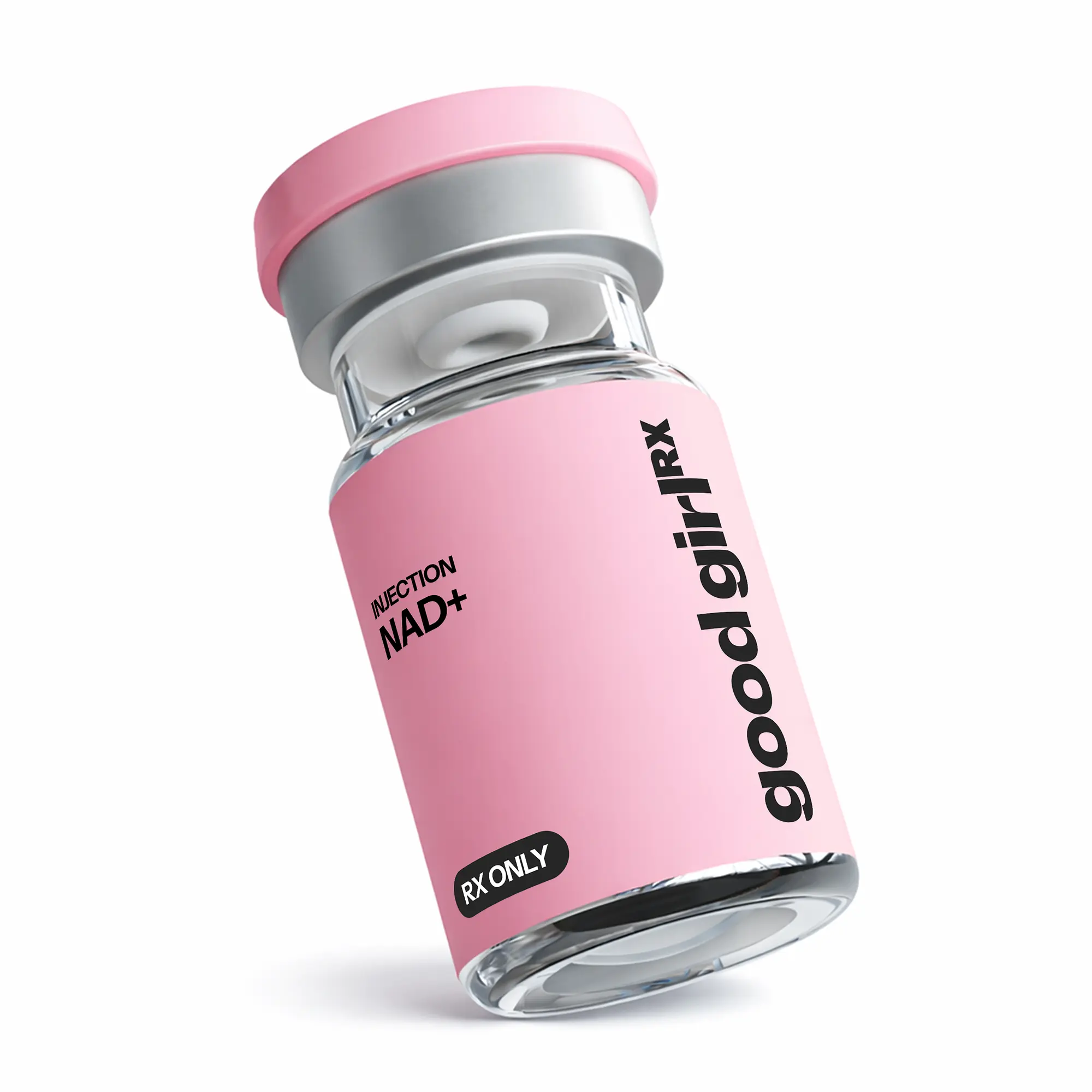
NAD+ Injection (Compounded)
NAD+ (nicotinamide adenine dinucleotide) is a coenzyme found in every cell in the body, essential for energy metabolism, DNA repair, and cellular signaling. Compounded NAD+ injection is used to support cellular energy and may support longevity and cognitive function, though clinical evidence is still emerging.
Important notice: Compounded NAD+ is not FDA-approved and is not regulated with the same standards as FDA-approved medications. Clinical evidence for specific benefits is still evolving.
Contraindications — Do Not Use If You
- Have a known hypersensitivity to NAD+ or any component of the formulation
- Are pregnant or breastfeeding (safety has not been established)
- Have active cancer (theoretical concerns about supporting rapidly dividing cells)
Warnings and Precautions
- Rate of administration: Rapid administration is associated with more intense side effects including chest tightness, shortness of breath, flushing, and nausea. NAD+ should be administered slowly.
- Cardiovascular effects: Transient changes in blood pressure and heart rate may occur during administration.
- Safety in specific populations: Limited data exists for use in patients with kidney disease, liver disease, or cardiovascular disease. Consult your provider.
Common Side Effects
- Facial flushing or warmth
- Nausea, stomach discomfort
- Chest tightness or pressure (usually dose/rate dependent)
- Headache
- Fatigue after administration
- Injection site discomfort, redness, or swelling
- Mild dizziness
Seek Medical Attention For
- Severe chest pain or difficulty breathing
- Signs of allergic reaction: hives, facial swelling, throat tightness
- Fainting or severe dizziness
Use in Pregnancy and Breastfeeding
The safety of NAD+ therapy during pregnancy and breastfeeding has not been established. Use is not recommended during these periods.
References
NAD+ Face Cream (Compounded)
NAD+ face cream is a topical formulation containing nicotinamide adenine dinucleotide intended for direct application to the skin to support cellular renewal, hydration, and visible signs of aging.
This product is compounded and not FDA-approved. It is prepared by state-licensed compounding pharmacies based on a valid prescription.
Contraindications — Do Not Use If You
- Have known hypersensitivity to NAD+ or any ingredient in the formulation
- Have active skin infection, open wounds, or severe skin conditions on the application area
Warnings and Precautions
- Patch test first: Apply a small amount to an inconspicuous area and wait 24 hours before full-face application
- Avoid contact with eyes, mucous membranes, and broken skin
- Sun sensitivity: Use sunscreen during daytime use as retinoid-adjacent ingredients may increase photosensitivity
- Discontinue use and contact your provider if persistent irritation, burning, or rash occurs
Common Side Effects
- Temporary redness or mild stinging on application
- Skin dryness or flaking
- Mild irritation, especially during first weeks of use
Use in Pregnancy and Breastfeeding
Safety during pregnancy and breastfeeding has not been established. Consult your provider before use.
References
NAD+ Nasal Spray (Compounded)
NAD+ nasal spray is a compounded formulation delivered via the nasal mucosa, offering a needle-free alternative for patients seeking NAD+ support.
This product is compounded and not FDA-approved.
Contraindications — Do Not Use If You
- Have an active nasal infection, severe congestion, or recent nasal surgery
- Have a known hypersensitivity to NAD+ or any inactive ingredient
- Have uncontrolled hypertension
- Are pregnant or breastfeeding (safety not established)
Warnings and Precautions
- Proper administration: Follow your provider’s instructions for priming, dosing, and frequency
- Avoid sharing the nasal spray device to prevent cross-contamination
- Nasal irritation: Prolonged use may cause dryness, crusting, or nosebleeds
- Store as directed — typically refrigerated
Common Side Effects
- Nasal burning, irritation, or stinging
- Sneezing and runny nose
- Mild headache
- Unpleasant taste
- Dryness of the nasal passages
Seek Medical Attention For
- Persistent nosebleeds
- Signs of allergic reaction
- Severe or worsening nasal irritation
References
Sermorelin (Compounded)
Sermorelin acetate is a growth hormone-releasing hormone (GHRH) analog that stimulates the body’s own pituitary gland to produce and release growth hormone. Originally approved as Geref (discontinued in 2008), sermorelin is now available only as a compounded prescription medication.
Important notice: Compounded sermorelin is not FDA-approved. It is prepared by state-licensed compounding pharmacies based on a valid prescription from a licensed provider.
Contraindications — Do Not Use If You
- Have active or suspected malignancy (cancer) — sermorelin should not be used until the cancer is successfully treated
- Have had a serious hypersensitivity reaction to sermorelin or any component
- Have an acute critical illness following heart or abdominal surgery, multiple accidental trauma, or acute respiratory failure
- Are pregnant or breastfeeding
- Are a child with closed epiphyses (for non-pediatric indications)
Warnings and Precautions
- Hypothyroidism: May develop or worsen during sermorelin therapy; monitor thyroid function periodically
- Hypersensitivity reactions: May occur at injection site or systemically
- Concomitant medications: Drugs that suppress growth hormone release (such as glucocorticoids) may reduce sermorelin’s effectiveness
- Use under medical supervision: Growth hormone axis should be monitored by a qualified provider
Common Side Effects
- Injection site reactions: pain, swelling, redness
- Flushing of the face
- Headache
- Dizziness
- Altered sense of taste
- Hyperactivity, restlessness, or insomnia
- Drowsiness or unusual tiredness
- Nausea, vomiting, or stomach pain
- Skin pallor at injection site
Seek Medical Attention For
- Signs of allergic reaction: rash, hives, difficulty breathing, swelling
- Persistent severe headache
- Chest pain or irregular heartbeat
- Signs of hypothyroidism: extreme fatigue, cold intolerance, weight gain
Drug Interactions
Inform your provider of all medications, especially glucocorticoids, cyclooxygenase inhibitors, insulin, thyroid hormones, and any medications affecting growth hormone levels.
References
Sermorelin Tablets (Compounded)
Sermorelin tablets are a compounded oral formulation of the same growth hormone-releasing hormone analog as the injectable form.
This product is compounded and not FDA-approved.
Same Safety Profile
The contraindications, warnings, and side effect profile are the same as injectable sermorelin. Please refer to the Sermorelin section above for complete safety information.
Oral-Specific Considerations
- Oral bioavailability of peptide medications may be lower than injectable forms
- Take as directed — typically before bed for optimal HGH release during sleep
- Do not chew, crush, or split tablets
- Avoid food and beverages as directed by your provider
References
Glutathione Injection (Compounded)
Glutathione is a tripeptide antioxidant naturally produced in the body that plays a central role in detoxification, immune function, and cellular repair. Reduced L-glutathione injection is compounded by licensed pharmacies for patients seeking antioxidant and detoxification support.
Important notice: Compounded glutathione is not FDA-approved. The FDA has not approved glutathione injection for any indication, including skin lightening.
Contraindications — Do Not Use If You
- Have a known hypersensitivity to glutathione or any ingredient in the formulation
- Are pregnant or breastfeeding
- Have severe asthma (rare bronchospasm reported with inhaled forms)
Warnings and Precautions
- Serious adverse events reported with high-dose IV glutathione for skin lightening: The Philippine FDA has issued warnings about serious side effects from high-dose IV glutathione used off-label for skin whitening, including Stevens-Johnson Syndrome, toxic epidermal necrolysis, thyroid dysfunction, kidney dysfunction, and death. Good Girl Rx does not prescribe glutathione for skin-lightening purposes.
- Unknown long-term safety: Long-term effects of exogenous glutathione administration are not well-studied
- Injection technique: Must be administered by or under the direction of a qualified provider
Common Side Effects
- Injection site reactions: pain, redness, swelling
- Mild nausea
- Lightheadedness
- Transient sulfur-like odor or taste
- Headache
- Temporary changes in skin pigmentation
Seek Immediate Medical Attention For
- Signs of severe allergic reaction: rash, itching, swelling of face/tongue/throat, severe dizziness, trouble breathing
- Widespread skin rash or peeling skin
- Chest pain or difficulty breathing
- Signs of liver problems: yellowing of skin or eyes, dark urine, severe fatigue
Use in Pregnancy and Breastfeeding
Safety has not been established. Use is not recommended during pregnancy or breastfeeding.
References
B12 (Methylcobalamin / Cyanocobalamin) Injection
Vitamin B12 (methylcobalamin or cyanocobalamin) injection is used to treat or prevent vitamin B12 deficiency, a condition that can cause fatigue, weakness, neurological symptoms, and anemia. Injectable B12 bypasses absorption issues that can occur with oral supplementation.
Important notice: Injectable B12 is available as both an FDA-approved medication and as a compounded product. Compounded versions are not FDA-approved.
Contraindications — Do Not Use If You
- Have a known hypersensitivity to cobalt or any ingredient in the formulation (rare)
- Have Leber’s disease (hereditary optic nerve atrophy) — cyanocobalamin can cause rapid optic nerve atrophy
Warnings and Precautions
- Hypokalemia (low potassium): May occur during initial treatment of severe megaloblastic anemia; monitoring may be required
- Polycythemia vera: Correcting B12 deficiency may unmask underlying polycythemia
- Masking folate deficiency: B12 supplementation can mask the hematologic signs of folate deficiency while allowing neurological damage to progress
- Allergic reactions: Rare hypersensitivity reactions have been reported, including anaphylactic shock with cyanocobalamin
Common Side Effects
- Mild diarrhea
- Injection site reactions: pain, swelling, itching
- Feeling of generalized body swelling
- Mild headache
- Temporary reddish urine (normal — B12 is water-soluble and excreted)
Seek Medical Attention For
- Signs of serious allergic reaction: rash, hives, facial swelling, difficulty breathing
- Chest pain or irregular heartbeat
- Signs of low potassium: muscle cramps, weakness, irregular heartbeat
- Vision changes (especially if you have Leber’s disease)
Drug Interactions
- Chloramphenicol: May antagonize the hematopoietic response to B12
- Metformin, proton pump inhibitors, H2 blockers: Can reduce B12 absorption (these are reasons to use injectable B12 instead of oral)
- Nitrous oxide: Can inactivate B12 in the body
Use in Pregnancy and Breastfeeding
B12 is generally considered safe during pregnancy and breastfeeding when used at appropriate doses. Discuss dosing with your provider.
References
Lipotropic Injection (MIC + B12)
Lipotropic injections contain a combination of methionine, inositol, and choline (MIC) together with vitamin B12. Lipotropic agents are compounds that play roles in fat metabolism in the liver. These injections are typically prescribed as part of a comprehensive weight management plan.
Important notice: Lipotropic MIC + B12 injections are compounded and not FDA-approved. Their effectiveness for weight loss is not established by FDA-reviewed clinical trials.
Contraindications — Do Not Use If You
- Have a known hypersensitivity to methionine, inositol, choline, B12, or any component of the formulation
- Have severe liver disease or hepatic encephalopathy (caution with methionine)
- Have severe kidney disease
- Have homocystinuria (inherited metabolic disorder affecting methionine metabolism)
- Are pregnant or breastfeeding (except under specific medical supervision)
Warnings and Precautions
- Methionine: High doses can elevate homocysteine levels, which has been associated with cardiovascular risk
- Choline: Very high doses can cause a fishy body odor, sweating, and low blood pressure
- Inositol: Generally well-tolerated; high doses may cause mild GI upset
- Monitor liver function if used long-term
Common Side Effects
- Injection site reactions: pain, bruising, redness, swelling
- Mild nausea or stomach upset
- Headache
- Unusual taste in the mouth
- Mild fatigue after injection
- Temporary body odor changes (from high-dose choline)
Seek Medical Attention For
- Signs of allergic reaction: rash, hives, swelling, difficulty breathing
- Severe injection site reaction or infection
- Unusual chest pain or heart palpitations
References
PT-141 / Bremelanotide (Compounded)
PT-141, also known as bremelanotide, is a melanocortin receptor agonist that acts on the central nervous system to address hypoactive sexual desire disorder (HSDD). The same active ingredient is FDA-approved under the brand name Vyleesi\u00AE for premenopausal women with acquired, generalized HSDD.
Important notice: Compounded PT-141 is not FDA-approved. FDA-approved Vyleesi is indicated only for premenopausal women with acquired, generalized HSDD, not caused by a coexisting medical or psychiatric condition, problems within the relationship, or the effects of a medication or drug substance.
Contraindications — Do Not Use If You
- Have uncontrolled hypertension
- Have known cardiovascular disease
- Have a history of hypersensitivity to bremelanotide or any component of the formulation
- Are pregnant or planning to become pregnant
Warnings and Precautions
- Transient increase in blood pressure and decrease in heart rate: Bremelanotide causes a transient increase in blood pressure (average of 1.9/1.7 mmHg systolic/diastolic, with larger increases in some patients) and a decrease in heart rate following administration. Blood pressure should be well-controlled before use. Do not use in patients with uncontrolled hypertension or known cardiovascular disease.
- Focal hyperpigmentation: Dark patches on the skin, including on the gums, may occur. The incidence is higher in patients with darker skin and increases with use. This may not be reversible upon discontinuation.
- Nausea: Occurs in approximately 40% of patients. Most cases are mild to moderate; antiemetic medication may be considered.
- Dosing limits: Do not use more than once in any 24-hour period or more than 8 times per month.
- Use with oral medications: Bremelanotide can slow gastric emptying. Oral medications that rely on threshold concentrations (such as antibiotics) may be affected.
Common Side Effects
- Nausea (very common — approximately 40% of patients)
- Flushing
- Injection site reactions: pain, redness, bruising
- Headache
- Vomiting
- Cough
- Fatigue
- Hot flush
- Skin hyperpigmentation (focal dark patches, especially with repeated use)
Seek Immediate Medical Attention For
- Severe, persistent increase in blood pressure
- Chest pain, shortness of breath, or irregular heartbeat
- Signs of severe allergic reaction
- Persistent or worsening skin darkening
Drug Interactions
- Naltrexone: Bremelanotide may significantly decrease naltrexone exposure, potentially reducing its effectiveness for alcohol/opioid use disorder treatment
- Orally administered medications: Slowed gastric emptying may affect absorption of other oral drugs
Use in Pregnancy
Bremelanotide is contraindicated in pregnancy. If pregnancy occurs, discontinue immediately. Women of reproductive potential should use effective contraception during treatment.
References
- FDA Prescribing Information — Vyleesi® (bremelanotide)
- FDA approves Vyleesi for HSDD (2019)
- DailyMed — Vyleesi Label
Vyleesi\u00AE is a registered trademark of Palatin Technologies, Inc.
Lipo-C (Vitamin C + MIC)
Lipo-C is a compounded injection that combines lipotropic ingredients (methionine, inositol, choline) with high-dose vitamin C. It is often used to support fat metabolism, liver function, and antioxidant activity as part of a weight management plan.
Important notice: Lipo-C is compounded and not FDA-approved. Its use and benefits are based on the known physiology of its component ingredients rather than FDA-reviewed trials of the combination product.
Contraindications — Do Not Use If You
- Have a known hypersensitivity to any component of the formulation
- Have a history of kidney stones (high-dose vitamin C can increase oxalate and kidney stone risk)
- Have hereditary hemochromatosis or iron overload (vitamin C enhances iron absorption)
- Have glucose-6-phosphate dehydrogenase (G6PD) deficiency (high-dose IV vitamin C can cause hemolysis)
- Have severe kidney disease
- Are pregnant or breastfeeding (without specific medical supervision)
Warnings and Precautions
- G6PD deficiency: High-dose vitamin C can cause red blood cell hemolysis in patients with G6PD deficiency. Testing is recommended before initiating therapy
- Kidney stones: High-dose vitamin C metabolizes to oxalate, which can increase kidney stone risk in susceptible patients
- Interference with lab tests: High-dose vitamin C can interfere with certain blood glucose meters and occult blood tests
- Iron absorption: Vitamin C significantly enhances dietary iron absorption — caution in patients with iron overload
Common Side Effects
- Injection site pain, bruising, or swelling
- Mild flushing or warmth
- Nausea
- Headache
- Unusual taste in the mouth
- Mild fatigue
- Temporary increase in urination (vitamin C is water-soluble)
Seek Medical Attention For
- Signs of allergic reaction: rash, swelling, difficulty breathing
- Severe flank or back pain (possible kidney stone)
- Signs of hemolysis: dark urine, jaundice, severe fatigue
- Severe injection site reaction or infection
Drug Interactions
- High-dose vitamin C may reduce the effectiveness of certain chemotherapy agents
- Vitamin C can enhance iron absorption from supplements
- May affect warfarin anticoagulation (rare)