
Semaglutide and Alcohol: What Women Over 40 Should Know

Written by Taylor B.
Published October 19, 2026

The holidays arrive with clinking glasses, festive cocktails, and endless toasts — but if you're on a GLP-1 medication, you may be wondering how semaglutide and alcohol actually mix. For women over 40 navigating weight loss, hormonal shifts, and a packed social calendar, understanding this combination matters more than you might think. The good news? With a little knowledge and a few smart strategies, you can still enjoy the season while supporting your health goals.

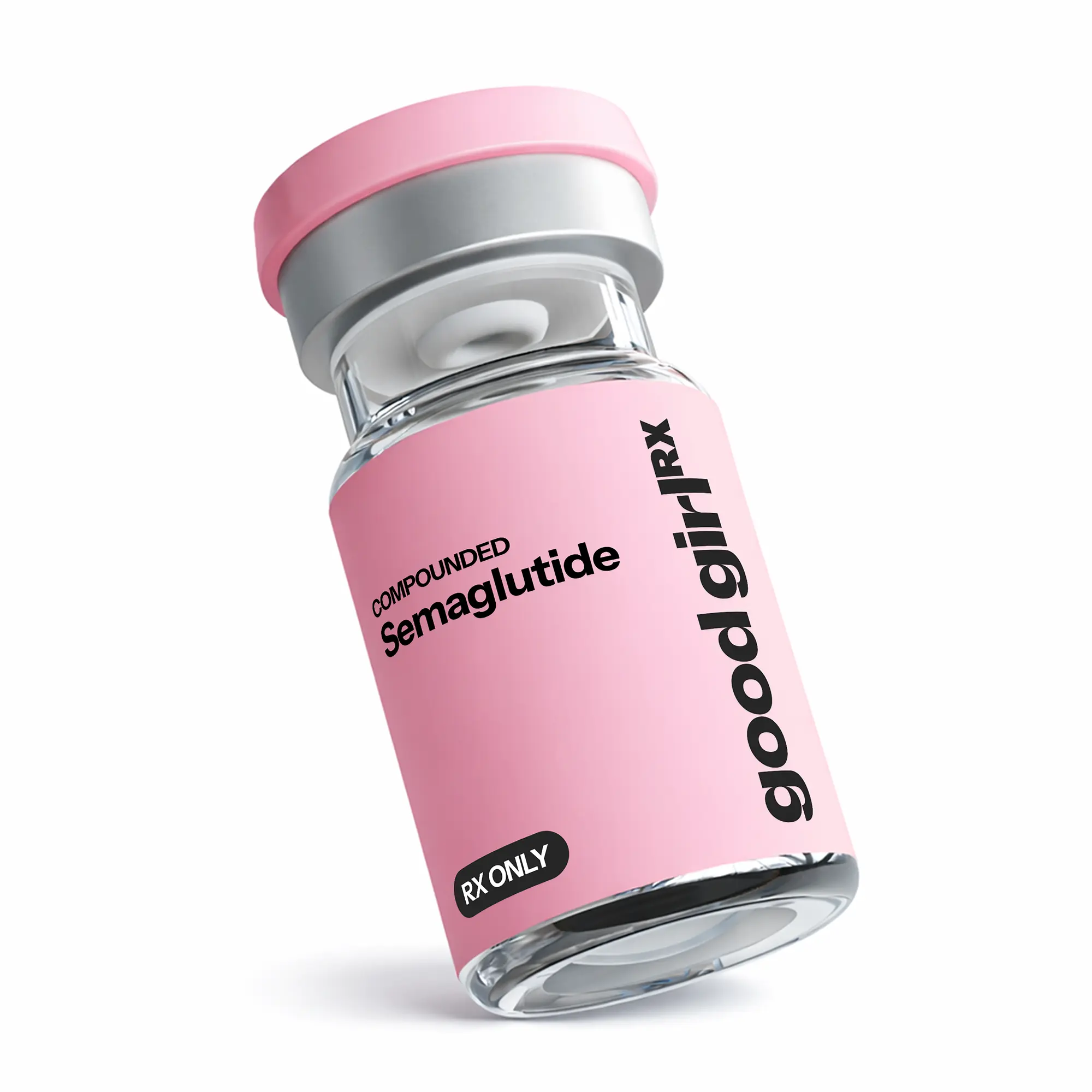
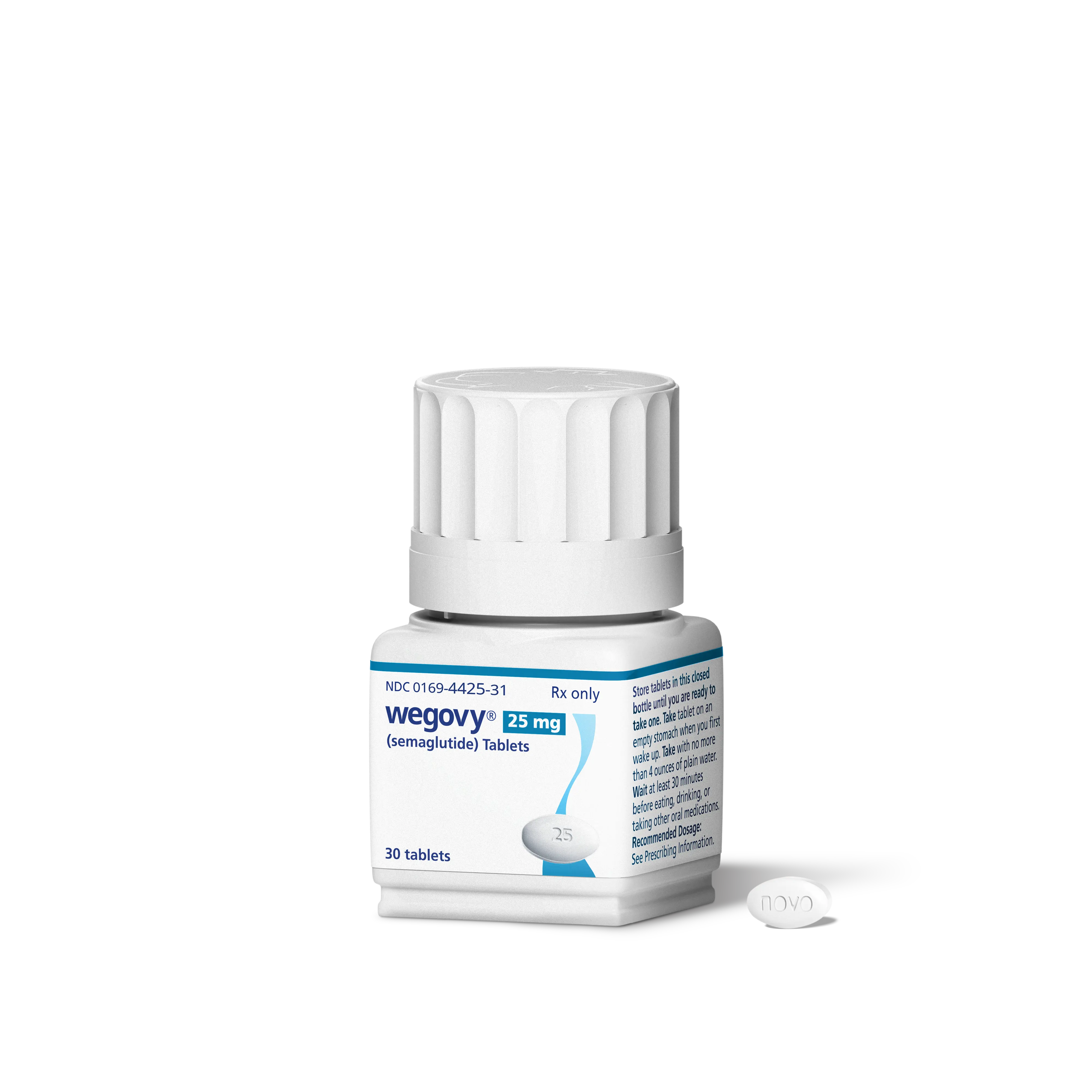
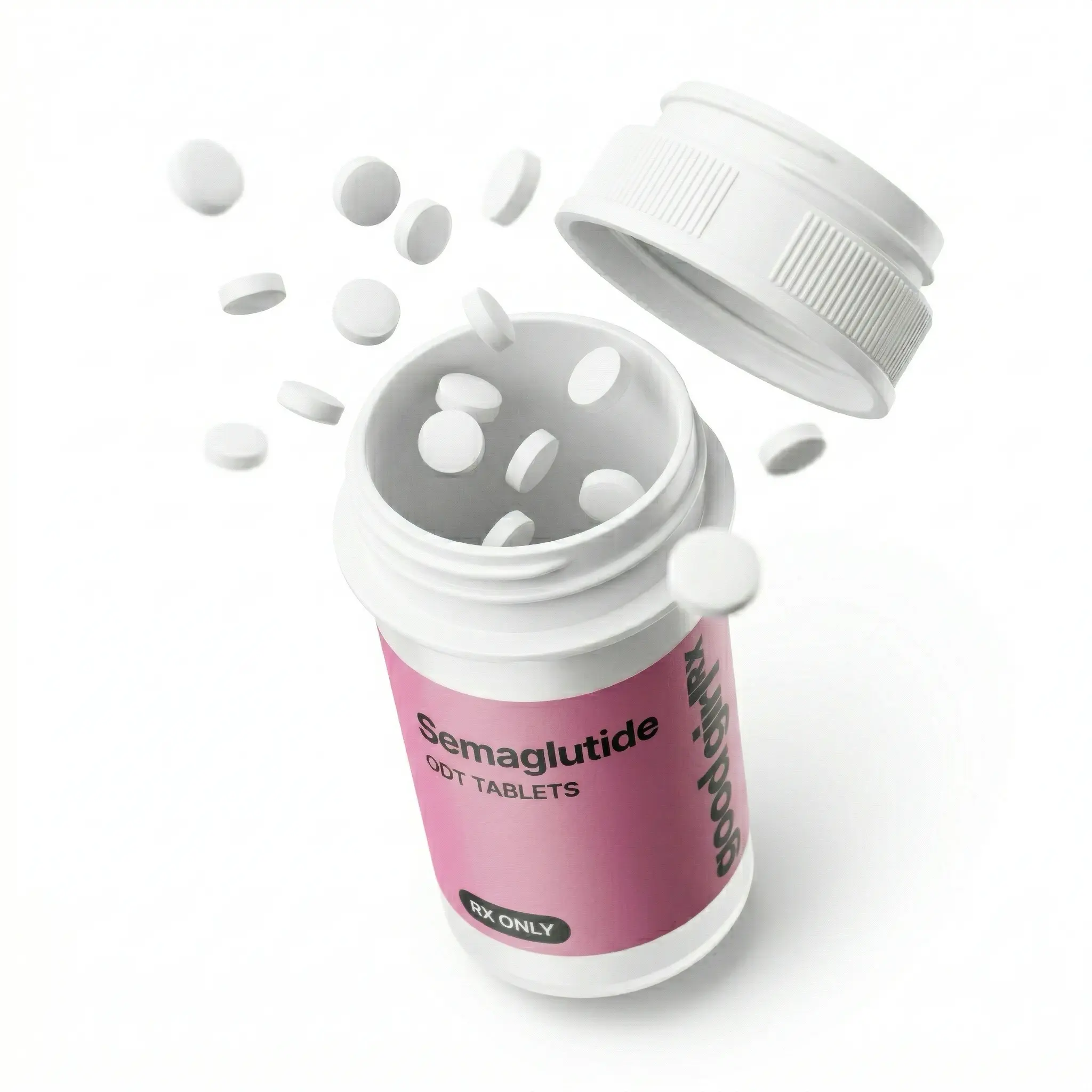
Semaglutide — the active ingredient in medications like Ozempic and Wegovy — has transformed weight management for countless women. But because it changes how your body handles food, appetite, and even cravings, it's natural to ask how a glass of wine or a holiday cocktail fits into the picture. Let's break down what the science says and how to make the smartest choices for your body this season.
How Semaglutide Works in Your Body
Semaglutide belongs to a class of medications called GLP-1 receptor agonists. It mimics a hormone your gut naturally produces, which signals fullness to your brain, slows down how quickly your stomach empties, and helps regulate blood sugar. For many women, this translates to feeling satisfied with smaller portions and fewer intense cravings.
Because semaglutide slows gastric emptying, food — and anything else you consume, including alcohol — tends to stay in your stomach longer. This single mechanism is at the heart of why the semaglutide and alcohol conversation is so important, especially for women whose metabolism and hormone levels are already shifting after 40.
Semaglutide and Alcohol: What Women Over 40 Should Know
There's no formal rule that says you cannot drink alcohol while taking semaglutide. However, combining the two can amplify certain side effects and requires a bit more mindfulness than before. Here's what tends to happen when semaglutide and alcohol meet in a woman's body.
1. Alcohol May Hit You Harder and Faster
Because semaglutide slows digestion, alcohol can linger in your stomach and be absorbed differently. Many women notice they feel the effects of one drink more intensely than they used to. Pair that with the natural changes in how women over 40 metabolize alcohol — thanks to lower body water content and shifting hormones — and a single glass of wine can feel like two.
2. Blood Sugar Swings Become More Likely
Alcohol can cause blood sugar to drop, and semaglutide also influences blood sugar regulation. For women, particularly those with insulin resistance or prediabetes, this combination can occasionally lead to hypoglycemia — low blood sugar — marked by dizziness, shakiness, or fatigue. Eating something before you drink is a simple protective step.
3. Nausea and GI Upset Can Intensify
Nausea is one of the most common side effects of semaglutide, especially in the early weeks. Alcohol is an irritant to the stomach lining, so drinking — particularly on an empty stomach — can trigger or worsen nausea, bloating, and digestive discomfort.
“The goal isn't deprivation — it's awareness. Knowing how your body responds puts you back in the driver's seat during the holidays.”
| Effect | Why It Happens | Smart Strategy |
|---|---|---|
| Faster intoxication | Slowed gastric emptying delays absorption | Sip slowly, alternate with water |
| Low blood sugar | Both can lower glucose levels | Never drink on an empty stomach |
| Increased nausea | Alcohol irritates an already sensitive gut | Avoid drinking during dose adjustments |
| Dehydration | Alcohol is a diuretic; GI side effects add to fluid loss | Hydrate before, during, and after |
Ready to Start Your Semaglutide Journey?
Connect with a licensed provider who understands women's health and can guide you on lifestyle factors like alcohol.
Try semaglutide →Smart Holiday Strategies for Women on Semaglutide
You don't have to skip every celebration to stay on track. A few intentional habits can help you enjoy festive gatherings while protecting your progress and comfort. The key is planning ahead rather than reacting in the moment.
- Eat first. A balanced meal with protein and healthy fats slows alcohol absorption and stabilizes blood sugar before you sip.
- Hydrate strategically. Alternate each alcoholic drink with a full glass of water to reduce dehydration and GI upset.
- Choose lower-sugar options. Skip sugary cocktails and mixers in favor of dry wine, a vodka soda, or a festive mocktail.
- Pace yourself. With slowed digestion, one drink may feel like more — give your body time to respond before pouring another.
- Skip alcohol on dose-increase weeks. Side effects like nausea tend to peak when your dose changes, so it's wise to abstain then.
- Listen to your body. If you notice reduced interest in drinking, honor it — that's a common and often welcome effect.
When to Talk to Your Provider
Every woman's body responds differently to the combination of semaglutide and alcohol. If you have a history of pancreatitis, liver concerns, diabetes, or you take other medications, these factors can change what's safe for you. Your provider can help you create a personalized plan that fits both your health history and your holiday lifestyle.
Reach out to your provider if you experience persistent nausea, vomiting, severe abdominal pain, signs of low blood sugar, or any symptom that feels out of the ordinary. These conversations are a normal part of the journey — not a sign that something is wrong.
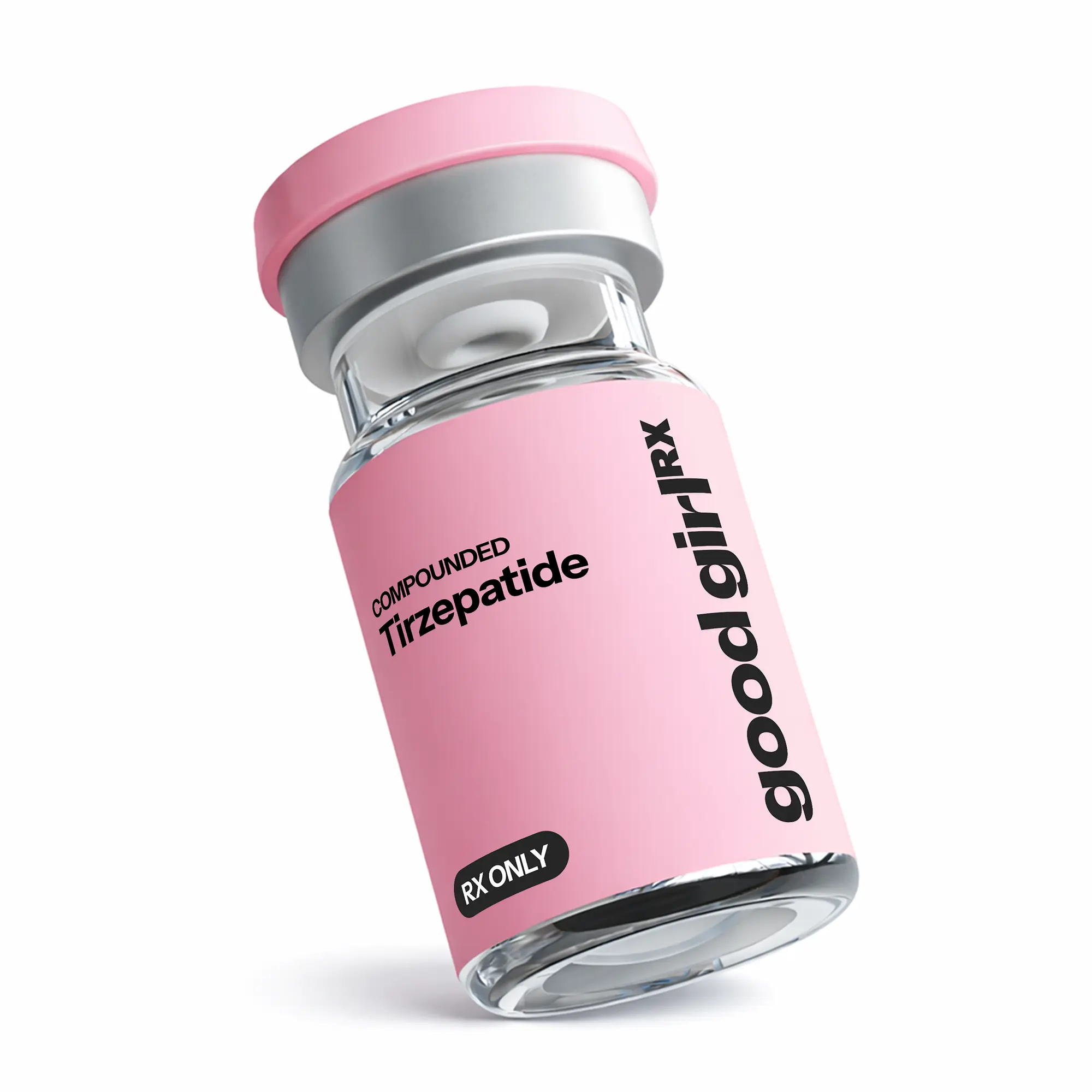
If you're just getting started, exploring your options with a telehealth platform makes the process approachable. You can learn more about semaglutide and other GLP-1 solutions like tirzepatide to find the right fit for your goals and your body.
Celebrating the Season With Confidence
The holidays are about connection, joy, and treating yourself kindly — and that includes honoring the progress you've made. Understanding how semaglutide and alcohol interact empowers you to make choices that feel good in the moment and the morning after.
Whether you choose a small glass of wine or a sparkling mocktail, the most important ingredient is awareness. With a little planning, women over 40 can move through the season feeling energized, in control, and proud of the healthy habits they're building — one mindful sip at a time.
Explore Your Weight Loss Options This Season
Discover personalized GLP-1 treatment plans designed with women's health in mind. Start your online visit today.
Find my treatment →Share this article

Ready to start your journey?
Complete your free online visit and see if GLP-1 treatment is right for you.
Get Started