



Tirzepatide Weight Loss Plateau in Women: Break Through

Written by Marcus W.
Published August 25, 2026

You started tirzepatide, the pounds came off, your clothes fit better, and then... the scale just froze. If you're staring at the same number for weeks, you're experiencing a tirzepatide weight loss plateau — and it's one of the most common frustrations women face on GLP-1 therapy. The good news? A plateau is not a failure. It's your body doing exactly what it's designed to do, and there are proven ways to push past it.

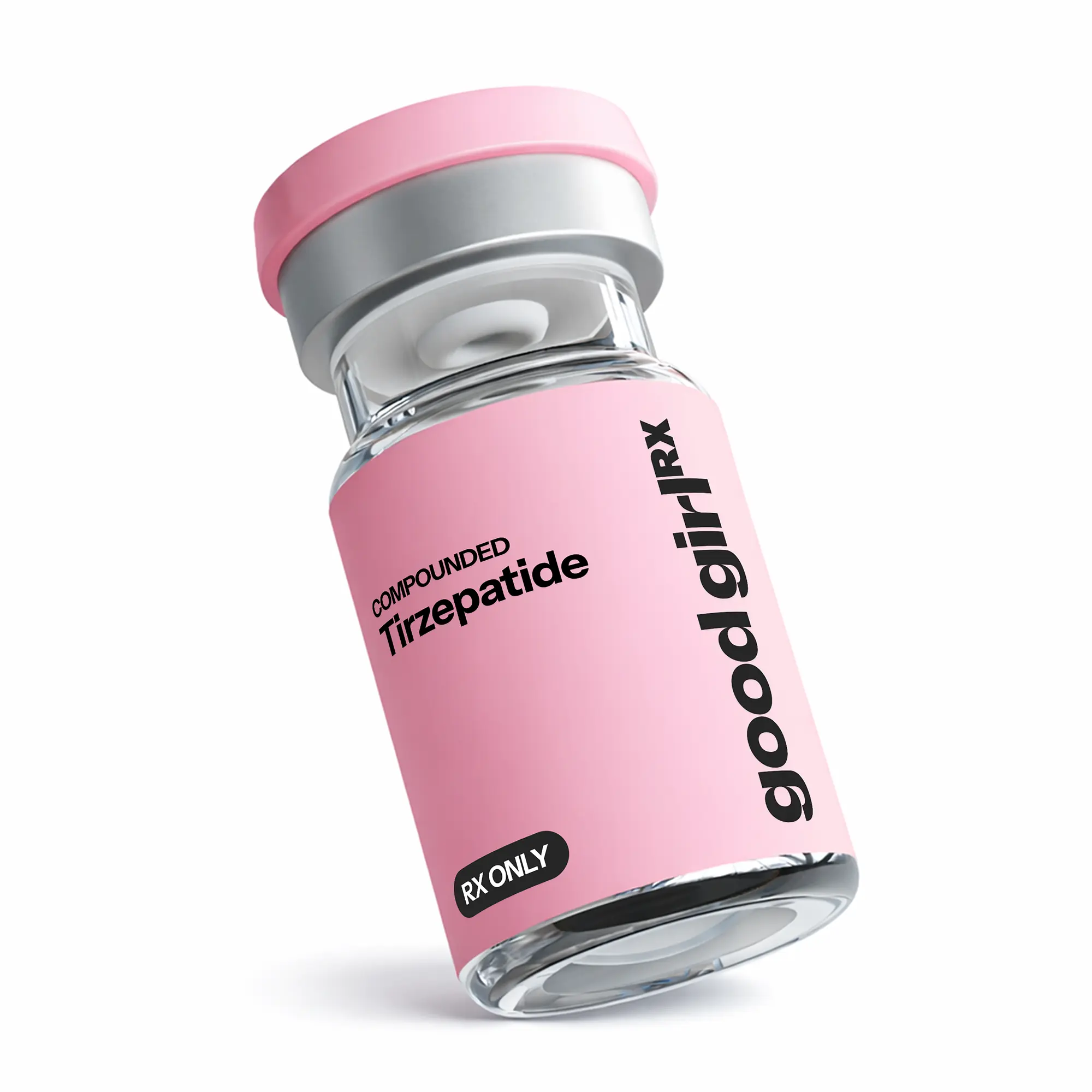
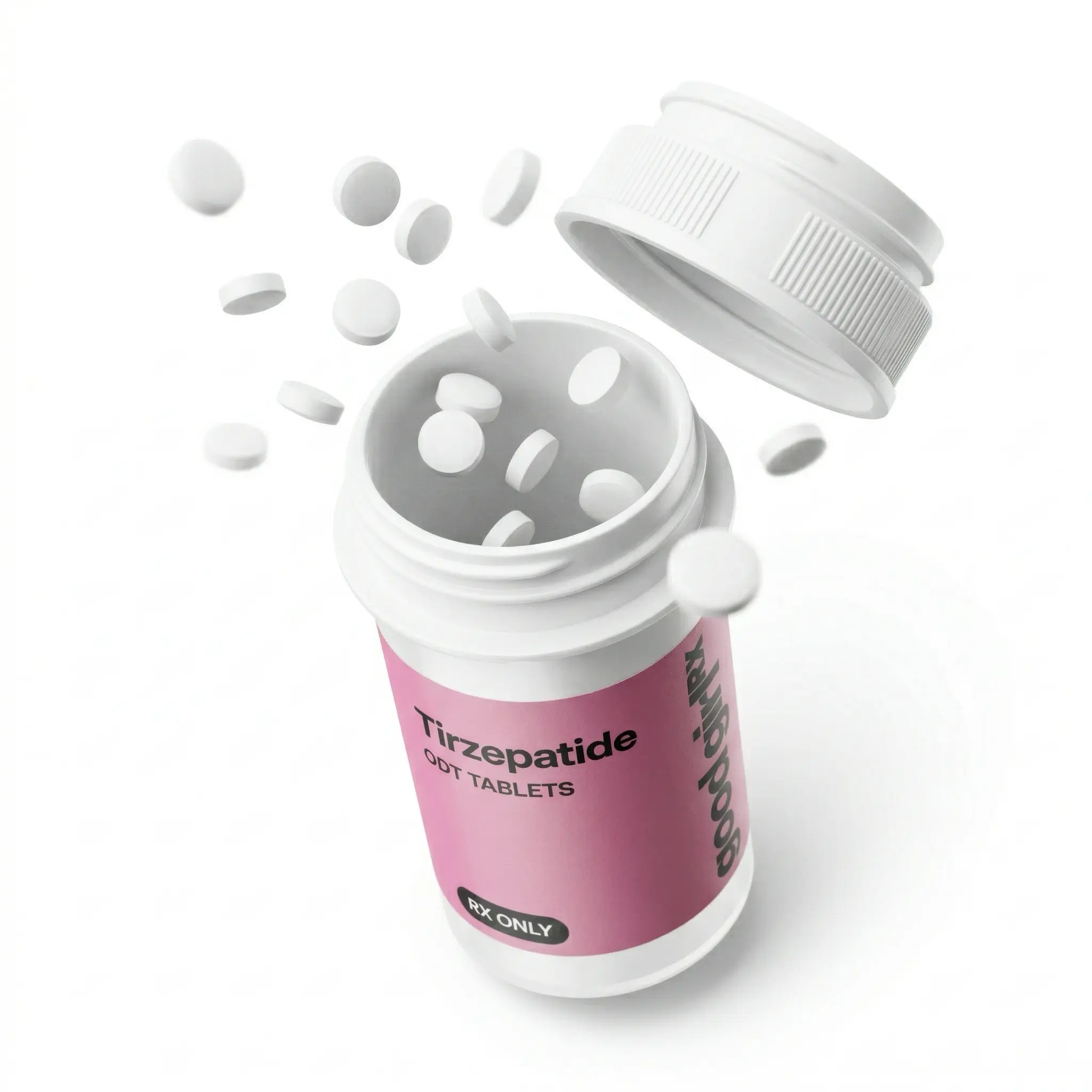
Tirzepatide (the active ingredient in Mounjaro and Zepbound) is a dual GIP and GLP-1 receptor agonist, meaning it works on two hormone pathways to reduce appetite and improve how your body handles blood sugar. In clinical trials, it produced some of the most significant weight loss results ever recorded for a medication. But even the most powerful tools have a rhythm — and understanding that rhythm is the key to breaking through.
What Exactly Is a Weight Loss Plateau?
A plateau is a period — typically lasting two to four weeks or longer — where your weight stays essentially the same despite continued effort. It's important to distinguish a true plateau from a normal fluctuation. Water retention, hormonal shifts during your cycle, sodium intake, and even a good workout can cause the scale to bounce a few pounds in either direction day to day.
A real plateau means your weight has genuinely stalled over several weeks. On tirzepatide, most women experience their fastest loss in the first 3-6 months, followed by a slower, steadier phase. Plateaus often show up when you reach a new dose ceiling or when your body has adapted to your current calorie intake.
Why Women Hit a Tirzepatide Weight Loss Plateau
There isn't one single cause. A tirzepatide weight loss plateau in women usually comes from a combination of biological and lifestyle factors — many of them uniquely affected by female physiology, hormones, and metabolism.
1. Metabolic Adaptation
When you lose weight, your body needs fewer calories to function. A 160-pound body burns more at rest than a 135-pound body. This natural slowdown, called adaptive thermogenesis, means the calorie deficit that once worked no longer creates the same gap. Your progress isn't broken — the math simply shifted.
2. Muscle Loss
Rapid weight loss without adequate protein and resistance training can lead to loss of lean muscle mass, which lowers your resting metabolic rate. Since muscle is metabolically active tissue, losing it makes further fat loss harder — a common and preventable culprit behind plateaus.
3. Dose Timing and Tolerance
Tirzepatide is titrated upward gradually. When you've been on the same dose for a while, your appetite suppression may feel less dramatic than it did at first. This doesn't mean the drug failed — it may simply mean your body is ready for a clinical dose adjustment discussed with your provider.
4. Hormonal Fluctuations
Estrogen, progesterone, cortisol, thyroid function, and perimenopause all influence how women store and burn fat. Elevated cortisol from chronic stress or poor sleep can stall weight loss even when everything else is on point.
“A plateau is your body's way of asking for a new strategy — not a signal to give up. The women who succeed long-term are the ones who adjust, not quit.”
How to Break Through a Tirzepatide Plateau
Breaking a tirzepatide weight loss plateau rarely requires a dramatic overhaul. Small, strategic changes — layered together — are what restart momentum. Here are the most effective, evidence-backed approaches.
- Prioritize protein — aim for roughly 0.7-1 gram per pound of goal body weight daily to protect muscle and boost satiety.
- Add resistance training 2-4 times per week to preserve and build metabolically active lean mass.
- Recalculate your calorie needs — the deficit that worked 20 pounds ago may no longer create one.
- Improve sleep and manage stress to lower cortisol, which directly impacts fat storage.
- Stay hydrated and watch sodium to reduce water retention masking true fat loss.
- Track non-scale victories like measurements, energy, and how your clothes fit.
- Talk to your provider about a dose adjustment if you've been stable on your current dose for several weeks.

Ready to Restart Your Progress?
Connect with a licensed provider to review your plan and see if tirzepatide is right for you.
Try tirzepatide →Should You Increase Your Tirzepatide Dose?
One of the most common questions during a plateau is whether it's time to move to a higher dose. Tirzepatide is available in escalating strengths, and moving up can renew appetite suppression for some women. But more is not always better — dose increases should always be guided by your provider based on your response, side effects, and goals.
| Phase | Common Dose Range | Purpose |
|---|---|---|
| Starting | 2.5 mg weekly | Introduce medication, minimize side effects |
| Titration | 5-10 mg weekly | Build toward therapeutic effect |
| Maintenance | 10-15 mg weekly | Sustain appetite control and results |
Some women also explore switching from semaglutide to tirzepatide when they plateau, since tirzepatide's dual-action mechanism may offer additional benefit. Whether you prefer injections or oral options, the right fit is a conversation to have with your provider.
Supporting Your Metabolism Beyond the Medication
Tirzepatide works best as part of a broader strategy. Nutrient support can help you feel your best while your body recalibrates. Many women pair their weight loss journey with targeted therapies to support energy and metabolism.
- B12 injections to support energy and reduce fatigue during a calorie deficit.
- Lipotropic MIC+B12 to support fat metabolism.
- NAD+ therapy to support cellular energy and overall vitality.
Remember that consistency beats intensity. The women who break through plateaus are rarely doing anything extreme — they're refining protein, sleep, movement, and stress while staying patient with the process. Your body is adapting, and that's a sign it's working.
A plateau is a chapter, not the ending. With the right adjustments and a provider in your corner, you can absolutely keep moving toward your goals. Give your body grace, trust the data, and remember how far you've already come.
Break Through Your Plateau
Start an online visit with a licensed provider and get a personalized plan built around your body and goals.
Try tirzepatide →Share this article

Ready to start your journey?
Complete your free online visit and see if GLP-1 treatment is right for you.
Get Started