

What to Eat on Semaglutide: Complete Meal Plan Guide

Written by Aria C.
Published November 18, 2025
Key Takeaways
Starting semaglutide for weight loss is exciting, but you might be wondering what to eat on semaglutide to maximize your results while minimizing side effects. The right nutrition plan can make all the difference in how you feel and how well the medication works for your goals.
Understanding what to eat on semaglutide isn't just about restriction—it's about nourishing your body while working with the medication's appetite-suppressing effects. When you choose the right foods, you'll feel more energized, experience fewer digestive issues, and support your overall wellness journey.
What Should You Prioritize When Taking Semaglutide?
When considering what to eat on semaglutide, focus on nutrient-dense foods that provide sustained energy without overwhelming your digestive system. Since semaglutide slows gastric emptying, your stomach processes food more slowly, making food choices crucial for comfort.
Protein should be your best friend. Aim for 20-30 grams per meal from sources like lean chicken, fish, Greek yogurt, or plant-based options. Protein helps maintain muscle mass during weight loss and keeps you satisfied longer—perfect when your appetite is naturally reduced.
Fiber-rich vegetables are equally important. Start with smaller portions of cooked vegetables like spinach, zucchini, or carrots, which are gentler on your system than raw, high-fiber options that might cause discomfort.
Foods to Embrace on Your Semaglutide Journey
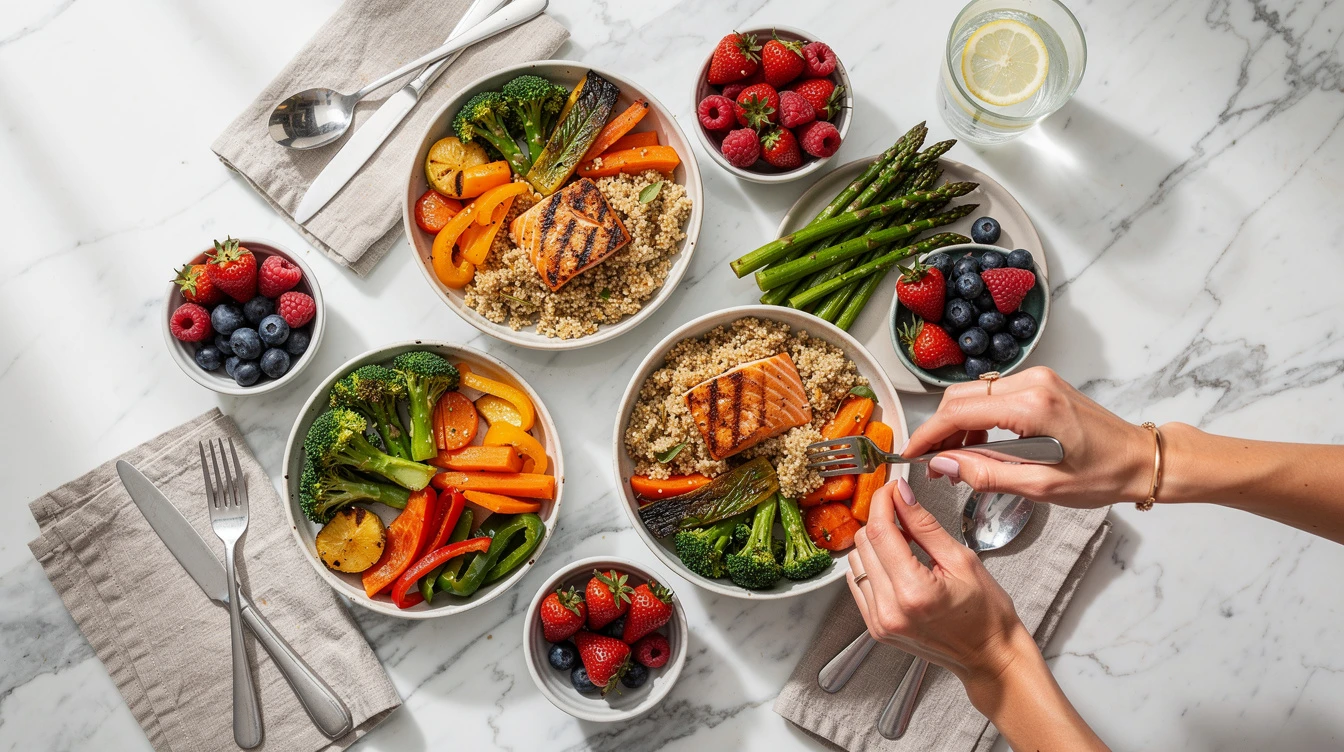
Your semaglutide meal plan should center around foods that digest easily while providing essential nutrients. Think of building each meal around these foundations:
**Lean proteins:** Grilled chicken breast, baked fish, tofu, or eggs prepared simply. These digest well and provide the building blocks your body needs.
**Complex carbohydrates:** Sweet potatoes, quinoa, or brown rice in moderate portions. These provide steady energy without blood sugar spikes.
**Healthy fats:** Avocado, olive oil, and nuts in small amounts. Fats help with nutrient absorption and satiety, but moderation is key since they're calorie-dense.
**Hydrating foods:** Soups, smoothies, and water-rich fruits like melons can help you stay hydrated while being gentle on your stomach.
What Foods Should You Limit While Taking Semaglutide?
Knowing what to avoid is just as important as knowing what to eat on semaglutide. Certain foods can exacerbate side effects or work against your wellness goals.
Greasy, fried foods often trigger nausea—a common side effect when starting treatment. That means saying goodbye (at least temporarily) to fast food, heavy cream sauces, and fried snacks.
High-sugar foods and refined carbs can cause uncomfortable blood sugar fluctuations. Skip the candy, pastries, and sugary drinks that might leave you feeling worse.
Spicy or acidic foods might increase digestive discomfort, especially during your adjustment period. Consider milder seasonings until your body adapts.
Sample Meal Plan Ideas for Semaglutide Success
Here's what a day of eating might look like when you're figuring out what to eat on semaglutide:
**Breakfast:** Scrambled eggs with spinach and a slice of whole grain toast, or Greek yogurt with berries and a drizzle of honey.
**Lunch:** Grilled chicken salad with mixed greens, cucumber, and olive oil dressing, or a small bowl of vegetable soup with crackers.
**Dinner:** Baked salmon with roasted sweet potato and steamed broccoli, or turkey meatballs with zucchini noodles and marinara sauce.
**Snacks:** Apple slices with almond butter, a small smoothie, or a handful of nuts.
Remember to eat slowly and stop when you feel satisfied—semaglutide helps you recognize fullness cues more effectively.
How Good Girl Rx Supports Your Nutrition Journey
At Good Girl Rx, we understand that starting semaglutide is just the beginning of your wellness transformation. Our licensed providers work with you to develop personalized nutrition strategies that complement your treatment plan.
Our telehealth platform makes it easy to get ongoing support and adjust your approach as needed. Whether you're dealing with side effects or want to optimize your meal planning, our team is here to guide you through every step of your journey.
Practical Tips for Meal Planning Success
Start small and listen to your body. Your appetite will likely decrease, so prepare smaller portions and avoid the pressure to finish everything on your plate.
Meal prep can be your secret weapon. Prepare proteins and vegetables in advance so you always have appropriate options ready. This prevents the temptation to grab convenient but less suitable foods.
Stay hydrated throughout the day, but try to drink most fluids between meals rather than with them. This helps prevent feeling overly full and uncomfortable.
Keep a food diary during your first few weeks. Note which foods make you feel energized versus those that cause discomfort. This personal data becomes invaluable for fine-tuning your approach.
Results may vary, and it's important to work with your healthcare provider to address any concerns or questions about your nutrition plan.
Ready to see if treatment is right for you? Start your free online visit at Good Girl Rx today.
Share this article

Ready to start your journey?
Complete your free online visit and see if GLP-1 treatment is right for you.
Get Started