

Weight Loss Plateau on GLP-1? Here's What to Do

Written by Maya P.
Published January 10, 2026

Key Takeaways
You've been taking your GLP-1 medication religiously, watching the numbers on the scale drop steadily for months. Then suddenly, everything stops. The scale won't budge, your clothes aren't getting looser, and you're wondering if your weight loss plateau on GLP-1 means the medication has stopped working. Take a deep breath – this is incredibly common, and there are proven strategies to get your progress back on track.
Why Do Weight Loss Plateaus Happen on GLP-1 Medications?
Your body is remarkably smart at adapting to change. When you lose weight, your metabolism naturally slows down to conserve energy. This evolutionary survival mechanism doesn't know you're intentionally trying to lose weight – it just sees decreased caloric intake and responds accordingly.
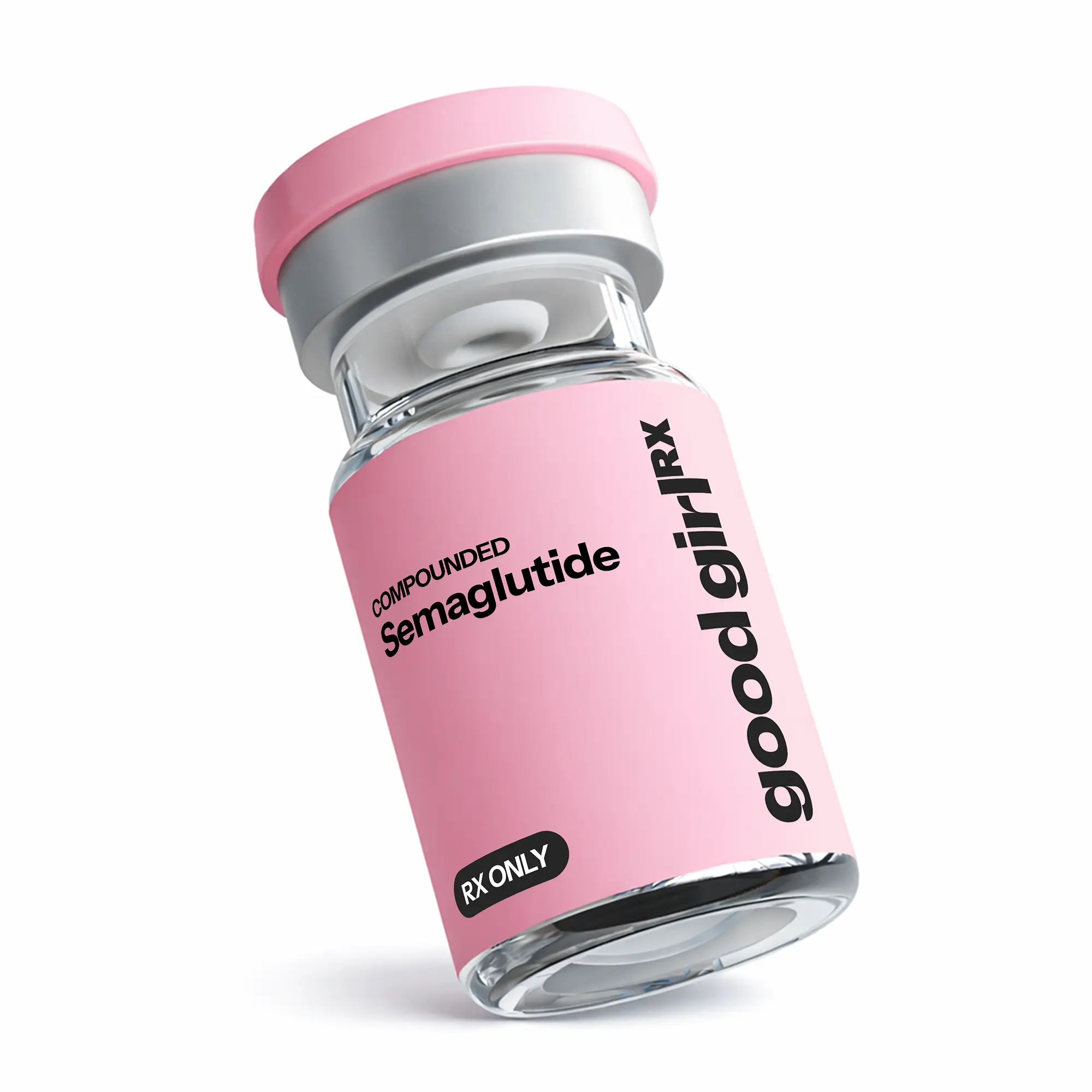
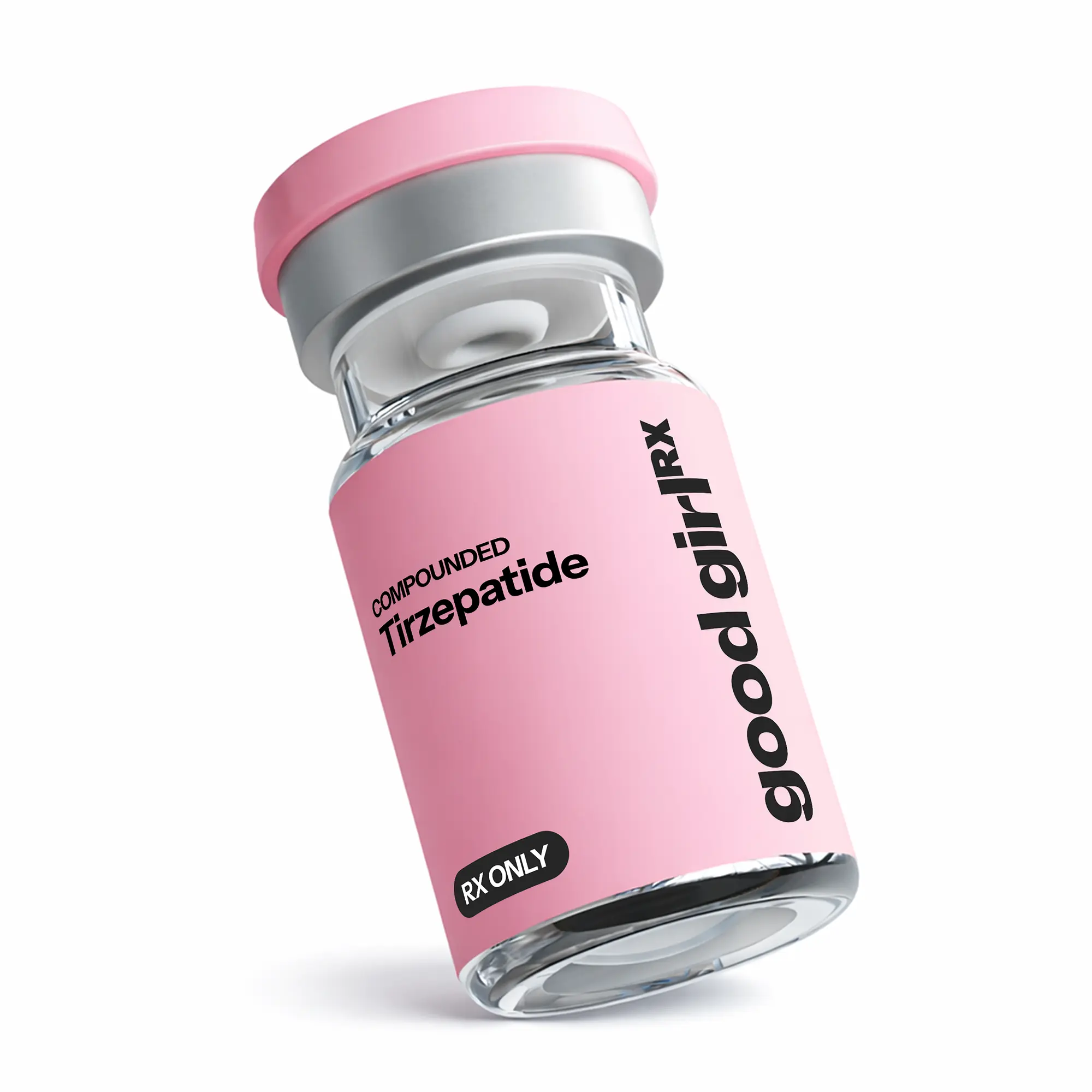
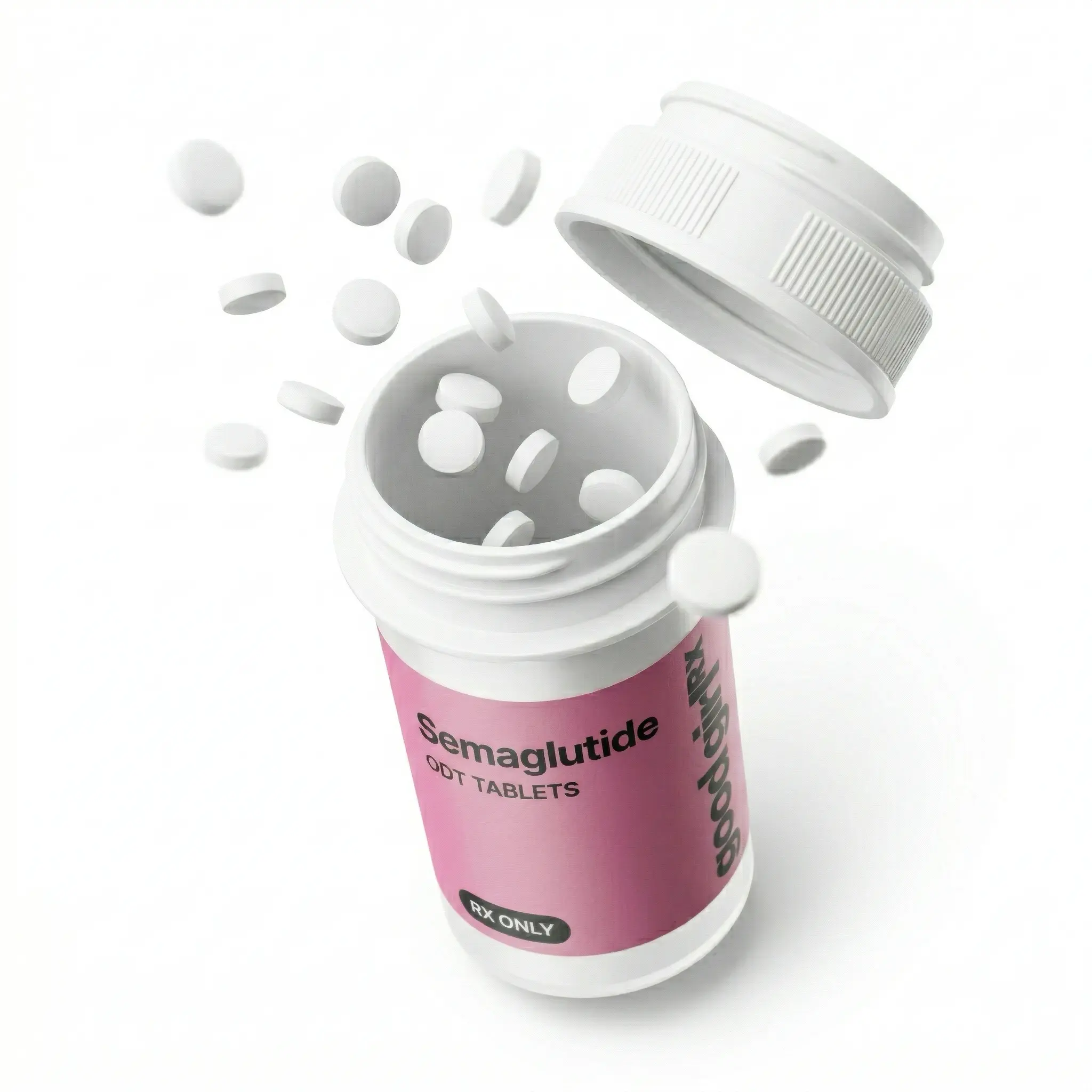
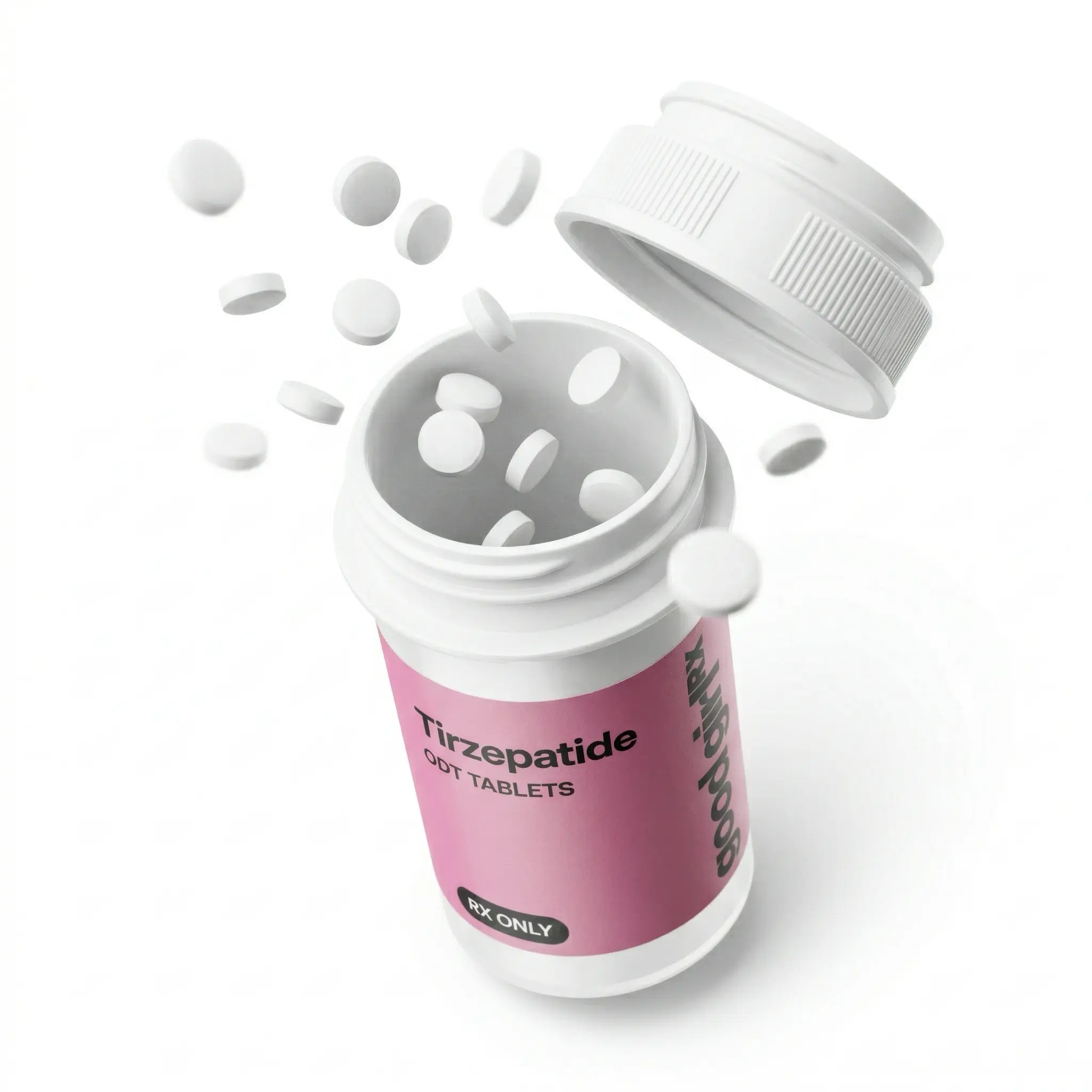
GLP-1 medications like semaglutide and tirzepatide work by slowing gastric emptying and reducing appetite, making it easier to eat less. But as your body adjusts to the medication and your new eating patterns, you might experience a weight loss plateau on GLP-1 treatment. This doesn't mean the medication isn't working – it means your body needs a new challenge to continue progressing.
How Long Do GLP-1 Weight Loss Plateaus Last?
Most weight loss plateaus last anywhere from 2-8 weeks, though this varies significantly from person to person. The key is understanding that plateaus are temporary roadblocks, not permanent stops. Your body is simply recalibrating, and with the right adjustments, you can break through.
It's important to remember that weight loss isn't always linear, even with medication support. You might have weeks of steady progress followed by periods of maintenance, then more progress again. This pattern is completely normal and doesn't indicate treatment failure.
Proven Strategies to Break Your Weight Loss Plateau
When you're experiencing a weight loss plateau on GLP-1, several evidence-based approaches can help restart your progress:
**Reassess Your Caloric Intake**: As you lose weight, your body needs fewer calories to maintain basic functions. What worked at the beginning of your journey might now be too many calories for continued weight loss. Consider tracking your food intake for a week to identify hidden calories.
**Increase Physical Activity**: If you've been doing the same workout routine for months, your body has adapted. Try adding strength training, increasing workout intensity, or incorporating new activities like hiking or swimming.
**Prioritize Sleep and Stress Management**: Poor sleep and chronic stress can interfere with weight loss by affecting hormones like cortisol and ghrelin. Aim for 7-9 hours of quality sleep and find healthy stress management techniques.
**Stay Hydrated**: Sometimes what feels like a plateau is actually water retention. Drinking adequate water helps your body release excess fluids and supports overall metabolism.
When Should You Talk to Your Provider About Dose Adjustments?
If you've tried lifestyle modifications for 4-6 weeks without seeing progress, it might be time to discuss dose optimization with your healthcare provider. GLP-1 medications are often started at lower doses and gradually increased to find your optimal therapeutic level.
At Good Girl Rx, our licensed providers work with you to find the right tirzepatide dosing strategy for your individual needs. Every woman's response to treatment is unique, and what works for others might not be the right approach for you. Results may vary, and our team is here to support you through every phase of your journey.
How Good Girl Rx Supports You Through Plateaus
Navigating a weight loss plateau on GLP-1 can feel frustrating and isolating, but you don't have to figure it out alone. Good Girl Rx provides comprehensive support that goes beyond just medication. Our platform connects you with licensed healthcare providers who understand the complexities of weight management and can help you develop personalized strategies to overcome plateaus.
Our medications are prepared by state-licensed pharmacies in accordance with FDA regulations, ensuring you receive quality treatment tailored to your needs. Through regular check-ins and ongoing support, we help you adjust your approach as your body and needs change throughout your weight loss journey.
Focus on Non-Scale Victories During Plateaus
While the scale might not be moving, your body could still be changing in meaningful ways. Pay attention to how your clothes fit, your energy levels, sleep quality, and overall well-being. Many women find that during plateaus, they're building muscle while losing fat, leading to body composition changes that don't show up on the scale.
Take body measurements, progress photos, and note improvements in your daily life. These non-scale victories often provide the motivation you need to push through plateau periods and remind you that your health journey encompasses so much more than just the number on the scale.
Moving Forward with Confidence
Remember, experiencing a weight loss plateau on GLP-1 doesn't mean you're doing anything wrong or that treatment isn't working. Plateaus are a normal part of the weight loss process, and with patience, strategic adjustments, and professional support, you can break through and continue progressing toward your goals.
Stay consistent with your medication, focus on sustainable lifestyle habits, and trust the process. Your body is constantly adapting and changing, and what feels like a frustrating standstill is often just preparation for your next phase of progress.
Ready to see if treatment is right for you? Start your free online visit at Good Girl Rx today.
Share this article

Ready to start your journey?
Complete your free online visit and see if GLP-1 treatment is right for you.
Get Started